Showing posts with label art & culture. Show all posts

Wednesday, 8 April 2026

A Look into the History & Culture of Dumal Community of Western Odisha

 The Dumal Caste, also known as Dumala or Mithila Nanda Gauda in eastern parts of Odisha, is a prominent agrarian community primarily found in the western region of the Indian state of Odisha. Historically associated with agriculture, cattle rearing, and dairy production, the Dumal community has played an important role in the socio-economic life of the region. Over time, the community has developed a distinct cultural identity rooted in traditions, historical narratives, and regional livelihoods.


Historical Background and Temple Association

One of the most widely circulated historical traditions of the Dumal community is linked with the revered Jagannath Temple in Puri. According to traditional accounts, members of the community were responsible for supplying essential dairy products such as milk, curd, and ghee to the temple. In addition to this responsibility, they were also entrusted with guarding the temple deity, Lord Jagannath. 

A legend recounts an unusual event when a vulture was found perched on the temple’s sacred Neelachakra. This occurrence was considered an ominous sign. A temple priest reportedly had a dream revealing that the ghee offered to the deity had become impure, causing divine displeasure. The priest secretly conveyed this message to the ruling king, the Gajapati Maharaja, who ordered punishment for those responsible. 

Before the punishment could be carried out, a sympathetic court official warned the dairy suppliers about the impending royal action. Fearing unjust punishment, the families supplying ghee left their homes in Puri overnight and migrated toward the western regions of Odisha. This migration is believed to have contributed to the establishment of the Dumal community in western Odisha. 

Origin of the Name

Several explanations have been proposed regarding the origin of the name “Dumal” or “Dumala.” One tradition traces the community’s roots to the village of Dumba Hadap in the former princely state of Athamallik. Another account suggests that the name derived from a gate called “Duma” in the town of Boudh.

Anthropologist Herbert Hope Risley also recorded that Dumals and Yadupuria Gauds formed a local social group. According to community traditions, their ancestors migrated to Odisha from a place called Yadupur. This origin story is linked to the mythical lineage of the Yaduvanshi branch of the Goala caste, traditionally associated with cattle herding and dairy activities. 

Distribution and Traditional Occupations

Today, the Dumal community is widely distributed across several districts of western Odisha, including Boudh District, Balangir District, Subarnapur District, Bargarh District, and Sambalpur District. The community is classified under the Other Backward Classes.

Historically, Dumals were deeply engaged in agriculture and animal husbandry. Their expertise in dairy production and cattle management formed an integral part of rural economic life. In several regions, particularly in the former Sonepur State, Dumals were known to be significant landowners and influential agriculturalists. 

The Dumal community represents an important agrarian group within the social structure of western Odisha. Their traditional connection with dairy production, agriculture, and regional history reflects a legacy shaped by migration, local livelihoods, and cultural identity. Today, the community continues to contribute to the rural economy while preserving historical traditions associated with its origins and heritage.

Wednesday, 22 October 2025

Traditional Dresses of Tripura: A Reflection of Culture and Identity


Nestled in the lush greenery of Northeast India, Tripura is a land where tradition, culture, and craftsmanship intertwine beautifully. Its traditional dresses are not just garments—they are symbols of identity, heritage, and pride for the indigenous communities that call this state home. Each outfit tells a story, passed down through generations, reflecting the artistry and cultural richness of Tripura’s diverse tribes. 

The Essence of Rignai and Rikutu

Among the many tribes in Tripura, the Tripuri community is one of the largest and most prominent. The traditional attire of Tripuri women, the Rignai and Rikutu, stands as a hallmark of their culture. The Rignai is a handwoven wraparound skirt, usually extending from the waist to the knees, while the Rikutu serves as an upper garment, elegantly draped around the chest and shoulders. 

The patterns of the Rignai vary across clans and regions—each design carries a distinct name and meaning, often inspired by nature, animals, and traditional motifs. Bright colors like red, green, and yellow dominate the fabric, symbolizing joy, fertility, and prosperity. Woven on traditional bamboo looms, these garments highlight the Tripuri women's remarkable weaving skills, which are often taught from a young age. 

Risa: A Symbol of Dignity and Tradition

Complementing the Rignai and Rikutu is the Risa, a shorter piece of cloth traditionally worn around the chest or used as a scarf. Beyond its practical use, the Risa holds deep cultural and emotional significance. It represents respect and dignity—often gifted during ceremonies, festivals, or to mark milestones like marriages and community events. 

In recent years, the Risa has also gained recognition as a cultural emblem of Tripura. The state government has even promoted it as a part of official attire, encouraging its use to preserve traditional identity in modern times. 

Attire of Men: Simplicity with Grace

The traditional attire of Tripuri men is simple yet elegant. They wear a Kamchwlwi Borok, a piece of cloth wrapped around the waist, and a Risa or a shawl-like cloth to cover the upper body. These garments are also handwoven and often bear intricate designs similar to those found on women’s clothing. The simplicity of men’s attire represents humility and a close connection to nature—values deeply rooted in the tribal way of life. 

Diversity Among Tribes

While the Tripuris form the majority, other tribes such as the Reang, Jamatia, Halam, and Chakma have their own distinctive styles of dress. For instance, the Reang women are known for their black or dark-colored wraparounds and beaded ornaments, while Chakma women wear the Pinon and Hadi, adorned with vibrant embroidery. Each tribe’s traditional wear highlights their unique identity, yet collectively contributes to the colorful mosaic of Tripura’s culture. 

Preserving the Weaving Heritage

In an era of modernization, Tripura’s traditional dresses continue to hold their charm. Local artisans and government initiatives are working together to revive and promote handloom weaving, ensuring that these traditions remain alive for future generations. 

The traditional dresses of Tripura are more than clothing—they are woven expressions of heritage, pride, and community. Every thread spun and every motif woven keeps alive the timeless spirit of the land and its people.


Monday, 13 October 2025

The Cultural and Spiritual Essence of Panthi Dance


Panthi dance, one of the most spirited folk traditions of India, stands as a vibrant reflection of Chhattisgarh’s rich cultural and spiritual heritage. Rooted deeply in the beliefs of the Satnami community, this dance is more than an artistic expression—it is a moving form of worship that celebrates human devotion, unity, and moral values through rhythm and movement. 

Originating in the heartland of Chhattisgarh, Panthi dance derives its name from the term Panth, meaning “path” or “way,” symbolizing the spiritual journey towards truth and enlightenment. The dance is closely associated with Guru Ghasidas, the revered saint and founder of the Satnami sect, who preached equality, simplicity, and devotion to one supreme power. Followers of his philosophy express their reverence and joy through this energetic dance, particularly during religious festivals and community gatherings. 

Panthi dance is most prominently performed during Maghi Purnima and Guru Ghasidas Jayanti, which mark significant events in the Satnami faith. On these occasions, devotees gather in large numbers at temples or open grounds, often forming circular groups. The rhythmic beats of the mridang, jhaanjh (cymbals), and dholak fill the air, setting the tempo for the dancers. With synchronized steps, graceful spins, and expressive hand gestures, the performers bring to life stories from scriptures and moral parables that embody the teachings of their Guru. 

The dance begins in a slow and devotional tone, gradually gaining speed and intensity. As the tempo rises, dancers move in perfect coordination, creating a mesmerizing spectacle that reflects both discipline and passion. The lyrics of the accompanying songs often praise Guru Ghasidas and narrate tales from the Ramayana and Mahabharata, reinforcing the values of righteousness, truth, and compassion. Each movement in the dance conveys symbolic meaning—gestures of offering, salutation, and spiritual surrender are woven into the choreography, transforming the performance into an act of collective meditation. 

One of the most captivating aspects of Panthi dance is its strong element of physical endurance. Dancers display remarkable agility and strength, performing acrobatic moves such as leaps, squats, and intricate footwork. The circular formations symbolize the eternal cycle of life and the unity of humankind, while the pulsating rhythm mirrors the heartbeat of the community itself. 

Beyond its religious significance, Panthi dance also serves as a medium of social and cultural cohesion. It brings together people from different walks of life, reinforcing a sense of belonging and shared identity. In recent years, the dance has transcended regional boundaries, finding a place on national and international stages as a representation of Chhattisgarh’s living traditions. Cultural festivals across India often feature Panthi performances, admired for their vibrant energy and spiritual depth. 

Today, as modernization reshapes cultural landscapes, Panthi dance continues to preserve the essence of Chhattisgarh’s folk art. Its powerful blend of devotion, artistry, and storytelling ensures that the message of equality, faith, and humanity endures through every beat and every step. 

Panthi dance is not merely a performance—it is a soulful dialogue between the body and the divine, a rhythmic journey on the path of truth, and a timeless tribute to the enduring spirit of devotion.


Tuesday, 23 September 2025

Traditional Dresses of Dadra and Nagar Haveli

Dadra and Nagar Haveli, a Union Territory of India, is known for its lush forests, vibrant tribal culture, and distinctive traditions. The territory is home to several tribal communities such as the Dhodia, Kokna, Varli, and Kathodi, each contributing to the rich cultural fabric of the region. Their traditional attire reflects a harmonious blend of simplicity, utility, and artistry, closely tied to their way of life and natural surroundings.


Men’s Traditional Attire

The traditional dress of men in Dadra and Nagar Haveli is modest yet practical, well-suited for the tribal lifestyle. Men commonly wear a lungi or dhoti, a simple unstitched cloth wrapped around the waist, often in white or earthy tones. This is paired with a short-sleeved shirt or kurta, generally made of cotton to withstand the humid climate. Some tribal groups also wear turbans or headgear, which not only add to their identity but also serve as protection against the sun during agricultural activities. 

On special occasions and festivals, men sometimes enhance their look with ornaments made of silver or beads, reflecting their cultural pride. The simplicity of men’s attire symbolizes the connection between tradition and practicality in daily tribal life. 

Women’s Traditional Attire

The traditional dress of women in Dadra and Nagar Haveli is more elaborate, vibrant, and expressive of the community’s creativity. Women typically wear sarees, but these are draped in unique tribal styles distinct from mainstream Indian traditions. The sarees are often in bright shades such as red, green, or yellow, reflecting festivity and liveliness. Instead of ornate silk, cotton fabrics are usually preferred, highlighting comfort and sustainability. 

Among the Dhodia and Varli tribes, women drape their saree in a manner that allows ease of movement while working in the fields. The pallu, or end piece of the saree, is sometimes left loose or tied around the waist. Blouses may be simple or replaced with traditional upper garments, depending on the occasion. 

Jewelry holds significant cultural importance for tribal women. They adorn themselves with ornaments made of silver, beads, and sometimes even natural materials like wood and seeds. Bangles, nose rings, earrings, and necklaces form an integral part of their attire. These ornaments are not merely decorative but often carry symbolic meanings tied to marital status, prosperity, and community identity. 

Influence of Festivals and Traditions

Festivals and cultural events in Dadra and Nagar Haveli bring out the most colorful versions of traditional attire. During occasions such as Diwali, Holi, and local tribal festivals, both men and women dress in their finest clothes and jewelry. Traditional dances like Tarpa, performed with great enthusiasm, showcase the vibrancy of tribal costumes. Men and women, dressed in colorful attire, move rhythmically to the music, reflecting their deep-rooted cultural spirit. 

Modern Adaptations

While modernization has influenced everyday wear, especially among the younger generation, traditional dresses remain integral during festivals, weddings, and community gatherings. Many government and cultural initiatives also encourage locals to preserve and showcase their heritage through attire, ensuring that these traditions continue to thrive. 

The traditional dresses of Dadra and Nagar Haveli are more than just garments; they are reflections of the territory’s tribal identity, heritage, and connection with nature. Simple yet meaningful, these attires tell stories of resilience, creativity, and cultural pride. In every thread and ornament, the traditions of this region continue to live on, making them an essential part of India’s diverse cultural mosaic.

Friday, 12 September 2025

Folk Music of Assam


Assam, often called the gateway to Northeast India, is not only known for its lush tea gardens and vibrant festivals but also for its rich tradition of folk music. Rooted in the everyday lives of the people, Assamese folk music is a reflection of the state’s cultural diversity, spiritual practices, and agricultural lifestyle. It brings together influences from indigenous tribes, ancient rituals, and devotional traditions, weaving a soundscape that is both unique and timeless. 

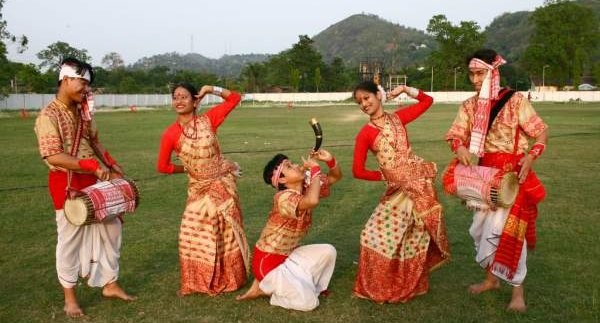
One of the most celebrated forms of Assamese folk music is Bihu songs, which are performed during the Bihu festival, marking the Assamese New Year and the beginning of the agricultural season. These songs are lively, rhythmic, and often accompanied by the dhol, pepa (a hornpipe made from buffalo horn), and taal (cymbals). Bihu songs express themes of love, joy, and youthful energy, capturing the spirit of spring and the deep connection between people and nature. 

Equally important in the musical tradition of Assam is Borgeet, a form of devotional song introduced by the saint-scholar Srimanta Sankardeva in the 15th century. Sung in praise of Lord Krishna, Borgeet forms the backbone of Assamese Vaishnavite culture. Performed in monasteries called Sattras, these songs are set to ragas but are distinct from classical music, carrying a simplicity that makes them accessible to common people while retaining their devotional depth. 

The tribal communities of Assam also contribute significantly to its folk music heritage. The Mising tribe, for instance, is known for Oi Nitom, songs that describe day-to-day life, love, and social customs. The Bodos, another major community, perform Bagurumba, a musical form often accompanied by graceful dances, showcasing their harmony with nature. Each tribe adds its own rhythm, instruments, and stories, enriching the musical landscape of the state. 

Another noteworthy tradition is Zikir and Zari, folk songs introduced by the Muslim saint Ajan Fakir in the 17th century. Zikir songs focus on spiritual teachings, human values, and devotion to God, while Zari songs are connected to the mourning rituals of Muharram. These musical forms highlight the composite culture of Assam, where different faiths and traditions coexist and influence each other. 

The instruments used in Assamese folk music are as distinctive as the songs themselves. The pepa, made from buffalo horn, produces a resonant sound that has become synonymous with Bihu celebrations. The dhol, with its powerful beats, provides the rhythmic backbone for many performances. Other instruments such as the gogona (a reed instrument), toka, and xutuli (a clay whistle shaped like a bird) bring variety and texture to the musical ensemble. 

Today, while modern music and digital platforms are popular among the youth, Assamese folk music continues to hold its ground. Festivals, community gatherings, and cultural programs across the state keep these traditions alive, while many contemporary artists incorporate folk elements into modern genres, ensuring their relevance in changing times. 

The folk music of Assam is more than just a form of entertainment—it is a living expression of the land’s history, spirituality, and collective identity. It binds communities together, passes wisdom across generations, and celebrates the rhythms of life in one of India’s most culturally vibrant states.

Tuesday, 25 March 2025

Folk Dances of Maharashtra: Types and Cultural Significance


Maharashtra, a state known for its rich cultural heritage, boasts a diverse range of folk dances that reflect the traditions, customs, and historical influences of the region. These folk dances are an integral part of religious festivals, social gatherings, and traditional celebrations. Each dance form carries its own significance, often depicting stories from mythology, daily life, or historical events.

Types of Folk Dances in Maharashtra

1. Lavani

Lavani is one of the most popular folk dances of Maharashtra. Known for its energetic rhythm and expressive movements, Lavani is performed primarily by women. It is often accompanied by the beats of the dholki and features elaborate costumes, including sarees draped in the traditional nauvari style. The dance is known for its powerful storytelling, covering themes ranging from social issues to romantic narratives. Traditionally, Lavani was performed in royal courts and later became a prominent feature in Marathi theater.


2. Tamasha

Tamasha is a folk theater form that incorporates dance, music, and drama. Originating in the rural areas of Maharashtra, Tamasha is performed by professional troupes, often traveling from village to village. The performances include a mix of humor, satire, and storytelling, usually depicting folk tales or historical events. The Lavani dance is a significant component of Tamasha, making it an engaging and entertaining performance. 

3. Koli Dance

The Koli dance is performed by the Koli community, who are traditionally fishermen. This dance form mimics the movements of fishing activities such as rowing boats and casting nets. Koli dance is characterized by synchronized movements, vibrant attire, and rhythmic beats. It is commonly performed during festivals and special occasions within the Koli community, showcasing their deep connection with the sea. 

4. Dindi

Dindi is a devotional folk dance performed during religious festivals, particularly in honor of Lord Vithoba. This dance is associated with the Pandharpur pilgrimage and involves rhythmic clapping, singing of bhajans, and playing of traditional instruments like the mridangam and cymbals. Devotees participate in Dindi as an expression of their faith and devotion. 

5. Lezim

Lezim is a vigorous and energetic dance performed with small cymbals called "lezim." It is commonly seen during processions and public celebrations. The dance involves synchronized movements and acrobatics, creating a visually striking performance. Lezim is also incorporated into physical education programs in Maharashtra due to its fitness benefits. 

6. Povada

Povada is a folk performance that narrates the heroic deeds of Chhatrapati Shivaji Maharaj. This dance is performed with dramatic expressions and powerful gestures to evoke patriotism and admiration for the legendary Maratha ruler. Povada is often presented during cultural events and historical commemorations. 

7. Gondhal

Gondhal is a ritualistic folk dance dedicated to deities like Goddess Renuka and Khandoba. It is performed during religious ceremonies, often by specialized groups known as Gondhali. The performance involves singing, storytelling, and rhythmic dance movements, accompanied by instruments like the tuntune and sambal. 

8. Dahikala or Govinda Dance

Dahikala, also known as the Govinda dance, is performed during Janmashtami celebrations. Inspired by the playful acts of Lord Krishna, the dance involves forming human pyramids to break an earthen pot filled with curd, symbolizing the mischief of Krishna and his companions. The performance requires teamwork, strength, and agility. 

Cultural Significance of Folk Dances in Maharashtra 

Preservation of Tradition and Heritage

Folk dances of Maharashtra play a crucial role in preserving the state's cultural heritage. These dances have been passed down through generations, maintaining the customs and traditions of different communities. They serve as a medium to educate younger generations about their cultural roots and history. 

Expression of Devotion and Spirituality 

Many folk dances in Maharashtra have religious significance. Dindi and Gondhal, for example, are performed as acts of devotion to deities. These dances create a spiritual atmosphere and bring people together in collective worship, strengthening their faith and community bonds. 

Entertainment and Social Bonding

Folk dances serve as a major source of entertainment in rural Maharashtra. Tamasha and Lavani, in particular, provide amusement and relaxation while also addressing social themes. These performances act as a platform for artists to showcase their talent and engage with audiences. 

Celebration of Festivals and Events

Most folk dances are associated with festivals and important social events. Koli dance is performed during fishing festivals, Dahikala during Janmashtami, and Povada on occasions celebrating Maratha history. These dances add vibrancy to celebrations and create a sense of unity among people. 

Promotion of Physical Fitness and Discipline

Folk dances such as Lezim are not only cultural expressions but also contribute to physical well-being. The energetic movements involved help in maintaining fitness and discipline, which is why Lezim is often included in school curriculums and military drills. 

Economic and Cultural Tourism Impact

Folk dances have become an essential part of Maharashtra’s cultural tourism. Many performances are organized to attract tourists, showcasing the state's rich traditions. This, in turn, provides livelihood opportunities to folk artists and promotes cultural exchange. 

Maharashtra's folk dances reflect the diverse traditions, beliefs, and lifestyles of its people. Each dance form holds unique cultural significance, whether in religious devotion, entertainment, or historical narration. As these traditional dance forms continue to be performed and adapted to modern platforms, they ensure the preservation and celebration of Maharashtra’s rich cultural heritage for future generations.

Thursday, 20 March 2025

Fatehpur Sikri: A Historical and Architectural Marvel

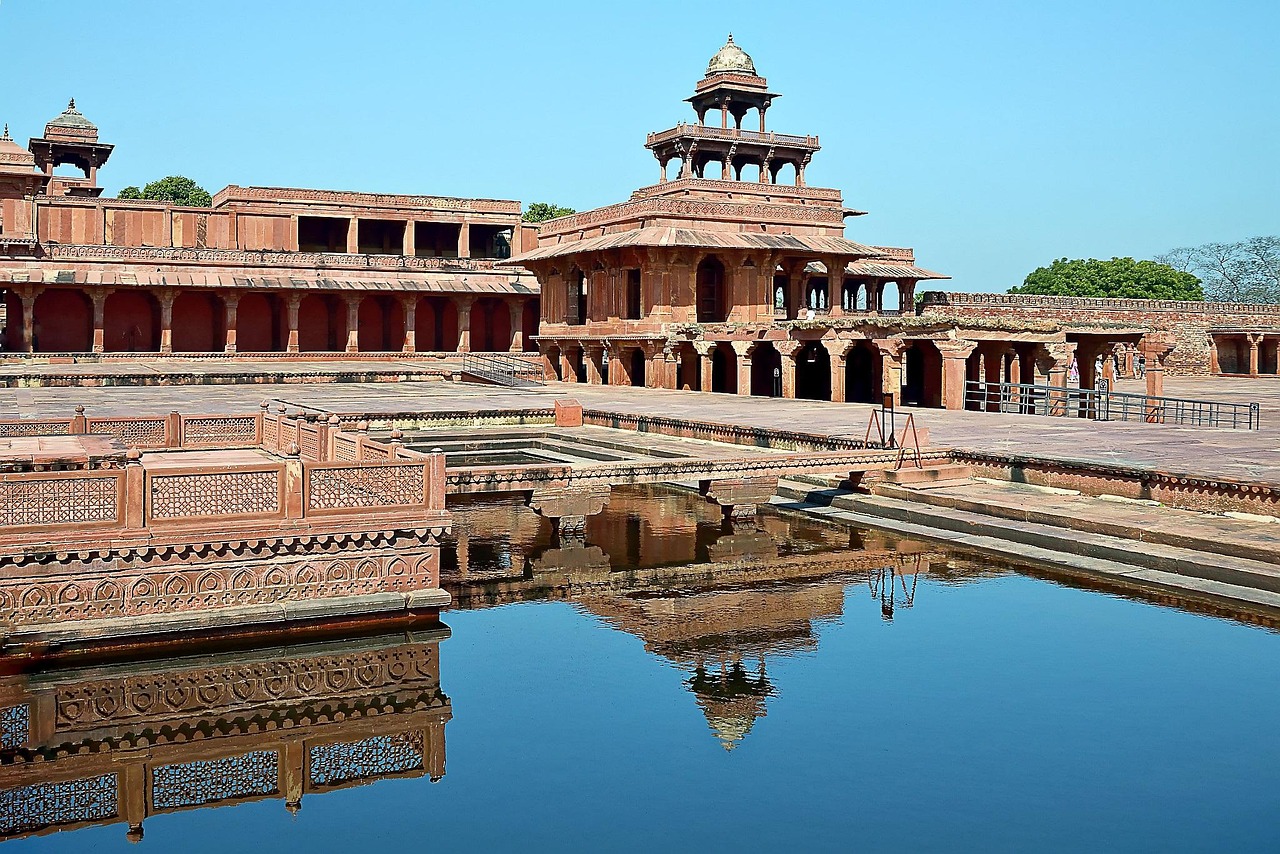
Fatehpur Sikri, a UNESCO World Heritage Site, stands as a remarkable example of Mughal architecture and urban planning. Located in Agra district, Uttar Pradesh, India, this historical city was founded by Emperor Akbar in 1569. It served as the Mughal capital from 1571 to 1585 before being abandoned due to water scarcity. Despite its short-lived prominence, Fatehpur Sikri remains an important cultural and architectural landmark, showcasing the grandeur of the Mughal Empire.


Historical Significance

The foundation of Fatehpur Sikri is closely linked to Akbar’s desire for an heir. The emperor visited the Sufi saint Sheikh Salim Chishti, who lived in the village of Sikri, seeking his blessings. When Akbar’s son, Prince Salim (later Emperor Jahangir), was born, he decided to establish a new city at Sikri in honor of the saint. The city was named Fatehpur Sikri, meaning the “City of Victory,” to commemorate Akbar’s military success in Gujarat. 

Fatehpur Sikri functioned as the political and administrative center of the Mughal Empire for nearly fifteen years. It was carefully planned with royal palaces, administrative buildings, religious structures, and public spaces. However, due to its inadequate water supply, the city was gradually abandoned, and the Mughal capital shifted back to Agra. Despite this, its architectural brilliance and historical importance have made it a significant heritage site. 

Architectural Features

Fatehpur Sikri reflects a blend of Persian, Indian, and Islamic architectural styles. The city is constructed primarily from red sandstone, which gives it a distinctive appearance. The structures exhibit intricate carvings, elaborate jali (lattice) screens, and expansive courtyards, demonstrating the advanced craftsmanship of the Mughal era. 

One of the most prominent structures is the Buland Darwaza, a 54-meter-high gateway built to celebrate Akbar’s victory in Gujarat. It serves as the main entrance to the complex and features Quranic inscriptions and geometric designs. The gateway exemplifies the grandeur and power of Mughal rule. 

Another significant monument is the Jama Masjid, one of the largest mosques of its time. It features a vast courtyard, arched entrances, and elegant domes. The mosque continues to serve as a place of worship. 

The Tomb of Sheikh Salim Chishti, situated within the mosque complex, is an exquisite white marble mausoleum. It is an important pilgrimage site, attracting visitors who seek blessings. The delicate marble lattice screens and intricate carvings make it a fine example of Mughal artistry.

Among the royal buildings, the Diwan-i-Khas (Hall of Private Audience) is notable for its central pillar, which supports a grand stone platform. This structure was used for discussions with Akbar’s advisors and reflects Persian and Indian architectural influences.

The Panch Mahal, a five-story palace, served as a recreational space for the royal women. Its open-pillared design allowed for natural ventilation, illustrating the architectural ingenuity of the period. 

Fatehpur Sikri reflects the vision and artistic excellence of the Mughal Empire. Though it was abandoned due to practical challenges, its historical and architectural significance endures. The site continues to attract scholars, historians, and tourists, offering a glimpse into India’s rich cultural heritage.

Thursday, 6 February 2025

Kathakali Dance


Kathakali is a classical dance-drama form originating from Kerala, India. It is known for its elaborate costumes, intricate facial expressions, and powerful movements. The performance in Kathakali is a highly disciplined art that integrates dance, drama, and music to narrate stories derived primarily from Hindu epics such as the Ramayana and the Mahabharata. 

Facial Expressions (Navarasas)

One of the defining elements of a Kathakali performance is its use of facial expressions, known as navarasas (nine emotions). These include: 

  • Sringara (love)
  • Hasya (humor)
  • Karuna (compassion)
  • Raudra (anger)
  • Veera (heroism)
  • Bhayanaka (fear)
  • Bibhatsa (disgust)
  • Adbhuta (wonder)
  • Shanta (peace) 

Performers undergo rigorous training to master these expressions, which are conveyed through eye movements, eyebrow gestures, and subtle facial changes. The ability to depict these emotions convincingly is essential for an effective performance. 

Body Movements and Gestures

Kathakali follows a structured movement system, integrating dynamic footwork, graceful hand gestures (mudras), and synchronized body postures. The kalasams (intricate footwork sequences) add rhythm and intensity to the performance. Each character in Kathakali follows a unique movement style:

  • Pachcha (green-faced characters): Represent noble and virtuous figures, moving with grace and dignity.
  • Kathi (knife characters): Denote villains and arrogant kings, displaying aggressive and forceful movements.
  • Thadi (bearded characters): Symbolize demons or uncivilized beings, characterized by exaggerated movements. 

Hand gestures (mudras) are used extensively to convey dialogues and emotions, making them an essential element of storytelling in Kathakali. 

Role of Music and Vocal Support

Music plays a crucial role in Kathakali, providing the rhythmic and melodic foundation for the performance. The orchestra consists of: 

  • Chenda (a cylindrical drum) – produces powerful beats to match the dramatic intensity.
  • Maddalam (another type of drum) – complements the rhythm and adds depth.
  • Edakka (a small drum) – used for softer and more delicate expressions.
  • Cymbals and conch – provide additional musical effects.
  • Vocalists (Bhagavathar) – narrate the story through songs composed in the traditional Sopanam style of Kerala music.

The synchronization between the dancer and musicians ensures the seamless flow of the performance. 

Costumes and Makeup

Costumes and makeup in Kathakali are elaborate and highly symbolic. Each character type has a distinct costume and facial paint. The makeup, known as chutti, is applied in layers to create bold and striking facial features, enhancing the expressions. The headgear and ornaments further distinguish the characters and add to the visual spectacle. 

A Kathakali performance is a culmination of disciplined training, expressive storytelling, and synchronized musical support. The art form demands precision in facial expressions, body movements, and rhythm to captivate the audience. Through its unique performance style, Kathakali continues to be a revered classical dance tradition that preserves the cultural heritage of India. 

Monday, 20 January 2025

Chheih Lam: A Traditional Dance of Mizoram


The northeastern state of Mizoram in India is known for its vibrant cultural heritage, and one of its most celebrated traditional dances is Chheih Lam. This dance form reflects the rich history and communal spirit of the Mizo people, offering insight into their way of life and cultural values. 

Chheih Lam traces its origins to the traditional practice of social gatherings in Mizoram, particularly around a place known as the Zawlbuk, a central meeting house in Mizo villages. During these gatherings, the community would engage in singing and dancing as a way to celebrate victories, mark important occasions, or simply enjoy fellowship. 

This dance became more structured and symbolic over time, incorporating rhythmic movements accompanied by melodious songs, often improvised to narrate the experiences of individuals or the community. Chheih Lam was traditionally performed at the conclusion of significant events, such as harvests or festivals, symbolizing joy and unity. 

The Performance

Chheih Lam is typically performed in a circle, with dancers moving gracefully to the rhythm of a traditional song called Chheih Hla, which is sung by a group of vocalists. The dancers sway and move their hands in harmony with the beat, often incorporating claps or gestures to emphasize specific parts of the song. 

Musical accompaniment is minimal but crucial, with traditional instruments such as the khuang (drum) and the rawchhem (bamboo flute) providing the rhythm. The lyrics of Chheih Hla often recount stories of bravery, romance, or significant events, making each performance unique and deeply personal to the community. 

Cultural Significance

Chheih Lam holds immense cultural importance in Mizoram. It is more than a form of entertainment; it serves as a means of preserving oral traditions and passing down stories through generations. The dance fosters a sense of togetherness, as participation is open to all members of the community, regardless of age or social status. 

The dance also reflects the Mizo philosophy of Tlawmngaihna, a code of selflessness and community service that forms the foundation of their way of life. Through the shared experience of Chheih Lam, participants and spectators alike are reminded of their collective identity and cultural roots. 

Modern Relevance

Although Chheih Lam originated as a traditional dance, it continues to hold relevance in modern Mizoram. It is a central feature of the Chapchar Kut, Mizoram's spring festival, and other cultural events. The dance is also performed at official celebrations and cultural exchange programs, symbolizing the enduring legacy of Mizo traditions. 

Efforts by cultural organizations and the government have further ensured the preservation and promotion of Chheih Lam. Schools and colleges in Mizoram often include this dance in their curriculum, encouraging younger generations to embrace their cultural heritage. 

Chheih Lam is a reflection of the rich cultural tapestry of folk dances of Mizoram, representing the community’s history, values, and traditions. Its enduring appeal lies in its ability to bring people together, creating a bridge between the past and the present. As Mizoram continues to evolve, Chheih Lam remains a cherished reminder of its cultural identity, celebrated by all who partake in its joyous rhythm. 

Saturday, 18 January 2025

Dadra: A Genre of Classical Music


Dadra is a traditional genre of Hindustani classical music that holds a unique place in India’s rich cultural and musical heritage. This genre originated in northern India, particularly in regions like Uttar Pradesh and Rajasthan, during the 19th century. Its name is derived from a town called Dadra, near Ghaziabad, where this form of music gained popularity. The development of Dadra coincided with the rise of semi-classical music, as it bridged the gap between classical and light music, making it more accessible to a broader audience.


Structure and Style

Dadra is characterized by its rhythmic cycle of six beats, known as "Dadra Tala," which provides a distinctive and pleasant tempo. The compositions are often lyrical and romantic, with a focus on themes like love, longing, and devotion. Traditionally performed in a lighter style compared to pure classical forms like Khayal or Dhrupad, Dadra blends technical intricacy with melodic simplicity. 

The genre allows for greater flexibility, making it a favorite choice for expressing nuanced emotions. Its lighter nature often made it suitable for informal gatherings and social occasions. Dadra compositions are usually sung in regional dialects such as Awadhi, Brij, and Bhojpuri, further adding to their cultural resonance. 

Cultural Significance

Dadra occupies an essential place in the repertoire of Indian semi-classical music. It served as a medium of artistic expression for courtesans during the Mughal and later colonial periods, who brought it to prominence through their performances. These renditions were often presented in intimate settings, such as salons and courts, contributing to the preservation of this art form. 

The genre’s appeal extends beyond its technical merits; it captures the essence of India’s regional diversity. By incorporating folk elements and relatable themes, Dadra resonates with audiences across linguistic and cultural divides. This quality has also made it a popular choice in Indian cinema and modern music. Several iconic playback singers, including Lata Mangeshkar and Kishore Kumar, have performed Dadra-inspired songs, blending its traditional charm with contemporary appeal. 

Decline and Revival Efforts

Like many traditional art forms, Dadra has faced challenges in recent decades. The rapid modernization of India’s music industry and the growing influence of Western genres have contributed to its decline. However, efforts to revive Dadra continue through the dedication of classical musicians and institutions. Renowned artists such as Girija Devi and Shobha Gurtu have played pivotal roles in preserving and promoting this genre on global stages. 

Cultural organizations and music festivals across India have also incorporated Dadra into their programs, ensuring its relevance to younger audiences. By presenting Dadra in innovative formats while retaining its core essence, these initiatives aim to keep the genre alive and thriving. 

Dadra reflects India’s rich and diverse heritage in Hindustani Classical Music. Its fusion of classical and folk elements, coupled with its emotive appeal, makes it an enduring and cherished art form. Through continued efforts in preservation and promotion, Dadra remains a symbol of India’s cultural vibrancy, connecting generations through the universal language of music.

Monday, 13 January 2025

Dance of Kali


Dance of Kali is a profound and symbolic representation of divine energy and cosmic rhythm in Indian culture. This dance form holds immense religious significance and embodies the essence of Goddess Kali, a revered deity in Hindu mythology. Known for its intensity and deeply spiritual undertones, the Dance of Kali is a vibrant expression of devotion, power, and transformation. 

Type of Dance

The Dance of Kali is categorized as a classical and ritualistic performance. It blends elements of Indian classical dance, including Bharatnatyam and Kathakali, with dramatic expressions and intricate footwork. The dance is often performed during religious ceremonies, particularly in temples dedicated to Goddess Kali. 

Central to this dance form is the portrayal of Goddess Kali’s attributes, such as her fierce demeanor and boundless energy. Dancers use exaggerated gestures, dramatic facial expressions, and powerful movements to symbolize her role as the destroyer of evil and protector of the universe. Traditional costumes, often including dark blue or black attire, and accessories like garlands of skulls or tridents, further enhance the visual impact of the performance. 

Religious Significance

The Dance of Kali is deeply rooted in Hindu religious traditions and spiritual beliefs. Goddess Kali is revered as the embodiment of Shakti, the feminine energy that governs creation, preservation, and destruction. Her dance is symbolic of the eternal cycles of life and death, chaos and order, and destruction leading to renewal. 

Performing the Dance of Kali is considered an act of devotion and surrender to divine will. It is believed that through this dance, devotees can invoke the blessings of Goddess Kali, seeking her guidance and protection against evil forces. The dance also serves as a medium to connect with the spiritual realm, fostering a sense of inner strength and transformation in both the performer and the audience. 

Cultural and Ritualistic Context

The Dance of Kali is often performed during festivals and special occasions dedicated to the goddess, such as Kali Puja and Navaratri. In these settings, the dance takes on a ceremonial character, accompanied by devotional music and chanting of mantras. The rhythmic beats of traditional instruments like the mridangam and dholak add a dynamic energy, creating an immersive experience for onlookers. 

In many regions of India, particularly in West Bengal and Kerala, the Dance of Kali is an integral part of local traditions. It reflects the community’s collective reverence for the goddess and serves as a reminder of the spiritual values she represents. 

The Dance of Kali is more than an art form; it is a powerful spiritual practice that celebrates the divine energy of Goddess Kali. Its intricate movements, dramatic expressions, and profound symbolism make it a unique blend of art, religion, and philosophy. For devotees, this dance form is a means to honor the goddess and seek her blessings, while for spectators, it offers a glimpse into the rich tapestry of Indian spiritual traditions. 

In its intensity and devotion, the Dance of Kali continues to inspire reverence and awe, standing as a testament to the enduring power of faith and cultural heritage.


Wednesday, 8 January 2025

Poets of Bengal


Bengali literature has a rich and storied tradition, deeply influenced by poets across various eras. The poetic evolution in Bengal reflects the cultural, philosophical, and socio-political changes over centuries. From ancient texts to modern expressions, Bengali poets have made invaluable contributions to the region's literary heritage. 

Ancient Bengali Poets

The origins of Bengali poetry can be traced back to the “Charyapada,” a collection of mystical songs composed between the 8th and 12th centuries. These verses, attributed to Buddhist poets such as Luipada, Kanhupa, and Shabarapada, are considered the earliest examples of Bengali literature. Their works were spiritual and allegorical, exploring themes of life, enlightenment, and liberation. 

The “Charyapada” set the foundation for Bengali poetry, blending lyrical beauty with profound philosophical insights. These poets played a crucial role in shaping the early linguistic structure of Bengali, influencing subsequent generations. 

Medieval Bengali Poets

The medieval period of Bengali poetry, spanning the 14th to 18th centuries, was marked by the rise of devotional and romantic literature. One of the most notable figures from this era is Vidyapati, whose Maithili compositions profoundly impacted Bengali Vaishnava poets. His influence is evident in the works of Chandidas, a celebrated Bengali poet who wrote extensively about divine love and human emotions. 

Chandidas' poetry focused on the relationship between Radha and Krishna, portraying it as a symbol of spiritual union. His verses were deeply rooted in the Bhakti movement, blending devotion with lyrical elegance. 

Another significant Bengali poet of this period was Alaol, a court poet in Arakan (modern-day Myanmar), whose works reflect Persian and Islamic influences. His “Padmavati,” a romantic epic, showcases his command over language and narrative depth. 

Modern Bengali Poets

The modern era of Bengali poetry, beginning in the 19th century, witnessed a renaissance in literary expression. Rabindranath Tagore, the first non-European to win the Nobel Prize in Literature, is undoubtedly the most influential modern Bengali poet. His poetry, characterized by its universal appeal, explored themes of love, nature, spirituality, and humanism. Tagore's “Gitanjali” remains a masterpiece, blending introspection with profound philosophical musings.

Following Tagore, Kazi Nazrul Islam emerged as a revolutionary poet. Known as the "Rebel Poet," Nazrul’s works were marked by themes of equality, freedom, and anti-colonialism. His poetry, such as “Bidrohi” (The Rebel), continues to inspire movements for justice and social change. 

The modernist movement in Bengali poetry was further enriched by poets like Jibanananda Das, whose works introduced a new dimension of introspection and imagery. His “Ruposhi Bangla” and “Banalata Sen” are celebrated for their evocative portrayal of Bengal's natural beauty and existential reflections. 

Legacy and Impact

From the spiritual undertones of ancient poets to the revolutionary zeal of modern creators, Bengali poets have profoundly shaped the literary and cultural identity of the region. Their works not only reflect the evolution of Bengali literature but also capture the essence of Bengal's history and ethos. This literary tradition continues to inspire and influence generations of writers, ensuring its enduring relevance in the global literary canon.

Monday, 23 December 2024

Bihu Songs or Bihu Geets


Bihu songs, or Bihu Geets, are an integral part of the Assamese culture, representing a vibrant tradition rooted in the history and customs of Assam. These songs play a vital role in the celebration of Bihu, one of the most important festivals of the region. The songs not only provide entertainment but also hold deep cultural, social, and emotional significance. 

Historical Origins of Bihu Songs

Bihu songs trace their origins to the ancient customs of Assam, where agricultural rituals were performed to mark the change of seasons. The festival of Bihu is celebrated three times a year: Rongali Bihu, Bhogali Bihu, and Kati Bihu, with Rongali Bihu being the most prominent. It marks the Assamese New Year and is associated with the spring season, a time for sowing crops. The songs sung during this festival celebrate the arrival of spring, the harvest, and the celebration of life. 

Bihu Geets or songs have been passed down through generations, originating in the rural heartlands of Assam, where they were traditionally sung by farmers and villagers during Bihu festivals. Over time, these songs evolved, incorporating elements of folk music and storytelling, and were performed with accompanying traditional dances. 

Cultural Significance of Bihu Songs

Bihu songs are deeply embedded in the cultural fabric of Assam and hold great social and emotional value. These songs celebrate various aspects of life, from love and romance to the rhythms of nature. They are typically composed in the Assamese language, often with lyrics that express the joy, sorrow, and hopes of the people. 

During the Bihu festival, groups of young men and women gather to sing these songs, which are accompanied by traditional instruments such as the dhol (drum), pepa (hornpipe), and the gogona (a reed instrument). The songs are not just for entertainment; they are a means of expressing cultural identity, community bonds, and shared experiences. The lyrics, which are often poetic and metaphorical, reflect the agricultural lifestyle, and the relationship between humans and nature. 

One of the key themes in Bihu songs is the celebration of love and romance, often expressed through playful exchanges between young men and women. These songs have a festive and celebratory tone, fostering a sense of unity and joy among the participants. However, they also reflect the challenges of rural life, with songs that address themes like longing, separation, and hope. 

Varieties of Bihu Songs

There are different types of Bihu songs, each associated with various aspects of the festival. The most common forms include: 

Borgeet: These are devotional songs sung in praise of Lord Krishna, performed during the Bihu celebrations. These songs are a blend of classical music and folk traditions. 

Xutuli Bihu Geet: These are songs performed during the Rongali Bihu, which typically involve male and female singers performing in a call-and-response manner. 

Khol Bihu Geet: These songs are performed with the khol (a traditional drum) and are typically sung by groups during the Bihu celebrations. 

Jhumur Geet: These songs are performed in the tea gardens of Assam and reflect the life and struggles of tea garden workers. 

Bihu songs or Bihu Geets are more than just music; they are an essential part of Assamese culture and heritage. They have played an important role in connecting generations, preserving the traditions of Assam, and celebrating the rhythms of life. Through their history, cultural significance, and various forms, Bihu songs continue to be a symbol of the rich traditions and lively spirit of Assam.

Saturday, 21 December 2024

Districts of South Tamil Nadu: A Gateway to Culture and Natural Splendor


South Tamil Nadu, with its rich history and cultural vibrancy, is home to a diverse array of districts, each offering unique contributions to the socio-economic and ecological fabric of the state. Spanning picturesque landscapes, bustling urban centers, and serene rural locales, these districts of South Tamil Nadu encapsulate the essence of Tamil heritage while paving the way for modern development.


Madurai: The Cultural Hub

Madurai, often called the "Athens of the East," is renowned for its ancient temples and vibrant traditions. The Meenakshi Amman Temple, an architectural marvel, serves as the heart of this city, drawing pilgrims and tourists from across the globe. Madurai’s bustling bazaars and thriving industries, particularly textiles and agriculture, underscore its economic importance.


Tirunelveli: The Land of Tamiraparani

Tirunelveli, situated along the banks of the Tamiraparani River, is celebrated for its natural beauty and spiritual significance. Known for the Nellaiappar Temple and Courtallam Falls, this district blends history and ecology seamlessly. Agriculture dominates the economy, with paddy and plantain cultivation being key contributors.


Thoothukudi: The Pearl City

Thoothukudi, or Tuticorin, is a prominent port city known for its rich maritime history and thriving salt pans. The district's economy is bolstered by industries such as shipping, fisheries, and agriculture. Thoothukudi also boasts historical sites like Our Lady of Snows Basilica, adding a spiritual dimension to its identity.


Virudhunagar: An Industrial Powerhouse

Virudhunagar is synonymous with trade and commerce, particularly in the matchstick and fireworks industries. This district, deeply rooted in entrepreneurial spirit, plays a vital role in Tamil Nadu's economy. The Aruppukottai region is also a notable center for cotton and oilseed production.


Ramanathapuram: A Coastal Jewel

Ramanathapuram, with its stunning coastline and historical significance, is best known for the sacred town of Rameswaram. The Pamban Bridge and the Ramanathaswamy Temple are key attractions, drawing devotees and tourists alike. Fishing and agriculture are the district's mainstays, supported by a growing focus on marine biodiversity conservation.


Sivaganga: A Heritage District

Sivaganga, famed for its palaces and temples, is steeped in history and tradition. The Chettinad region, part of this district, is renowned for its unique architecture, spicy cuisine, and entrepreneurial legacy. Sivaganga also contributes to the agricultural sector, particularly through its production of groundnuts and pulses.


Dindigul: The Land of Locks and Hills

Dindigul is celebrated for its craftsmanship in lock-making and its lush hill stations like Kodaikanal. The district's economy is bolstered by horticulture, floriculture, and tourism. Its verdant landscapes and cool climate make it a popular retreat for nature enthusiasts.


Kanyakumari: The Southern Tip

Kanyakumari, the southernmost district of India, is famed for its stunning sunrise and sunset vistas. The Vivekananda Rock Memorial and Thiruvalluvar Statue stand as symbols of cultural and philosophical heritage. With tourism, fishing, and agriculture forming its economic backbone, Kanyakumari plays a pivotal role in the state’s economy.


The districts of South Tamil Nadu reflect the region’s dynamic blend of tradition, innovation, and natural splendor. Each district, with its unique identity, contributes to the state’s cultural richness and economic progress, making South Tamil Nadu a treasure trove of opportunities and experiences.

Friday, 20 December 2024

Telugu Poets of India: Masters of Verses and Vision


Telugu, often hailed as the “Italian of the East,” boasts a literary tradition rich in history and cultural significance. Telugu poets have made immense contributions to Indian literature, creating works that resonate with timeless wisdom, beauty, and emotion. From classical to contemporary times, these poets have enriched not only Telugu literature but also the broader canvas of Indian literary heritage.


Nannaya Bhattarakudu: The First Telugu Poet

Nannaya Bhattarakudu, often referred to as "Adi Kavi" (the first poet), marked the dawn of Telugu literature. He undertook the monumental task of translating the Mahabharata into Telugu. His translation, however, extended beyond linguistic boundaries, blending Sanskrit elegance with native Telugu idioms. Nannaya's works laid the foundation for the Telugu poetic tradition, introducing a refined metrical structure and classical style. 

Tikkana and Errapragada: The Kavitrayam Trio

Continuing Nannaya's legacy, Tikkana and Errapragada completed the translation of the Mahabharata. Tikkana, known for his philosophical depth and lyrical prowess, brought a spiritual essence to his verses. Errapragada, often called "Errana," infused the work with creative originality. Together, they formed the Kavitrayam (Trinity of Poets), cementing the Mahabharata as a cultural cornerstone in Telugu literature. 

Srinatha: The Versatile Poet

Srinatha, a 15th-century poet, was celebrated for his mastery of Prabandha (narrative poetry). His works, such as Haravilasam and Palnati Veeracharitra, showcased his ability to weave mythological themes with local folklore, capturing the imagination of his audience. Srinatha’s lively descriptions and dramatic storytelling continue to influence Telugu poetry and drama. 

Krishnadevaraya: The Royal Poet

Krishnadevaraya, the illustrious Vijayanagara emperor, was an exceptional poet in his own right. His magnum opus, Amuktamalyada, narrates the story of the Tamil saint Andal with profound devotion and literary finesse. Krishnadevaraya's reign saw a golden age for Telugu literature, as he patronized numerous poets and scholars, fostering a vibrant literary environment. 

Gurajada Apparao: The Modern Voice

In the modern era, Gurajada Apparao brought a revolutionary shift to Telugu literature with his emphasis on social reform. His seminal work, Kanyasulkam, a play advocating women's rights and criticizing societal evils, remains a landmark in Indian drama. Gurajada’s call for “Desa Bhashalandu Telugu Lessa” (Telugu is the best among national languages) reflects his love for the language and its heritage. 

Sri Sri: The Progressive Poet

Srirangam Srinivasa Rao, popularly known as Sri Sri, pioneered the Navataram (New Age) movement in Telugu poetry. His anthology Maha Prastanam echoed the struggles of the common man, with themes of revolution and equality. Sri Sri's bold, free verse style broke away from traditional norms, inspiring generations of progressive poets. 

Contemporary Contributions

Modern Telugu poets such as Dasarathi Krishnamacharyulu and C. Narayana Reddy have continued to explore diverse themes, from nationalism to human emotions, showcasing the versatility of Telugu poetry in contemporary times. 

From the classical epics of Nannaya to the modern verses of Sri Sri, Telugu poets have left an indelible mark on Indian literature. Their works not only celebrate the beauty of the Telugu language but also offer profound insights into the human condition, making their contributions invaluable to India's rich literary tapestry.

Thursday, 12 September 2024

Embroidery of Himachal Pradesh

Himachal Pradesh, nestled in the lap of the Himalayas, is renowned not only for its scenic beauty but also for its rich cultural heritage. Among the various art forms that flourish in this region, embroidery holds a significant place. The embroidery of Himachal Pradesh is a testament to the intricate craftsmanship passed down through generations, reflecting the unique traditions and lifestyle of the region.


Historical Background

The art of embroidery in Himachal Pradesh has a deep-rooted history, dating back several centuries. It is believed that the craft was influenced by the diverse cultural exchanges that took place due to the state's strategic location along ancient trade routes. The embroidery techniques were initially practiced within households, primarily by women, who created beautiful pieces for personal use and religious purposes. Over time, the craft gained prominence and evolved into a significant aspect of the region's cultural identity. 

Distinctive Features

Himachali embroidery is characterized by its use of bright and vibrant colors, intricate patterns, and the incorporation of motifs inspired by nature. The most commonly used materials include wool, cotton, and silk threads, which are meticulously stitched onto fabrics like woolen shawls, caps, and traditional garments. The designs often depict elements such as flowers, birds, and geometric shapes, symbolizing the region's natural beauty and spiritual beliefs. 

The Chamba Rumal is one of the most famous embroidered products of Himachal Pradesh. Originating from the Chamba Valley, this square piece of cloth is adorned with fine needlework depicting scenes from Hindu mythology, daily life, and nature. The Chamba Rumal is not only a work of art but also a valuable cultural artifact, often exchanged as gifts during weddings and religious ceremonies. 

Another notable embroidery style is the Thangka embroidery, which involves the creation of religious scroll paintings. This form of embroidery is predominantly practiced by the Buddhist communities in the state and is known for its detailed depiction of deities and mandalas. The intricate needlework and the use of natural dyes make Thangka embroidery a revered art form, particularly in the monasteries of Himachal Pradesh. 

Usage and Contemporary Relevance

Embroidery in Himachal Pradesh continues to play a vital role in the lives of the local communities. Traditionally, embroidered items such as shawls, caps, and Cholis (blouses) are worn during festivals, weddings, and other significant events. These items are often passed down as family heirlooms, preserving the cultural heritage of the region. 

In recent years, there has been a renewed interest in Himachali embroidery, driven by both the preservation of traditional crafts and the growing demand for handmade and sustainable products. Artisans have adapted their skills to create contemporary designs that appeal to modern tastes while maintaining the authenticity of the craft. This has led to the introduction of embroidered home décor items, fashion accessories, and textiles in the market, both within India and internationally. 

The Himachal Pradesh government and various non-governmental organizations have also taken initiatives to promote and preserve this traditional craft. Training programs, exhibitions, and fairs are organized to provide artisans with a platform to showcase their work and connect with potential buyers. 

The embroidery of Himachal Pradesh is a vibrant representation of the state's cultural heritage. Its rich history, distinctive features, and continued relevance in contemporary times highlight the enduring significance of this craft. As efforts to preserve and promote Himachali embroidery continue, it remains a cherished art form that reflects the identity and traditions of the people of Himachal Pradesh.

Saturday, 31 August 2024

Crafts of Jharkhand


Jharkhand, a state in eastern India, is renowned for its rich cultural heritage, which is reflected in its diverse and vibrant crafts. These crafts are not only a means of livelihood for many artisans but also play a significant role in preserving the state’s cultural identity. The crafts of Jharkhand, rooted in ancient traditions, continue to thrive, showcasing the state's artistic excellence and contributing to its socio-economic development.


Types of Crafts

1. Bamboo and Cane Work: Bamboo and cane work are among the most prominent crafts of Jharkhand. Artisans skillfully weave bamboo and cane into a variety of items such as baskets, mats, furniture, and decorative pieces. These products are known for their durability and intricate designs. The craft is particularly prevalent in rural areas, where bamboo is readily available and has been used for generations. 

2. Dokra Metal Craft: Dokra is an ancient metal casting technique that uses the lost-wax process. Artisans in Jharkhand have mastered this craft, producing a range of items including figurines, jewelry, and utensils. Dokra metal craft is highly valued for its aesthetic appeal and intricate detailing. The craft is traditionally practiced by the Malhar and Tentri communities, who pass down their skills from one generation to the next. 

3. Pottery: Pottery is another significant craft in Jharkhand, with artisans producing both utilitarian and decorative items. The pottery of Jharkhand is characterized by its simplicity and earthy tones, reflecting the state's connection with nature. Clay pots, lamps, and terracotta figures are commonly made and used in everyday life as well as in religious and cultural ceremonies. 

4. Wood Carving: Jharkhand is known for its exquisite wood carving, which involves creating intricate designs on wooden objects. Artisans carve out a variety of items such as door panels, windows, furniture, and religious idols. The wood carving craft holds cultural significance, as it is often associated with religious and social customs. The skill is typically inherited and remains an important aspect of Jharkhand's cultural heritage. 

5. Textile Weaving: Textile weaving in Jharkhand is a traditional craft practiced mainly by tribal communities. The weavers produce a range of textiles, including sarees, shawls, and blankets, using handlooms. The fabrics are often adorned with traditional motifs and designs, reflecting the cultural and social aspects of the region. The craft not only provides employment to many but also helps preserve the unique textile heritage of Jharkhand. 

6. Needle Craft embroidery: Needle Craft embroidery, known as Kasida, is practised widely by women in Mithila homes. Embroidery was created out of the women's love of decoration in Bihar.

Cultural Significance

The crafts of Jharkhand are deeply intertwined with the state's cultural and social fabric. These crafts are not merely artistic expressions but also serve as a medium to preserve and convey the region’s traditions, beliefs, and way of life. Many of these crafts are used in religious ceremonies, festivals, and daily life, reinforcing their cultural relevance. 

Additionally, the crafts play a crucial role in the socio-economic development of the region. They provide livelihoods to numerous artisans, many of whom belong to marginalized communities. By promoting and preserving these crafts, Jharkhand ensures the continuity of its cultural heritage while also fostering economic growth. 

The crafts of Jharkhand represent a rich tapestry of artistic tradition, skill, and cultural heritage. From bamboo work to metal crafts, these traditional arts continue to thrive, embodying the spirit and identity of the state. As Jharkhand progresses, the preservation and promotion of these crafts remain essential in maintaining its cultural legacy and supporting the artisans who keep these traditions alive.

Wednesday, 24 April 2024

Animal Motifs in Mughal Art


Mughal art, renowned for its intricate beauty and rich symbolism, often incorporates animal motifs across various mediums. From paintings to metal crafts, architecture to inlay works, these motifs serve as powerful visual elements, carrying layers of meaning and cultural significance. Here, we explore the use of animal motifs in different forms of Mughal art. 

In Mughal Paintings

Animal motifs feature prominently in Mughal miniature paintings, reflecting the naturalistic tendencies of the Mughal artists. Tigers, elephants, deer, birds, and mythical creatures like the phoenix are commonly depicted. These animals are not only decorative elements but also convey symbolic meanings. Tigers, for instance, symbolize power and strength, often seen in hunting scenes or accompanying royal figures. Elephants symbolize royalty and prosperity, frequently depicted in processions or battles. 

Metal Crafts

Metal crafts, including exquisite gold and silver objects, often showcase animal motifs. These motifs adorn items such as daggers, jewelry, and decorative pieces. Lions, a symbol of courage and authority, are frequently found on sword hilts and shields, reflecting the martial prowess of the Mughal rulers. Peacocks, symbolizing beauty and elegance, are intricately crafted on jewelry and decorative objects, showcasing the artisans' skill in metalwork. 

In Mughal Architecture

Mughal architecture is renowned for its grandeur and intricate ornamentation, which includes a variety of animal motifs. One of the most famous examples is the use of the lotus motif, representing purity and divinity, in the design of the Taj Mahal. Animal motifs such as elephants, lions, and birds are also carved into the walls and facades of Mughal buildings, adding to their splendor and symbolism. 

In Inlay Works

Inlay works, known as pietra dura in Italian, were popularized during the Mughal era and often featured animal motifs alongside floral designs. These motifs were meticulously crafted using semi-precious stones such as lapis lazuli, jade, and turquoise. Birds, especially parrots and peacocks, were common motifs, symbolizing beauty and grace. Floral motifs featuring animals like deer and rabbits were also prevalent, reflecting the Mughal love for nature and gardens. 

Symbolism and Cultural Significance

Animal motifs in Mughal art were not merely decorative but held deep symbolic and cultural significance. They often conveyed the power, status, and aesthetic preferences of the rulers while also reflecting broader themes such as nature, royalty, and mythology. Additionally, the choice of animals varied depending on the context and patronage, with different rulers favoring certain motifs over others. 

The use of animal motifs in Mughal art showcases the intricate craftsmanship and symbolic richness of this artistic tradition. From paintings to metal crafts, architecture to inlay works, these motifs served as visual symbols that conveyed meanings ranging from power and royalty to beauty and divinity. Through their meticulous depiction, Mughal artists immortalized not only the animals themselves but also the cultural values and aspirations of their time.

Tuesday, 16 April 2024

Tribal Museum, Ahmedabad


Nestled within the bustling city of Ahmedabad lies a treasure trove often overlooked by the typical tourist itinerary - the Tribal Museum. Operated under the auspices of the Tribal Research and Training Institute, this institution serves as a beacon illuminating the rich tapestry of Gujarat's tribal life. Despite its relative obscurity, a visit to this museum offers a profound glimpse into the vibrant cultures, traditions, and livelihoods of the indigenous tribes inhabiting the state. 

The Tribal Museum stands as a testament to the enduring legacy of Gujarat's indigenous communities. Constructed in the likeness of traditional tribal dwellings, the museum provides visitors with a tangible immersion into the daily lives of these tribes. Each gallery within the museum meticulously showcases various aspects of tribal existence, from housing structures to attire, occupations, crafts, jewelry, and tools. 

As one traverses through the museum's galleries, a diverse tapestry of tribal life unfolds before their eyes. Each exhibit meticulously curated to encapsulate the unique identity of different tribal groups inhabiting the region. From the nomadic Bhil communities to the pastoral Rabari tribes, the museum offers a comprehensive overview of Gujarat's tribal mosaic. Photographs adorning the walls serve as poignant reminders of the rich cultural heritage passed down through generations. 

The genesis of the Tribal Museum can be traced back to the visionary endeavors of the Tribal Research and Training Institute, Ahmedabad. Established in 1962, the institute aimed to foster a deeper understanding and appreciation for tribal life and artistry among the populace. The museum emerged as a pivotal component of this overarching mission, serving as a conduit for cultural preservation and dissemination. 

Beyond its role as a repository of cultural artifacts, the Tribal Museum serves as an educational beacon, enlightening visitors about the intricacies of tribal existence. Through interactive exhibits and informative displays, visitors gain insights into the customs, traditions, and socioeconomic dynamics shaping tribal communities. Moreover, the museum's outreach programs aim to bridge the gap between urban and tribal populations, fostering mutual understanding and appreciation. 

Central to the ethos of the Tribal Museum is the preservation of Gujarat's rich cultural heritage. Through meticulous curation and conservation efforts, the museum endeavors to safeguard invaluable artifacts and traditions from the vagaries of time. By showcasing the resilience and creativity of tribal communities, the museum serves as a living testament to their enduring legacy. 

In the heart of Ahmedabad, amidst the hustle and bustle of urban life, lies a sanctuary of cultural heritage - the Tribal Museum. Far from being a mere repository of artifacts, this institution stands as a testament to the indomitable spirit of Gujarat's tribal communities and stands out among all other museums in Gujarat. Through its exhibits and educational endeavors, the museum not only celebrates the past but also fosters a deeper appreciation for the vibrant tapestry of tribal life. A visit to the Tribal Museum is not just a journey through history but a celebration of the enduring legacy of Gujarat's indigenous tribes.

Wednesday, 10 April 2024

Museums of Jaipur


Jaipur, the capital city of Rajasthan, India, is renowned for its rich cultural heritage and historical significance. Amidst its vibrant streets and majestic forts lies a treasure trove of knowledge and history housed within its numerous museums. From the grandeur of the City Palace Museum to the intricate exhibits of the Anokhi Museum, museums of Jaipur offer a glimpse into its glorious past and vibrant present. 

City Palace Museum

Nestled in the heart of the Pink City, the City Palace Museum stands as a testament to Jaipur's royal legacy. Built in the 18th century by Maharaja Sawai Jai Singh II, the museum houses a remarkable collection of artifacts belonging to the erstwhile royal family. Visitors can marvel at intricately designed textiles, exquisite weaponry, and ornate carriages that once adorned the courts of the Rajput kings. The museum's architecture itself is a sight to behold, with its blend of Rajput, Mughal, and European influences. 

Albert Hall Museum

Named after King Edward VII, the Albert Hall Museum is a masterpiece of Indo-Saracenic architecture. Built-in 1887, it was intended to be a public hall but was later converted into a museum. The museum boasts an extensive collection of artifacts, including sculptures, paintings, and decorative arts from across the globe. From Egyptian mummies to Chinese porcelain, visitors can embark on a journey through time and geography within its halls. 

Dolls Museum

For those with a penchant for the whimsical, the Dolls Museum in Jaipur offers a delightful experience. Home to a vast collection of dolls from various countries and cultures, the museum showcases the artistry and craftsmanship of doll-making traditions worldwide. Each doll tells a unique story, offering insights into different customs, costumes, and lifestyles from around the world. 

Anokhi Museum

Located in the quaint town of Amber, just a short distance from Jaipur, the Anokhi Museum celebrates the rich tradition of Indian textiles. Housed within a restored haveli, the museum showcases exquisite hand-block printed textiles dating back centuries. Visitors can witness the intricate process of block printing firsthand and learn about the evolution of this ancient craft. With its focus on sustainable practices and artisanal techniques, the Anokhi Museum is a testament to the enduring beauty of Indian textiles. 

Gyan Museum

Situated within the premises of the Gyan Ashram, the Gyan Museum is dedicated to the preservation of religious artifacts and spiritual teachings. The museum houses a diverse collection of objects related to Hinduism, Buddhism, Jainism, and Sikhism, including ancient scriptures, idols, and ritual objects. Visitors can immerse themselves in the spiritual heritage of India and gain a deeper understanding of its profound philosophical traditions. 

From royal treasures to cultural artifacts, Jaipur's museums offer a fascinating glimpse into the city's rich heritage, earning the spotlight among all other museums of Rajasthan. Whether exploring the opulent halls of the City Palace Museum or admiring the intricate craftsmanship at the Anokhi Museum, visitors are sure to be captivated by the diverse array of exhibits on display. As guardians of history and culture, these museums play a vital role in preserving Jaipur's legacy for generations to come.