Showing posts with label architecture. Show all posts

Thursday, 20 March 2025

Fatehpur Sikri: A Historical and Architectural Marvel

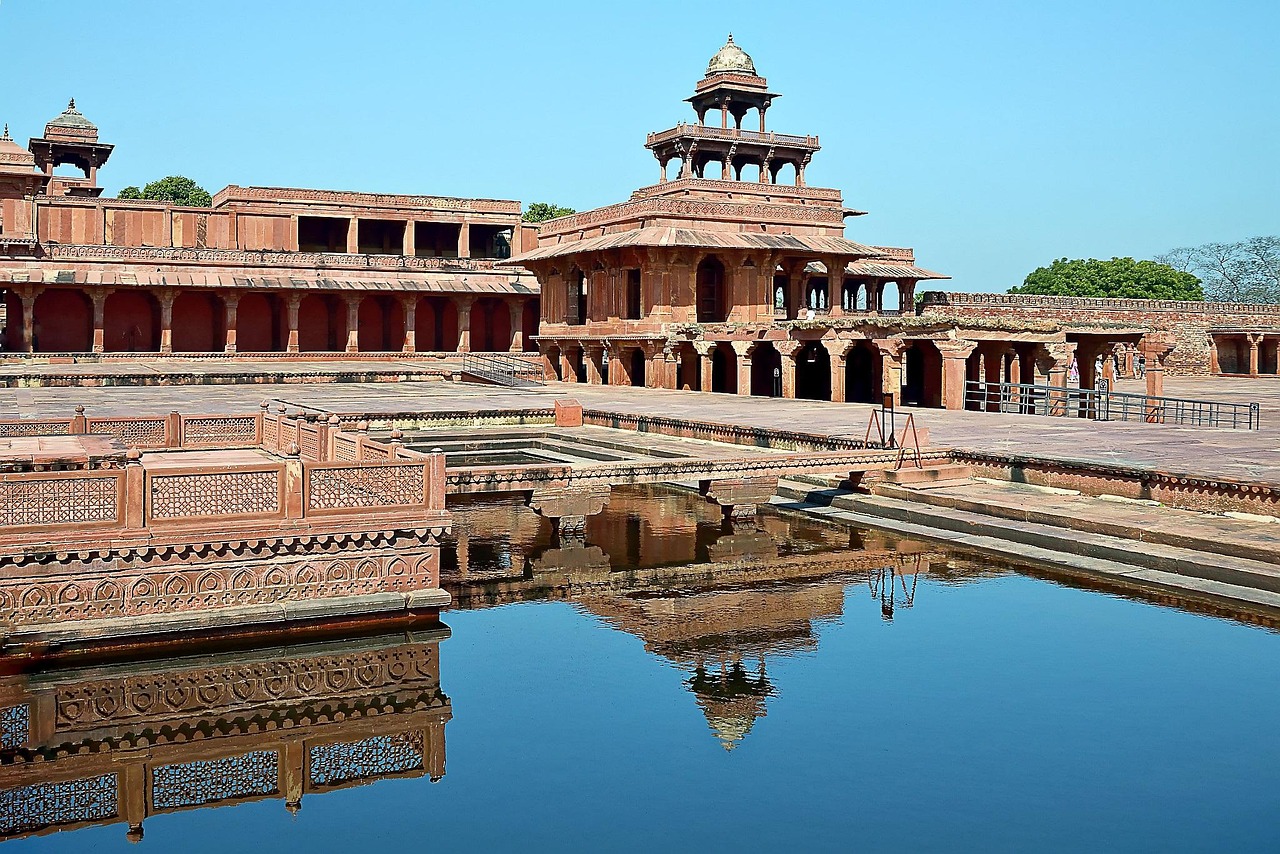
Fatehpur Sikri, a UNESCO World Heritage Site, stands as a remarkable example of Mughal architecture and urban planning. Located in Agra district, Uttar Pradesh, India, this historical city was founded by Emperor Akbar in 1569. It served as the Mughal capital from 1571 to 1585 before being abandoned due to water scarcity. Despite its short-lived prominence, Fatehpur Sikri remains an important cultural and architectural landmark, showcasing the grandeur of the Mughal Empire.


Historical Significance

The foundation of Fatehpur Sikri is closely linked to Akbar’s desire for an heir. The emperor visited the Sufi saint Sheikh Salim Chishti, who lived in the village of Sikri, seeking his blessings. When Akbar’s son, Prince Salim (later Emperor Jahangir), was born, he decided to establish a new city at Sikri in honor of the saint. The city was named Fatehpur Sikri, meaning the “City of Victory,” to commemorate Akbar’s military success in Gujarat. 

Fatehpur Sikri functioned as the political and administrative center of the Mughal Empire for nearly fifteen years. It was carefully planned with royal palaces, administrative buildings, religious structures, and public spaces. However, due to its inadequate water supply, the city was gradually abandoned, and the Mughal capital shifted back to Agra. Despite this, its architectural brilliance and historical importance have made it a significant heritage site. 

Architectural Features

Fatehpur Sikri reflects a blend of Persian, Indian, and Islamic architectural styles. The city is constructed primarily from red sandstone, which gives it a distinctive appearance. The structures exhibit intricate carvings, elaborate jali (lattice) screens, and expansive courtyards, demonstrating the advanced craftsmanship of the Mughal era. 

One of the most prominent structures is the Buland Darwaza, a 54-meter-high gateway built to celebrate Akbar’s victory in Gujarat. It serves as the main entrance to the complex and features Quranic inscriptions and geometric designs. The gateway exemplifies the grandeur and power of Mughal rule. 

Another significant monument is the Jama Masjid, one of the largest mosques of its time. It features a vast courtyard, arched entrances, and elegant domes. The mosque continues to serve as a place of worship. 

The Tomb of Sheikh Salim Chishti, situated within the mosque complex, is an exquisite white marble mausoleum. It is an important pilgrimage site, attracting visitors who seek blessings. The delicate marble lattice screens and intricate carvings make it a fine example of Mughal artistry.

Among the royal buildings, the Diwan-i-Khas (Hall of Private Audience) is notable for its central pillar, which supports a grand stone platform. This structure was used for discussions with Akbar’s advisors and reflects Persian and Indian architectural influences.

The Panch Mahal, a five-story palace, served as a recreational space for the royal women. Its open-pillared design allowed for natural ventilation, illustrating the architectural ingenuity of the period. 

Fatehpur Sikri reflects the vision and artistic excellence of the Mughal Empire. Though it was abandoned due to practical challenges, its historical and architectural significance endures. The site continues to attract scholars, historians, and tourists, offering a glimpse into India’s rich cultural heritage.

Tuesday, 18 March 2025

Agra Fort: An Exemplary Mughal Architecture

 Agra Fort, a UNESCO World Heritage Site, stands as a remarkable example of Mughal architecture and historical significance. Located in Agra, Uttar Pradesh, this formidable structure played a crucial role in India’s history as the main residence of the Mughal emperors until the capital shifted to Delhi. Built with red sandstone and incorporating influences from Persian, Timurid, and Indian architectural styles, the Agra fort remains a symbol of Mughal power and artistic excellence.


Historical Background

Agra Fort’s origin dates back to the 11th century when it was a brick fort under the control of the Rajput rulers. However, its transformation into the grand structure seen today began in 1565 under Emperor Akbar. Recognizing the strategic importance of Agra, he initiated the fort's reconstruction using red sandstone. Successive rulers, including Jahangir and Shah Jahan, made significant additions to the fort, incorporating elements of marble and intricate embellishments.

During Shah Jahan’s reign, Agra Fort also became a place of confinement. After being deposed by his son Aurangzeb, Shah Jahan spent his last years in the fort’s Musamman Burj, from where he could view the Taj Mahal, the mausoleum he had built for his wife Mumtaz Mahal. The fort also played a pivotal role in battles involving the Marathas and the British, marking its influence in India’s colonial history. 

Architectural Features

Agra Fort showcases a blend of military and artistic elements, reflecting the architectural evolution of the Mughal era. The fort spreads over 94 acres and has a semicircular shape, with walls rising to a height of 70 feet. It is surrounded by a deep moat for added security. 

Among its notable structures is the Delhi Gate, the grand entrance originally used for ceremonial purposes. The Amar Singh Gate serves as the main entry point today. Inside, the Diwan-i-Aam (Hall of Public Audience) and Diwan-i-Khas (Hall of Private Audience) highlight the Mughal emperors’ governance and diplomatic functions. The Jahangiri Mahal, built by Akbar, features a blend of Hindu and Islamic architectural styles, while the Khas Mahal and Sheesh Mahal constructed by Shah Jahan exhibit intricate marble work and mirror inlays. 

The Musamman Burj, a white marble tower, remains one of the most historically significant parts of the fort. It was in this tower that Shah Jahan spent his final days under house arrest. The Moti Masjid, or Pearl Mosque, further exemplifies Mughal craftsmanship, with its pristine white marble and serene ambiance. 

Cultural and Historical Significance

Agra Fort represents the zenith of Mughal architectural prowess and political dominance. This fort served as the heart of the empire, witnessing key historical events, including diplomatic visits and royal successions. Its strategic location near the Yamuna River provided both defensive advantages and aesthetic appeal. 

Today, Agra Fort stands as a major tourist attraction, drawing visitors who seek to explore its rich history and architectural splendor. Recognized as a UNESCO World Heritage Site in 1983, it continues to be a significant cultural landmark that reflects India’s historical grandeur and architectural excellence. 

Wednesday, 24 April 2024

Animal Motifs in Mughal Art


Mughal art, renowned for its intricate beauty and rich symbolism, often incorporates animal motifs across various mediums. From paintings to metal crafts, architecture to inlay works, these motifs serve as powerful visual elements, carrying layers of meaning and cultural significance. Here, we explore the use of animal motifs in different forms of Mughal art. 

In Mughal Paintings

Animal motifs feature prominently in Mughal miniature paintings, reflecting the naturalistic tendencies of the Mughal artists. Tigers, elephants, deer, birds, and mythical creatures like the phoenix are commonly depicted. These animals are not only decorative elements but also convey symbolic meanings. Tigers, for instance, symbolize power and strength, often seen in hunting scenes or accompanying royal figures. Elephants symbolize royalty and prosperity, frequently depicted in processions or battles. 

Metal Crafts

Metal crafts, including exquisite gold and silver objects, often showcase animal motifs. These motifs adorn items such as daggers, jewelry, and decorative pieces. Lions, a symbol of courage and authority, are frequently found on sword hilts and shields, reflecting the martial prowess of the Mughal rulers. Peacocks, symbolizing beauty and elegance, are intricately crafted on jewelry and decorative objects, showcasing the artisans' skill in metalwork. 

In Mughal Architecture

Mughal architecture is renowned for its grandeur and intricate ornamentation, which includes a variety of animal motifs. One of the most famous examples is the use of the lotus motif, representing purity and divinity, in the design of the Taj Mahal. Animal motifs such as elephants, lions, and birds are also carved into the walls and facades of Mughal buildings, adding to their splendor and symbolism. 

In Inlay Works

Inlay works, known as pietra dura in Italian, were popularized during the Mughal era and often featured animal motifs alongside floral designs. These motifs were meticulously crafted using semi-precious stones such as lapis lazuli, jade, and turquoise. Birds, especially parrots and peacocks, were common motifs, symbolizing beauty and grace. Floral motifs featuring animals like deer and rabbits were also prevalent, reflecting the Mughal love for nature and gardens. 

Symbolism and Cultural Significance

Animal motifs in Mughal art were not merely decorative but held deep symbolic and cultural significance. They often conveyed the power, status, and aesthetic preferences of the rulers while also reflecting broader themes such as nature, royalty, and mythology. Additionally, the choice of animals varied depending on the context and patronage, with different rulers favoring certain motifs over others. 

The use of animal motifs in Mughal art showcases the intricate craftsmanship and symbolic richness of this artistic tradition. From paintings to metal crafts, architecture to inlay works, these motifs served as visual symbols that conveyed meanings ranging from power and royalty to beauty and divinity. Through their meticulous depiction, Mughal artists immortalized not only the animals themselves but also the cultural values and aspirations of their time.

Tuesday, 9 April 2024

Sarnath Museum


Established in 1904 under the auspices of the Government of India, the Sarnath Museum stands as a testament to India's rich cultural heritage, particularly its profound Buddhist legacy. Located adjacent to the excavated site at Sarnath, Uttar Pradesh, this institution is more than just a repository of antiquities; it is a custodian of history, meticulously preserving and showcasing artifacts that date back centuries. 

The genesis of the Sarnath Museum can be traced back to 1904 when the Government initiated its construction, spearheaded by Sir John Marshall, the Director General of Archaeology in India, and designed by Mr. James Ramson, the consulting Architect to the Government of India. Completed in 1910, the museum's architectural layout, resembling half of a monastery (Sangharam), was intricately crafted to house, display, and study antiquities with precision. 

Comprising five galleries and two verandahs, the Sarnath Museum is a treasure trove of ancient artifacts excavated from the Sarnath site. Each gallery is adorned with a plethora of antiquities that offer a comprehensive portrayal of India's rich cultural tapestry. From Buddha and Bodhisattva images to architectural remnants, the museum encapsulates the essence of Buddhist art and heritage. 

Undoubtedly, the most significant exhibit in the museum is the iconic Lion Capital of Ashoka. Erected around 250 BCE atop an Ashoka Pillar at Sarnath, this sandstone marvel holds profound historical significance. Its depiction, serving as the National Emblem of India, symbolizes the nation's ethos, with the Ashoka Chakra adorning the center of the National Flag. 

Among the myriad Buddhist artifacts, visitors can behold a sculpture of the Buddha from the 5th century, exuding serenity in deep meditation. Additionally, the museum houses an array of Bodhisattva figures, including a life-size standing Bodhisattva and delicate renditions adorned with lotus motifs. Bronze sculptures portraying Bodhisattvas with multiple arms further enrich the collection, offering insights into the diverse expressions of Buddhist artistry. 

Beyond Buddhist relics, the museum encompasses artifacts spanning the Mauryan, Kushana, and Gupta periods. Noteworthy among these are the earliest Buddha image discovered at Sarnath and numerous sculptures depicting Hindu deities from the 9th to 12th centuries. Each artifact serves as a poignant reminder of the cultural amalgamation and artistic prowess that thrived during these epochs. 

Sarnath Museum is not merely a repository of antiquities but a custodian of India's cultural legacy. Through meticulous preservation and scholarly interpretation, it endeavors to unravel the mysteries of the past, standing out among all other museums of Uttar Pradesh. As visitors traverse its galleries, they embark on a journey through time, encountering the echoes of civilizations long gone yet eternally enshrined in the artifacts that grace its hallowed halls. 

The Sarnath Museum stands as a beacon of cultural heritage, offering a glimpse into India's rich past and the profound influence of Buddhism on its artistic and architectural landscape. Its exhibits, meticulously curated and preserved, serve as a testament to the enduring legacy of ancient civilizations and the timeless beauty of human creativity.

Wednesday, 6 March 2024

Indian War Memorial Museum


The Indian War Memorial Museum, situated in New Delhi, stands as a solemn testament to the sacrifices made by Indian soldiers throughout history. Established with the purpose of commemorating the valor and bravery of Indian armed forces, the museum serves as a repository of historical artifacts and records, preserving the memory of India's military heritage.


History:

The inception of the Indian War Memorial Museum dates back to the aftermath of World War I, when the need for a dedicated space to honor fallen soldiers and preserve war-related memorabilia became apparent. It was formally inaugurated in 1932 by Lord Irwin, the then Viceroy of India. Over the years, the museum has undergone several expansions and renovations to accommodate its growing collection and to enhance visitor experience. 

Architecture:

The museum's architecture exudes a sense of dignity and reverence befitting its purpose. Designed in a classical style, the building features imposing columns and grand facades, evoking a sense of solemnity. The interior is meticulously laid out, with spacious galleries and corridors providing ample room for exhibits and displays. The design emphasizes functionality and clarity, ensuring that visitors can navigate through the museum with ease while paying homage to the sacrifices of Indian soldiers. 

Collection:

The heart of the Indian War Memorial Museum lies in its extensive collection of artifacts, documents, and memorabilia related to India's military history. Exhibits are arranged chronologically, tracing the evolution of India's armed forces from ancient times to the present day. Visitors can explore displays showcasing weapons, uniforms, photographs, and personal belongings of soldiers, offering a glimpse into the lives and experiences of those who served their country with valor. 

One of the museum's notable highlights is its collection of war memorials and plaques, honoring the countless soldiers who laid down their lives in service to the nation. Each memorial serves as a poignant reminder of the sacrifices made by brave men and women in defense of freedom and sovereignty. 

Additionally, the museum houses a comprehensive archive containing historical documents, letters, and diaries, providing valuable insights into various military campaigns and battles fought by Indian soldiers over the centuries. Researchers and scholars have access to these resources, contributing to a deeper understanding of India's military heritage. 

Indian War Memorial Museum stands as a solemn tribute to the courage and sacrifice of Indian soldiers throughout history. With its rich collection, dignified architecture, and historical significance, it serves as a vital institution among all museums in Delhi for preserving and commemorating India's military legacy. Visitors to the museum are invited to reflect on the price of freedom and to honor the memory of those who gave their all in defense of their country.

City Palace Museum, Rajasthan


The City Palace Museum in Rajasthan stands as a testament to the rich cultural heritage and architectural splendor of the region. Located in the heart of the city of Jaipur, the capital of Rajasthan, this magnificent palace complex is a symbol of the erstwhile royal family's opulence and grandeur. Spanning centuries of history, the City Palace Museum offers visitors a glimpse into the royal lifestyle, architectural brilliance, and the cultural legacy of Rajasthan. 

The history of the City Palace dates back to the early 18th century when Maharaja Sawai Jai Singh II, the founder of Jaipur, commissioned its construction. Over the years, subsequent rulers made significant additions and modifications, resulting in a sprawling complex that showcases a blend of Rajput, Mughal, and European architectural styles. The palace served as the seat of the royal family and the administrative headquarters of the region for many years, making it a vital center of power and culture. 

One of the most striking features of the City Palace is its architectural design, characterized by intricate carvings, majestic courtyards, elegant pavilions, and ornate gateways. The palace complex comprises several buildings, including the Chandra Mahal, Mubarak Mahal, Diwan-i-Khas, Diwan-i-Aam, and the Maharani Palace. Each structure reflects the architectural prowess of its time and offers visitors a glimpse into the royal lifestyle and cultural heritage of Rajasthan. 

The Chandra Mahal, the most prominent building within the palace complex, serves as the residence of the current royal family. With its towering facades, exquisite frescoes, and elaborately decorated chambers, it stands as a testament to the grandeur of Rajput architecture. Visitors can explore the various rooms and galleries within the Chandra Mahal, each adorned with priceless artifacts, including paintings, textiles, weapons, and royal memorabilia. 

Adjacent to the Chandra Mahal is the Mubarak Mahal, which once served as a reception hall for royal guests. This architectural gem showcases a unique blend of Rajput and Mughal architectural styles, with its intricate marble work, delicate mirror work, and stunningly crafted ceilings. Today, the Mubarak Mahal houses a remarkable collection of textiles, including royal costumes, tapestries, and embroidered garments, offering visitors a glimpse into the rich textile tradition of Rajasthan. 

The Diwan-i-Khas and Diwan-i-Aam, or the Hall of Private and Public Audience, respectively, served as the royal courtrooms where the Maharajas held audiences with their subjects and dignitaries. These grand halls are adorned with exquisite marble work, ornate pillars, and intricately carved arches, reflecting the Mughal influence on Rajput architecture. Visitors can marvel at the intricate craftsmanship and architectural brilliance displayed in these historic chambers. 

The Maharani Palace, dedicated to the queens of the royal family, showcases a remarkable collection of artifacts, including jewelry, costumes, and personal belongings of the queens. The palace offers insights into the lives and contributions of the royal women of Rajasthan, highlighting their role in shaping the cultural and social fabric of the region. 

City Palace Museum in Rajasthan stands as a living testament to the rich cultural heritage, architectural brilliance, and royal legacy of the region. With its magnificent architecture, priceless collections, and historical significance, it remains a must-visit destination for anyone seeking to explore the grandeur and splendor of Rajasthan's royal past.

Friday, 1 March 2024

Indian Archaeological Museums


Indian Archaeological Museums play a pivotal role in preserving the rich cultural heritage of India, showcasing artifacts dating back thousands of years and providing invaluable insights into the country's illustrious past. Among the multitude of archaeological museums scattered across the length and breadth of India, several stand out for their exceptional collections and historical significance. 

The Indian Museum, located in Kolkata, is the oldest and largest museum in India. Established in 1814, it boasts a vast array of artifacts ranging from sculptures and coins to paintings and textiles. The museum's extensive collection provides a comprehensive overview of India's cultural evolution from ancient times to the present day. Notable highlights include the Gandhara Gallery, which houses exquisite sculptures from the Gandhara region, and the Egyptian Gallery, featuring mummies and artifacts from ancient Egypt. 

Situated near the sacred site of Sarnath in Uttar Pradesh, the Sarnath Museum is dedicated to preserving the relics of Buddhism found in the vicinity. The museum's collection includes various Buddhist sculptures, inscriptions, and artifacts excavated from Sarnath and its vicinity. Of particular significance is the famous Lion Capital of Ashoka, a symbol of India's national emblem, which originally adorned a pillar erected by Emperor Ashoka in the 3rd century BCE. 

In the heart of Madhya Pradesh lies the Sanchi Museum, adjacent to the UNESCO World Heritage Site of Sanchi Stupa. The museum showcases a remarkable collection of Buddhist art and artifacts, including intricately carved railing pillars, sculptures, and relics discovered during excavations at Sanchi and nearby sites. These artifacts provide valuable insights into the architectural and artistic achievements of ancient Indian civilization, particularly during the Maurya and Gupta periods. 

The National Museum, situated in New Delhi, serves as the premier institution for showcasing India's cultural heritage on a national scale. Established in 1949, it houses an extensive collection of artifacts representing various periods and civilizations in Indian history. From Indus Valley Civilization artifacts to medieval sculptures and Mughal paintings, the National Museum offers a comprehensive journey through India's past. Highlights include the Harappan Gallery, which displays artifacts from one of the world's oldest urban civilizations, and the Gallery of Traditional Indian Textiles, showcasing the rich textile traditions of India. 

Other notable archaeological museums in India include the Prince of Wales Museum in Mumbai (now known as the Chhatrapati Shivaji Maharaj Vastu Sangrahalaya), which features an eclectic collection of art and artifacts representing India's diverse cultural heritage, and the Government Museum in Chennai, renowned for its extensive collection of South Indian bronzes and Chola sculptures. 

Indian Archaeological Museums play a crucial role in preserving and showcasing India's rich cultural heritage. Through their vast collections of artifacts and archaeological discoveries, these museums offer visitors a glimpse into the ancient civilizations and artistic achievements that have shaped India's identity over millennia. From the iconic Indian Museum in Kolkata to the serene surroundings of the Sanchi Museum, each institution contributes to our understanding and appreciation of India's glorious past.

Tuesday, 12 December 2023

Tughlaqabad Fort


Tughlaqabad Fort, situated on the southern outskirts of Delhi, stands as a formidable testament to the rich history and architectural prowess of medieval India. Built in the 14th century by the founder of the Tughlaq dynasty, Ghiyas-ud-din Tughlaq, the fort encapsulates the strategic vision and ambitious undertakings of the rulers of that era.


Constructed in 1321, Tughlaqabad Fort served as a symbol of power and authority for the Tughlaq dynasty, which reigned over the Delhi Sultanate during a period marked by political turbulence and territorial expansion. The fort was strategically positioned atop a rocky hill to provide a commanding view of the surrounding landscape, allowing its rulers to assert dominance over the region. 

The architecture of Tughlaqabad Fort is characterized by its massive scale and imposing structure. The fortification spans an extensive area, encompassing walls that stretch over six kilometers in circumference. The fort's design reflects a pragmatic approach, with its walls constructed using large stones and fortified with bastions at regular intervals. The sheer scale of Tughlaqabad Fort is a testament to the military and defensive considerations that influenced its construction. 

One distinctive feature of the fort is its imposing entrance gate, known as the Tughlaqabad Darwaza. This monumental gateway is an architectural marvel, marked by its towering height and robust structure. The use of red sandstone, a prevalent building material during the medieval period, lends the gate a distinctive reddish hue that adds to its visual appeal. 

The interior of Tughlaqabad Fort comprises various structures and ruins that offer a glimpse into the grandeur of its heyday. The palace complex, situated within the fort, once housed the royal quarters and administrative offices of the Tughlaq rulers. Unfortunately, much of the palace has succumbed to the ravages of time, but remnants of its former architectural splendor are still discernible. 

Tughlaqabad Fort's strategic significance is highlighted by its innovative water management system, an engineering marvel of its time. The fort featured a unique rainwater harvesting system designed to channel and store rainwater for the fort's inhabitants. The remnants of these ancient water reservoirs and underground tunnels stand as a testament to the technological ingenuity employed in addressing the water needs of the sprawling fort. 

Despite its initial grandeur, Tughlaqabad Fort's history is marked by a relatively short period of prominence. Ghiyas-ud-din Tughlaq's ambitious vision for the fort as the new capital of the Delhi Sultanate faced logistical challenges and resistance from the local populace. The forced migration of the population to the new capital, coupled with the scarcity of resources, led to a decline in the fort's significance. 

Today, Tughlaqabad Fort stands as a silent witness to the passage of time, bearing the scars of history on its weathered walls. Its impressive architecture and historical significance attract visitors from far and wide, offering a tangible connection to Delhi's medieval past among all other monuments of Delhi. Preservation efforts are ongoing to safeguard the fort's heritage and ensure that future generations can continue to appreciate the architectural and historical legacy embodied by Tughlaqabad Fort.

Vishalgad Fort

Vishalgad Fort, nestled amidst the rugged terrains of Maharashtra, stands as a stoic witness to centuries of historical evolution and architectural prowess. This formidable fortress, located in the Kolhapur district, holds a pivotal place in India's rich history, reflecting the strategic importance it once held and the architectural ingenuity of its builders.


Historically, Vishalgad Fort played a crucial role in the Maratha Empire's expansion and consolidation during the 17th century. Constructed in the 16th century by Chhatrapati Shivaji Maharaj, the founder of the Maratha Empire, the fort served as a strategic stronghold against the rival Bijapur Sultanate. Its location atop a hill provided a commanding view of the surrounding landscape, allowing for effective surveillance and defense. The fort witnessed numerous battles and sieges, each leaving an indelible mark on its storied walls. 

The architecture of Vishalgad Fort is a testament to the military acumen of its creators. The fort's design incorporates a complex system of bastions, gates, and watchtowers, showcasing an astute understanding of defensive strategies. The massive stone walls, built with locally sourced materials, exemplify the engineering prowess of the time. The fort's layout is designed to maximize its defensive capabilities, with intricate arrangements of bastions providing overlapping fields of fire, making it a formidable obstacle for any invading force. 

One of the notable features of Vishalgad Fort is its well-preserved entrance, known as the 'Maha Darwaja' or the Great Gate. This imposing structure, flanked by bastions on either side, served as the primary entry point and played a crucial role in repelling enemy attacks. The architectural detailing on the gate reflects the artistic sensibilities of the period, with intricate carvings and embellishments adorning the stone facade. 

The fort also houses various structures that served as living quarters, granaries, and storage facilities. These structures, though austere in design, reflect the pragmatic approach adopted by the Marathas in optimizing space and resources. The water conservation system within the fort, including step wells and reservoirs, underscores the foresight of its builders in ensuring a sustainable water supply during times of siege. 

Vishalgad Fort's historical significance extends beyond its military importance. It served as a center for administrative and economic activities, contributing to the overall prosperity of the region. The fort's association with Chhatrapati Shivaji Maharaj, a visionary leader and strategist, adds to its historical allure. The tales of valor and resilience associated with Vishalgad Fort have become an integral part of Maharashtra's cultural and historical narrative. 

Vishalgad Fort stands as a monumental testament to India's rich history and architectural heritage among other monuments in Maharashtra. Its strategic significance in the Maratha Empire, coupled with its resilient design, highlights the military prowess of its builders. The fort's well-preserved structures and historical associations make it a compelling destination for history enthusiasts and tourists alike, offering a glimpse into a bygone era when fortresses like Vishalgad played a pivotal role in shaping the course of Indian history.

Monday, 11 December 2023

Historical Forts in South India


South India boasts a rich tapestry of history, with its landscapes adorned by a plethora of historical forts that stand as silent witnesses to the region's tumultuous past. Among these, Palakkad Fort in Kerala and Warangal Fort in Telangana emerge as venerable structures, each weaving tales of architectural prowess and historical significance.


Palakkad Fort, situated in the heart of Palakkad town in Kerala, is a testament to the strategic acumen of the rulers of the region. Constructed in 1766 by Haider Ali, the illustrious ruler of Mysore, the fort served as a key military installation. Its architectural design, characterized by strong bastions and imposing walls, reflects the military genius of the time. The fort changed hands multiple times, witnessing conflicts between the British, Tipu Sultan, and the Zamorin of Calicut during the 18th century. 

The historical significance of Palakkad Fort extends beyond its military role. It served as a hub for trade and commerce, fostering cultural exchanges between different communities. The fort's sturdy granite walls and intricate details showcase a blend of indigenous and European architectural styles, illustrating the cultural amalgamation that characterized the region during that era. Today, Palakkad Fort stands as a heritage site, drawing tourists and history enthusiasts alike, providing them a glimpse into the political and cultural landscape of 18th-century South India.


Moving to Telangana, Warangal Fort holds a distinctive position in the historical chronicles of the region. Originally built by the Kakatiya dynasty in the 13th century, the fort underwent expansions under successive rulers, including the Yadavas and the Bahmanis. The fort complex encompasses the Warangal Fort, the Khush Mahal, and the Ekashila Gutta, each contributing to the historical and architectural significance of the site. 

The Kakatiya rulers' penchant for grandeur is evident in the fort's architecture, marked by intricate carvings, massive gateways, and imposing walls. The iconic Thousand Pillar Temple within the fort complex stands as a testament to the artistic finesse of the time. The fort, besieged by the Delhi Sultanate in the 14th century, fell into ruins, but its remnants echo tales of a bygone era. 

Warangal Fort, with its historical importance, has become a pivotal tourist attraction among all other forts in Telangana. The site draws history enthusiasts, architects, and tourists keen on exploring the architectural marvels of medieval India. The fort's enduring legacy extends beyond its physical structures, acting as a repository of the region's political and cultural history. 

Both Palakkad Fort and Warangal Fort share common threads in their historical narratives. They are not just architectural marvels but also witnesses to the dynamic political landscape that shaped the history of South India. These forts, with their distinct architectural styles and historical footprints, contribute significantly to the cultural heritage of the region. Visiting these sites is akin to stepping back in time, allowing one to appreciate the resilience and ingenuity of the communities that once thrived in these historically charged environments.


Friday, 8 December 2023

Fort Treks in Pune District


Pune, a city steeped in history and cultural heritage, boasts an array of formidable forts that stand as testaments to its rich past. Among these historical monuments in Pune, Rajgad Fort and Shivneri Fort emerge as prominent landmarks, offering not only a glimpse into the historical narratives but also providing adventurous trekking opportunities for enthusiasts. In this article, we delve into the history, architecture, and trekking experiences that await those who embark on the journey to Rajgad and Shivneri Forts.


Rajgad Fort:

Rajgad Fort, also known as the "King of Forts," has a history dating back to the 17th century. Initially built by the Maratha warrior Chhatrapati Shivaji Maharaj in 1654, the fort underwent several modifications under his leadership. It served as the capital of the Maratha Empire for more than 25 years before being replaced by Raigad Fort. Rajgad witnessed crucial historical events, including the coronation of Shivaji Maharaj, making it a pivotal landmark in the Maratha history. 

The architectural grandeur of Rajgad Fort lies in its strategic design and sturdy construction. Perched atop the Sahyadri mountain range, the fort's layout incorporates three machis (plateaus) - Padmavati Machi, Suvela Machi, and Sanjevani Machi. The fortification is adorned with imposing gates such as the Pali Darwaza and Chor Darwaza, each holding tales of valor and defense strategies from the past. The Balekilla, the central citadel, stands as the epitome of Maratha military architecture, showcasing its impregnability.

Rajgad Fort beckons adventure enthusiasts with its challenging trekking trails. The trek to the fort takes approximately 3-4 hours, covering diverse terrain and captivating landscapes. Trekkers navigate through dense forests, rocky paths, and steep ascents, culminating in a breathtaking panoramic view from the fort's pinnacle. The trek is not just a physical endeavor but a journey through time, as one witnesses the remnants of historic structures and bastions along the way.


Shivneri Fort:

Situated approximately 90 kilometers from Pune, Shivneri Fort holds significance as the birthplace of the Maratha warrior king, Chhatrapati Shivaji Maharaj. Constructed during the 16th century, the fort served as a pivotal military stronghold for the Marathas. Shivneri played a crucial role in shaping the early years of Shivaji's life and political career, laying the foundation for the Maratha Empire.


Shivneri Fort boasts a robust architectural design characterized by its intricate fortifications and bastions. The fort is surrounded by seven gates, each with its unique historical relevance. The Kaman Darwaza, Shivaji Maharaj's birthplace, is a key attraction within the fort. The imposing structure of the fort reflects the military acumen of the Marathas, providing a glimpse into the engineering brilliance of the time. 

Trekking to Shivneri Fort is a rewarding experience for history enthusiasts and nature lovers alike. The trek offers a well-marked trail that weaves through lush greenery and ascends gradually, making it accessible to a wide range of trekkers. Upon reaching the fort's summit, trekkers are rewarded with panoramic views of the surrounding landscape and a sense of awe at standing on the grounds where Shivaji Maharaj spent his formative years.

Rajgad and Shivneri Forts in Pune District stand as living testimonials to Maharashtra's glorious history and architectural prowess. These forts not only narrate tales of valor and strategic brilliance but also provide trekking enthusiasts with an opportunity to immerse themselves in a journey through time. As visitors traverse the rugged terrains and explore the remnants of the past, they become part of the enduring legacy that these forts represent in the rich tapestry of India's history.

Wednesday, 6 December 2023

Fort William, Kolkata


Fort William, situated on the eastern bank of the Hooghly River in Kolkata, stands as a testament to the city's rich historical tapestry. Its origins can be traced back to the colonial era when the British East India Company sought to establish its dominance in the Indian subcontinent.


History:

The genesis of Fort William dates back to 1696 when the British East India Company, under the leadership of Job Charnock, initiated its construction. The primary purpose of the fort was to safeguard the interests of the Company and its trade in the region. Over the years, the fort underwent multiple phases of expansion and reconstruction, with the present structure taking shape in the 18th century. 

The fort played a pivotal role during the infamous Black Hole of Calcutta incident in 1756, where a significant number of British prisoners perished due to overcrowding. This incident fueled the resolve to fortify the structure further, resulting in the construction of the imposing Fort William we see today. The fort was named after King William III of England and became the nerve center of British military operations in India. 

Archaeology:

The architecture of Fort William is a fine specimen of military engineering from the colonial period. The fort covers an extensive area, encircled by a moat, and features a pentagonal shape. The walls, constructed with locally sourced bricks, are augmented by bastions at strategic points, providing a formidable defense. The Gate of Honor, the main entrance, is adorned with a massive coat of arms, showcasing the British imperial insignia. 

Within the fort, one finds structures like St. Peter's Church, built in 1828, which serves as a poignant reminder of the British presence in the region. The church, with its neoclassical architecture, stands in stark contrast to the military edifices, offering a glimpse into the multifaceted nature of Fort William. 

Present Status:

Today, Fort William serves as the headquarters of the Eastern Command of the Indian Army. While its military significance remains paramount, the fort has also become a symbol of the city's historical heritage. The area surrounding the fort has undergone urban development, and the Maidan, a vast open space adjacent to Fort William, is a popular recreational area for locals. 

The fort is not open to the general public due to its military functions, but the exterior remains an iconic landmark. The pristine white walls, punctuated by the Union Jack fluttering in the breeze, stand as a silent testimony to the colonial legacy embedded in Kolkata's urban landscape. 

In recent years, there have been efforts to preserve and showcase the historical significance of Fort William. Conservation projects have focused on maintaining the structural integrity of the fort while educating the public about its storied past. The fort occasionally hosts cultural events and military parades, allowing citizens a glimpse into its hallowed grounds. 

Fort William in Kolkata is more than just a military stronghold; it is a living chronicle of the city's history. From its colonial origins to its present-day role as a military headquarters, the fort encapsulates the ebb and flow of time. As Kolkata continues to evolve, Fort William remains a steadfast sentinel, silently guarding the memories of centuries gone by.

Metiabruz is an old neighbourhood area developed during the reign of the Nawab of Awadh- Wajid Ali Shah. This area is famous for Mughal cuisine and Imambara built in Lucknow style. Metiabruz is known as the "Second Lucknow" of India. The place has a rich history that dates back to the colonial era.

Mountain Forts in Pune

 The city of Pune, nestled in the Sahyadri mountain range of Maharashtra, India, boasts a rich history marked by the presence of numerous forts that served strategic, military, and administrative purposes and are counted among historically significant monuments in Maharashtra. Among these, Korigad Fort and Jivdhan Fort stand out as prominent examples of mountain forts, each with a unique history, distinctive architecture, and geographical significance.


Korigad Fort

Korigad Fort, also known as Koraigad, stands majestically at an altitude of 923 meters above sea level in the Western Ghats. The fort has a historical lineage dating back to the 15th century when it was built by the Bahmani Sultanate. Over the centuries, Korigad passed through the hands of various rulers, including the Marathas and the British. 

The architecture of Korigad Fort reflects a blend of strategic military design and utilitarian simplicity. The fort is renowned for its robust stone walls, bastions, and gates that were constructed to withstand the test of time. The bastions served both defensive and offensive purposes, allowing the garrison to guard against external threats and launch counterattacks when necessary. 

One notable feature of Korigad Fort is its large and well-preserved water tank, indicating the importance of water conservation and self-sustainability in the fort's design. The strategic placement of the fort on a hill provides panoramic views of the surrounding landscape, further enhancing its military significance. 

The location-based significance of Korigad Fort lies in its commanding view of the region, offering a vantage point for monitoring and controlling the trade routes and neighboring territories. This strategic advantage made Korigad a vital stronghold during different historical periods, contributing to its enduring importance in the annals of Pune's history.


Jivdhan Fort

Jivdhan Fort, situated in the Sahyadri range, is another notable mountain fort that holds a distinct place in the history of Pune. Believed to have been constructed in the 17th century by Shivaji Maharaj, the founder of the Maratha Empire, Jivdhan Fort served as a key military outpost. 

The architecture of Jivdhan Fort reflects the military acumen of the Marathas, characterized by sturdy stone walls, bastions, and strategically positioned watchtowers. The fort's design demonstrates an intricate understanding of terrain and defensive strategies, showcasing the engineering prowess of the Maratha rulers. 

Jivdhan Fort, like Korigad, is strategically located, offering panoramic views of the surrounding landscape. The fort played a crucial role in safeguarding the region and controlling access to vital trade routes. Its location also provided a natural advantage for surveillance and defense, making it a formidable stronghold against potential invaders. 

The mountain forts of Pune, exemplified by Korigad Fort and Jivdhan Fort, stand as testament to the region's rich historical legacy. The architecture of these forts reflects the military ingenuity of their builders, while their strategic locations underscore their importance in the defense and governance of the surrounding territories. As these forts continue to stand proudly amidst the Sahyadri range, they serve as tangible reminders of Pune's historical past, inviting visitors to explore the profound significance of these mountain strongholds.

Saturday, 2 December 2023

Oldest Forts in Maharashtra


Maharashtra, a state with a rich tapestry of historical landmarks, boasts several ancient forts that stand as silent witnesses to the passage of time. Among these, Daulatabad Fort and Tikona Fort hold a prominent place, showcasing the architectural prowess and strategic significance of forts in Maharashtra's history.


Daulatabad Fort:

Daulatabad Fort, located near Aurangabad, has a history that spans over seven centuries. Originally known as Devagiri Fort, it was built by the Yadav dynasty in the 12th century. However, its true historical significance emerged when it became the capital of the Tughlaq dynasty in the 14th century under the rule of Sultan Muhammad bin Tughlaq. The fort was renamed Daulatabad, meaning the "City of Prosperity." 

The strategic location of Daulatabad Fort played a crucial role in its historical importance. Perched atop a conical hill, the fort offered a natural advantage for defense, making it nearly impregnable. The fort's defenses included a complex series of gates, a formidable moat, and intricate tunnels. The engineering marvel of its time, Daulatabad Fort served as a stronghold for various dynasties, including the Bahmani Sultanate and the Nizam Shahi dynasty. 

One of the most noteworthy aspects of Daulatabad Fort is its transformation into a vault of treasures by Muhammad bin Tughlaq. The ambitious ruler moved his capital from Delhi to Daulatabad, causing immense hardship to the populace. The fort's underground chambers were used as storerooms for the royal wealth, further solidifying its historical significance.


Tikona Fort:

Situated in the Maval region, Tikona Fort, also known as Vitandgad, stands as a testament to the Maratha Empire's military prowess. Built during the Silhara dynasty's rule in the 8th century, Tikona Fort later came under the control of the Marathas during the reign of Chhatrapati Shivaji Maharaj. 

The name "Tikona" is derived from its triangular shape, which is a distinctive feature of the fort. This shape not only provided a unique architectural identity but also enhanced its defensive capabilities. Tikona Fort's strategic location allowed the Marathas to monitor the surrounding areas and served as a key outpost in the region. 

Under Chhatrapati Shivaji Maharaj's rule, Tikona Fort underwent significant enhancements to its fortifications. The imposing entrance, bastions, and ramparts were strengthened to withstand external threats. The fort played a crucial role in the Maratha-Mughal conflicts, showcasing its military significance. 

Daulatabad Fort and Tikona Fort stand as silent witnesses to the ebb and flow of Maharashtra's history. Their architectural brilliance, strategic locations, and historical transformations highlight the significance of not just forts but all monuments in Maharashtra in shaping the region's destiny. While Daulatabad Fort narrates tales of medieval dynasties and ambitious rulers, Tikona Fort exemplifies the military prowess of the Marathas. As these forts continue to weather the sands of time, they remain integral to Maharashtra's cultural and historical heritage, serving as a tangible link to a bygone era.

Friday, 1 December 2023

Famous Forts in Rajasthan


Rajasthan, the land of kings, is renowned for its rich history, cultural heritage, and magnificent architecture. Among the myriad forts that adorn this princely state, two stand out prominently – Junagarh Fort and Mehrangarh Fort. These formidable structures not only bear witness to the valorous past of Rajasthan but also showcase the architectural prowess of the bygone era.


Junagarh Fort, located in the heart of Bikaner, is a testament to the strategic acumen of its founder, Raja Rai Singh. Constructed in 1593, the fort is distinguished by its unique blend of Rajput and Mughal architectural styles. The fort's name, Junagarh, translates to "Old Fort," underscoring its age and historical significance. Over the centuries, the fort underwent numerous expansions and renovations, each phase contributing to its grandeur. 

The architecture of Junagarh Fort is marked by its strong defensive structures. The fort is surrounded by a moat, and its walls boast impressive bastions and gates. The palatial structures within the fort showcase intricate carvings, ornate balconies, and exquisite courtyards. Notable among these is the Anup Mahal, a splendid blend of red sandstone and white marble. The Phool Mahal, or the Flower Palace, is another gem within the fort, adorned with gold leaf and mirror work, reflecting the opulence of the royal courts.


Mehrangarh Fort, towering over the city of Jodhpur, is a colossal fortress that commands attention with its sheer size and imposing presence. Built by Rao Jodha in 1459, the fort sits atop a 125-meter high hill, offering panoramic views of the surrounding landscape. The fort's massive walls, some as high as 36 meters, serve as a testament to the military strength of the Rathore rulers. 

The architecture of Mehrangarh Fort is a masterpiece of Rajput military design. Its intricate lattice work, expansive courtyards, and finely detailed carvings showcase the finesse of the artisans of the time. The fort houses a museum that preserves an extensive collection of artifacts, including weapons, textiles, and paintings, providing a glimpse into the opulent lifestyle of the Rajput rulers. 

Both Junagarh Fort and Mehrangarh Fort have stood the test of time, witnessing the rise and fall of empires, battles, and changing dynasties. Their architectural brilliance not only serves as a testament to the engineering skills of the past but also reflects the cultural amalgamation that defines Rajasthan. 

Junagarh Fort and Mehrangarh Fort are not merely structures of historical significance but living witnesses to the grandeur of Rajasthan's past. As visitors explore their ramparts, courtyards, and palaces, they delve into a bygone era, appreciating the resilience and artistic prowess of the people who shaped the history of this majestic land. These forts, with their architectural grandeur and historical importance, remain iconic symbols of Rajasthan's enduring legacy.

Magnificent Forts in India

 India, a land steeped in a tapestry of cultures, traditions, and a history that spans millennia, is renowned for its splendid monuments that stand as silent witnesses to the passage of time. Among these architectural gems, forts in India have played a pivotal role, serving as bastions of power, centers of governance, and symbols of military might. Among these, the Golconda Fort and Gwalior Fort emerge as stalwarts, showcasing the historical and architectural grandeur that has defined the subcontinent for centuries.


Golconda Fort, situated in the city of Hyderabad, Telangana, is an imposing structure that dates back to the 12th century. Initially a mud fort, Golconda underwent extensive renovations under the reign of the Qutb Shahi dynasty, transforming into the formidable fortress it is today. The fort, perched atop a granite hill, served as a strategic military stronghold and a thriving trade center during its zenith. 

One of Golconda Fort's defining features is its acoustic architecture, particularly the renowned Fateh Darwaza or Victory Gate. Constructed in the 17th century, this gate is adorned with large metal spikes to thwart potential elephant attacks, a testament to the fort's military foresight. The clapping of hands at a certain point near the gate can be heard at the highest point of the fort, showcasing the ingenuity of ancient engineering. 

The intricate network of water supply systems, including ingenious hydraulic engineering, further highlights the fort's architectural prowess. Golconda's ingenious water supply system ensured a reliable water source during times of siege, contributing to its reputation as an impregnable fortress.


Moving northwards to Madhya Pradesh, the Gwalior Fort stands as a sentinel of history. Dominating the city's skyline, Gwalior Fort's roots trace back to the 8th century, evolving through different rulers, including the Tomars, Mughals, and Marathas. The fort's enduring appeal lies in its amalgamation of architectural styles, showcasing influences from various periods. 

One of the most iconic structures within Gwalior Fort is the Man Singh Palace, built during the rule of Raja Man Singh Tomar in the 15th century. This architectural gem exemplifies a blend of Hindu and Mughal architectural styles, with intricate carvings and ornate designs adorning its facades. The palace serves as a testament to the synthesis of diverse cultural influences that shaped India's architectural landscape. 

The Sas Bahu Temples, nestled within the fort complex, stand as a testament to the region's cultural and religious diversity. Built in the 9th century, these temples exemplify exquisite craftsmanship, featuring intricately carved pillars and delicate sculptures that reflect the artistic zenith of their time. 

Both Golconda Fort and Gwalior Fort share a common thread in their historical narrative—the ebb and flow of power, witnessed through various dynasties and rulers. Their architectural brilliance, a confluence of indigenous craftsmanship and external influences, encapsulates the essence of India's cultural evolution. 

Both Golconda Fort and Gwalior Fort stand as indomitable symbols of India's historical and architectural splendor. These formidable structures not only served as bastions of power but also as crucibles of cultural amalgamation. As custodians of time, these forts beckon visitors to delve into the annals of history, unraveling the tales of conquest, resilience, and the enduring spirit of a nation.

Friday, 24 November 2023

Historical Forts in Uttar Pradesh


Uttar Pradesh, the heartland of India, boasts a rich tapestry of historical monuments that bear witness to the region's storied past. Among these ancient monuments in Uttar Pradesh, forts stand as formidable sentinels, embodying the architectural prowess and strategic significance of bygone eras. Two such notable structures are the Jhansi Fort and the Ramnagar Fort, each playing a pivotal role in the historical chronicles of Uttar Pradesh.


Jhansi Fort, situated in the city of Jhansi, stands as an enduring testament to the valor and resilience of Rani Lakshmibai, the iconic queen of the Maratha-ruled princely state of Jhansi. Constructed in the 17th century by Raja Bir Singh Deo of Orchha, the fort's primary purpose was to serve as a stronghold against invasions. The robust architecture of Jhansi Fort reflects a blend of Hindu and Mughal influences, showcasing the military acumen of its builders. 

The fort's strategic location atop a hill provides a commanding view of the surrounding plains, facilitating effective defense strategies. Its sturdy walls, bastions, and gates served as formidable deterrents, deterring potential invaders. The architectural layout is characterized by a series of courtyards, palaces, and temples, illustrating the multifaceted nature of the fort as both a military stronghold and a residential complex. 

Jhansi Fort gained historical prominence during the Indian Rebellion of 1857, when Rani Lakshmibai, popularly known as the "Rani of Jhansi," led a valiant defense against the British East India Company. The fort's role in this pivotal episode solidifies its historical significance, symbolizing the struggle for independence and the indomitable spirit of the people.


Similarly, the Ramnagar Fort, located in Varanasi along the banks of the Ganges River, stands as a formidable edifice that mirrors the cultural and historical vibrancy of the region. Constructed in the 18th century by Maharaja Balwant Singh, the fort serves as the ancestral home of the Maharaja of Varanasi, housing a museum that showcases a diverse collection of artifacts and memorabilia. 

The architectural style of Ramnagar Fort is predominantly Mughal, with ornate carvings, grand gateways, and intricately designed courtyards. The fort's proximity to the Ganges River accentuates its aesthetic appeal, and the scenic location adds to its historical allure. The fort's defensive features, including bastions and cannons, attest to its original purpose as a military stronghold during turbulent times. 

Ramnagar Fort is also renowned for hosting the annual Ram Leela, a traditional theatrical performance depicting the life of Lord Rama. The fort becomes a cultural hub during this event, attracting visitors from far and wide. This cultural tradition not only adds to the fort's significance but also highlights its role as a custodian of cultural heritage in Uttar Pradesh. 

The historical forts of Uttar Pradesh, particularly Jhansi Fort and Ramnagar Fort, stand as architectural marvels that encapsulate the rich history and cultural diversity of the region. Jhansi Fort's association with the heroic resistance of Rani Lakshmibai and Ramnagar Fort's dual role as a military bastion and cultural hub contribute to their enduring significance. As custodians of the past, these forts invite visitors to explore the annals of history and appreciate the architectural grandeur that has withstood the test of time.

Early Trade Forts of Maharashtra

 Trade and commerce have played a pivotal role in shaping the history of Maharashtra, with the state being a significant hub for economic activities since ancient times. Among the numerous forts in Maharashtra that boasts of a rich history, Harihar Fort and Panhala Fort stand out as testaments to the region's rich trading history. These forts, strategically located and fortified, played a crucial role in facilitating trade and commerce during different periods of history.


Harihar Fort, situated in the Nashik district, holds a prominent place in the annals of Maharashtra's trade history. Believed to have been built during the Yadava dynasty, the fort later came under the control of the Bahamani Sultanate in the 15th century. However, it was during the reign of the Marathas that Harihar Fort gained strategic importance in the realm of trade. The fort, perched atop the rugged Sahyadri range, offered a vantage point for monitoring and controlling trade routes passing through the region. 

The significance of Harihar Fort in trade lay in its strategic location along the ancient trade routes connecting the Deccan plateau with the coastal regions. The fort served as a watchtower, enabling the Marathas to safeguard these routes against potential threats from rival kingdoms and invading forces. Its elevated position allowed for effective surveillance of the surrounding landscape, making it an integral part of the trade infrastructure in the region.


Panhala Fort, located in the Kolhapur district, is another fort that played a pivotal role in Maharashtra's trade history. Built during the 12th century, the fort underwent several modifications under the Bahamani and Adil Shahi dynasties. It later came under the control of the Marathas, becoming one of the major trade forts in the Deccan region. Panhala Fort was strategically positioned to oversee trade routes connecting the Konkan coast with the Deccan plateau. 

The significance of Panhala Fort in trade was amplified during the reign of the Maratha king Shivaji. Recognizing its strategic importance, Shivaji expanded and fortified the fort, making it a formidable stronghold. The fort served as a key center for trade activities, allowing the Marathas to control and regulate commerce passing through the Western Ghats. Its commanding position not only facilitated trade but also provided a military advantage, ensuring the security of the trade routes against external threats. 

Both Harihar Fort and Panhala Fort played crucial roles in Maharashtra's trade network, serving as integral components of the region's economic infrastructure. These forts not only facilitated trade but also contributed to the overall security and stability of the Deccan plateau. Their strategic locations allowed the Marathas to exert control over the movement of goods and people, safeguarding the economic interests of the region. 

The early trade forts of Maharashtra, exemplified by Harihar Fort and Panhala Fort, stand as silent witnesses to the region's rich trading history. These forts, perched atop the Western Ghats, played pivotal roles in overseeing and regulating trade routes, ensuring the economic prosperity and security of the Deccan plateau. As we delve into the historical significance of these forts, we gain a deeper understanding of the intricate relationship between trade, geography, and strategic fortifications in shaping the course of Maharashtra's history.

Thursday, 23 November 2023

Ancient Forts in Tamil Nadu

 Tamil Nadu, a state steeped in history and cultural heritage, boasts a rich tapestry of ancient forts that stand as silent witnesses to the bygone eras. Among these ancient monuments in Tamil Nadu, Vellore Fort and Gingee Fort emerge as prominent sentinels, narrating tales of valiance, strategic importance, and architectural prowess. This article aims to shed light on the historical significance of these formidable structures, elucidating their roles in shaping the socio-political landscape of Tamil Nadu.


Vellore Fort:

Vellore Fort, situated in the heart of Vellore city, stands as a testament to the strategic acumen of the rulers who constructed it. Believed to have been built during the 16th century by Chinna Bommi Nayak, a subordinate of the Vijayanagar Empire, the fort underwent several transformations under the Marathas and later the British. The fort's architecture seamlessly blends Dravidian and Indo-Saracenic styles, reflecting the cultural amalgamation that characterized the region during its construction. 

One of the pivotal events etched in the history of Vellore Fort is the notorious Vellore Mutiny of 1806. The fort served as a British stronghold, and discontent among the Indian soldiers stationed there erupted into a rebellion that left an indelible mark on the annals of Indian history. The incident triggered significant changes in the British military administration and highlighted the discontent simmering within the Indian ranks. 

The fort also housed the Jalakanteswarar Temple, an architectural marvel dedicated to Lord Shiva. The temple's intricate carvings and ornate sculptures showcase the artistic prowess prevalent during the Vijayanagar era. Vellore Fort, with its historical layers and cultural richness, stands as a reminder of the ebb and flow of power dynamics in Tamil Nadu.


Gingee Fort:

Gingee Fort, often referred to as the "Troy of the East," is a colossal fortress that sprawls across three hills in the district of Villupuram. With its roots tracing back to the Chola dynasty, Gingee Fort gained prominence under the rule of the Vijayanagar Empire and later passed into the hands of the Marathas, the Nayaks, and the Mughals. The fort's complex structure, perched atop the hills, served both military and strategic purposes. 

Gingee Fort is renowned for its impregnability, earning it the moniker "Senji," meaning the "unconquerable." Its intricate design incorporates citadels, granaries, temples, and royal residences, showcasing the architectural finesse of the builders. The fort also played a crucial role in the Carnatic Wars, serving as a stronghold for various dynasties vying for control over the region. 

Within the fortress walls stands the Kalyana Mahal, an elegant palace that served as a symbol of the Vijayanagar architectural grandeur. The granaries within the fort, known as the Chinna and Periya Kottai, further exemplify the military preparedness and administrative efficiency of the rulers who once held sway over Gingee. 

Vellore Fort and Gingee Fort, with their imposing structures and historical depth, epitomize the historical narrative of Tamil Nadu. These ancient forts not only served as bastions of power but also witnessed the ebb and flow of empires, rebellions, and cultural transformations. Today, they stand as poignant reminders of a bygone era, beckoning visitors to unravel the layers of history concealed within their formidable walls. As we delve into the past through the lens of these forts, we gain a profound understanding of the intricate tapestry that is Tamil Nadu's historical legacy.

Tuesday, 21 November 2023

Historical Forts in Karnataka


Karnataka, a state in southern India, boasts a rich tapestry of historical forts that bear witness to the region's turbulent past. Two prominent examples, Mirjan Fort and Bangalore Fort, stand as enduring testaments to the historical significance and architectural prowess of the bygone eras.


Mirjan Fort, located in the Uttara Kannada district, is a formidable structure that traces its roots back to the 16th century. Built by Queen Chennabhairadevi of Gersoppa, this coastal fort served as a strategic stronghold for the powerful Keladi Nayakas. The fort played a pivotal role in maritime trade and served as a bulwark against invading forces. 

The historical significance of Mirjan Fort is accentuated by its association with the Portuguese, who sought control over the coastal regions during the 16th century. The fort witnessed several battles, and its sturdy walls and bastions stood resolute against external threats. The strategic location of Mirjan Fort, nestled amidst lush greenery and flanked by the Aganashini River, added to its defensive capabilities. 

Architecturally, Mirjan Fort showcases a blend of indigenous and foreign influences. The fort's walls, constructed with laterite stones, stand as a testament to the engineering acumen of the builders. The intricate carvings adorning the pillars and arches within the fort reflect the artistic sensibilities of the time. The unique octagonal-shaped watchtower, known as the 'Chandragiri,' stands tall as a symbol of the fort's architectural ingenuity.


Moving to Bangalore, the capital city of Karnataka, the Bangalore Fort stands as an emblem of the city's historical evolution. Initially constructed by Kempe Gowda I, the founder of Bangalore, in the 16th century, the fort underwent significant modifications under the reign of Hyder Ali and later his son, Tipu Sultan, during the 18th century. 

The historical significance of Bangalore Fort is deeply intertwined with the Anglo-Mysore Wars, where it played a central role in the conflict between the British East India Company and the Kingdom of Mysore. The fort, strategically located in the heart of the city, witnessed numerous battles and changes in possession between the opposing forces. This makes it one of the significant monuments in Karnataka. However, modern Mysore owe its transformation to famous ruler in Nayaka Dynasty, Shivappa Nayaka.

Architecturally, Bangalore Fort reflects a confluence of indigenous and Islamic styles. The imposing Delhi Gate, constructed during Tipu Sultan's rule, features Islamic arches and ornate floral designs. The Ganesh Temple within the fort, dating back to the Kempe Gowda era, exemplifies the architectural diversity within the complex. The surviving remnants of the fort, including the bastions and the armory, provide glimpses into the military precision and planning that went into its construction. 

Mirjan Fort and Bangalore Fort stand as historical landmarks, each narrating a unique chapter in Karnataka's past. Mirjan Fort, with its maritime significance and architectural brilliance, showcases the resilience of the Keladi Nayakas against external pressures. Bangalore Fort, on the other hand, is a testament to the shifting tides of power during the tumultuous times of the Anglo-Mysore Wars. Both forts serve as invaluable links to Karnataka's history, providing a tangible connection to the events and people that shaped the region.