Showing posts with label art. Show all posts

Monday, 11 May 2026

Gondhal Dance: Maharashtra’s Sacred Folk Tradition of Devotion and Spiritual Energy

 Gondhal dance is one of the most significant ritualistic folk traditions of Maharashtra. Deeply rooted in devotion and spirituality, this vibrant performance art combines singing, dancing, storytelling, and religious worship. Unlike many folk dances that primarily serve as entertainment, Gondhal is performed as a sacred offering to the divine, particularly to goddesses such as Renuka, Bhavani, and Amba. Over the years, it has remained an integral part of Marathi cultural and religious life, especially during family ceremonies, temple festivals, and community gatherings.


The origins of Gondhal are believed to trace back to Karnataka. The term itself has an interesting linguistic history. It is said to have evolved from the Sanskrit word “gud,” meaning playful activity or indulgence in amusement. From “gud” emerged the Marathi word “Gundala,” which later transformed into “Gondhala.” Eventually, the performers of this art form came to be known as Gondhalis. Despite its cultural importance, the detailed history of the Gondhali community remains somewhat obscure and intertwined with mythology and oral traditions. 

Mythological Origins of Gondhal

The roots of Gondhal dance are closely associated with Hindu mythology. According to legend, the dance form originated with the warrior sage Parshuram. The story narrates that Parshuram defeated and beheaded the demon Betasur. He then stitched the demon’s head into a crown and fashioned a musical instrument from it. Filled with devotion to his mother, Goddess Renuka, Parshuram danced energetically to the sounds of thunderous rhythms and chants. This powerful performance became known as “Gondhal.” 

Even today, Gondhal is performed primarily to appease and honour Goddess Renuka, who is also worshipped as Bhavani or Amba in different regions. The ritual is considered sacred and is often conducted as part of vows, thanksgiving ceremonies, or important religious occasions. 

Ritualistic Nature and Performance Style

Gondhal is not merely a dance performance but a community ritual accompanied by a small puja dedicated to the goddess. The performance usually takes place at night and involves a troupe of singers, dancers, and musicians. The atmosphere created during the ritual is deeply spiritual and emotionally charged. 

The performers wear brightly coloured costumes and heavy ornaments that add grandeur to the performance. The troupe leader, known as the nayak, wears a decorative turban adorned with zari work and a gold pendant. The dancers move with remarkable energy and rhythm, often carrying flaming torches that they toss skillfully in the air. These dynamic movements create a dramatic visual effect and intensify the spiritual atmosphere of the gathering. 

Spiritual Experience and Community Participation

One of the most fascinating aspects of Gondhal is the collective spiritual experience it creates. The energetic music, repetitive rhythms, and circular movements generate a sense of unity among participants. In some ways, Gondhal resembles the whirling practices of Sufism, where dancers enter a trance-like state in pursuit of divine connection. 

During the ritual, men in the audience often begin spinning continuously, while women participate by loosening their hair and rotating their necks rhythmically, symbolically inviting the deity into their being. This shared experience transforms the gathering into an act of communal devotion and spiritual surrender. 

Gondhal dance stands as a remarkable example of India’s rich ritualistic folk heritage. Combining mythology, devotion, music, and movement, it continues to preserve the spiritual and cultural traditions of Maharashtra. More than a performance, Gondhal remains a living expression of faith that connects communities with their divine beliefs and ancestral roots.

Friday, 24 April 2026

Beyond the Lens: The Evolution and Discourse of Nude Photography in India

 Nude photography in India occupies a complex and often contested space, shaped by cultural traditions, legal frameworks, and evolving artistic expression. While the human form has been celebrated in Indian art for centuries, contemporary nude photography continues to provoke debate, oscillating between acceptance as fine art and criticism on moral or social grounds. This duality reflects broader tensions within Indian society as it negotiates modernity and tradition.


Historical and Cultural Context

The depiction of the human body in India is not a modern phenomenon. Ancient temple sculptures, miniature paintings, and classical art forms have long portrayed nudity as a symbol of divinity, fertility, and aesthetic beauty. These representations were not viewed through a lens of obscenity but rather as integral to spiritual and artistic narratives. However, colonial influences introduced more conservative attitudes toward nudity, reframing it within stricter moral codes that continue to influence public perception today. 

Artistic Expression and Contemporary Practice

In modern India, nude photography has emerged as a legitimate form of artistic exploration. Photographers use the medium to study form, texture, identity, and vulnerability, often challenging societal norms and encouraging dialogue. For many artists, the nude is not merely about physical exposure but about storytelling—addressing themes such as body positivity, gender identity, and human emotion. 

Despite this, practitioners frequently face challenges, including censorship, limited exhibition opportunities, and public backlash. Art galleries and independent platforms have played a crucial role in providing spaces for such work, though acceptance remains uneven across regions and communities. 

Legal and Ethical Considerations

The legal framework governing nude photography in India is nuanced. Laws addressing obscenity often lack clear definitions, leading to subjective interpretations. What may be considered artistic expression by one authority could be deemed inappropriate by another. As a result, photographers must navigate a delicate balance between creative freedom and legal compliance. 

Ethical considerations are equally significant. Issues of consent, representation, and exploitation are central to the practice. Responsible photographers prioritize transparency, respect, and collaboration with their subjects, ensuring that the work aligns with both artistic intent and ethical standards. 

Societal Perception and Media Influence

Public perception of nude photography in India is deeply influenced by media representation and social attitudes. While urban and younger audiences may exhibit greater openness, conservative views still dominate in many parts of the country. Social media has further complicated this landscape, offering both visibility and vulnerability. Platforms can amplify artistic work but also expose it to misinterpretation or harassment. 

At the same time, conversations around body positivity and self-expression are gradually reshaping attitudes. Increasingly, artists and audiences are engaging with nude photography as a means of challenging unrealistic beauty standards and promoting inclusivity. 

Nude photography in India stands at the intersection of art, culture, and controversy. Its evolution reflects broader societal shifts, highlighting the ongoing negotiation between tradition and modernity. As dialogues around artistic freedom and personal expression continue to grow, nude photography has the potential to move beyond stigma and be recognized for its aesthetic and conceptual depth.

Thursday, 23 April 2026

Alienation and Identity in Arun Joshi’s “The Foreigner”

 The Foreigner is a seminal work by Arun Joshi, first published in 1968. Widely regarded as a landmark in Indian English literature, the novel delves into themes of existential alienation, identity crisis, and the search for meaning in a rapidly changing world. Through its introspective narrative and psychologically complex protagonist, Joshi presents a compelling exploration of the modern individual’s inner turmoil.


Plot Overview

The narrative centers on Sindi Oberoi, a young man of mixed heritage who feels disconnected from both his Indian roots and Western upbringing. Orphaned at an early age and raised abroad, Sindi grows up with a persistent sense of rootlessness. His journey takes him from the United States to India, where he attempts to find belonging and purpose. 

In India, Sindi becomes associated with a small circle of acquaintances, including Babu Rao, Mr. Khemka, and the idealistic June Blyth. Despite forming these relationships, he remains emotionally detached and unable to commit himself meaningfully to others. A tragic turn of events, particularly involving June, forces Sindi to confront the consequences of his indifference. Ultimately, he is left grappling with guilt and the realization that detachment has led to moral emptiness. 

Themes of Alienation and Identity

One of the central themes of The Foreigner is alienation. Sindi’s sense of being a “foreigner” is not limited to geography but extends to his psychological and emotional state. He is unable to identify fully with any culture or community, which leaves him perpetually isolated. This alienation reflects broader existential concerns, resonating with the experiences of individuals in a globalized yet fragmented world. 

The question of identity is intricately linked to this alienation. Sindi’s struggle is not merely about finding a place in society but about understanding his own self. His journey highlights the conflict between detachment and involvement, suggesting that true identity emerges only through meaningful engagement with life. 

Existential Undertones

Joshi’s narrative is deeply influenced by existential philosophy. Sindi’s detachment mirrors the existentialist idea of absurdity and the individual’s struggle to find purpose in an indifferent universe. However, the novel also critiques excessive detachment, portraying it as a barrier to authentic living. Through Sindi’s eventual realization, Joshi underscores the importance of responsibility and emotional connection. 

Style and Narrative Technique

The novel is written in the first person, allowing readers direct access to Sindi’s thoughts and reflections. Joshi’s prose is marked by simplicity and clarity, yet it carries profound philosophical depth. The introspective tone enhances the psychological realism of the narrative, making Sindi’s internal conflicts both relatable and poignant. 

The Foreigner remains a significant contribution to Indian English fiction, offering a nuanced portrayal of alienation and self-discovery. Arun Joshi’s exploration of existential dilemmas continues to resonate with contemporary readers. The novel ultimately suggests that while detachment may shield individuals from pain, it also deprives them of the richness of human experience, making engagement and responsibility essential to a meaningful life.

Monday, 20 April 2026

Rhythms of Heritage: Exploring the Folk Dances of Nagaland

 Nagaland, a culturally vibrant state in northeastern India, is home to a rich tapestry of indigenous traditions and tribal identities. Among its most expressive cultural forms are folk dances, which serve as a living repository of history, beliefs, and social values. Performed during festivals, rituals, and community gatherings, these dances are not merely artistic expressions but also reflections of the socio-cultural fabric of the Naga tribes.


Cultural Significance of Folk Dances

Folk dances in Nagaland are deeply intertwined with the everyday life and traditions of its people. Each dance narrates stories of valor, agricultural practices, courtship, and spiritual beliefs. These performances often mark important occasions such as harvest festivals, warrior commemorations, and seasonal celebrations. Through rhythmic movements and symbolic gestures, the dances reinforce communal bonds and preserve oral traditions that have been passed down through generations. 

Prominent Folk Dances of Nagaland 

War Dances

War dances are among the most striking forms of Naga folk traditions. Performed primarily by male dancers, these dances depict the bravery, discipline, and martial skills of warriors. Characterized by vigorous movements, synchronized steps, and loud chants, war dances recreate scenes of battle and victory. Dancers often wear traditional attire adorned with feathers, headgear, and weapons, enhancing the dramatic effect of the performance. 

Zeliang Dance

The Zeliang dance is performed by the Zeliang tribe and is typically associated with festivals and celebratory occasions. This dance emphasizes unity and harmony, with participants moving in coordinated patterns. The rhythmic beats of drums and the melodic tunes of indigenous instruments accompany the dancers, creating a vibrant and engaging atmosphere. 

Chang Lo (Sua Lua) Dance

The Chang Lo dance, also known as Sua Lua, is performed by the Chang tribe to celebrate victory over enemies. It is traditionally staged during the Naknyulem festival. The dance involves both men and women, who form circles and perform rhythmic steps while singing folk songs. The performance reflects themes of triumph, gratitude, and communal pride. 

Kuki Dance 

The Kuki dance is another significant folk form, marked by graceful movements and vibrant costumes. It is performed during festivals and social gatherings, often symbolizing joy and celebration. The dancers exhibit fluid coordination, accompanied by traditional music that enhances the aesthetic appeal of the performance. 

Costumes and Musical Elements

The visual appeal of Naga folk dances is greatly enhanced by traditional costumes and musical instruments. Dancers wear intricately designed shawls, bead necklaces, and distinctive headgear that signify tribal identity and status. Musical accompaniment typically includes drums, bamboo instruments, and indigenous wind instruments, which provide rhythm and depth to the performances. The combination of attire and music creates a multisensory cultural experience. 

Preservation and Contemporary Relevance

In recent years, efforts have been made to preserve and promote the folk dances of Nagaland. Cultural festivals, such as the Hornbill Festival, provide a platform for showcasing these traditional art forms to a wider audience. Despite the influence of modernization, these dances continue to hold relevance as symbols of identity and heritage. They also contribute to cultural tourism and foster a sense of pride among the younger generation. 

Folk dances of Nagaland represent a dynamic blend of tradition, history, and artistic expression. They are not only performances but also vital cultural practices that sustain the identity of various Naga tribes. As these dances continue to evolve while retaining their essence, they remain an enduring testament to the rich cultural heritage of the region.

Thursday, 2 April 2026

Goff Dance of Goa: A Symbol of Unity and Cultural Heritage

 The cultural landscape of Goa is widely known for its rich traditions, vibrant festivals, and diverse folk art forms. Among its distinctive cultural expressions is the Goff Dance, a visually striking and symbolic folk performance that reflects community unity and artistic coordination. Traditionally performed by members of the Kunbi community, the dance forms an important part of local celebrations and festive gatherings. Characterized by colorful ropes, rhythmic movements, and coordinated teamwork, the Goff Dance stands as a unique representation of Goan folk heritage.


Historical and Cultural Background

The Goff Dance is closely associated with the indigenous Kunbi community of Goa. The Kunbis are considered one of the earliest settlers in the region, and many of their cultural practices have been preserved through folk traditions like this dance. Historically, the dance has been performed during religious and community festivals, especially during celebrations connected with local deities and agricultural cycles. 

The dance not only serves as entertainment but also symbolizes harmony and collective effort. The interweaving of ropes during the performance represents unity within the community. Through generations, this dance form has been passed down as an important cultural practice that strengthens social bonds and preserves traditional values. 

Performance Style and Technique

A defining feature of the Goff Dance is the use of brightly colored ropes tied to a central pole or structure. Each dancer holds a rope and moves rhythmically around the pole, carefully weaving the ropes into complex patterns. As the dance progresses, the performers create visually appealing braided designs through coordinated movements. 

The choreography requires precision and teamwork. Every dancer must maintain rhythm and follow the sequence of steps accurately to ensure that the ropes intertwine correctly. Toward the end of the performance, the dancers skillfully reverse their movements to untangle the ropes, restoring them to their original form without disrupting the rhythm of the dance. 

Music plays an important role in guiding the performance. Traditional Goan folk instruments and rhythmic beats accompany the dance, helping the performers maintain synchronization. The lively music adds energy and excitement to the overall presentation. 

Costumes and Visual Appeal

The dancers performing the Goff Dance typically wear traditional attire associated with the Kunbi community. Women often wear the distinctive Kunbi sari, characterized by bright colors and simple patterns, while men may wear traditional dhotis and headgear. 

The colorful ropes used in the dance enhance its visual appeal, creating intricate patterns as the dancers move around the pole. When viewed from above, the woven ropes resemble decorative braids or floral designs, making the performance both culturally meaningful and aesthetically impressive. 

Cultural Significance Today

Today, the Goff Dance continues to be performed during festivals, cultural programs, and tourism events in Goa. Cultural organizations and local communities actively promote the dance as part of efforts to preserve traditional folk arts

Beyond entertainment, the dance represents the values of cooperation, discipline, and unity. Its continued performance helps keep the cultural identity of the Kunbi community alive while introducing audiences to one of Goa’s most distinctive folk traditions. 

The Goff Dance is more than a traditional performance; it is a cultural symbol that embodies the spirit of community, artistry, and heritage in Goa. Through its intricate rope patterns and synchronized movements, the dance continues to celebrate the enduring richness of Goan folk culture.

Friday, 12 September 2025

Folk Music of Assam


Assam, often called the gateway to Northeast India, is not only known for its lush tea gardens and vibrant festivals but also for its rich tradition of folk music. Rooted in the everyday lives of the people, Assamese folk music is a reflection of the state’s cultural diversity, spiritual practices, and agricultural lifestyle. It brings together influences from indigenous tribes, ancient rituals, and devotional traditions, weaving a soundscape that is both unique and timeless. 

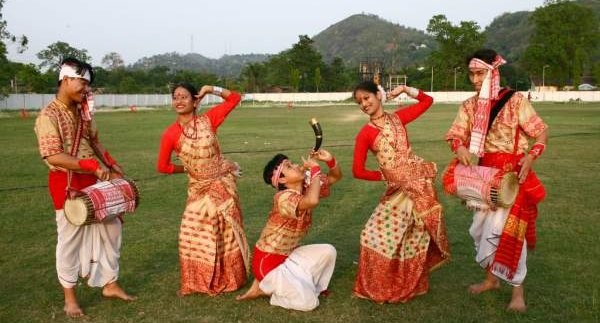
One of the most celebrated forms of Assamese folk music is Bihu songs, which are performed during the Bihu festival, marking the Assamese New Year and the beginning of the agricultural season. These songs are lively, rhythmic, and often accompanied by the dhol, pepa (a hornpipe made from buffalo horn), and taal (cymbals). Bihu songs express themes of love, joy, and youthful energy, capturing the spirit of spring and the deep connection between people and nature. 

Equally important in the musical tradition of Assam is Borgeet, a form of devotional song introduced by the saint-scholar Srimanta Sankardeva in the 15th century. Sung in praise of Lord Krishna, Borgeet forms the backbone of Assamese Vaishnavite culture. Performed in monasteries called Sattras, these songs are set to ragas but are distinct from classical music, carrying a simplicity that makes them accessible to common people while retaining their devotional depth. 

The tribal communities of Assam also contribute significantly to its folk music heritage. The Mising tribe, for instance, is known for Oi Nitom, songs that describe day-to-day life, love, and social customs. The Bodos, another major community, perform Bagurumba, a musical form often accompanied by graceful dances, showcasing their harmony with nature. Each tribe adds its own rhythm, instruments, and stories, enriching the musical landscape of the state. 

Another noteworthy tradition is Zikir and Zari, folk songs introduced by the Muslim saint Ajan Fakir in the 17th century. Zikir songs focus on spiritual teachings, human values, and devotion to God, while Zari songs are connected to the mourning rituals of Muharram. These musical forms highlight the composite culture of Assam, where different faiths and traditions coexist and influence each other. 

The instruments used in Assamese folk music are as distinctive as the songs themselves. The pepa, made from buffalo horn, produces a resonant sound that has become synonymous with Bihu celebrations. The dhol, with its powerful beats, provides the rhythmic backbone for many performances. Other instruments such as the gogona (a reed instrument), toka, and xutuli (a clay whistle shaped like a bird) bring variety and texture to the musical ensemble. 

Today, while modern music and digital platforms are popular among the youth, Assamese folk music continues to hold its ground. Festivals, community gatherings, and cultural programs across the state keep these traditions alive, while many contemporary artists incorporate folk elements into modern genres, ensuring their relevance in changing times. 

The folk music of Assam is more than just a form of entertainment—it is a living expression of the land’s history, spirituality, and collective identity. It binds communities together, passes wisdom across generations, and celebrates the rhythms of life in one of India’s most culturally vibrant states.

Monday, 24 March 2025

Panthi Dance

Panthi Dance is a significant traditional folk dance of Chhattisgarh, India. Recognized for its high energy, rhythmic beats, and cultural relevance, it is performed during festivals and community gatherings. Panthi dance form is a blend of movement, music, and storytelling, deeply rooted in the tribal traditions of the region.


Characteristics of Panthi Dance

Panthi Dance is distinguished by its energetic and dynamic movements, reflecting the enthusiasm and spirit of the performers. The dancers wear vibrant traditional costumes adorned with intricate patterns, adding a visual appeal to the performance. The music accompanying the dance consists of rhythmic beats produced by traditional instruments such as drums and flutes, enhancing the overall experience. 

Ancient Roots

The origins of Panthi Dance can be traced back to ancient times in Chhattisgarh. It has been performed for centuries and remains an integral part of local customs and traditions. The dance was historically associated with tribal communities, who used it as a form of worship and celebration. 

Connection with Tribal Culture

Panthi Dance is closely linked to the tribal culture of Chhattisgarh. It is primarily performed by the Gond and Baiga tribes, who have a long-standing tradition of narrating stories through dance. This art form serves as a medium to express their cultural beliefs and heritage. 

Cultural Celebration

Panthi Dance plays a central role in various cultural festivals in Chhattisgarh. It serves as a means of bringing communities together, reinforcing a sense of unity and shared heritage. The dance reflects the joyous spirit of the people and keeps traditional practices alive. 

Dance as Storytelling

One of the defining features of Panthi Dance is its role as a storytelling medium. Performers enact folklore, myths, and historical narratives through their movements and facial expressions. These performances depict tales of gods, heroes, and legendary figures, providing both entertainment and education to the audience. 

Preparation of Dance Performance

Before the performance, dancers prepare by wearing traditional costumes and applying colorful makeup. Their attire is often decorated with intricate designs, enhancing the visual appeal. Musicians set the stage with traditional instruments, creating an energetic atmosphere for the performance. 

Sequence of Dance Steps

The dance typically begins in a circular or semicircular formation. The performers move in sync with the rhythmic beats of drums, incorporating a series of steps, jumps, and turns. Hand gestures and body movements convey emotions and dramatize the performance, making it engaging for the audience. 

Traditional vs. Modern Performance

Originally confined to village celebrations, Panthi Dance has now gained recognition in urban areas and cultural festivals. While modern performances may introduce new elements, efforts are made to preserve the traditional essence of the dance. 

Preservation of Tradition

Cultural organizations and local communities are actively involved in preserving Panthi Dance. Workshops, fairs, and educational initiatives ensure that the knowledge of this folk art is passed down to younger generations. 

Challenges and Opportunities

A major challenge for Panthi Dance is maintaining its traditional integrity while adapting to contemporary influences. However, this also presents an opportunity to modernize the folk dance of Chhattisgarh while staying true to its roots. 

Promoting Cultural Awareness

Greater awareness and exposure can ensure the longevity of Panthi Dance. Educational programs, cultural exchanges, and media representation can help in sustaining this traditional folk art for future generations.

Friday, 21 February 2025

History of Indian Temples: Evolution of Temple Architecture Through Ages


The history of Indian temples reflects the country’s rich cultural and religious heritage. Temple architecture in India has evolved over centuries, reflecting the artistic, religious, and political influences of different periods. The architectural style of Indian temples can be broadly classified into three main phases: ancient, medieval, and modern. Each period saw significant changes in design, structure, and regional variations influenced by dynastic rule. 

Ancient Period:

The origins of Indian temple architecture can be traced back to the early centuries of the Common Era, influenced by Vedic traditions and Buddhist architectural styles. 

Early Rock-Cut Temples

The earliest temples in India were primarily rock-cut structures, influenced by Buddhist stupas and chaityas. Examples include the Ajanta and Ellora caves (Maharashtra) and the Udayagiri caves (Madhya Pradesh). These temples were often monolithic, with intricate carvings depicting mythological narratives. 

Gradually, structural temples made of brick and stone emerged. The Gupta period (4th-6th century CE) marked a significant development in temple architecture. The temples of this era, such as the Dashavatara Temple at Deogarh, showcased a square sanctum (garbhagriha) with a pyramidal shikhara (tower), a style that would influence later temple designs. 

Dravidian and Nagara Influences

By the 7th century CE, two primary architectural styles emerged:

  • Dravidian Style (South India): Characterized by towering vimanas (temple towers), pillared halls (mandapas), and enclosed courtyards. The Shore Temple at Mahabalipuram, built by the Pallavas, exemplifies this style.
  • Nagara Style (North India): Known for its beehive-shaped shikharas, these temples featured intricate carvings and mandapas. The Lakshmana Temple in Khajuraho is a fine example of the Nagara style. 

Medieval Period:

The medieval period (8th-15th century CE) saw a significant expansion in temple construction, with regional kingdoms contributing unique architectural elements. 

Chola and Vijayanagara Contributions

The Chola dynasty (9th-13th century CE) made substantial contributions to temple architecture. Temples such as the Brihadeshwara Temple (Thanjavur) introduced large-scale vimanas, extensive sculptures, and complex iconography.

The Vijayanagara Empire (14th-16th century CE) continued this tradition, incorporating elaborate entrance towers (gopurams) and massive temple complexes. The Virupaksha Temple in Hampi is a prime example of Vijayanagara craftsmanship. 

Rajput and Chandela Temples

In North India, the Rajput kingdoms and the Chandela rulers left an indelible mark on temple architecture. The Chandela dynasty (10th-12th century CE) is credited with the magnificent temples of Khajuraho, known for their intricate carvings and erotic sculptures.

The Rajput rulers, particularly in Rajasthan and Gujarat, constructed temples such as the Dilwara Temples (Mount Abu), showcasing exquisite marble work and detailed carvings. 

Islamic Influence

During the medieval period, the arrival of Islamic rulers led to a decline in temple construction in certain regions. However, temple architecture persisted in southern and western India, adapting to changing political landscapes. 

Modern Period:

The modern period (16th century CE onwards) witnessed a resurgence in temple construction and conservation efforts. 

Colonial Developments

During British rule, temple construction saw a decline due to shifting socio-political priorities. However, the 19th and 20th centuries marked a revival of temple architecture with the establishment of new temples and the restoration of historical sites.

Post-independence, temple architecture witnessed a blend of traditional and contemporary designs. Examples include the Akshardham Temple (Delhi) and the ISKCON temples, which integrate modern construction techniques while maintaining classical aesthetics. 

The history of Indian temples is a reflection of the country’s evolving religious and artistic expressions. From the rock-cut caves of ancient India to the towering vimanas of the Cholas, and from the grandeur of Khajuraho to the modern-day temple complexes, Indian temple architecture continues to be a vibrant testament to the nation’s spiritual and cultural identity. The preservation of these temples remains crucial in understanding India’s architectural and historical legacy.

Thursday, 6 February 2025

Kathakali Dance


Kathakali is a classical dance-drama form originating from Kerala, India. It is known for its elaborate costumes, intricate facial expressions, and powerful movements. The performance in Kathakali is a highly disciplined art that integrates dance, drama, and music to narrate stories derived primarily from Hindu epics such as the Ramayana and the Mahabharata. 

Facial Expressions (Navarasas)

One of the defining elements of a Kathakali performance is its use of facial expressions, known as navarasas (nine emotions). These include: 

  • Sringara (love)
  • Hasya (humor)
  • Karuna (compassion)
  • Raudra (anger)
  • Veera (heroism)
  • Bhayanaka (fear)
  • Bibhatsa (disgust)
  • Adbhuta (wonder)
  • Shanta (peace) 

Performers undergo rigorous training to master these expressions, which are conveyed through eye movements, eyebrow gestures, and subtle facial changes. The ability to depict these emotions convincingly is essential for an effective performance. 

Body Movements and Gestures

Kathakali follows a structured movement system, integrating dynamic footwork, graceful hand gestures (mudras), and synchronized body postures. The kalasams (intricate footwork sequences) add rhythm and intensity to the performance. Each character in Kathakali follows a unique movement style:

  • Pachcha (green-faced characters): Represent noble and virtuous figures, moving with grace and dignity.
  • Kathi (knife characters): Denote villains and arrogant kings, displaying aggressive and forceful movements.
  • Thadi (bearded characters): Symbolize demons or uncivilized beings, characterized by exaggerated movements. 

Hand gestures (mudras) are used extensively to convey dialogues and emotions, making them an essential element of storytelling in Kathakali. 

Role of Music and Vocal Support

Music plays a crucial role in Kathakali, providing the rhythmic and melodic foundation for the performance. The orchestra consists of: 

  • Chenda (a cylindrical drum) – produces powerful beats to match the dramatic intensity.
  • Maddalam (another type of drum) – complements the rhythm and adds depth.
  • Edakka (a small drum) – used for softer and more delicate expressions.
  • Cymbals and conch – provide additional musical effects.
  • Vocalists (Bhagavathar) – narrate the story through songs composed in the traditional Sopanam style of Kerala music.

The synchronization between the dancer and musicians ensures the seamless flow of the performance. 

Costumes and Makeup

Costumes and makeup in Kathakali are elaborate and highly symbolic. Each character type has a distinct costume and facial paint. The makeup, known as chutti, is applied in layers to create bold and striking facial features, enhancing the expressions. The headgear and ornaments further distinguish the characters and add to the visual spectacle. 

A Kathakali performance is a culmination of disciplined training, expressive storytelling, and synchronized musical support. The art form demands precision in facial expressions, body movements, and rhythm to captivate the audience. Through its unique performance style, Kathakali continues to be a revered classical dance tradition that preserves the cultural heritage of India. 

Wednesday, 29 January 2025

Vishwakarma Caste


The Vishwakarma caste is a community traditionally associated with craftsmanship, engineering, and artisanal work in India. Recognized for their contributions to architecture, sculpture, and metalwork, members of this community have played a crucial role in shaping India’s cultural and structural heritage. Their identity is deeply rooted in mythology and history, reflecting a blend of religious beliefs and social structures that have evolved over time.


Historical Background

The Vishwakarma community has been historically associated with skilled trades, including carpentry, blacksmithing, stone masonry, and metalwork. They were regarded as the principal artisans and engineers responsible for constructing temples, palaces, and intricate idols of deities. Historical records suggest that during various Indian dynasties, including the Maurya, Gupta, and Chola periods, Vishwakarmas were highly respected for their craftsmanship. Their work extended beyond architecture to include the development of tools, weaponry, and artistic embellishments that defined different historical eras. 

Mythological Origins

According to Hindu mythology, Vishwakarma is regarded as the divine architect of the universe. He is believed to have designed celestial weapons, palaces of gods, and legendary cities such as Dwarka, Indraprastha, and Lanka. The Vishwakarma community traces its lineage to this deity, considering him their progenitor and patron. Ancient texts, including the Rigveda and the Vishwakarma Puranam, mention Vishwakarma as a master craftsman who possessed unparalleled skill in constructing divine structures. 

The community is traditionally divided into five sub-groups based on their specific crafts:

  • Carpenters (Sutradhars) – Skilled in woodwork and architecture.
  • Blacksmiths (Lohars) – Experts in metal forging and tool-making.
  • Bronze and Bell Metal Workers (Kasars) – Known for crafting utensils and idols.
  • Goldsmiths (Sonars) – Engaged in jewelry-making and fine metalwork.
  • Stone Masons (Shilpis) – Specialists in carving and sculpture. 

Social Significance

The Vishwakarma caste has historically occupied an essential place in Indian society due to their technical expertise. Despite their contributions, they have often faced social stratification within the caste system. While some sub-groups enjoyed patronage from royal courts and religious institutions, others experienced marginalization, particularly in the colonial and post-independence periods when industrialization reduced the demand for traditional artisanal work.

In contemporary India, the Vishwakarma community continues to contribute to various fields, including modern engineering, manufacturing, and design. Many members have transitioned from traditional craftsmanship to higher education and professional careers in technology and mechanical engineering. 

The Vishwakarma caste holds a distinct identity rooted in historical craftsmanship, mythology, and social evolution. Their contributions to architecture, engineering, and the arts have been significant in shaping India’s cultural and material heritage. While societal changes have impacted their traditional roles, the community continues to adapt, preserving its legacy while embracing modern advancements.

Monday, 13 January 2025

Music of Assam


Assam, nestled in the northeastern region of India, boasts a rich and vibrant musical heritage. The state is renowned for its diverse array of folk and classical music, each reflecting the culture, traditions, and history of its people. The music of Assam is not merely an art form; it is a medium that conveys the essence of its land and people. 

Folk Music of Assam

Folk music in Assam is deeply rooted in the state’s agrarian lifestyle and cultural traditions. It serves as a means of storytelling, expressing emotions, and celebrating life’s occasions. 

Bihu Songs
Bihu music, associated with the state’s most prominent festival, Bihu, is one of Assam's most well-known folk traditions. These songs are characterized by their lively rhythms and evocative lyrics, celebrating love, nature, and the harvest. Accompanied by traditional instruments like the dhol, pepa (buffalo hornpipe), and gogona (bamboo instrument), Bihu songs create an energetic and festive atmosphere. 

Zikir and Zari Songs
Introduced by the Sufi saint Ajan Fakir, Zikir songs are spiritual hymns that promote peace and unity. Zari songs, on the other hand, are lamentations that narrate events from Islamic history. Both genres reflect the harmonious coexistence of various communities in Assam. 

Tokari Geet and Borgeet
Tokari Geet derives its name from the tokari, a single-stringed instrument used to accompany these songs. These compositions are simple yet profound, often reflecting social and philosophical themes. Borgeet, composed by the 15th-century saint and scholar Srimanta Sankardev, holds a special place in Assamese music. These devotional songs, performed in sattras (Vaishnavite monasteries), follow strict melodic and rhythmic structures. 

Classical Music in Assam

Assamese classical music, while less prominent compared to its folk traditions, has a distinct identity influenced by Indian classical traditions. 

Ankiya Naat and Bhaona Music
Ankiya Naat, a form of one-act play introduced by Srimanta Sankardev, incorporates music as an integral element. The accompanying music, performed during Bhaona (theatrical performances), employs ragas and talas (rhythmic cycles) unique to Assam, making it a vital part of the classical tradition. 

Ojapali
Ojapali is a semi-classical form that combines music, dance, and storytelling. Performed by a group led by an oja (leader), this art form narrates mythological tales, often from the Ramayana and Mahabharata. The music of Ojapali is intricate, requiring performers to have extensive training and skill. 

Instruments and Their Role

Traditional instruments play a vital role in Assamese music. The dhol, nagada (kettle drum), mridanga, bahi (flute), and sutar pepa (reed instrument) enhance the richness of the musical experience. These instruments, crafted from local materials, contribute to the unique sound of Assamese music. 

Preservation and Modern Influence

Efforts to preserve Assamese music are ongoing, with organizations and artists striving to document and promote traditional forms. Modern Assamese musicians often incorporate folk and classical elements into contemporary compositions, keeping the legacy alive while appealing to new audiences. 

The music of Assam is a testament to its cultural diversity and artistic excellence. Its folk and classical traditions continue to inspire and connect communities, offering a timeless glimpse into the state’s vibrant heritage.

Wednesday, 8 January 2025

Poets of Bengal


Bengali literature has a rich and storied tradition, deeply influenced by poets across various eras. The poetic evolution in Bengal reflects the cultural, philosophical, and socio-political changes over centuries. From ancient texts to modern expressions, Bengali poets have made invaluable contributions to the region's literary heritage. 

Ancient Bengali Poets

The origins of Bengali poetry can be traced back to the “Charyapada,” a collection of mystical songs composed between the 8th and 12th centuries. These verses, attributed to Buddhist poets such as Luipada, Kanhupa, and Shabarapada, are considered the earliest examples of Bengali literature. Their works were spiritual and allegorical, exploring themes of life, enlightenment, and liberation. 

The “Charyapada” set the foundation for Bengali poetry, blending lyrical beauty with profound philosophical insights. These poets played a crucial role in shaping the early linguistic structure of Bengali, influencing subsequent generations. 

Medieval Bengali Poets

The medieval period of Bengali poetry, spanning the 14th to 18th centuries, was marked by the rise of devotional and romantic literature. One of the most notable figures from this era is Vidyapati, whose Maithili compositions profoundly impacted Bengali Vaishnava poets. His influence is evident in the works of Chandidas, a celebrated Bengali poet who wrote extensively about divine love and human emotions. 

Chandidas' poetry focused on the relationship between Radha and Krishna, portraying it as a symbol of spiritual union. His verses were deeply rooted in the Bhakti movement, blending devotion with lyrical elegance. 

Another significant Bengali poet of this period was Alaol, a court poet in Arakan (modern-day Myanmar), whose works reflect Persian and Islamic influences. His “Padmavati,” a romantic epic, showcases his command over language and narrative depth. 

Modern Bengali Poets

The modern era of Bengali poetry, beginning in the 19th century, witnessed a renaissance in literary expression. Rabindranath Tagore, the first non-European to win the Nobel Prize in Literature, is undoubtedly the most influential modern Bengali poet. His poetry, characterized by its universal appeal, explored themes of love, nature, spirituality, and humanism. Tagore's “Gitanjali” remains a masterpiece, blending introspection with profound philosophical musings.

Following Tagore, Kazi Nazrul Islam emerged as a revolutionary poet. Known as the "Rebel Poet," Nazrul’s works were marked by themes of equality, freedom, and anti-colonialism. His poetry, such as “Bidrohi” (The Rebel), continues to inspire movements for justice and social change. 

The modernist movement in Bengali poetry was further enriched by poets like Jibanananda Das, whose works introduced a new dimension of introspection and imagery. His “Ruposhi Bangla” and “Banalata Sen” are celebrated for their evocative portrayal of Bengal's natural beauty and existential reflections. 

Legacy and Impact

From the spiritual undertones of ancient poets to the revolutionary zeal of modern creators, Bengali poets have profoundly shaped the literary and cultural identity of the region. Their works not only reflect the evolution of Bengali literature but also capture the essence of Bengal's history and ethos. This literary tradition continues to inspire and influence generations of writers, ensuring its enduring relevance in the global literary canon.

Monday, 23 December 2024

Bihu Songs or Bihu Geets


Bihu songs, or Bihu Geets, are an integral part of the Assamese culture, representing a vibrant tradition rooted in the history and customs of Assam. These songs play a vital role in the celebration of Bihu, one of the most important festivals of the region. The songs not only provide entertainment but also hold deep cultural, social, and emotional significance. 

Historical Origins of Bihu Songs

Bihu songs trace their origins to the ancient customs of Assam, where agricultural rituals were performed to mark the change of seasons. The festival of Bihu is celebrated three times a year: Rongali Bihu, Bhogali Bihu, and Kati Bihu, with Rongali Bihu being the most prominent. It marks the Assamese New Year and is associated with the spring season, a time for sowing crops. The songs sung during this festival celebrate the arrival of spring, the harvest, and the celebration of life. 

Bihu Geets or songs have been passed down through generations, originating in the rural heartlands of Assam, where they were traditionally sung by farmers and villagers during Bihu festivals. Over time, these songs evolved, incorporating elements of folk music and storytelling, and were performed with accompanying traditional dances. 

Cultural Significance of Bihu Songs

Bihu songs are deeply embedded in the cultural fabric of Assam and hold great social and emotional value. These songs celebrate various aspects of life, from love and romance to the rhythms of nature. They are typically composed in the Assamese language, often with lyrics that express the joy, sorrow, and hopes of the people. 

During the Bihu festival, groups of young men and women gather to sing these songs, which are accompanied by traditional instruments such as the dhol (drum), pepa (hornpipe), and the gogona (a reed instrument). The songs are not just for entertainment; they are a means of expressing cultural identity, community bonds, and shared experiences. The lyrics, which are often poetic and metaphorical, reflect the agricultural lifestyle, and the relationship between humans and nature. 

One of the key themes in Bihu songs is the celebration of love and romance, often expressed through playful exchanges between young men and women. These songs have a festive and celebratory tone, fostering a sense of unity and joy among the participants. However, they also reflect the challenges of rural life, with songs that address themes like longing, separation, and hope. 

Varieties of Bihu Songs

There are different types of Bihu songs, each associated with various aspects of the festival. The most common forms include: 

Borgeet: These are devotional songs sung in praise of Lord Krishna, performed during the Bihu celebrations. These songs are a blend of classical music and folk traditions. 

Xutuli Bihu Geet: These are songs performed during the Rongali Bihu, which typically involve male and female singers performing in a call-and-response manner. 

Khol Bihu Geet: These songs are performed with the khol (a traditional drum) and are typically sung by groups during the Bihu celebrations. 

Jhumur Geet: These songs are performed in the tea gardens of Assam and reflect the life and struggles of tea garden workers. 

Bihu songs or Bihu Geets are more than just music; they are an essential part of Assamese culture and heritage. They have played an important role in connecting generations, preserving the traditions of Assam, and celebrating the rhythms of life. Through their history, cultural significance, and various forms, Bihu songs continue to be a symbol of the rich traditions and lively spirit of Assam.

Thursday, 12 September 2024

Embroidery of Himachal Pradesh

Himachal Pradesh, nestled in the lap of the Himalayas, is renowned not only for its scenic beauty but also for its rich cultural heritage. Among the various art forms that flourish in this region, embroidery holds a significant place. The embroidery of Himachal Pradesh is a testament to the intricate craftsmanship passed down through generations, reflecting the unique traditions and lifestyle of the region.


Historical Background

The art of embroidery in Himachal Pradesh has a deep-rooted history, dating back several centuries. It is believed that the craft was influenced by the diverse cultural exchanges that took place due to the state's strategic location along ancient trade routes. The embroidery techniques were initially practiced within households, primarily by women, who created beautiful pieces for personal use and religious purposes. Over time, the craft gained prominence and evolved into a significant aspect of the region's cultural identity. 

Distinctive Features

Himachali embroidery is characterized by its use of bright and vibrant colors, intricate patterns, and the incorporation of motifs inspired by nature. The most commonly used materials include wool, cotton, and silk threads, which are meticulously stitched onto fabrics like woolen shawls, caps, and traditional garments. The designs often depict elements such as flowers, birds, and geometric shapes, symbolizing the region's natural beauty and spiritual beliefs. 

The Chamba Rumal is one of the most famous embroidered products of Himachal Pradesh. Originating from the Chamba Valley, this square piece of cloth is adorned with fine needlework depicting scenes from Hindu mythology, daily life, and nature. The Chamba Rumal is not only a work of art but also a valuable cultural artifact, often exchanged as gifts during weddings and religious ceremonies. 

Another notable embroidery style is the Thangka embroidery, which involves the creation of religious scroll paintings. This form of embroidery is predominantly practiced by the Buddhist communities in the state and is known for its detailed depiction of deities and mandalas. The intricate needlework and the use of natural dyes make Thangka embroidery a revered art form, particularly in the monasteries of Himachal Pradesh. 

Usage and Contemporary Relevance

Embroidery in Himachal Pradesh continues to play a vital role in the lives of the local communities. Traditionally, embroidered items such as shawls, caps, and Cholis (blouses) are worn during festivals, weddings, and other significant events. These items are often passed down as family heirlooms, preserving the cultural heritage of the region. 

In recent years, there has been a renewed interest in Himachali embroidery, driven by both the preservation of traditional crafts and the growing demand for handmade and sustainable products. Artisans have adapted their skills to create contemporary designs that appeal to modern tastes while maintaining the authenticity of the craft. This has led to the introduction of embroidered home décor items, fashion accessories, and textiles in the market, both within India and internationally. 

The Himachal Pradesh government and various non-governmental organizations have also taken initiatives to promote and preserve this traditional craft. Training programs, exhibitions, and fairs are organized to provide artisans with a platform to showcase their work and connect with potential buyers. 

The embroidery of Himachal Pradesh is a vibrant representation of the state's cultural heritage. Its rich history, distinctive features, and continued relevance in contemporary times highlight the enduring significance of this craft. As efforts to preserve and promote Himachali embroidery continue, it remains a cherished art form that reflects the identity and traditions of the people of Himachal Pradesh.

Saturday, 31 August 2024

Sringara Rasa


Sringara Rasa, one of the nine Rasas in classical Indian arts, holds a significant place in the aesthetic and emotional landscape of Indian culture. The term "Sringara" is often translated as "erotic love," "romantic love," or "attraction," though its essence encompasses a broader range of emotions centered around beauty and love. "Rasa" means "flavour" or "essence," and the theory of Rasa forms the cornerstone of Indian arts, including theatre, music, dance, poetry, and sculpture. Sringara Rasa is predominantly expressed through the relationship between a man and a woman, symbolizing the connection between the individual and the divine.


The Central Role of Sringara in Indian Arts

In classical Indian arts, Sringara Rasa is often referred to as the "Mother of all Rasas" due to its expansive emotional scope. This Rasa not only captures the essence of romantic and physical love but also serves as a vehicle for expressing a wide array of emotions such as jealousy, fear, anger, and compassion. The depth and versatility of Sringara make it a fundamental element in various art forms, where it is explored in different dimensions and intensities. 

Classical dance forms such as Bharatanatyam, Odissi, and Mohiniyattam exemplify Sringara Rasa in their performances. In these dance forms, Sringara is not just an emotion but a powerful narrative tool that drives the storyline and connects the audience with the divine. The portrayal of love and beauty through intricate facial expressions and graceful body movements is central to the expression of Sringara in these art forms. 

Types of Sringara Rasa

The expression of Sringara Rasa can be broadly categorized into two types: Sambhoga (love in union) and Vipralambha (love in separation). 

Sambhoga Sringara

Sambhoga Sringara, or love in union, depicts the joyous and fulfilling aspects of love. This type of Sringara Rasa is characterized by the happiness and contentment experienced by lovers who are united. In classical Indian arts, Sambhoga Sringara is often portrayed through scenes of togetherness, intimate moments, and the celebration of love. This form of Sringara emphasizes the beauty and bliss of being in love, often symbolizing the divine union between the individual soul and the supreme being. 

Vipralambha Sringara

In contrast, Vipralambha Sringara, or love in separation, conveys the pain and longing experienced by lovers who are apart. This type of Sringara Rasa is marked by feelings of sorrow, yearning, and despair, highlighting the depth of emotional connection even in the absence of the beloved. Vipralambha Sringara is a powerful narrative device used in Indian arts to evoke empathy and emotional resonance with the audience. It symbolizes the soul's longing for divine connection and the spiritual journey towards ultimate union with the divine. 

Ecological Significance in Indian Arts

Sringara Rasa's ecological significance lies in its profound influence on the development and evolution of classical Indian arts. The Natya Shastra, an ancient Indian treatise on the performing arts, identifies Vishnu as the presiding deity of Sringara Rasa. This association with Vishnu underscores the Rasa's spiritual dimension, where the romantic relationship between lovers serves as a metaphor for the relationship between the individual and the divine. 

The diverse treatment of Sringara Rasa across different art forms—from the grotesque depictions in Koodiyattam to the subtle and refined expressions in Bharatanatyam and Odissi—demonstrates its versatility and depth. This wide-ranging exploration of Sringara reflects the cultural and artistic richness of India, where the Rasa continues to inspire and shape the artistic expressions of love, beauty, and divine connection. 

Sringara Rasa stands as a cornerstone of Indian aesthetics, embodying the essence of love and beauty in its many forms. Its profound influence on classical Indian arts, coupled with its spiritual significance, makes it a vital element in understanding the cultural and artistic heritage of India. Whether through the joy of union or the pain of separation, Sringara Rasa continues to evoke powerful emotions, connecting the material with the spiritual, the human with the divine.

Wednesday, 24 April 2024

Animal Motifs in Mughal Art


Mughal art, renowned for its intricate beauty and rich symbolism, often incorporates animal motifs across various mediums. From paintings to metal crafts, architecture to inlay works, these motifs serve as powerful visual elements, carrying layers of meaning and cultural significance. Here, we explore the use of animal motifs in different forms of Mughal art. 

In Mughal Paintings

Animal motifs feature prominently in Mughal miniature paintings, reflecting the naturalistic tendencies of the Mughal artists. Tigers, elephants, deer, birds, and mythical creatures like the phoenix are commonly depicted. These animals are not only decorative elements but also convey symbolic meanings. Tigers, for instance, symbolize power and strength, often seen in hunting scenes or accompanying royal figures. Elephants symbolize royalty and prosperity, frequently depicted in processions or battles. 

Metal Crafts

Metal crafts, including exquisite gold and silver objects, often showcase animal motifs. These motifs adorn items such as daggers, jewelry, and decorative pieces. Lions, a symbol of courage and authority, are frequently found on sword hilts and shields, reflecting the martial prowess of the Mughal rulers. Peacocks, symbolizing beauty and elegance, are intricately crafted on jewelry and decorative objects, showcasing the artisans' skill in metalwork. 

In Mughal Architecture

Mughal architecture is renowned for its grandeur and intricate ornamentation, which includes a variety of animal motifs. One of the most famous examples is the use of the lotus motif, representing purity and divinity, in the design of the Taj Mahal. Animal motifs such as elephants, lions, and birds are also carved into the walls and facades of Mughal buildings, adding to their splendor and symbolism. 

In Inlay Works

Inlay works, known as pietra dura in Italian, were popularized during the Mughal era and often featured animal motifs alongside floral designs. These motifs were meticulously crafted using semi-precious stones such as lapis lazuli, jade, and turquoise. Birds, especially parrots and peacocks, were common motifs, symbolizing beauty and grace. Floral motifs featuring animals like deer and rabbits were also prevalent, reflecting the Mughal love for nature and gardens. 

Symbolism and Cultural Significance

Animal motifs in Mughal art were not merely decorative but held deep symbolic and cultural significance. They often conveyed the power, status, and aesthetic preferences of the rulers while also reflecting broader themes such as nature, royalty, and mythology. Additionally, the choice of animals varied depending on the context and patronage, with different rulers favoring certain motifs over others. 

The use of animal motifs in Mughal art showcases the intricate craftsmanship and symbolic richness of this artistic tradition. From paintings to metal crafts, architecture to inlay works, these motifs served as visual symbols that conveyed meanings ranging from power and royalty to beauty and divinity. Through their meticulous depiction, Mughal artists immortalized not only the animals themselves but also the cultural values and aspirations of their time.

Tuesday, 16 April 2024

National Council of Science Museums (NCSM)


The National Council of Science Museums (NCSM) stands as a cornerstone in the dissemination of scientific knowledge and education across India. Established on April 4, 1978, as an autonomous society under the Ministry of Culture, Government of India, the NCSM has evolved into a vital institution fostering scientific temper and curiosity among the masses. 

History:

The inception of NCSM marked a significant milestone in India's journey towards promoting scientific awareness. With a vision to make science accessible and engaging, the council embarked on a mission to establish science centers and museums throughout the country. Over the years, NCSM has played a pivotal role in shaping India's scientific landscape, catalyzing the growth of a scientifically literate society. 

Nationwide Network:

At present, NCSM oversees a vast network of 26 Science Centres/Museums strategically located across India. These centers are divided into five zones, namely North, South, East, North East, and West, ensuring comprehensive coverage and accessibility. Among these centers, six hold the distinction of being National Level Centers, each contributing uniquely to the promotion of science: 

Science City, Kolkata: Positioned as one of the flagship centers, Science City in Kolkata stands as a testament to innovation and scientific exploration. With state-of-the-art exhibits and interactive displays, it serves as a hub for science enthusiasts of all ages. 

Birla Industrial and Technological Museum (BITM), Kolkata: Dedicated to showcasing the marvels of industrial and technological advancements, BITM is a reservoir of knowledge, inspiring visitors with its diverse collection and educational programs. 

Nehru Science Centre (NSC), Mumbai: Situated in the bustling city of Mumbai, NSC is synonymous with excellence in science communication. Boasting engaging exhibits and immersive experiences, it ignites curiosity and fosters a deeper understanding of scientific principles. 

Visvesvaraya Industrial and Technological Museum (VITM), Bengaluru: Named after the legendary engineer Sir M. Visvesvaraya, VITM in Bengaluru celebrates India's rich heritage in technology and innovation. Through its interactive displays and workshops, it encourages visitors to explore the wonders of science and technology. 

National Science Centre (NSC), Delhi: As the capital's premier science institution, NSC plays a crucial role in promoting scientific awareness and inquiry. Its diverse exhibits and educational programs cater to a wide audience, making science accessible to all. 

Central Research & Training Laboratory, Kolkata: Serving as a hub for research and training in science communication, this center in Kolkata plays a pivotal role in nurturing talent and advancing the field of science education. 

The National Council of Science Museums (NCSM) stands as a beacon of scientific education, illuminating the path towards a more enlightened and informed society through advanced science museums. With its nationwide network of centers and commitment to excellence, NCSM continues to inspire generations, fostering a culture of scientific inquiry and innovation across India.


Tribal Museum, Ahmedabad


Nestled within the bustling city of Ahmedabad lies a treasure trove often overlooked by the typical tourist itinerary - the Tribal Museum. Operated under the auspices of the Tribal Research and Training Institute, this institution serves as a beacon illuminating the rich tapestry of Gujarat's tribal life. Despite its relative obscurity, a visit to this museum offers a profound glimpse into the vibrant cultures, traditions, and livelihoods of the indigenous tribes inhabiting the state. 

The Tribal Museum stands as a testament to the enduring legacy of Gujarat's indigenous communities. Constructed in the likeness of traditional tribal dwellings, the museum provides visitors with a tangible immersion into the daily lives of these tribes. Each gallery within the museum meticulously showcases various aspects of tribal existence, from housing structures to attire, occupations, crafts, jewelry, and tools. 

As one traverses through the museum's galleries, a diverse tapestry of tribal life unfolds before their eyes. Each exhibit meticulously curated to encapsulate the unique identity of different tribal groups inhabiting the region. From the nomadic Bhil communities to the pastoral Rabari tribes, the museum offers a comprehensive overview of Gujarat's tribal mosaic. Photographs adorning the walls serve as poignant reminders of the rich cultural heritage passed down through generations. 

The genesis of the Tribal Museum can be traced back to the visionary endeavors of the Tribal Research and Training Institute, Ahmedabad. Established in 1962, the institute aimed to foster a deeper understanding and appreciation for tribal life and artistry among the populace. The museum emerged as a pivotal component of this overarching mission, serving as a conduit for cultural preservation and dissemination. 

Beyond its role as a repository of cultural artifacts, the Tribal Museum serves as an educational beacon, enlightening visitors about the intricacies of tribal existence. Through interactive exhibits and informative displays, visitors gain insights into the customs, traditions, and socioeconomic dynamics shaping tribal communities. Moreover, the museum's outreach programs aim to bridge the gap between urban and tribal populations, fostering mutual understanding and appreciation. 

Central to the ethos of the Tribal Museum is the preservation of Gujarat's rich cultural heritage. Through meticulous curation and conservation efforts, the museum endeavors to safeguard invaluable artifacts and traditions from the vagaries of time. By showcasing the resilience and creativity of tribal communities, the museum serves as a living testament to their enduring legacy. 

In the heart of Ahmedabad, amidst the hustle and bustle of urban life, lies a sanctuary of cultural heritage - the Tribal Museum. Far from being a mere repository of artifacts, this institution stands as a testament to the indomitable spirit of Gujarat's tribal communities and stands out among all other museums in Gujarat. Through its exhibits and educational endeavors, the museum not only celebrates the past but also fosters a deeper appreciation for the vibrant tapestry of tribal life. A visit to the Tribal Museum is not just a journey through history but a celebration of the enduring legacy of Gujarat's indigenous tribes.

Wednesday, 10 April 2024

Museums of Jaipur


Jaipur, the capital city of Rajasthan, India, is renowned for its rich cultural heritage and historical significance. Amidst its vibrant streets and majestic forts lies a treasure trove of knowledge and history housed within its numerous museums. From the grandeur of the City Palace Museum to the intricate exhibits of the Anokhi Museum, museums of Jaipur offer a glimpse into its glorious past and vibrant present. 

City Palace Museum

Nestled in the heart of the Pink City, the City Palace Museum stands as a testament to Jaipur's royal legacy. Built in the 18th century by Maharaja Sawai Jai Singh II, the museum houses a remarkable collection of artifacts belonging to the erstwhile royal family. Visitors can marvel at intricately designed textiles, exquisite weaponry, and ornate carriages that once adorned the courts of the Rajput kings. The museum's architecture itself is a sight to behold, with its blend of Rajput, Mughal, and European influences. 

Albert Hall Museum

Named after King Edward VII, the Albert Hall Museum is a masterpiece of Indo-Saracenic architecture. Built-in 1887, it was intended to be a public hall but was later converted into a museum. The museum boasts an extensive collection of artifacts, including sculptures, paintings, and decorative arts from across the globe. From Egyptian mummies to Chinese porcelain, visitors can embark on a journey through time and geography within its halls. 

Dolls Museum

For those with a penchant for the whimsical, the Dolls Museum in Jaipur offers a delightful experience. Home to a vast collection of dolls from various countries and cultures, the museum showcases the artistry and craftsmanship of doll-making traditions worldwide. Each doll tells a unique story, offering insights into different customs, costumes, and lifestyles from around the world. 

Anokhi Museum

Located in the quaint town of Amber, just a short distance from Jaipur, the Anokhi Museum celebrates the rich tradition of Indian textiles. Housed within a restored haveli, the museum showcases exquisite hand-block printed textiles dating back centuries. Visitors can witness the intricate process of block printing firsthand and learn about the evolution of this ancient craft. With its focus on sustainable practices and artisanal techniques, the Anokhi Museum is a testament to the enduring beauty of Indian textiles. 

Gyan Museum

Situated within the premises of the Gyan Ashram, the Gyan Museum is dedicated to the preservation of religious artifacts and spiritual teachings. The museum houses a diverse collection of objects related to Hinduism, Buddhism, Jainism, and Sikhism, including ancient scriptures, idols, and ritual objects. Visitors can immerse themselves in the spiritual heritage of India and gain a deeper understanding of its profound philosophical traditions. 

From royal treasures to cultural artifacts, Jaipur's museums offer a fascinating glimpse into the city's rich heritage, earning the spotlight among all other museums of Rajasthan. Whether exploring the opulent halls of the City Palace Museum or admiring the intricate craftsmanship at the Anokhi Museum, visitors are sure to be captivated by the diverse array of exhibits on display. As guardians of history and culture, these museums play a vital role in preserving Jaipur's legacy for generations to come.

Government Museum of Chennai


Established in 1851, the Government Museum of Chennai holds a significant place in India's cultural landscape. Initially located on College Road, Nungambakkam, the museum was relocated to its present site in Egmore in 1854. The seeds for its establishment were sown through the efforts of the Madras Literary Society, with Sir Henry Pottinger, the Governor at that time, obtaining approval from the Court of Directors of the East India Company in London. Dr. Edward Balfour, appointed as the First Officer in charge, played a pivotal role in its inception. Originally housed within the College of Fort St. George, the museum gradually expanded under successive directors. In December 1854, it found a new home in the Pantheon, popularly known as the 'Public Rooms' or 'Assembly Rooms', before being formally inaugurated on December 5, 1896, by Sir Arthur Elibank Havelock, then Governor, and christened after its progenitor, Lord Connemara, Governor General of Madras. 

Exhibits 

The Government Museum of Chennai boasts a diverse collection of over 1200 objects spanning various disciplines. These artifacts, palm-leaf manuscripts, and other objects are meticulously categorized into sections including geology, archaeology, zoology, anthropology, numismatics, botany, and sculpture. 

Geology and Archaeology: The museum houses an extensive array of geological specimens, reflecting the rich geological heritage of the region. Additionally, its archaeological section showcases artifacts that provide insights into the ancient civilizations that once thrived in the area. 

Zoology and Anthropology: With specimens from both flora and fauna, the zoological section offers a comprehensive understanding of the region's biodiversity. The anthropological segment delves into the cultural practices and lifestyles of various indigenous communities.

Numismatics: A highlight of the museum is its numismatic collection, featuring ancient, medieval, and modern Indian coins made from various metals such as gold, silver, copper, lead, and billon. The collection also includes a representative assortment of foreign currency, offering a glimpse into the global economic exchanges of bygone eras. 

Sculpture and Art: The museum boasts a rich repository of sculptures spanning different periods and styles, reflecting the evolution of artistic expression in India. Furthermore, it houses an impressive collection of paintings by renowned artists from various art schools across the country, including Rajput, Mughal, Kangra, Tanjore, Deccan, and South Indian schools. Modern paintings by illustrious artists such as Raja Ravi Varma, D.P. Roy Chowdhury, Nandalal Bose, and Jaimini Roy are also prominently featured. 

Crafts and Medals: The museum's collection includes exquisite examples of Bidriware, Metalware, Ivory, and Sandalwood objects, showcasing the craftsmanship of skilled artisans. Additionally, it houses a section dedicated to medals, with a notable emphasis on exhibition medals, alongside rare pieces like the Mysore medals. 

The Government Museum of Chennai stands as a testament to the rich cultural heritage and artistic legacy of India. Through its diverse exhibits and collections, it offers visitors a fascinating journey through time, providing valuable insights into the history, art, and culture of the region. It stands out among all other museums of Tamil Nadu as a repository of knowledge and a custodian of heritage. The museum continues to play a pivotal role in preserving and promoting India's cultural treasures for future generations to cherish and appreciate.