Showing posts with label artist. Show all posts

Thursday, 12 September 2024

Embroidery of Himachal Pradesh

Himachal Pradesh, nestled in the lap of the Himalayas, is renowned not only for its scenic beauty but also for its rich cultural heritage. Among the various art forms that flourish in this region, embroidery holds a significant place. The embroidery of Himachal Pradesh is a testament to the intricate craftsmanship passed down through generations, reflecting the unique traditions and lifestyle of the region.


Historical Background

The art of embroidery in Himachal Pradesh has a deep-rooted history, dating back several centuries. It is believed that the craft was influenced by the diverse cultural exchanges that took place due to the state's strategic location along ancient trade routes. The embroidery techniques were initially practiced within households, primarily by women, who created beautiful pieces for personal use and religious purposes. Over time, the craft gained prominence and evolved into a significant aspect of the region's cultural identity. 

Distinctive Features

Himachali embroidery is characterized by its use of bright and vibrant colors, intricate patterns, and the incorporation of motifs inspired by nature. The most commonly used materials include wool, cotton, and silk threads, which are meticulously stitched onto fabrics like woolen shawls, caps, and traditional garments. The designs often depict elements such as flowers, birds, and geometric shapes, symbolizing the region's natural beauty and spiritual beliefs. 

The Chamba Rumal is one of the most famous embroidered products of Himachal Pradesh. Originating from the Chamba Valley, this square piece of cloth is adorned with fine needlework depicting scenes from Hindu mythology, daily life, and nature. The Chamba Rumal is not only a work of art but also a valuable cultural artifact, often exchanged as gifts during weddings and religious ceremonies. 

Another notable embroidery style is the Thangka embroidery, which involves the creation of religious scroll paintings. This form of embroidery is predominantly practiced by the Buddhist communities in the state and is known for its detailed depiction of deities and mandalas. The intricate needlework and the use of natural dyes make Thangka embroidery a revered art form, particularly in the monasteries of Himachal Pradesh. 

Usage and Contemporary Relevance

Embroidery in Himachal Pradesh continues to play a vital role in the lives of the local communities. Traditionally, embroidered items such as shawls, caps, and Cholis (blouses) are worn during festivals, weddings, and other significant events. These items are often passed down as family heirlooms, preserving the cultural heritage of the region. 

In recent years, there has been a renewed interest in Himachali embroidery, driven by both the preservation of traditional crafts and the growing demand for handmade and sustainable products. Artisans have adapted their skills to create contemporary designs that appeal to modern tastes while maintaining the authenticity of the craft. This has led to the introduction of embroidered home décor items, fashion accessories, and textiles in the market, both within India and internationally. 

The Himachal Pradesh government and various non-governmental organizations have also taken initiatives to promote and preserve this traditional craft. Training programs, exhibitions, and fairs are organized to provide artisans with a platform to showcase their work and connect with potential buyers. 

The embroidery of Himachal Pradesh is a vibrant representation of the state's cultural heritage. Its rich history, distinctive features, and continued relevance in contemporary times highlight the enduring significance of this craft. As efforts to preserve and promote Himachali embroidery continue, it remains a cherished art form that reflects the identity and traditions of the people of Himachal Pradesh.

Friday, 2 February 2024

Embroidery of Karnataka

Embroidery in Karnataka, a southern state in India, has a rich and diverse heritage that reflects the cultural tapestry of the region. Among the various forms of embroidery in Karnataka, Kasuthi embroidery and Kaudi embroidery stand out as the most popular and widely recognized.


Kasuthi embroidery is an intricate and labor-intensive form of needlework that has been passed down through generations in Karnataka. Originating from the northern regions of the state, Kasuthi is characterized by its geometric patterns and vibrant colors. The word "Kasuthi" itself is derived from two Kannada words – 'Kaasu' meaning coin and 'Thi' meaning embroidery, signifying the use of coin-like patterns in this traditional craft. 

One of the distinctive features of Kasuthi embroidery is the extensive use of stitches like Ganti, Murgi, and Neyge. Ganti involves creating small dots, resembling coins, while Murgi is a chain stitch that forms intricate patterns. Neyge, a satin stitch, adds a smooth and polished finish to the embroidered fabric. Artisans often employ these stitches to create elaborate designs inspired by nature, mythology, and religious motifs. The complexity of Kasuthi embroidery requires exceptional skill and patience, making it a time-consuming process. 

Kasuthi embroidery is commonly found on sarees, blouses, and other traditional garments worn during festivals and special occasions. The craft not only enhances the aesthetic appeal of textiles but also preserves the cultural heritage of Karnataka, showcasing the skill and dedication of its artisans. 

Another noteworthy form of embroidery in Karnataka is Kaudi embroidery, a craft that hails from the coastal regions of the state. Kaudi, meaning seashell in Kannada, aptly describes the inspiration behind this unique form of needlework. Artisans draw inspiration from the diverse marine life and coastal landscapes, creating intricate designs that often feature seashells, fish, and waves. 

The primary technique employed in Kaudi embroidery is the use of small, cylindrical beads resembling seashells. These beads are meticulously stitched onto the fabric, forming elaborate patterns and motifs. The embroidery is often combined with sequins and thread work to add depth and texture to the designs. Kaudi embroidery is particularly popular on accessories like handbags, purses, and decorative pieces. 

The artisans practicing Kaudi embroidery display exceptional craftsmanship, transforming simple fabrics into exquisite pieces of art. The use of vibrant colors and the incorporation of coastal elements make Kaudi embroidery a distinctive and visually appealing form of embellishment. The craft not only serves as a means of livelihood for the skilled artisans but also contributes to the promotion of Karnataka's cultural identity. 

The embroidery of Karnataka, with its various forms, reflects the rich cultural heritage and artistic prowess of the state. Kasuthi embroidery and Kaudi embroidery, in particular, stand as testaments to the skill, tradition, and creativity of Karnataka's artisans. As these traditional crafts of Karnataka continue to thrive, they not only contribute to the textile industry but also serve as a source of pride for the people of Karnataka, preserving their cultural legacy for generations to come.

Wednesday, 2 November 2022

Forms of Hindustani Music


Forms of Hindustani MusicForms of Hindustani music are quite a few in numbers. At present, in context of Hindustani or North Indian classical musicDhrupad and Khayal are the two main styles of compositional and singing forms which are prevalent in north India. ThumriTappa etc constitutes the light classical music. Apart from these, there are devotional songs known as Bhajan and Kirtan whereas light lyrical music comprise of Geeta, Ghazal. Folk songs such as Kajari, Chaitis etc are also widely practised in north India. Each form of Hindustani music has its own unique yet enchanting features which have earned them prominence in music arena.

Dhrupad
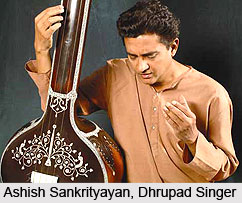
Dhrupad was firstly invented and patronized by Raja Manshingh Tomar of Gwalior (1486-1526 A.D.). As the name indicates, Dhrupad is a strict style. Rhythmic movement and procedure by determinate degrees are the two known principles of this style which the performer strictly abides. There are four structural sections of Dhrupad. Asthayi or Sthayi forms the basic and first part while the Antara forms the second section and moves in the middle and higher octaves. In the succeeding two sections namely Samcharee and Abhog, compositional intricacies and the complexities of raaga further developed.

Dhamar
Dhamar finds similarity with Dhrupad but it is less grave in melodic progression. This style of singing mainly depicts the play of Lord Krishna, especially in the festival of colours (Holi) through its literary content. Often the texts are also erotic in nature. Tempo of Dhamar is a little faster than Dhrupad. The similarity of both the forms lies in performing the similar procedures of improvisation consisting of rhythmic pattern. Dhamar of fourteen Matras is known as Tala and otherwise it is known as Hori.

Khayal
One of the most common and popular musical art of northern India is Khayal. It has two parts namely Sthayi (or Asthayi) and Antara. The two kinds of Khayal include Chhota Khayal and Bada Khayal (the small and big Khayal). Usually while performing, a Bada Khayal is followed by a Chhota Khayal in the same raaga, though not necessarily in the same Tala.

For more, visit the link below:

Monday, 16 May 2022

Styles in Monochrome Photography


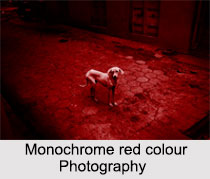
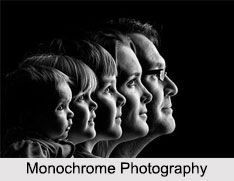
Styles in Monochrome Photography, Indian PhotographyMonochrome photography is a type of photography where the image has produced a single shade, rather than recording the colours of the object which was photographed. It includes all forms of black-and-white photography, which bring into being images containing tones of grey shades ranging from black to white. Earlier, photographers had no alternative but to shoot in black and white, because it was the only available medium at that time.

With the time Monochrome photography flourished. Contemporary black and white photography at its best is art and a lot of photographers regard it as the purest form of photography. It is recommended to shoot in RAW + JPEG format for Monochrome Photography.

The flattering and contrasting shades that bring a colour image to life are all decreased to black and white or shades of grey in a monochrome image. Black and white Photography is a very useful medium for landscape photography. It draws attention to the shapes and forms of the elements within the landscape, and the excellence of light.

Styles in Monochrome Photography
Styles in Monochrome Photography, Indian PhotographyThere are certain types of photo that rely on colour for impact. Monochrome images may be produced in a number of ways. Following are the different styles in Monochrome Photography:

Tone and Contrast Photography: The Monochrome photo’s subject works best when it has a varied range of black, grey and white shades. The dark and light areas in images create tone and contrast in a picture. Extended exposure shots work really fine in monochrome photography, in particular where there is moving water or clouds or moving subjects. The blurring of the movement also includes textural contrast with any solid objects in the frame and a tripod is needed to keep the camera at a standstill.

For more, visit the link below:

Monday, 4 April 2022

Indian Village Art


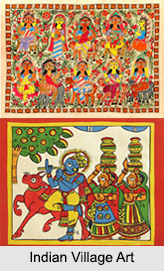
Indian Village ArtIndian Village Art displays the culture and tradition of their respective villages. Every region in India has its own style and pattern of art. The Indian folk paintings, their styles and patterns are as diverse as the Indian nation itself. Folk paintings use very vibrant and natural colours and papers, clothes, leaves, earthen pots, mud walls, etc. are used as canvas. Indian Village paintings are diverse in India and reflect rich cultural heritage and they are the true examples of artistic expression. They are so variable from region to region because of the availability of material in different area.

Types of Indian Village Art
The most famous types of Indian Village art paintings hence include various ancient Indian art forms such as Madhubani, Phad, Kalamkari, Patachitra, Warli paintings, Gond paintings, etc.

Madhubani Paintings: These paintings are an indigenous art form of a picturesque village of Bihar. The women have practiced this art form since many centuries and they maintain their dominance on this craft. The figures are painted on household and village walls to mark the seasonal festivals and special events. However, most of the Madhubani Paintings mostly feature nature related themes. Since this intricate skill is handed down the generations, traditional designs and patterns are widely maintained.

Phad Paintings: Phad paintings are in fact, the most famous form of painting in Rajasthan. Phad paintings are characterized by their own unique styles and patterns. They are especially appreciated as they use vibrant colours and quaint historical themes, the life and times of valorous heroes and so on. The most popular heroes of Phad paintings include Prithviraj Chauhan, Goga Chauhan, Amar Singh Rathore, Papuji and so on.

Indian Village ArtWarli Paintings: Originated by the Warli tribes from the Western Ghat of India, in 2500 BCE, this is easily one of the oldest art forms of India. It is mainly the use of circles, triangles and squares to form numerous shapes and depict daily life activities like fishinghunting, festivals, dance and more. All the paintings are done on a red ochre or dark background, while the shapes are white in colour. Another popular theme of this form of folk art is the dance that men and women perform in circles and spirals around a musician.

For more, visit the link below:

Thursday, 3 March 2022

Tanjore Paintings


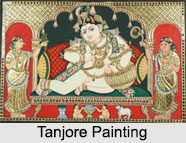
Tanjore Paintings, Indian PaintingsTanjore Paintings have a very rich heritage. Tanjore Painting is one of the most popular forms of classical South Indian painting. It is the local art form of Thanjavur city of Tamil Nadu. The pattern of art had flourished in Thanjavur, the capital of the Chola dynasty and since got such a name as Tanjore paintings.

The premise of Tanjore painting is essentially religious and spiritual and the art is renowned for its artistic portray of legendary characters and themes. The Brihadeeswara temple, for instance, houses several illustrations of Thanjavur paintings in the form of Chola murals and Nayak paintings. Even the Maratha palace is an ideal place to explore these paintings.

History of Tanjore Paintings
Tanjore Painting of India originated in the 16th century, under the sovereignty of the Cholas. The drop of the Vijayanagar Empire and dismiss of Hampi in the Battle of Talikota in 1565 CE effected the immigration of painters who had been dependent on the aid of the empire. Some of them roamed to Thanjavur and worked under the patronage of the Thanjavur Nayakas. Then, the Maratha rulers defeated the Thanjavur Nayakas and began to raise the Thanjavur atelier. During the Gupta Empire around 18th century, Tanjore had reached the peak of success. The Tanjore painting adorned the interiors of the palaces and soon found their place in every household. The "Saraswathi Mahal Library" in Tanjore displays the famous Tanjore paintings.

Features of Tanjore Paintings
Tanjore Paintings, Indian PaintingsTanjore paintings are famous for rich colour, exterior prosperity and compressed work of art. Tanjore Paintings are embellished with rich precious stones, glass pieces and gold that add colour to the surrounding. To include 3d effect, the painters use limestone. Subjects of most of the paintings are Hindu gods and goddesses and saints. The paintings are made on wood and cloth made canvass. Tanjore Paintings come in three finishes classic, stamped and exceptional. High quality of 22-carat gold foil is used to make sure that it lasts for generations.

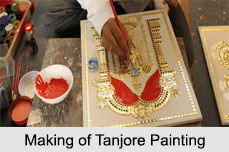
The characteristic of Tanjore painting is that the figures in the paintings have a round body and egg shaped effulgent eyes and are surrounded by curtains and arch. These paintings illuminate in the dark room. The artists then sketches the meticulous pictures on the canvas while the paste of limestone and fastening substance is used during adorning and engraving ornaments into the paintings. The pillars, dresses, arch and thrones of the Tanjore paintings are gilded with the gold leaves and gems of different colours. After this, colours are painted on the sketch. For outlines dark brown is usually used. Red is preferentially used as the background colour but sometimes green is also used. The yellow colour is used for the Goddesses while for Gods it varies: blue for Lord Vishnu and white for Nataraja. Previously artists used the natural colours made from vegetable dyes. The portfolios of the old Tanjore paintings were restricted to the drawings of the divine figures. But now-a-days the modern artists explore new dimensions. They also start depicting the presiding deities of the famous temples.

For more, visit the link below:

Friday, 4 February 2022

Deccani School of Painting


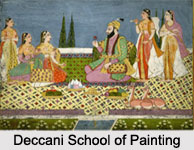
Deccani School of Painting, Indian PaintingsDeccan school of painting was effective in southern part of India in medieval age and later years. Adil ShahiNizam Shahi and Qutub Shahi rulers were the patrons in the development of Deccani School of painting. A lot of artists flourished during the rule of Ibrahim Adil Shah (II) (1580-1627), who was a great lover of painting. It is evident from the availability of numerous portraits of Ibrahim Adil Shah in different museums of the world. Deccani painting can be illustrated as a perceptive and an extremely included mix of original and overseas style of art.

History of Deccani School of Painting
The miniature painting method, which increased at first in the Bahmani court of Bahmani Sultanate and later in the courts of AhmadnagarBijapurBidar Berrar and Golkonda is generally well-known as the Deccan school of Painting. The Nujum-ul-ulum of 1570 is the first dated manuscript, appears to be a producer of Bijapur, which continued to be one of the major centres of the style. Deccani art also had its consequence on the expansion of miniature painting in the Hindu courts of Rajasthan and central India.

The art of painting carried with it the influence and essence of the culture it represented. The art of painting widespread in other parts of India were very much influenced. Ibrahim Adil Shah was shown as a musician in few other paintings available in the Naprstck Museum, Prague, and the Goenka Collection, Kolkata. Although the Mughal School of painting and the Deccani School of painting developed the naturalism due to European influence, yet there was a difference between the two. The Mughal school paintings were more dazzling in technique whereas the Bijapur or the Deccani School of painting represented more naturalism due to imaginative composition and poetic content.

Features of Deccani School of Painting
Deccani School of Painting’s style is a perceptive, highly integrated merge of indigenous and foreign art forms. The Vijaynagar painting’s similarity is seen in the lengthened figures while the floral backgrounds with a general use of landscape shows Persian influence. Deccani colours are rich and luminous, and much use is made of gold and white. For the most part of the colour of Deccani paintings are Islamic, Turkish and Persian tradition particularly the arabesques, but those are surmount by a pure Deccani part of undergrowth. These paintings have a distinct quality of their own in the very unconventional composition. The rich landscape mysterious atmosphere, gem-like colouring, lavish use of gold, exquisite finish, profusion of large plants, flowering shrubs and typical Dakhni castles in the background and above all, the sweeping decorative rhythm that is of Bijapur origin are quite visible in them.

For more, visit the link below:

Tuesday, 7 December 2021

Folk Paintings of West Bengal


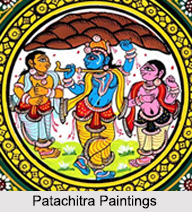
Folk Paintings of West Bengal, Indian PaintingsFolk Paintings of Bengal emerged as a popular medium of cultural expression developing comparatively with a stroke of independence from the conventions of temple art and free from the influences of a royal court. The Patachitra scroll painting, a form of folk art comes from the eastern part of India mostly from the state of West Bengal and Bihar. The Bengali scroll tradition is a very old one, featuring single picture paintings or long perpendicular multi panelled scrolls recognized as 'patas' (paintings) or 'jorana patas' (scroll paintings).

Rural Bengal's painted scrolls and pats are one of the few genuine folk traditions surviving down to the present century. In the villages of Bankura districtBirbhum district, 24 Parganas and Burdwan district, one can still see the patuas (the makers of the pats) selling their pats and selling these paintings at the various village fairs.

History of Folk Paintings of West Bengal
The history of 'patachitra' or scroll painting in Bengal goes back to more than 2000 years. Rustic bards and story-tellers in previous times would use these scrolls which had pictures representing a variety of events and themes of the stories they would tell. It was the only school of painting which flourished in Bengal in the 19th century and was the traditional art of scroll paintings which was admired in the rural areas. These paintings were done on cloth or patas. They depicted conservative images of gods and goddesses and scenes from epics like Tulsidas’s ‘Rama Charita Manas’. The artists were villagers who travelled from place to place with their scroll paintings and sang the scenes commencing the epics depicted in the paintings in village meetings and festivals. These artists, called patuas or ‘painters on cloth’ were said to be half Hindu and half Muslim and practised Islam.Folk Paintings of West Bengal, Indian Paintings

Types of Folk Paintings of West Bengal
There are different types of Folk Paintings of West Bengal and these are mentioned below:

Patachitra: It is the painting generally made on tasar silk cloth. The traditional colours used in the patachitra art are red ochre, indigo, green, black and white all obtained from the usual sources like Hingula, Ramaraja, Haritala, lamp black, and shells. Though, all draw pictures in a traditional way unusual to them about Hindu mythology and different social issues.

Bengal Pat: The original art form which developed in Bengal came to be recognized as Bengal Pat. Paintings are made with dyes made from spicesearth, soot, etc. and replicate the life and times of the society and myths. The usual colours used in Bengal Pat are red, indigo, green, black and ochre. Bengal Pat has a very exciting approach to it. Some paintings represent spoofs on traditional social practices, hence attempting to highlight them for change. Some of these artists started depicting these stories on cloth scrolls for conservation and beatification.