Showing posts with label handicraft. Show all posts

Thursday, 12 September 2024

Embroidery of Himachal Pradesh

Himachal Pradesh, nestled in the lap of the Himalayas, is renowned not only for its scenic beauty but also for its rich cultural heritage. Among the various art forms that flourish in this region, embroidery holds a significant place. The embroidery of Himachal Pradesh is a testament to the intricate craftsmanship passed down through generations, reflecting the unique traditions and lifestyle of the region.


Historical Background

The art of embroidery in Himachal Pradesh has a deep-rooted history, dating back several centuries. It is believed that the craft was influenced by the diverse cultural exchanges that took place due to the state's strategic location along ancient trade routes. The embroidery techniques were initially practiced within households, primarily by women, who created beautiful pieces for personal use and religious purposes. Over time, the craft gained prominence and evolved into a significant aspect of the region's cultural identity. 

Distinctive Features

Himachali embroidery is characterized by its use of bright and vibrant colors, intricate patterns, and the incorporation of motifs inspired by nature. The most commonly used materials include wool, cotton, and silk threads, which are meticulously stitched onto fabrics like woolen shawls, caps, and traditional garments. The designs often depict elements such as flowers, birds, and geometric shapes, symbolizing the region's natural beauty and spiritual beliefs. 

The Chamba Rumal is one of the most famous embroidered products of Himachal Pradesh. Originating from the Chamba Valley, this square piece of cloth is adorned with fine needlework depicting scenes from Hindu mythology, daily life, and nature. The Chamba Rumal is not only a work of art but also a valuable cultural artifact, often exchanged as gifts during weddings and religious ceremonies. 

Another notable embroidery style is the Thangka embroidery, which involves the creation of religious scroll paintings. This form of embroidery is predominantly practiced by the Buddhist communities in the state and is known for its detailed depiction of deities and mandalas. The intricate needlework and the use of natural dyes make Thangka embroidery a revered art form, particularly in the monasteries of Himachal Pradesh. 

Usage and Contemporary Relevance

Embroidery in Himachal Pradesh continues to play a vital role in the lives of the local communities. Traditionally, embroidered items such as shawls, caps, and Cholis (blouses) are worn during festivals, weddings, and other significant events. These items are often passed down as family heirlooms, preserving the cultural heritage of the region. 

In recent years, there has been a renewed interest in Himachali embroidery, driven by both the preservation of traditional crafts and the growing demand for handmade and sustainable products. Artisans have adapted their skills to create contemporary designs that appeal to modern tastes while maintaining the authenticity of the craft. This has led to the introduction of embroidered home décor items, fashion accessories, and textiles in the market, both within India and internationally. 

The Himachal Pradesh government and various non-governmental organizations have also taken initiatives to promote and preserve this traditional craft. Training programs, exhibitions, and fairs are organized to provide artisans with a platform to showcase their work and connect with potential buyers. 

The embroidery of Himachal Pradesh is a vibrant representation of the state's cultural heritage. Its rich history, distinctive features, and continued relevance in contemporary times highlight the enduring significance of this craft. As efforts to preserve and promote Himachali embroidery continue, it remains a cherished art form that reflects the identity and traditions of the people of Himachal Pradesh.

Monday, 9 September 2024

Crafts of Maharashtra

Maharashtra, a state rich in cultural heritage, boasts a wide range of traditional crafts that reflect its diverse history and vibrant cultural landscape. These crafts, deeply rooted in the region's traditions, have been passed down through generations and continue to hold significant value in India's cultural and economic fabric.


Historical Significance

The Crafts of Maharashtra have a long and storied history, dating back to ancient times. Many of these crafts were developed to cater to the needs of local communities and have since evolved into highly skilled art forms. The state's strategic location along trade routes facilitated the exchange of goods and ideas, which played a crucial role in the development of its crafts. Over the centuries, these crafts have been influenced by various dynasties, including the Marathas, Mughals, and British, each leaving its imprint on the art and techniques used by craftsmen. 

Variety of Crafts

Maharashtra is home to a diverse range of crafts, each with its unique characteristics and techniques. Some of the most notable crafts include: 

Warli Painting: Originating from the tribal communities of the North Sahyadri Range, Warli painting is a form of tribal art that uses simple geometric shapes to depict scenes from daily life. Traditionally, these paintings were created on the walls of village homes, using natural colors made from rice paste and cow dung. 

Paithani Sarees: Paithani is one of Maharashtra's most famous textiles, known for its intricate weave and vibrant colors. These sarees are woven from fine silk and often feature rich gold and silver brocades, making them a symbol of luxury and status. 

Kolhapuri Chappals: Handmade leather sandals from Kolhapur, known as Kolhapuri chappals, are renowned for their durability and comfort. These chappals are crafted using traditional techniques, with each pair reflecting the skill and artistry of the craftsman. 

Bidriware: Although originally from Bidar in Karnataka, Bidriware has found a significant presence in Maharashtra. This craft involves intricate metalwork, inlaying silver into a blackened alloy of zinc and copper, resulting in striking decorative items. 

Jewelry Making: Maharashtra is also known for its traditional jewelry, particularly the Thushi necklace from Kolhapur, and the Nath, a traditional nose ring worn by Maharashtrian women. These pieces are often crafted from gold and feature intricate designs that reflect the region's cultural heritage. 

Uses and Cultural Importance

The crafts of Maharashtra are not only aesthetically pleasing but also serve practical purposes. For instance, Paithani sarees are traditionally worn during weddings and other significant ceremonies, symbolizing the wearer's status and cultural identity. Warli paintings, once purely decorative, have gained recognition as a form of contemporary art, often used in home decor and even fashion. 

Kolhapuri chappals, originally designed for comfort in the region's climate, have become a popular fashion statement across India and internationally. Bidriware items, such as vases, trays, and boxes, are often used as decorative pieces in homes and offices, adding a touch of elegance to any space. 

The crafts of Maharashtra are a testament to the state's rich cultural heritage and the skill of its artisans. These crafts have not only preserved traditional techniques but have also adapted to modern demands, ensuring their continued relevance in contemporary India. As they continue to be appreciated both within India and globally, these crafts remain an integral part of Maharashtra's cultural identity.

Jute Crafts in India

Jute, often referred to as the "golden fiber," has been an integral part of India's cultural and economic fabric for centuries. The history of jute crafts in India dates back to ancient times when the fiber was primarily used for making ropes and sacks. Over time, with the advent of skilled artisans and evolving techniques, jute found its way into the creation of various handicrafts.


The cultivation of jute began in the fertile regions of Bengal, now split between India and Bangladesh. The climatic conditions in this area are ideal for jute farming, which allowed it to flourish as a major industry. The traditional artisans of Bengal have been at the forefront of jute craft, creating intricate designs that reflect the rich cultural heritage of the region. These crafts were initially simple, everyday items, but as the demand for sustainable and eco-friendly products grew, so did the diversity and sophistication of jute-based crafts. 

Traditional and Modern Uses of Jute Crafts

Jute crafts in India have evolved significantly from their humble beginnings. Traditionally, jute was used to make simple, utilitarian items such as mats, sacks, and ropes. These products were primarily functional, used in homes and for agricultural purposes. The strong and durable nature of jute made it an ideal material for these applications. 

In modern times, jute has found its way into a wide array of craft products, catering to both domestic and international markets. Today, jute is used to create a variety of items, including bags, rugs, wall hangings, and even fashion accessories. The versatility of jute allows artisans to experiment with different designs and forms, resulting in products that are not only functional but also aesthetically pleasing. 

One of the most popular uses of jute today is in the production of eco-friendly bags. As the global demand for sustainable products rises, jute bags have become a symbol of eco-consciousness. These bags are not only biodegradable and recyclable but also stylish and durable, making them a popular choice among consumers. 

Economic and Environmental Impact

Jute crafts play a significant role in the rural economy of India. The jute industry provides employment to millions of people, particularly in West Bengal, Assam, and Bihar. Artisans and small-scale industries thrive on the production of jute crafts, contributing to the socio-economic development of these regions. 

Moreover, jute is an environmentally friendly fiber. It is biodegradable, requires less water and pesticides compared to cotton, and helps in reducing the carbon footprint. The use of jute in crafts supports the sustainable development goals by promoting environmentally responsible production practices. 

Challenges of Jute Craft

Despite its many advantages, the jute craft industry in India faces several challenges. These include competition from synthetic materials, fluctuating prices, and limited access to global markets. However, with increasing awareness of environmental issues and the growing demand for sustainable products, the jute craft industry has the potential to expand significantly. 

Efforts are being made to modernize the industry through better marketing strategies, technological interventions, and government support. By promoting jute crafts as a sustainable alternative to synthetic products, India can preserve its rich tradition of jute craftsmanship while contributing to a greener future. 

Jute crafts in India reflect the country's rich cultural heritage and commitment to sustainability. From traditional uses to modern innovations, jute continues to be a valuable resource for artisans and consumers alike. With the right support and initiatives, the jute craft industry can overcome its challenges and continue to thrive as a symbol of eco-friendly artistry.

Saturday, 31 August 2024

Crafts of Jharkhand


Jharkhand, a state in eastern India, is renowned for its rich cultural heritage, which is reflected in its diverse and vibrant crafts. These crafts are not only a means of livelihood for many artisans but also play a significant role in preserving the state’s cultural identity. The crafts of Jharkhand, rooted in ancient traditions, continue to thrive, showcasing the state's artistic excellence and contributing to its socio-economic development.


Types of Crafts

1. Bamboo and Cane Work: Bamboo and cane work are among the most prominent crafts of Jharkhand. Artisans skillfully weave bamboo and cane into a variety of items such as baskets, mats, furniture, and decorative pieces. These products are known for their durability and intricate designs. The craft is particularly prevalent in rural areas, where bamboo is readily available and has been used for generations. 

2. Dokra Metal Craft: Dokra is an ancient metal casting technique that uses the lost-wax process. Artisans in Jharkhand have mastered this craft, producing a range of items including figurines, jewelry, and utensils. Dokra metal craft is highly valued for its aesthetic appeal and intricate detailing. The craft is traditionally practiced by the Malhar and Tentri communities, who pass down their skills from one generation to the next. 

3. Pottery: Pottery is another significant craft in Jharkhand, with artisans producing both utilitarian and decorative items. The pottery of Jharkhand is characterized by its simplicity and earthy tones, reflecting the state's connection with nature. Clay pots, lamps, and terracotta figures are commonly made and used in everyday life as well as in religious and cultural ceremonies. 

4. Wood Carving: Jharkhand is known for its exquisite wood carving, which involves creating intricate designs on wooden objects. Artisans carve out a variety of items such as door panels, windows, furniture, and religious idols. The wood carving craft holds cultural significance, as it is often associated with religious and social customs. The skill is typically inherited and remains an important aspect of Jharkhand's cultural heritage. 

5. Textile Weaving: Textile weaving in Jharkhand is a traditional craft practiced mainly by tribal communities. The weavers produce a range of textiles, including sarees, shawls, and blankets, using handlooms. The fabrics are often adorned with traditional motifs and designs, reflecting the cultural and social aspects of the region. The craft not only provides employment to many but also helps preserve the unique textile heritage of Jharkhand. 

6. Needle Craft embroidery: Needle Craft embroidery, known as Kasida, is practised widely by women in Mithila homes. Embroidery was created out of the women's love of decoration in Bihar.

Cultural Significance

The crafts of Jharkhand are deeply intertwined with the state's cultural and social fabric. These crafts are not merely artistic expressions but also serve as a medium to preserve and convey the region’s traditions, beliefs, and way of life. Many of these crafts are used in religious ceremonies, festivals, and daily life, reinforcing their cultural relevance. 

Additionally, the crafts play a crucial role in the socio-economic development of the region. They provide livelihoods to numerous artisans, many of whom belong to marginalized communities. By promoting and preserving these crafts, Jharkhand ensures the continuity of its cultural heritage while also fostering economic growth. 

The crafts of Jharkhand represent a rich tapestry of artistic tradition, skill, and cultural heritage. From bamboo work to metal crafts, these traditional arts continue to thrive, embodying the spirit and identity of the state. As Jharkhand progresses, the preservation and promotion of these crafts remain essential in maintaining its cultural legacy and supporting the artisans who keep these traditions alive.

Thursday, 14 March 2024

Museums of Assam


Assam, a state located in the northeastern part of India, is renowned for its rich cultural heritage and vibrant history. Museums of Assam play a crucial role in preserving and showcasing this heritage to both locals and visitors alike. Here, we delve into some of the popular museums that offer a glimpse into the diverse cultural tapestry of Assam.


Assam State Museum

The Assam State Museum, situated in the heart of Guwahati, stands as a testament to the state's cultural legacy. Established in 1940, this museum boasts a comprehensive collection spanning various domains such as archaeology, epigraphy, numismatics, and ethnography. Visitors can marvel at the exquisite sculptures, ancient manuscripts, rare coins, and traditional artifacts housed within its galleries. The museum's highlight is the display of Assamese traditional attire and jewelry, providing insights into the region's sartorial heritage. 

Srimanta Sankaradeva Kalakshetra

Named after the medieval saint and cultural icon, Srimanta Sankaradeva Kalakshetra serves as a cultural institution dedicated to preserving and promoting Assamese art, literature, and culture. Located in Guwahati, this sprawling complex encompasses a museum, an open-air amphitheater, and various exhibition halls. The museum showcases a diverse collection of artifacts, including traditional handicrafts, musical instruments, and artworks depicting Assamese folklore and religious themes. Visitors can also witness live performances of traditional dance and music, further immersing themselves in Assam's rich cultural heritage. 

Navagraha Museum

Situated atop Chitrachal Hill in Guwahati, Navagraha Museum offers a unique blend of astronomy and mythology. Dedicated to the nine celestial bodies of Hindu astrology, this museum features intricately crafted statues representing each planet, along with information about their astronomical significance and mythological associations. Visitors can explore the exhibits while learning about the influence of planetary movements on human life according to ancient Indian beliefs. The museum's serene location provides panoramic views of the city, adding to the overall experience. 

Jorhat Science Centre and Planetarium

For enthusiasts of science and astronomy, Jorhat Science Centre and Planetarium offers an engaging learning experience. Located in Jorhat, this interactive museum aims to popularize scientific knowledge and foster curiosity among visitors of all ages. The center features hands-on exhibits, interactive displays, and multimedia presentations covering various scientific principles and phenomena. Additionally, the planetarium hosts regular shows that take audiences on virtual journeys through the cosmos, enhancing their understanding of astronomy and space exploration. 

Tribal Museums

Assam's diverse ethnic landscape is reflected in its tribal museums, which offer insights into the unique cultures and traditions of the state's indigenous communities. Museums such as the North East Institute of Fashion Technology and the Northeast Crafts Museum in Guwahati showcase a wide array of tribal artifacts, textiles, and handicrafts, highlighting the craftsmanship and cultural heritage of Assam's tribal societies. Visitors can admire intricate weaves, vibrant textiles, and traditional artworks while gaining a deeper appreciation for the region's cultural diversity.

The museums of Assam serve as repositories of its rich cultural heritage, offering visitors a fascinating journey through time and tradition. From ancient artifacts to contemporary artworks, these museums provide valuable insights into the diverse facets of Assamese culture, making them indispensable destinations for anyone seeking to unravel the mysteries of this enchanting region.

Thursday, 8 February 2024

Metal Craft of Rajasthan


Metal craft in Rajasthan has a rich heritage deeply embedded in the state's cultural fabric. Renowned for its intricate designs and skilled craftsmanship, Rajasthan's metal artisans have been producing exquisite pieces for centuries. Among the plethora of metal crafts in the region, several stand out for their popularity and unique characteristics. 

Theva craft is one such prominent metal craft of Rajasthan. Originating from the Mewar region, Theva craft involves intricate designs etched onto brass or copper utensils. Artisans meticulously carve patterns depicting traditional motifs such as peacocks, elephants, and floral designs. Theva craft items are often used for decorative purposes and are prized for their ornate beauty. 

Filigree, another notable metal craft, is widely practiced in cities like Jaipur and Jodhpur. This delicate art form involves twisting and curling fine threads of silver or gold to create intricate patterns and designs. Skilled artisans meticulously shape the metal threads, often incorporating gemstones or enamel work to enhance the beauty of the final piece. Filigree jewelry, in particular, is highly sought after for its fine craftsmanship and timeless elegance. 

Rajasthan is also renowned for its exquisite jewelry-making tradition. From elaborate bridal sets to everyday adornments, the state's jewelry artisans excel in crafting pieces that reflect the region's rich cultural heritage. Kundan, Meenakari, and Thewa are some of the traditional techniques employed in Rajasthan's jewelry making. Kundan jewelry, characterized by its intricate settings of gemstones in gold, is particularly famous for its opulence and grandeur. Meenakari involves the painstaking process of enameling colored designs onto metal surfaces, while Thewa is a unique technique where intricate gold designs are fused onto glass, creating stunning pieces of jewelry. 

Aside from jewelry, Rajasthan is also known for its metalware, including utensils, decorative items, and religious artifacts. Brass and copper are commonly used metals, with artisans employing techniques such as embossing, engraving, and hammering to create intricate designs. Traditional utensils like 'thalis' (plates) and 'lota' (water vessels) are often embellished with ornate patterns, making them prized possessions in households across the region. 

The metal crafts of Rajasthan not only serve as decorative items but also hold cultural and religious significance. Items like 'Aarti' lamps and 'Kalash' (water pots) are integral to religious rituals and ceremonies, crafted with great care and precision by skilled artisans. 

The metal crafts of Rajasthan embody the state's rich cultural heritage and artistic prowess. From the intricate designs of Theva craft to the timeless elegance of filigree jewelry, these traditional crafts continue to captivate admirers worldwide. By preserving and promoting these age-old techniques, Rajasthan's metal artisans ensure that their legacy lives on for generations to come.

Saturday, 3 February 2024

Brass Craft in India


Brass craft in India has a rich history and continues to be a significant aspect of the country's cultural and artistic heritage. This traditional craftsmanship involves the meticulous shaping and molding of brass, a copper-zinc alloy, into a variety of functional and decorative items. The procedure, features, and various types of brass craft in India showcase the skill, precision, and artistic sensibility of its practitioners. 

The process of creating brass craft in India is a time-honored tradition that requires a combination of technical expertise and artistic finesse. The journey begins with the selection of high-quality brass, which typically consists of 60-70% copper and 30-40% zinc. Craftsmen carefully melt and mix the metals to achieve the desired composition. 

The molten brass is then poured into molds, creating the foundational shape for the intended product. Skilled artisans employ various techniques like casting, forging, and hammering to refine the form and add intricate details. Precision is paramount throughout the process to ensure the final product meets the high standards of quality associated with Indian brass craft. 

The distinguishing features of Indian brass craft lie in its durability, versatility, and aesthetic appeal. Brass, being a corrosion-resistant alloy, ensures that crafted items withstand the test of time. This durability makes brass craft suitable for a wide range of applications, from household utensils to religious artifacts. 

Versatility is another hallmark of Indian brass craft, as artisans produce an array of items, including figurines, utensils, jewelry, and ceremonial items. The adaptability of brass allows for the creation of both utilitarian objects and intricate decorative pieces. 

The aesthetic appeal of brass craft is derived from the intricate detailing and traditional motifs that adorn the finished products. Artisans often incorporate religious and cultural symbols, reflecting the diverse heritage of India. The lustrous golden hue of brass adds a touch of sophistication, making these crafted items sought after for both functional and ornamental purposes. 

Indian brass craft encompasses a wide array of types, each with its unique characteristics and purposes. One prominent type is the religious brass craft, where skilled artisans create intricately designed idols, lamps, and ceremonial utensils for use in temples and homes. These pieces often feature depictions of deities and mythological narratives. 

Utilitarian brass craft includes kitchenware such as plates, bowls, and utensils, renowned for their durability and aesthetic appeal. The craftsmanship extends to home decor items like vases, candle holders, and wall hangings, showcasing the versatility of brass in enhancing interior spaces. 

Another notable type is the jewelry crafted from brass, featuring traditional designs and contemporary styles. Brass jewelry is valued for its affordability, durability, and ability to mimic the appearance of more expensive metals. 

Brass craft in India is a testament to the country's rich cultural heritage and the artistic prowess of Indian craftmanship. The meticulous procedure, enduring features, and diverse types of brass craft underscore the skill and dedication of Indian artisans who continue to contribute to the legacy of this traditional craftsmanship. Whether in religious contexts, daily life, or as decorative pieces, Indian brass craft continues to hold a significant place in both tradition and modernity.

Friday, 2 February 2024

Embroidery of Karnataka

Embroidery in Karnataka, a southern state in India, has a rich and diverse heritage that reflects the cultural tapestry of the region. Among the various forms of embroidery in Karnataka, Kasuthi embroidery and Kaudi embroidery stand out as the most popular and widely recognized.


Kasuthi embroidery is an intricate and labor-intensive form of needlework that has been passed down through generations in Karnataka. Originating from the northern regions of the state, Kasuthi is characterized by its geometric patterns and vibrant colors. The word "Kasuthi" itself is derived from two Kannada words – 'Kaasu' meaning coin and 'Thi' meaning embroidery, signifying the use of coin-like patterns in this traditional craft. 

One of the distinctive features of Kasuthi embroidery is the extensive use of stitches like Ganti, Murgi, and Neyge. Ganti involves creating small dots, resembling coins, while Murgi is a chain stitch that forms intricate patterns. Neyge, a satin stitch, adds a smooth and polished finish to the embroidered fabric. Artisans often employ these stitches to create elaborate designs inspired by nature, mythology, and religious motifs. The complexity of Kasuthi embroidery requires exceptional skill and patience, making it a time-consuming process. 

Kasuthi embroidery is commonly found on sarees, blouses, and other traditional garments worn during festivals and special occasions. The craft not only enhances the aesthetic appeal of textiles but also preserves the cultural heritage of Karnataka, showcasing the skill and dedication of its artisans. 

Another noteworthy form of embroidery in Karnataka is Kaudi embroidery, a craft that hails from the coastal regions of the state. Kaudi, meaning seashell in Kannada, aptly describes the inspiration behind this unique form of needlework. Artisans draw inspiration from the diverse marine life and coastal landscapes, creating intricate designs that often feature seashells, fish, and waves. 

The primary technique employed in Kaudi embroidery is the use of small, cylindrical beads resembling seashells. These beads are meticulously stitched onto the fabric, forming elaborate patterns and motifs. The embroidery is often combined with sequins and thread work to add depth and texture to the designs. Kaudi embroidery is particularly popular on accessories like handbags, purses, and decorative pieces. 

The artisans practicing Kaudi embroidery display exceptional craftsmanship, transforming simple fabrics into exquisite pieces of art. The use of vibrant colors and the incorporation of coastal elements make Kaudi embroidery a distinctive and visually appealing form of embellishment. The craft not only serves as a means of livelihood for the skilled artisans but also contributes to the promotion of Karnataka's cultural identity. 

The embroidery of Karnataka, with its various forms, reflects the rich cultural heritage and artistic prowess of the state. Kasuthi embroidery and Kaudi embroidery, in particular, stand as testaments to the skill, tradition, and creativity of Karnataka's artisans. As these traditional crafts of Karnataka continue to thrive, they not only contribute to the textile industry but also serve as a source of pride for the people of Karnataka, preserving their cultural legacy for generations to come.

Art and Craft of Arunachal Pradesh


Arunachal Pradesh, the northeastern frontier of India, is a melting pot of diverse cultures and traditions, reflected vividly in its unique art and craft forms. The state's artistic heritage is deeply intertwined with its cultural diversity, with each community contributing to the vibrant tapestry that is Arunachali art. From bamboo and cane craft to carpet-weaving, painting, wood carving, jewelry making, and ivory craft, the art and craft of Arunachal Pradesh stand as a testament to the skilled hands and rich cultural heritage of its people. 

Bamboo and cane craft are integral components of Arunachal Pradesh's artistic legacy. Skilled artisans adeptly transform these natural resources into functional and aesthetically pleasing items. Baskets, mats, furniture, and even traditional headgear are crafted with precision and ingenuity, showcasing the seamless blend of utility and artistry. The intricate patterns and designs reflect the cultural ethos of the tribes, making each piece a unique representation of Arunachal's cultural diversity. 

Carpet-weaving is another significant art form in Arunachal Pradesh, with the Monpa tribe particularly renowned for their expertise. Using traditional techniques passed down through generations, Monpa weavers create exquisite carpets with intricate patterns and vibrant colors. These carpets often depict scenes from daily life, mythological stories, or symbols of religious significance. The meticulous craftsmanship and attention to detail make Arunachali carpets highly sought after, both locally and internationally. 

Painting, an art form that transcends boundaries, has found a distinctive expression in Arunachal Pradesh. The state boasts a rich tradition of tribal art, with each tribe contributing its unique style and symbolism. Thangka painting, practiced by the Monpas and Sherdukpens, involves intricate depictions of Buddhist deities and spiritual themes. The Apatanis are known for their vibrant murals, showcasing a keen sense of color and design. Through these paintings, Arunachali artists preserve and perpetuate their cultural narratives. 

Wood carving in Arunachal Pradesh is a craft that combines artistic finesse with practical utility. Skilled artisans carve intricate designs on wooden panels, doors, and furniture, reflecting the cultural motifs of their respective tribes. The carvings often depict animals, mythological figures, or scenes from tribal life, serving as both functional items and cultural artifacts. The craftsmanship in Arunachali wood carving is not merely aesthetic but also a manifestation of the deep connection between the people and their natural surroundings. 

Jewelry making is an art form that showcases the metalworking skills of the tribes in Arunachal Pradesh. Silver and brass are commonly used to create traditional jewelry pieces adorned with intricate patterns and symbolic motifs. Each piece of jewelry carries cultural significance, representing the wearer's identity, social status, or belonging to a specific tribe. The craftsmanship involved in jewelry making reflects the meticulous attention to detail and the reverence for tradition within Arunachali communities. 

Ivory craft, though now facing stringent regulations due to conservation concerns, has been a traditional art form in Arunachal Pradesh. Skilled artisans meticulously carve ivory into intricate sculptures, depicting religious and mythological themes. However, with increasing awareness about the need for wildlife conservation, the focus is shifting towards alternative materials, ensuring the preservation of this age-old craft without compromising on ethical considerations. 

The art and craft of Arunachal Pradesh embody the essence of its diverse cultural heritage. From the utilitarian bamboo and cane craft to the intricate carpet-weaving, painting, wood carving, jewelry making, and the traditional ivory craft, each form reflects the deep-rooted connection between art and culture in this northeastern state of India. As these traditional crafts continue to evolve, they serve as a testament to the resilience and creativity of the people of Arunachal Pradesh, preserving their heritage for generations to come.

Thursday, 1 February 2024

Embroidery of Punjab


Embroidery in the state of Punjab is a testament to the rich cultural heritage and artistic finesse that has been passed down through generations. Punjab, with its vibrant and lively spirit, has given rise to various forms of embroidery that reflect the essence of the region. Among the myriad styles, Phulkari Embroidery, Bagh Embroidery, Aari Embroidery, and Chope Embroidery stand out as some of the most popular and distinctive forms. 

Phulkari Embroidery, which translates to "flower work," is perhaps the most well-known and cherished form of embroidery in Punjab. Originating from the rural areas of the state, Phulkari is characterized by its vibrant and bold patterns created using darn stitch. Traditionally, Phulkari is executed on a coarse cotton fabric with bright silk threads, resulting in intricate floral motifs that cover the entire cloth. The artistry lies in the careful arrangement of colors and the meticulous detailing of each stitch, showcasing the skilled hands of the artisans who have mastered this traditional craft of Punjab

Bagh Embroidery, on the other hand, is a style that embodies opulence and grandeur. This form of embroidery, primarily practiced in the Jallandhar and Faridkot regions, is characterized by its elaborate and dense patterns. Bagh, meaning garden, aptly describes the lush and dense embroidery that often covers the entire fabric. Gold and silver threads are intricately woven into the fabric, creating a regal and luxurious effect. Historically, Bagh Embroidery was reserved for special occasions and ceremonies, emphasizing its association with prestige and celebration. 

Aari Embroidery is another prominent form of needlework in Punjab, known for its fine craftsmanship and delicate detailing. Aari, or tambour, is a special type of hook that is used to create chain stitches on the fabric. This technique allows for precise and intricate designs, making Aari Embroidery popular for adorning bridal wear and other festive garments. The artisans often employ vibrant threads and incorporate mirror work, enhancing the visual appeal of the finished product. Aari Embroidery reflects the fusion of traditional techniques with evolving fashion trends. 

Chope Embroidery, originating from the regions of Bhatinda and Mansa, is distinctive for its geometric patterns and repetitive motifs. Traditionally executed on a plain white or light-colored fabric, Chope Embroidery uses contrasting colors to create a visually striking effect. The repetitive nature of the designs symbolizes unity and continuity, making it a popular choice for everyday wear. Chope Embroidery has evolved over time, adapting to contemporary tastes while retaining its cultural significance. 

The embroidery of Punjab is a reflection of the state's rich cultural tapestry and artistic heritage. Phulkari Embroidery, Bagh Embroidery, Aari Embroidery, and Chope Embroidery exemplify the skill and dedication of the artisans who have preserved and enriched these traditional forms over the years. These exquisite embroidery styles not only contribute to the visual splendor of Punjab's textiles but also serve as a testament to the enduring legacy of craftsmanship in the region. As we celebrate the diversity of Indian textiles, the embroidery of Punjab stands out as a beacon of tradition and artistry.

Wednesday, 31 January 2024

Crafts of Arunachal Pradesh


Arunachal Pradesh, nestled in the northeastern part of India, is a region that boasts a rich cultural heritage, and one of the most significant expressions of this cultural wealth is its diverse and vibrant craft traditions. The state is home to a plethora of crafts, each unique in its own way, reflecting the artistic prowess and cultural nuances of the various tribes that inhabit the region. Among the prominent crafts of Arunachal Pradesh are bamboo and cane craft, handloom and weaving, wood carving, and more. 

Bamboo and cane craft form an integral part of Arunachal Pradesh's traditional craftsmanship. The state's topography, abundant in bamboo groves, provides the raw material for this craft. Skilled artisans transform bamboo and cane into a wide range of products, including baskets, mats, hats, and even furniture. The craft not only serves utilitarian purposes within the local communities but has also gained recognition on a national and international scale for its intricate designs and durable craftsmanship. 

Handloom and weaving are deeply ingrained in the cultural fabric of Arunachal Pradesh. The state is renowned for its traditional handwoven textiles, which bear the distinct identity of various tribes. The weavers, mostly women, skillfully create patterns and motifs that narrate stories of their culture and heritage. The vibrant colors and intricate designs of the woven fabrics showcase the artistic finesse of Arunachali weavers, making these textiles highly sought after not just within the state but also across the country. 

Wood carving is another prominent craft that flourishes in Arunachal Pradesh. Skilled artisans sculpt intricate designs on wood, creating decorative items, figurines, and even traditional masks. Wood carving reflects the deep connection the people of Arunachal Pradesh have with nature, often incorporating motifs inspired by flora and fauna found in the region. The craftsmanship not only serves as a form of artistic expression but also plays a crucial role in preserving and passing on traditional narratives and cultural symbols through the carved artifacts. 

The tradition of pottery is also prevalent in certain regions of Arunachal Pradesh. Artisans use locally available clay to create functional and decorative pottery items. These items often showcase the unique aesthetic sensibilities of the tribes, with each community having its distinct style and motifs. 

Apart from these major crafts, Arunachal Pradesh is also known for its traditional beadwork, carpet making, and mask making. Beadwork involves creating intricate jewelry and decorative items using colorful beads, while carpet making, though not as widespread, showcases the meticulous skill of artisans who weave beautiful carpets with traditional designs. Mask making is a ritualistic craft associated with various festivals and ceremonies, where artisans create masks that represent cultural deities and mythological characters.

The craft traditions of Arunachal Pradesh stand as a testament to the rich cultural heritage of the state. The artisans, with their skills passed down through generations, continue to contribute to the preservation and promotion of these crafts. The intricate bamboo and cane craft, the vibrant handwoven textiles, the expressive wood carvings, and the diverse array of crafts collectively form a tapestry that reflects the identity, traditions, and creativity of the people of Arunachal Pradesh. As these crafts continue to evolve, they play a crucial role in connecting the past with the present and ensuring the cultural legacy of the state endures for generations to come.


Tuesday, 30 January 2024

Crafts of Gujarat


Gujarat, situated in the western part of India, is not only known for its vibrant culture and rich history but also for its diverse and intricate crafts that have been passed down through generations. The state boasts a myriad of traditional crafts, each reflecting the skill, precision, and cultural ethos of the artisans who have meticulously preserved these art forms. From embroidery and textile craft to dye craft, clay craft, and wood craft, the traditional crafts of Gujarat stands as enduring legacy of handmade craftsmanship. 

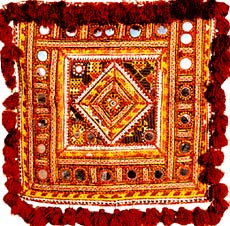
Embroidery, a time-honored tradition in Gujarat, is a craft that has been practiced with precision and dedication. The Kutch region is particularly renowned for its vibrant and elaborate embroidery work. Local artisans skillfully embellish fabrics with mirror work, intricate patterns, and vibrant threads, creating visually stunning pieces. The diversity in embroidery styles, ranging from Rabari and Ahir to Sindhi and Banni, reflects the cultural amalgamation within the state. 

Textile craft is another cornerstone of Gujarat's artisanal heritage. The Patola silk sarees from Patan are globally celebrated for their unique tie-and-dye technique. Skilled weavers painstakingly create intricate patterns by resist-dyeing both the warp and weft threads before weaving, resulting in a fabric that is both luxurious and visually captivating. This meticulous process has been handed down through generations, symbolizing the rich tapestry of Gujarat's textile traditions. 

Dye craft, with its roots deeply embedded in the state, showcases the expertise of Gujarat's artisans in creating vivid and durable colors. The Bandhani tie-and-dye technique, prevalent in regions like Jamnagar and Bhuj, involves tying small portions of the fabric with thread and then dyeing it. The result is a fabric adorned with vibrant patterns, often in a multitude of colors. This age-old craft not only adds to the visual appeal of textiles but also serves as a testament to the skillful utilization of natural dyes. 

Clay craft is yet another facet of Gujarat's artistic landscape. The terracotta works of the Panchmahal district and the ornate pottery from the Kutch region are prime examples of the state's proficiency in clay craftsmanship. Traditional potters create an array of items, including decorative figurines, functional utensils, and ceremonial items. The craft not only fulfills utilitarian needs but also carries forward the aesthetic sensibilities inherent in Gujarat's cultural heritage. 

Wood craft, deeply rooted in Gujarat's history, showcases the state's mastery in carving and woodworking. The artisans from Sankheda are known for their exquisite lacquer work on wooden furniture. Intricately carved pieces, adorned with vibrant colors, bring a touch of traditional elegance to homes. The craft not only demonstrates the technical prowess of the artisans but also reflects the cultural significance of wooden crafts in Gujarat. 

The crafts of Gujarat are a testament to the state's rich cultural heritage and the skilled artisans who have preserved these traditions through centuries. From the intricate embroidery of Kutch to the vibrant textiles of Patan, the meticulous dye craft of Jamnagar to the clay craft of Panchmahal, and the elegant wood craft of Sankheda, Gujarat's crafts weaves together history, culture, and skilled craftsmanship of the state to secure its position among the best crafts in India. These crafts not only contribute to the economic sustenance of the artisans but also play a crucial role in keeping Gujarat's cultural identity alive and thriving.

Friday, 4 November 2022

Diwali Dolls, West Bengal


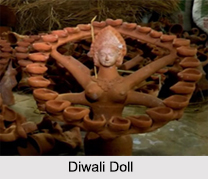
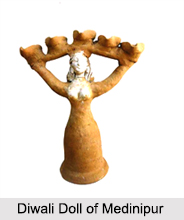
Diwali Dolls, West BengalDiwali Dolls are mainly made for Diwali festival and they are available in the districts of Purulia and Medinipur in West Bengal. These two districts have certain distinctions in the forms and shapes of the dolls they produce. Diwali Dolls are mainly used for the illumination with the lamps which are provided on the hands of the dolls. Apart from that, these dolls have some spiritual significance- Diwali Dolls symbolize Goddess Lakhshmi, who increases wealth. Thus, Diwali Dolls are one of the most prominent features of Diwali festival.

Shapes of Diwali Dolls
Diwali Dolls are mainly shaped in a female body, the lower portion of which is round and hollow and it serves as the stand of the lamps. The upper portion is given the shape of a female body whose arms are raised for putting lamps on each of the hand; a single lamp is put on the head of the doll. Thus, this doll is also called the ‘doll with three lamps’.

Diwali Dolls, West BengalTypes of Diwali Dolls
Apart from the ‘dolls with three lamps’, ‘dolls with trays on their heads’ are also found. The arms of these dolls are raised to hold the circular tray above their heads on which lamps are fixed in a neat arrangement. Sometimes, the dolls are seen to be carrying two semicircular trays with lamps on her shoulder, which are attached to a circular stand comprising the lower portion of the doll. Diwali Dolls are also shown to be carrying three, five, seven and nine lamps; dolls with seven lamps are called ‘Satbahania’. Dolls with two lamps each on one hand are often adorned with a crown on their heads.

For more, visit the link below:

Tuesday, 20 September 2022

Paper Craft


Paper CraftPaper Craft is a fairly old tradition in India. In this, three dimensional items are crafted using paper as the primary artistic medium. Paper Craft is the summation of a variety of simple techniques, including cutting, gluing, stitching, moulding and layering, to create beautiful objects. In India, the paper industry is located mainly in PatnaDelhiRajgirAwadhAhmedabadGaya and Shahzadpur (near Allahabad).

History of Paper Craft
Since paper is one of the easily perishable materials, the tradition of the paper craft had been left unrecorded. The earliest records available are in the form of a large number of beautiful manuscripts, 'the royal farmans', and account keeping by prosperous merchants in the Mughal period. The industry was however indigenous and small scale to cater the local needs. The people engaged in paper making could be found on the out skirts of provincial capitals or big towns. Their locality was known as the Kagazi Mohalla where 'kagaz' refers to paper and 'mohalla' refers to locality.

Paper CraftDifferent Paper Crafts
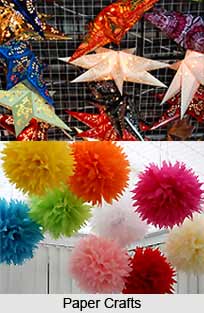
Paper Craft is an age old activity. Papers with their various varieties and wide range of colours offer a very colourful choice to the craftsmen. The combination of various kinds of papers in different forms and styles make Paper Craft one of the best crafts of India. The Paper Craft in India has widely been used in different types of decorations. The decorations may be in forms of flowers, kandeels, kites and effigies. General decorations in the religious and social functions are also comprised of mainly this art. Paper Craft includes a wide range of artefacts ranging from utilitarian to decorative items. Varying from simple to complex, a number of techniques are involved in their crafting. 'Khamp', a thin bamboo strip, is sometimes used to give skeletal support to the Paper Crafts. Depending on the size, the number of bamboo strips may change. An excellent example of this type of Paper Craft are Kites that are generally made by fixing a square paper on diagonal bamboo strip and a curved strip covering the upper part of the diagonal. 'Tazia' is another Paper Craft and is an important icon in Muharram ceremonies. Making of 'Tazia' involves construction of huge bamboo minarets covered with paper. The effigies and other fire works made during Dussehra festival are also beautiful manifestations of Paper Craft. These are meticulously filled with explosives to produce sparkle, sound and light. Apart from this, other objects of Paper Crafts involve masks, bowls, paper puppets, decorative birds, paper flowers and paper fans.

For more, visit the link below:

Wednesday, 27 July 2022

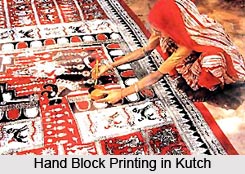
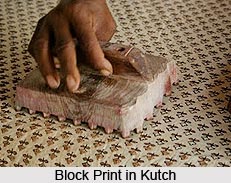
Hand Block Printing in Kutch


Hand Block Printing in KutchKutch has been an ideal shopping destination for textiles with hand block printing. In this technique, fabric is decorated by printing designs on it. Hand block printing in India was the chief occupation of the chippas - a community of printers. They use metal or wooden blocks to print designs on the fabrics by hand.

Ajrakh prints
Ajrakh printing is one of the popular traditional crafts of Kutch. The wold "AJRAKH" means "keep it to day" and probably served as means of publicity. It also means beautifying and in Arabia, Ajrakh denotes the blue colour which is an essential of the craft. The Khatri community has been engaged in this craft for many centuries and the technnique is handed down from father to son. Recently Harijan artisans trained under Khatri crafts people are also pur suing this craft. Dhamanka and Khavda are the two most important centres.

Batik Prints
Batik is one of the most attractive and important crafts of Kutch. In this printing paraffin-wax is used as the resist material. In the 18th and 19th century, the East India Company used to export Batik. Nowadays the craft depends more on local demand than on the export market.

Tie and Dye
Tie and dye, popularly known as Bandhani, is a famous traditional handiwork of the Kutch district, gandhanis are very closely associated with deep rooted social customs. It is treated as a symbol of married life. It is a must in the marriages of Hindus and Muslims. Discovery of dyed cotton fabric dating back to the Indus valley civiliation shows that the art of dyeing using mordant was well known to the dyers, 5000 years ago. Tie-dye still continues to have an important position in Gujarat. Bandhani designs are carefully built up in a number of colors, starting with the lightest and working through to the darkest. Designs are usually lightly printed with block made up of small dots. Hand Block Printing in KutchThe crafts man or woman will then tie tiny knots where the dots are shown. The parts of the design to be in the lightest colour will remain knotted throughout the process, but as each new color is applied, some of the knots will be strategically untied allowing the color to penetrate. Printing with Vegetable dyes Printing with dyes of Vegetable Origin is a traditional art of the district. Introduction of synthetic dyes have almost entirely replaced the indigenous dyes. However a handful of craftsmen still follow the laborious process of preparation of natural mellow dyes and print colours such as indigo (Indigofers Tinctoria) katho (Acaciacarecha) lakas (Red, wood Adenantherapavonia) haldar (Curelums Louga) harda (Terminalia nebula) majitha (Rubia carditolia) padvas (Termarics Indian) and which used a kaiya type of clay. Lac (a type of resin) is used in the preparation of colors for printing and dying.

For more, visit the link below:

Tuesday, 19 April 2022

Embroidery in India


Embroidery in IndiaEmbroidery Work in India is carried out in PunjabUttar PradeshWest Bengal and many other regions. Buttonhole or Blanket Stitch, Running Stitch, Cross Stitch, Satin Stitch and Chain Stitch are some of basic techniques of stitching used in Indian Embroidery. It has also given way to machine stitching with the advent of the industrial era. There are diverse varieties of Indian embroidery.

Influenced by a variety of cultures, India has downed during numerous invasions and settlements and Indian embroidery from all regions has an essence of its own.

History of Embroidery in India
Themes and designs have stayed as such for centuries. In the pre-historic civilization, it was the same embroidery needles which have been found in excavations. The patterns have always been floral, animals, geometric and religious. Each embroidery style has its own history and a story of expansion. Indian embroidery receives its inspiration from nature and religion. The colours, the bottom, the subject matter and the fashion, all are reflective of a particular area. Embroidery on leather, velvet, net, cotton and silk are through all over the country. The patterns are decided upon on the base of the fabric and its quality with the stitches depends upon the style and the produce to be created.

Materials for Indian Embroidery
The materials used in Indian embroidery like the fabrics and yarns vary from one place to another. Silk, wool and linen are predominantly used for thousands of years for both fabric and yarn. In the recent times, the thread used in traditional embroidery is manufactured in rayon, cotton, as well as traditional wool, silk and linen. In the techniques of canvas work, huge quantities of thread are buried on the back of the work to use more materials but provide a sturdier and more substantial finished textile. Further, in surface as well as canvas work techniques, an embroidery frame is generally used for stretching the material as it ensures that any sort of pattern distortion.

For more, visit the link below: