Showing posts with label assamese. Show all posts

Thursday, 14 March 2024

Museums of Assam


Assam, a state located in the northeastern part of India, is renowned for its rich cultural heritage and vibrant history. Museums of Assam play a crucial role in preserving and showcasing this heritage to both locals and visitors alike. Here, we delve into some of the popular museums that offer a glimpse into the diverse cultural tapestry of Assam.


Assam State Museum

The Assam State Museum, situated in the heart of Guwahati, stands as a testament to the state's cultural legacy. Established in 1940, this museum boasts a comprehensive collection spanning various domains such as archaeology, epigraphy, numismatics, and ethnography. Visitors can marvel at the exquisite sculptures, ancient manuscripts, rare coins, and traditional artifacts housed within its galleries. The museum's highlight is the display of Assamese traditional attire and jewelry, providing insights into the region's sartorial heritage. 

Srimanta Sankaradeva Kalakshetra

Named after the medieval saint and cultural icon, Srimanta Sankaradeva Kalakshetra serves as a cultural institution dedicated to preserving and promoting Assamese art, literature, and culture. Located in Guwahati, this sprawling complex encompasses a museum, an open-air amphitheater, and various exhibition halls. The museum showcases a diverse collection of artifacts, including traditional handicrafts, musical instruments, and artworks depicting Assamese folklore and religious themes. Visitors can also witness live performances of traditional dance and music, further immersing themselves in Assam's rich cultural heritage. 

Navagraha Museum

Situated atop Chitrachal Hill in Guwahati, Navagraha Museum offers a unique blend of astronomy and mythology. Dedicated to the nine celestial bodies of Hindu astrology, this museum features intricately crafted statues representing each planet, along with information about their astronomical significance and mythological associations. Visitors can explore the exhibits while learning about the influence of planetary movements on human life according to ancient Indian beliefs. The museum's serene location provides panoramic views of the city, adding to the overall experience. 

Jorhat Science Centre and Planetarium

For enthusiasts of science and astronomy, Jorhat Science Centre and Planetarium offers an engaging learning experience. Located in Jorhat, this interactive museum aims to popularize scientific knowledge and foster curiosity among visitors of all ages. The center features hands-on exhibits, interactive displays, and multimedia presentations covering various scientific principles and phenomena. Additionally, the planetarium hosts regular shows that take audiences on virtual journeys through the cosmos, enhancing their understanding of astronomy and space exploration. 

Tribal Museums

Assam's diverse ethnic landscape is reflected in its tribal museums, which offer insights into the unique cultures and traditions of the state's indigenous communities. Museums such as the North East Institute of Fashion Technology and the Northeast Crafts Museum in Guwahati showcase a wide array of tribal artifacts, textiles, and handicrafts, highlighting the craftsmanship and cultural heritage of Assam's tribal societies. Visitors can admire intricate weaves, vibrant textiles, and traditional artworks while gaining a deeper appreciation for the region's cultural diversity.

The museums of Assam serve as repositories of its rich cultural heritage, offering visitors a fascinating journey through time and tradition. From ancient artifacts to contemporary artworks, these museums provide valuable insights into the diverse facets of Assamese culture, making them indispensable destinations for anyone seeking to unravel the mysteries of this enchanting region.

Tuesday, 23 March 2021

Folk Dances of North East India


Folk Dances of North East India, Indian DancesFolk Dances of North East India are mainly focussed on the dances of Arunachal PradeshAssamMeghalayaManipurMizoramNagaland, and TripuraDance is the language of freedom of the soul and when it comes to the folk dances, the sky is enormous as the dances are devoid of the intricate grammar akin to the traditional and classical dance forms. Folk Dances of North East India thus unambiguously pinpoint the dance that is the symbol of the natural, unprompted and the spontaneous life of the common people.

Different Folk Dances of North East India
North East India is known for its interesting culture and eclectic dance forms. Following are the Different Folk Dances of North East India:

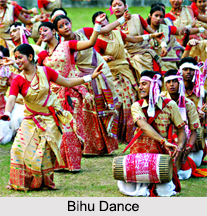
Bihu Dance: This is a happy dance that is contributed by men as well as women. The Bihu Dance is a folk dance of Assam which is extremely connected to the festival of Bihu. All dancers dress in the traditional and colourful Assamese clothes that attach charm to the complete dance. The important features of the dance are subtle movements of the hips, wrists, arms along with squats and curves but with no jumps. The dance is executed along with beautiful Bihu Music.

Folk Dances of North East India, Indian DancesZeliang Dance: The members of the ‘Zeliang’ tribe let their women members to take part in dance along with the men. Zeliang is a unique dance form of Nagaland. The members enter the dance stage with some unusual movements that are characterized by the foot beating sounds. Dancers change their beats relatively in this dance and some unusual chants and hand clapping sounds punctuate the whole presentation.

Hojagiri Dance: The Hojagiri dance is presented by ‘Riang’ clan of Tripura tribes. Only women are permitted to participate in this Puja and there are 5-7 members in each dance team. It is normally performed on the propitious occasion of the Hojagiri Lakshmi Puja.

Pung Chalom Dance: This is a famous Manipuri Dance. This is an exclusive dance that is an introduction to the famous ‘Ras Lila Dance’. Dancers move to the beat of the ‘pungi’ which is a kind of hand operated drum. Acrobatics are performed without breaking the tempo of the dance.

Singhi Chham Dance: Singhi Chham is a type of masked dance presented in Sikkim. This dance centres on the Snow Lion which is the symbol of Sikkim. The Snow Lion is formally identified as the symbol of the state of Sikkim as ordered by spiritual Guru Padamsambhava. This beautiful dance is performed in the month of September and demonstrates a great depiction of Sikimese culture.

For more visit the link given below:

Saturday, 20 February 2021

Assamese Films


Jyoti Prasad Agarwala Assamese films are an integral part of Indian film industry. It originated from the 1930s. This film industry more or less grew simultaneously with the Bengali films.

The first Assamese film to release was Joymoti by Jyoti Prasad Agarwala in 1935. Jyoti Prasad drew on historical and literary sources to depict the tragic patriotism of a princess produced his first film. Along with this he also portrayed the parallels with the situation of disorder and disharmony unleashed by the British rule on the people of Assam for aligning themselves with the National Movement. The film starred Phanu Barua, Asaideo Handige, Mohini Rajkumari, Phani Sarma, Sneha Chandra Barua, and Shamshul Haque.

However, the Assamese audience did not appreciate Agarwala's film. Although not a commercial success, it is notable that at a time when the Bombay cinema was producing mythological films, Joymoti was about an historical event.

With the movies of Bhabendra Nath Saikia and Jahnu Barua Assamese films got recognition from the entire nation. Biplabi was a film Directed by Asit Sen in 1948. This film starred Anupama Bhattachrya, Chandra Phukan, Rani Nath and Jagat Bezbaruah. The film dealt with the theme of nationalism and sacrifice. The technical quality of the film set it apart from other films of the genre.

In the 1930s and 1940s the Assamese films that were made did have a lot of flaws. But in the 1950s the scenario altered as far as serious cinema was concerned. Piyali Phukan won the National award. The film was directed by Phani Sharma and the plot revolved around the life of a freedom fighter, Piyali Phukan. It was during these days that the Assamese director Nip Barua made his debut. His first film was Smrit Paras. He later made Assamese movies like Mak Aaru Moram and Ranga Police. These films were felicitated by the State Award of Assam.
Bhupen Hazarika
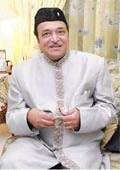
In the year 1955 Era Bator Sur was directed by Bhupen Hazarika. This film starred Phani Sarma, Bishnu Rabha, Bijoy Shankar, Anil Das, and Chhaya Devi. The Assam tea gardens are the setting for this love story: a researcher and a flautist fall in love with the same woman. The researcher steps aside because he believes the flautist's art to be indispensable. The film focuses on the tea gardens and the folk music of the workers.

By the middle of the 1960s Assamese films were made on a regular basis. The film industry grew with time. The Assamese movies went onto win numerous national and international awards.

Dr Bezbarua was released in the year 1969. It was a crime thriller that starred Nipon Goswami, Brojen Barua, Meghali Devi, Tarun Duara, Ranjana Bordoloi, and Sadhan Hazarika. Other notable films during 1970s are Aranya (1971), Banaria Phool( 1973), Bristi(1974), Ganga Chiloner Pankhi( 1975) etc.

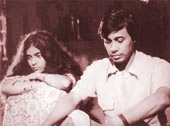
Sandhya RaagPapori was a film of 1986, directed by Jahnu Barua. It starred Biju Phukan, Gopi Desai, Sushil Goswami, Dulal Roy, Runjun, and Amulya Kakoti. The story depicts a man falsely accused of murder, his dying daughter tended to by his wife, the rape of the wife, the honest policeman stymied by political corruption - a grim story relieved only by the epilogue that speaks of the eventual justice for the accused and the policemen's promotion. The film was set in the year 1983 during the All-Assam Students' Union turbulence.

Surya Tejor Anya Naam(1991), directed by Dinesh Gogoi, starred Mihir Jyoti Baruah , Alok Nath, Violet Nazir, and Mridul Sutiya. The political turmoil of the state is the subject of this film, the first to clearly deal with the topic.

For more check the link given below:
https://www.indianetzone.com/2/assamese_films.htm

Thursday, 20 June 2019

Northbrook Gate, Guwahati, Assam


n5
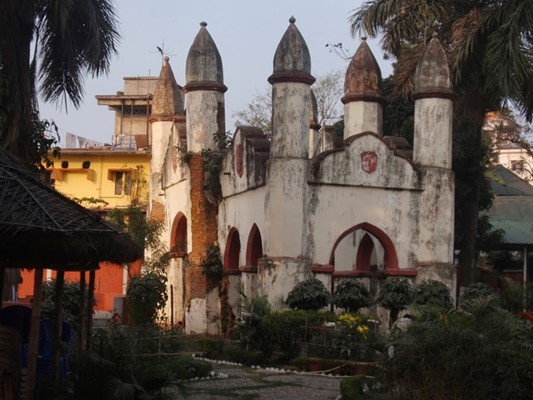
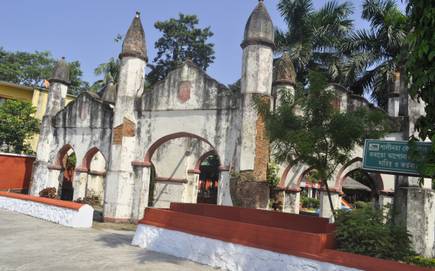
Located near the Sukreswar Ghat on the banks of the Brahmaputra River, the Northbroook Gate was built in 1874 to commemorate the British viceroy Lord Northbrook’s visit to Guwahati.


n2

History of Northbrook Gate

n4On 27th August, 1874, when the erstwhile Viceroy of India, Thomas George Baring, famously known as Lord Northbrook decided to visit Guwahati, a gate was constructed near the Sukreswar Ghat in his honour.  It is also believed that the urn containing the ashes of Mahatma Gandhi was stored near the gate before its immersion in the Brahmaputra.

n1Design of Northbrook Gate : 
n6The overall architectural style of the Northbrook Gate follows the Indo- gothic architecture fashion. The design of the gate is kind of reminiscent of the famous King’s College Chapel arches of England.


Restoration of Northbrook Gate
More than 145 years old, over the years the Northbrook Gate has been restored several times. The Archaeological Survey of India (ASI) and the state chapter of Indian National Trust for Art and Cultural Heritage (INTACH) to begin work on preserving the gate.

Assamese Cuisine, Indian Regional Cuisine


rsz_assamese_thali


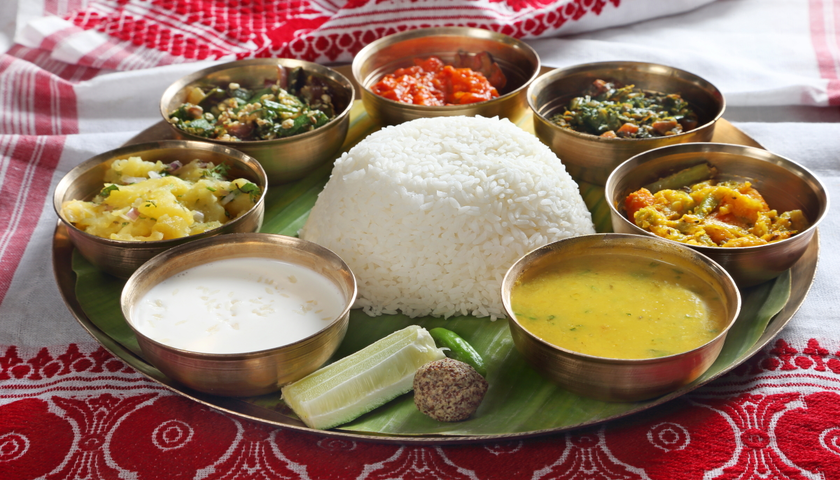
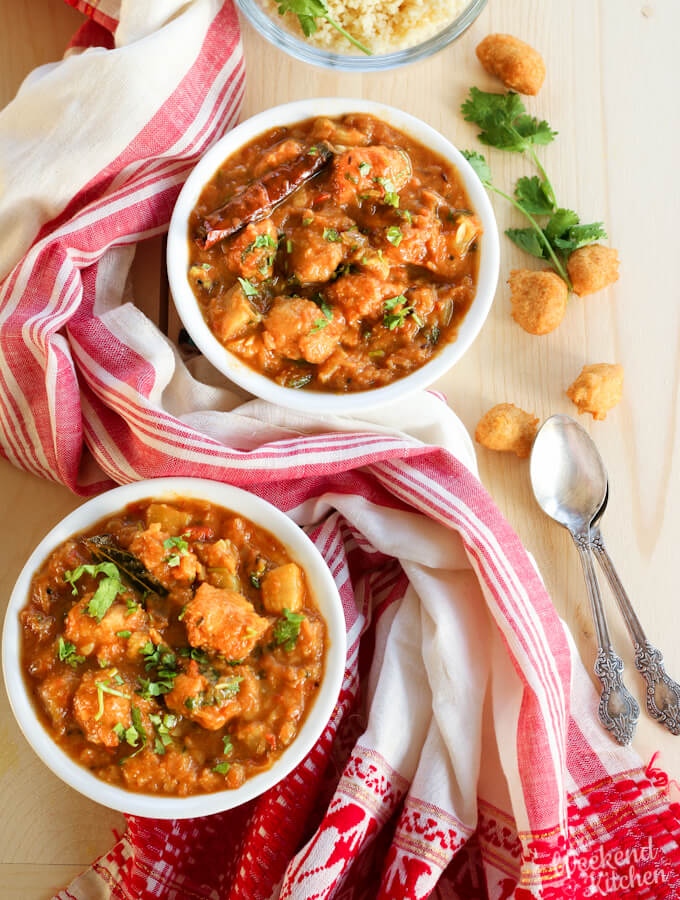
Assamese Cuisine is characterized by moderate use of spices. With a wide variety of indigenous food to offer, the food of Assam is famous for its distinct flavouring and influences on food.

assamese-j

Features of Assamese Cuisine
Assamese dishes are less spicy than any other Indian dishes, but carry the richness of taste and health. The food is served in bell metal utensils made by the community called Mariya.

Rice in Assamese Cuisine
imagesRice is the one of the most important ingredient in Assamese cuisine. Many varieties of rice are grown in this state. Rice is eaten in a boiled form or sun dried. Rice is also eaten as snack.
a4

Various Delicacies of Assamese Cuisine
‘Poitabhat’ is a favourite dish in Assam
Assamese_Boror_Tenga_red_lentil_curry.jpgduring the summer season. ‘Bora’ is made with local ‘Xaak’ within the main ingredient and served with tamarind pickle. ‘Pokori’ or fritter is made of flowers and tender leaves of pumpkin, bottle gourd, eggplant and night flowering jasmine.

ladd.jpgDesserts of Assam
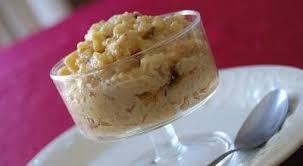
A majority of Assamese dessert are made of rice. Ingredients
images (1).jpg like coconut and jaggery are also widely used to make such dishes. The
sweet dishes of Assam are simple to prepare and do not require much time either.

Read more : Assamese Cuisine, Indian Regional Cuisine

Tuesday, 28 May 2019

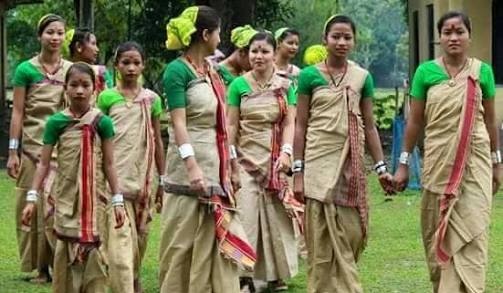
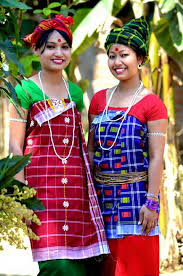
Traditional Dresses of Assam

Assamese-bride-Groom.jpg
gamocha-assamese-handwoven-towel-1467622.jpg1-3.jpgAssam Silk saris dresses of Assam consist of the Muga or the golden silk fibre which has a huge demand in the global market.The 'Muga' is the most important and the most preferred wild silk all over India and is the main cause behind the exquisiteness and elegance of the Assam Silk saris. Embroideries also incorporate, acquainted and culture-related things, such as architecture and stone sculptures on the Madan Kamdev Temple in Assam.
c165d7aaff5763c7cea787bec298a27eHub of Traditional Dresses of Assam
Sualkuchi is the place where the world famous Assam silk is grown. It is situated at a distance of 32 km from Guwahati. The golden silk of Assam is exceptional to this state.

Bodo Tribe 
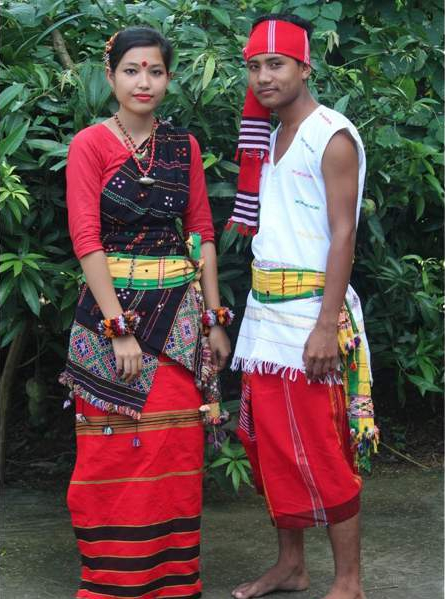
The Bodo Tribe of Assam resides amidst the lush greenery of the region.  The men of the Bodo tribe, dresses themselves in Dhoti and Chador, which is made from Endi.
bodo-tribe.jpg
assam
Dimasa Tribe
The dressing style of Dimasa Tribe in Assam is very similar to the Bodo tribe.
assa.jpgMech Kachcharis Tribe
Mech Kachcharis wear ordinary dresses that are hand spun and hand woven. The men wear dhoti, turban and endi shawl or chaddar
images (2)
Rabha tribe
The people belonging to Rabha tribe in Assam wear typical costumes known as koum kontong that are woven by women on the back-strap loom.

Mishing Community Mishing tribe The women of the Mishing tribe wear simplistic traditional dresses.

Read more : Traditional Dresses of Assam

Friday, 18 January 2019

Bihu Dance - Folk Dance Of Assam


Bihu Dance is a popular folk dance related with the state of Assam in India and it is performed commonly in the Bihu festival. There are three types of Bihu festivals that are popular in Assam namely Rongali Bihu, Kongali Bihu and Bhogali Bihu and the Bihu dance is performed in the Rongali Bihu.
This happy dance is performed by both young men and women, and is characterized by fast dance steps, swift hand movement.
Lord_Shiva_16105

Origin of Bihu Dance
The features regarding the origin of Bihu dance is not known but has been very significant in the cultures of many Assamese ethnic groups like the DeorisSonowal Kacharis, Chutias, Moran and Borahis. Basically, the word Bihu is the Assamese term for marking the onset of the harvest season or the Assamese New Year. It is an eagerly awaited festival and is one of the biggest festivals in Assamese culture involving a lot of indigenous display of song dance and merry making.
Bihu Dance, Assam, Indian Folk Dance

Costumes of Bihu Dance
The lively dance steps of Bihu and the quick hand movements describe the Bihu dance of Assam. This folk dance of Assam is performed generally by the young males and females to demonstrate their joy and happiness on the arrival of spring season.
The male performers of Bihu dance are dressed in dhotis and gamocha.
For more, here is a great site that you should checkout
Bihu dance is folk dance of Assam 

Friday, 19 August 2016

Assamese Poetry in Jonaki Era

Assamese poetry in Jonaki Era was a further re-inforcing of the theme of Romanticism which was the hallmark of the period. There is seen in the poetry a search for the sublime and the beautiful, and the man-centric theme and his association with nature and beauty is carried forward in the poetry of the Jonaki era. To know more read:
http://www.indianetzone.com/49/assamese_poetry_jonaki_era.htm