Showing posts with label regional dance. Show all posts

Saturday, 7 October 2023

Folk Dances of North Eastern India: Cultural Riches


North Eastern India, a region blessed with breathtaking natural beauty and immense cultural diversity, boasts a treasure trove of folk dance forms that vividly reflect the soul of its people. These folk dances play a pivotal role in preserving and passing down the rich heritage of the region. The dances of North East India are not merely rhythmic expressions but are deeply embedded in the social, religious, and cultural fabric of the indigenous communities. 


Folk Dances of Meghalaya

Meghalaya, often referred to as the "Abode of Clouds," is home to an array of captivating folk dances. The Rabha Dance, performed by the Rabha tribe, is a delightful mix of grace and vigor, accompanied by traditional musical instruments like the flute and drums. Another noteworthy dance is the Nongkrem Dance, which is part of the famous Nongkrem Dance Festival. This festival, celebrated by the Khasi tribe, involves vibrant rituals and showcases the indigenous culture of Meghalaya. The Wangala Dance of the Garo tribe is a joyful celebration of harvest, featuring rhythmic footwork and colorful costumes.


Folk Dances of Sikkim

Sikkim, nestled in the Himalayas, boasts its own unique folk dance forms. The Chaam, a sacred masked dance performed by Tibetan Buddhists, is a mesmerizing spectacle that symbolizes the triumph of good over evil. The Maruni Dance, typically performed during the Dashain festival, is a traditional Nepali dance showcasing the cultural fusion that characterizes Sikkim. It is accompanied by melodious tunes and graceful movements, making it a visual treat.


Folk Dances of Arunachal Pradesh

Arunachal Pradesh, known as the "Land of the Dawn-Lit Mountains," is a melting pot of diverse ethnic groups, each with its distinct dance forms. The Wancho Dance, performed by the Wancho tribe, is a vibrant display of warrior-like movements, reflecting their martial traditions. The Buiya Dance, on the other hand, is a lively celebration of the Miju Mishmi tribe, performed during festivals and rituals.


Folk Dances of Nagaland

Nagaland, with its rich tribal heritage, showcases an array of folk dances that are an integral part of the community's life. The Hornbill Festival provides an excellent platform to witness these dances. The Chang Lo or 'Sowing Dance' is performed by the Chang tribe during agricultural activities, while the Zeliang Dance is characterized by rhythmic footwork and distinctive headgear. The warrior dances like the Kuki and Angami Sekrenyi dances evoke the spirit of valor and unity.


Folk Dances of Mizoram

Mizoram, known for its lush green hills and vibrant culture, features dances that resonate with the joy and enthusiasm of its people. Cheraw, often called the "Bamboo Dance," is a unique form where dancers perform intricate movements while balancing on bamboo sticks. The Khuallam Dance is a lively group dance that embodies the essence of Mizoram's communal harmony and brotherhood.


Folk Dances of Tripura

In the serene state of Tripura, folk dances are an essential part of religious and social festivities. The Hojagiri Dance, performed by the Reang community, involves balancing earthen pitchers on the dancer's head while showcasing graceful movements. The Garia Dance, performed to honor the deity Garia, features vibrant costumes and rhythmic steps, marking the cultural richness of Tripura.


Folk Dances of Assam

Assam, the land of tea gardens and the mighty Brahmaputra, is equally renowned for its traditional folk dances. The Deodhani Dance, a ritualistic dance form, is performed by women to invoke the serpent goddess Manasa. Bihu Dance, the most celebrated folk dance of Assam, is performed during the Bihu festival, reflecting the spirit of Assamese culture with its lively music and energetic dance steps.


Folk Dances of Manipur

Manipur, often referred to as the "Jewel of India," is known for its classical and folk dance forms. The Pung Cholom Dance, an essential component of Manipuri classical dance, is a rhythmic and acrobatic performance featuring the traditional drum, Pung. The Thabal Chongba is a folk dance celebrated during the Holi festival, where men and women come together to dance and interact, fostering social bonds.


The folk dances of North Eastern India, rooted in centuries-old traditions and rituals, continue to thrive and pass down the rich cultural legacy of these states. They serve not only as a form of entertainment but also as a medium to preserve the diverse heritage of the region. These dances, performed with fervor and dedication, are a testament to the resilience of indigenous cultures in the face of modernity, ensuring that the vibrant tapestry of North East India's traditions remains intact for generations to come. As we witness these dances, we are transported to a world where the past meets the present, and the spirit of unity and celebration prevails.

Friday, 5 May 2023

Folk Dances of India


India is a land of diverse cultures, traditions, and beliefs, which is reflected in its vibrant folk dances. Each region of India has its unique folk dances that showcase the rich cultural heritage of that area. From the colorful and energetic Bhangra of Punjab to the graceful and elegant Bihu of Assam, Indian folk dances are a beautiful amalgamation of music, rhythm, and culture.


South India:

South India is known for its classical dance forms like Bharatanatyam, Kuchipudi, and Kathakali, but it also has a rich tradition of folk dances. The popular folk dances from this region include Dandiya Raas from Gujarat, Garba from Rajasthan, and Yakshagana from Karnataka. Dandiya Raas is a dance form that involves using wooden sticks, while Garba is a circular dance that is performed during the festival of Navratri. Yakshagana is a dance-drama form that combines music, dance, and drama and is performed with elaborate costumes and makeup.

North India:

Bhangra and Gidda are the most popular folk dances of Punjab, which is located in the north-western part of India. Bhangra is performed by men, while Gidda is performed by women. The dancers wear bright-colored costumes and perform to the beat of the dhol, a traditional drum. Another popular folk dance from the state of Uttar Pradesh is the Charkula Dance. It is a devotional dance performed by women, where they balance a pot on their head and dance on broken glass.

East India:

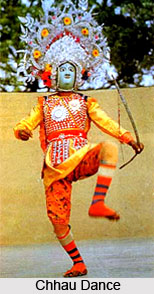
East India is home to many tribal communities, and their folk dances are a reflection of their lifestyle and traditions. The popular folk dances from this region include Bihu from Assam, Chhau from West Bengal, and Sambalpuri from Odisha. Bihu is a festival dance that is performed during the harvest season, while Chhau is a martial dance that is performed with masks and colorful costumes. Sambalpuri is a folk dance from western Odisha that is performed during weddings and other social occasions.

 North East India:

North East India is a culturally rich region that is home to many tribal communities. The popular folk dances from this region include Bihu from Assam, Naga dance from Nagaland, and Cheraw from Mizoram. Bihu is a festival dance that is performed during the harvest season, while the Naga dance is performed during the Hornbill Festival. Cheraw is a bamboo dance that is performed by the people of Mizoram during social occasions. 

West India:

West India is known for its colorful and vibrant folk dances. The popular folk dances from this region include Lavani from Maharashtra, Dandiya Raas from Gujarat, and Garba from Rajasthan. Lavani is a dance form that originated in Maharashtra and is performed by women. The dance involves a lot of hip movements and is performed to the beat of the dholki, a percussion instrument. Lezim Dance is a folk dance form of Maharashtra. This dance is more of a vigorous physical exercise and drill than a dance.

Central India:

Central India is home to many tribal communities, and their folk dances are a reflection of their lifestyle and traditions. The popular folk dances from this region include Gondhal from Maharashtra, Bhagoria from Madhya Pradesh, and Karma from Chhattisgarh. Gondhal is a devotional dance form that is performed during festivals and is accompanied by singing and music. Bhagoria is a festival dance that is performed by young men and women during the festival of Holi. Karma is a dance form that is performed by the tribal communities of Chhattisgarh during the festival of Karma.

For more, visit the link below:

 https://www.indianetzone.com/1/indian_folk_dances.htm


Thursday, 4 May 2023

Dances of India


India is a land of diverse cultures, religions, and traditions, and its dance forms are a reflection of this rich heritage. Indian dance can be traced back to ancient times and is believed to have originated from the religious rituals and ceremonies of the various communities that inhabited the country. Today, Indian dance has evolved into a highly stylized art form that is appreciated and admired across the world.


Classical Indian Dance

Classical Indian dance forms have their roots in the ancient Hindu scriptures, which describe various forms of dance as a means of worshiping the gods and goddesses. There are eight classical dance forms in India, and each of them has a unique style, history, and significance. 

Bharatanatyam is one of the most popular classical dance forms in India, and it originated in the southern state of Tamil Nadu. It is a highly stylized dance form that is characterized by intricate footwork, graceful hand gestures, and complex facial expressions. 

Kathak is a classical dance form that originated in northern India, and it is known for its intricate footwork, swift spins, and graceful movements. It was originally performed in the royal courts of the Mughal emperors, and it has evolved into a highly stylized art form that is enjoyed by audiences across the world. 

Kathakali is a classical dance form that originated in the southern state of Kerala, and it is known for its elaborate costumes, intricate makeup, and highly stylized movements. It is characterized by its use of facial expressions, which are used to convey a range of emotions. 

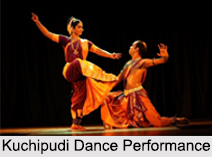
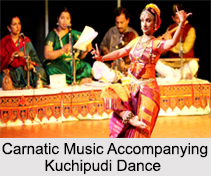
Kuchipudi is a classical dance form that originated in the southern state of Andhra Pradesh, and it is known for its fast footwork, intricate hand gestures, and graceful movements. It is performed by both men and women and is often accompanied by live music. 

Manipuri is a classical dance form that originated in the northeastern state of Manipur, and it is known for its graceful movements, gentle footwork, and delicate hand gestures. It is often accompanied by live music and is performed in a circular pattern, with the dancers moving in a synchronized manner. 

Mohiniyattam is a classical dance form that originated in the southern state of Kerala, and it is known for its graceful movements, gentle footwork, and delicate hand gestures. It is often performed by women and is characterized by its use of facial expressions to convey emotions. 

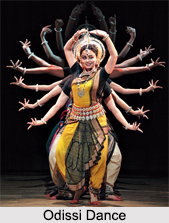
Odissi is a classical dance form that originated in the eastern state of Odisha, and it is known for its fluid movements, intricate footwork, and graceful hand gestures. It is often accompanied by live music and is characterized by its use of facial expressions to convey emotions. 

Sattriya is a classical dance form that originated in the northeastern state of Assam, and it is known for its graceful movements, intricate footwork, and delicate hand gestures. It was originally performed in the monasteries of Assam and is characterized by its use of religious themes. 

Regional Indian Dance

India is a land of diverse cultures, and each region has its unique dance forms that reflect its traditions and customs. There are numerous regional dance forms in India, and each of them has a unique style, history, and significance. 

Bhangra is a traditional dance form that originated in the northern state of Punjab, and it is known for its energetic movements, fast footwork, and vibrant costumes. It is often performed during weddings and other festive occasions and is accompanied by live music. 

Garba is a traditional dance form that originated in the western state of Gujarat, and it is known for its graceful movements, intricate footwork, and colorful costumes. It is often performed during the Navratri festival and is accompanied by live music. 

Bihu is a traditional dance form that originated in the northeastern state of Assam, and it is known for its energetic movements, fast footwork, and colorful costumes. It is often performed during the Bihu festival and is accompanied by live music. 

Giddha is a traditional dance form that originated in the northern state of Punjab, and it is performed exclusively by women. It is known for its graceful movements, intricate footwork, and colorful costumes. It is often performed during weddings and other festive occasions and is accompanied by live music. 

Indian dance is a reflection of the country's rich cultural heritage, and it has evolved into a highly stylized art form that is appreciated and admired across the world. From the classical dance forms that have their roots in ancient Hindu scriptures to the regional dance forms that reflect the traditions and customs of each region, Indian dance is a celebration of diversity and creativity.

For more, visit the link below:

https://www.indianetzone.com/1/indian_dances.htm


Monday, 11 July 2022

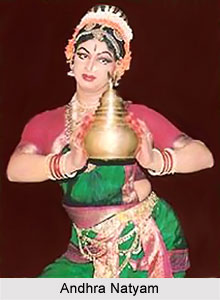
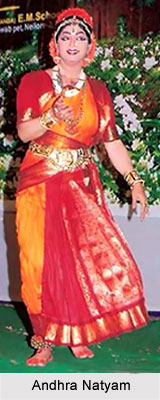
Andhra Natyam, Indian Classical Dance


Andhra Natyam, Indian Classical DanceAndhra Natyam is a form of classical dance that originated in the southern part of India, in the Indian state of Andhra Pradesh. This dance form has a long and rich history of 2000 years, but it got lost during the rule of Mughals and British Empire. But fortunately the dance form came to be revived in the 20th century. However, as a result of strong grammatical and structural resemblance to Kuchipudi and Bharatanatyam, this dance form is often considered as a mixture of both.

Origin of Andhra Natyam
The Andhra Natyam dance form has been derived from numerous classical dance forms and has close similarities with Kuchipudi and Bharatanatyam, including the older dance styles like Dasiattam, Kacherittam, Chinnamelam. It can be said that this dance form actually originated from temples, but it is also performed by courtesans known as Kalavantulu in Telugu, and also in open-air public performances well-known as Kalopam are a part of Andhra Natyam.

About Andhra Natyam
The classical dance of southern India is mainly divided into two major categories. They are Natya Melamu and Nattuva Melamu. While the former is performed by men, the latter is performed solo by women. Dance forms like MohiniattamOdissiand Bharatnatyam follow the tradition of Nattuva Melamu tradition. The Kuchipudidance style follows the Natya Melamu tradition.

Nattuva Melamu is a dance style which is greatly performed by the women flocks and is mainly adapted in a classical dance form which is called Andhra Natyam. Though the name sounds to be new, but the history of this dance goes back a long way, and is as old as the Telugu culture itself.

Andhra Natyam, Indian Classical DancePrior to being called Andhra Natyam, this dance form was referred to as Kelika Darbaru, Kaccheri, Mejuvani etc. Abhinaya and dance were both an integral part of the dance in the ancient times. The main reason for calling it as Andhra Natyam is because it is performed in many temples, king's courts and in local gatherings.

For more, visit the link below:

Wednesday, 13 April 2022

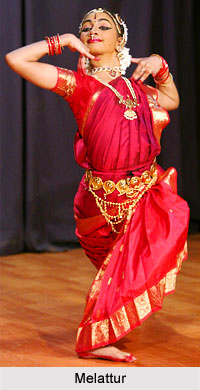
Melattur Style of Bharatnatyam


Melattur Style of BharatnatyamMelattur style of Bharatnatyam dance was innovated, developed and improvised greatly out of devadasi traditions and Melattur Bhagavata Mela by Mangudi Dorairaja Iyer, a sanyasi following Srividya Upasana. Mangudi Dorairaja Iyer was born in the year 1900 and died in 1980.

Bharatnatyam Dancer of Melattur Style
Mangudi Dorairaja Iyer re-established the Suddha Nrittam (complicated and stylized tapping footwork that searches various time measures in various tempos), Bhattasa Natyam and Perani Natyam (dance on the clay pot). He became associated in Shuddha Nrittam after watching a brilliant performance by devadasi of Cheyyur Sengalvarayar temple, who performed it along with other 71 types of items (e.g. Kavita, Nritta, Vadya, Sangeeta and others).

Themes
Mangudi went against the traditional Bharatnatyam gurus and avoided all the items that glorified the poets human patrons, as performing such items would not go with his devotion to spiritual practices of Srividya Upasana. It is only the holy rishis or the deities who are considered of such glorification. Thus, the elements or repertoire of a Melattur style dancer consists mostly of the ancient items performed in the temples.

Footwork
In the Melattur style of dancing, instead of stumping the foot hard against the floor the dancer is expected to use salangai (ankle bells) in a better manner that helps in producing rich variety of sounds and also glorifies the rhythm.

For more, visit the page below:

Wednesday, 16 February 2022

Indian Classical Dancers


Indian Classical DancersIndian Classical Dancers are the torch bearers' of Classicism who have had forayed into self chosen ways of traditional upswings to become the dancers they have become. Some of the well know2n Classical Dancers are Alokananda RoySwami HaridasAmita DuttChitra VishweswaranPadma Subramanyam, Madhavi Mudgal, Mahua Mukherjee and many other exponents.

Sonal Mansingh
Sonal Mansingh is one of the finest classical dancers of the country, who has made her mark in the field of Odissi Dance. She was born on 1st May 1943 to a devout mother Poornima Pakvasa who had a love for creative art. Sonal Mansingh took up dance as profession at a time when it still had not gained respectability as a profession. Prejudices still exist in order that a dancer was called names like 'nautch girl', she did not pay heed to such snide remarks. She grew up in a family, which emphasized through their living, the values of the free Indian spirit. Her grand father Mangaldas Pakvasa, a freedom fighter was a man who believed in equality of gender. He instilled in her, timeless values that she still cherishes today and encouraged her artistic talents, which she wanted to use to serve the cause of culture with dignity through dance. So the support from grandfather and mother to learn dance raised the great dancer. To her dance is a part of the environment and dance forms should reflect issues of the society and she firmly believes that art forms have the power to bring even countries closer. Some of her choreographic works reflects issues concerning women and environment.

Yamini Krishnamurthy
Yamini Krishnamurthy is an exponent of Bharatnatyam and Kuchipudi and has dedicated her life to Indian classical dance for decades. This eminent dancer of Bharatnatyam and Kuchipudi, Yamini Krishnamurthy was born into a Telugu family on a full moon night in 1940 at Madanapalli, Andhra Pradesh. Yamini's father, M. Krishnamurthy, was a Sanskrit scholar and grandfather was an expert in Urdu poetry. Her grandfather named her 'Yamini Poornatilaka', that means "a beautiful mark on the brow of light". Her charisma and stage presence were recognized when she gave her debut in 1957 in Chennai. She became one of the most admired dancers in the country by 1960. Her performances brought about national and international recognition to the classical styles of Bharat Natyam and Kuchipudi. Yamini's played significant role in popularizing Kuchipudi that was then emerging as a solo dance form of Andhra Pradesh in southern India.

Mallika Sarabhai
Mallika Sarabhai is one of the most renowned Kuchipudi and Bharatanatyam dancers in India today. This performer and creator of many talents developed from being a young, internationally acclaimed classical dancer and film personality, to being an activist and commentator on social issues. Positive reassertion of images of womanhood has been reflected through her dance, theatre and writing. She exercises the vocabularies of Indian traditions as biting tools to carve new reactions in a culture, which favors conservatism. As dancer, actress, choreographer, writer, or instigator of community projects she challenges audiences to sit up and think, realign themselves to questions of ecology, women's place in society, gender awareness, cultural atrophy, the very place of the arts in our society. Dynamic, charming and dry-witted, she is a rare creature in the arts. It is her expertise and deep knowledge of two forms of Indian classical dance, Bharatanatyam and Kuchipudi from Tamil Nadu and Andhra Pradesh respectively at the root of Mallika's performance. Mallika received her first award in 1977. Along with many salutations she was the recipient of the "French Palme D'or", the highest civilian award by the French Government and in Paris she was honored as the 'Best Soloist Artist' among 400 dancers from 25 countries among other awards.

For more, visit the link below:

Wednesday, 19 January 2022

Folk Dances of Maharashtra


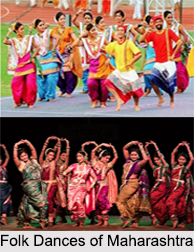
Folk Dances of MaharashtraFolk Dances of Maharashtra have evolved mainly from the rural areas of Maharashtra. Several folk dances in this state are performed during the time of festivalsor other occasions, representing the merrymaking and culture of Maharashtra. The state has been famous for its vibrant music and the folk forms are the true reflection of the society.

Various Folk Dances of Maharashtra
Kala and Dindi are the religious folk dances of this state which are performed with a lot of enthusiasm. Apart from the religious folk dances, there are various other folk dances which are performed in the state of Maharashtra. The folk dances of Maharashtra are detailed below:

Kala: Kala is a form of folk dance which describes the jovial mood of Lord Krishna. This folk dance of Maharashtra includes in its performance a pot which symbolizes fertility. A man breaks the pot and splashes curds over the dancers. The dancers twirl sticks and swords in a feverish battle dance after this ceremonial opening. The most prominent attraction of this dance form is the rhythm and the beat.

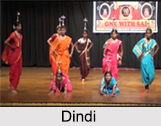
Folk Dances of MaharashtraDindi: Another religious folk dance of Maharashtra is Dindi. This dance is performed mainly during the day of Ekadashi in the Kartik month of the Hindu calendar. This dance portrays Lord Krishna performing naughty deeds and having a playful nature. The dancers dance with the rhythm of the drum beat known as Dindi by encircling the musicians, and thus creating a fantastic musical background.

Koli: Koli Folk Dance is another folk dance of Maharashtra which got its name from fisher folk of the state called 'Kolis'. The Kolis are known for their lively dances and a separate identity. The dances of these fishermen possess elements taken from their occupation, which is fishing. Koli is performed in this state by women and men, who divide themselves in two groups. They depict the boat rowing movement in the Koli dance. The Koli dancers also present the wave movements and the net casting movement as if catching fish.

For more, visit the link below:

Tuesday, 4 January 2022

Forms of Manipuri Dance


Forms of Manipuri DanceThe term Manipuri actually covers a number of dance forms from the region, viz:
Rakhual: Also termed as the Gusthalila, this is basicallt a group dance performed by a group of boys, wearing colorful attires and ornaments. Lord Krishna dancing with his mates is the theme of this dance form. The legends from Mahabharata like the demons coming to kill Krishna and almost all the stories from the life of Krishna forms the theme of this Rakhual dance. Colorful dresses like, Churas, koknaams, leitrengs Feichooms or Dhutis and khobols coupled with the stylised form of Dancing ensures the sublimity, subtlety of this dance form.

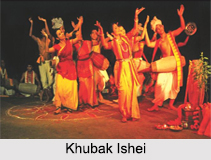
Khubak Ishei: Khubak Ishei is a type of Clapping song, which is generally performed by the female singers with a male drummer. This form was initiated during the reign of King Churachand Singha. They sing the song of Radhas pang of separation after Krishna left her .

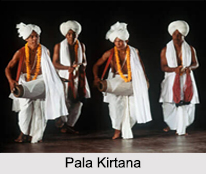
Pala Kirtana: Vaishnava Pala Kirtana using Dhak and Kartal has carved a niche in Manipuri fine arts. The dance is otherwise known as Kartal Cholom or Cymbal Dance. Although starts as a soft and graceful movement, the form, gradually gathers the momentum. It is a group performance of male partners, using cymbals and wearing snow-white ball-shaped large turbans.

Thabol Chongba: This is perhaps the most striking yet seductive dance form. Thabol Chongpa, which literally means the "moon light jump" echoes the serenity and sedulity of the tawny moon amidst the intricate footwork. As soon as the moon raises over the hills the flute, the drums and the cymbals starts pouring out music. The boys and girls joins hand with the beat of music. They wear no make-up and special costumes.

Other Devotional Forms: The diverse reflections of the song, dance, and martial arts culture that is the innate culture of the Manipuri people are as follows:
1. Udukhol: Krishnas Valya Lila and Vatsalya Ras is enacted through this dance and devotional music.
2. Basak: A kind of Sangkirtan for males and females alike, where the theme is derived from Basak Sajya, preparation of a seat for Sri Krishana and Sri Radhika and her maids with flowers.
3. Gouralila: Performed by boys of the age group of 8 and 10 years, representing Sri Chaitanyas lila such as meeting the Kesav Vharati, saving jogai - madhai, etc.
Forms of Manipuri Dance4. Thang Ta: Martial arts by the Manipuri Meitheis, the dance with the use of spear and sword.
5. Nupa Pala: Also known as Kartal Cholom or Cymbal Dance, is a characteristic of the Manipuri style of dance and music.
6. Dhop Kirtan: A kind of kirtan style, which is devoid of movements, must be held in connection of Durga Puja, Jhulan Jatra, Mera and Kartika festival.

Friday, 22 October 2021

East Indian Dances, Indian Regional Dance


East Indian Dances, Indian Regional Dance, Indian DancesEast Indian Dances comprise of an eye-catching combination of classicalfolk and tribal dance forms that replicate the history of the region spanning over a time frame of hundred years. As a result of developing over several eras, the dances of eastern India have been catalysed by various factors.

East Indian Dances are the outcome of several religious inspirations, cultural expressions, as well as entertainment. Eastern India; coloured by the rainbow of cultural and linguistic characteristics; even thrives to be a standalone barricaded by the shadow lines of historical influences intermingled with the existing traditions of the land. Eastern India had been the historical centre of the KalingaSunga and Pala empires, who had the monopoly of the political reigns to their kitty. The states also experienced the rule of Mughals and then the British empires that influenced the culturemusic and tradition of eastern India a lot. Thus the major dances that emerged as the popular dance forms of the region include several folk and tribal dances along with classical dance forms.

Some of the East Indian Dances are as follows:

East Indian Dances, Indian Regional Dance, Indian DancesJhijhian: Jhijhian dance is a dance style, well-liked in Bihar. This is a ritualistic dance performed during no-rain time and aims at building the God of rain pleased. The dance is accompanied by a song which is full of prayers to Lord Indra, the rain God. The participants of the dance comprise a lead singer, harmonium player, a flute player, and a dholak player.

Paika: Another popular dance form of Bihar is Paika. The dance reminds us of infantry and its quickness, courage, and excitement. The dance is popular mainly in the Mayurbhanj region. A flat ground is essential for its performance. This dance displays the skills and the ability of the dancers to handle these weapons. The dance reaches its climax with the fast beats produced by ‘Mandal’. Performers wear colourful turbans and tight dhotis and stand in two rows. Holding the wooden swords and shields in their hands, warriors engage in a fierce mock combat.

The Santhal Dance: This dance is based on the folk dance of Madhya Pradesh. This is the dance that usually wraps the themes related to the matters of gender and land rights. Both men and women take part in the Santhal dance.

Phagua: This is a dance that is performed by the males in the time of Hindu festival Holi. Throughout their performance, the dancers throw coloured water and powder on each other. Women also join this Phagua dance in some of the parts of Jharkhand.

Tuesday, 31 August 2021

Kuchipudi Dance, Indian Classical Dance


Kuchipudi Dance, Indian Classical DanceKuchipudi dance, originally called Kuchelapuri or Kuchelapuram, is a classical dance form. From South Indian state of Andhra Pradesh it grew largely as a product of Bhakti (devotion) movement beginning in the seventh century A.D. It derives its name from the village of Kuchelapuram in Krishna district, which is a small village about 65 km from Vijayawada. Kuchipudi dance is known for its graceful movements and its strong narrative or dramatic character. The tradition of Kuchipudi dance was passed down through generations of Brahmin families in Kuchipudi village and interacted with the temple dance traditions as well as the other drama traditions of South India.

Origin of Kuchipudi Dance
Kuchipudi dance, like other classical dance forms in India, traces its roots to the Sanskrit Natya Shastra, a foundational treatise on the performing arts. Its first complete compilation is dated to between 200 BCE and 200 CE; but the estimates vary between 500 BCE and 500 CE. The most studied version of the Natya Shastra text consists of about 6000 verses structured into 36 chapters.

During earlier days Kuchipudi dance was performed once in a year and the dance form was cautiously kept out of the reach of Devadasis. From the fist performers, the technique and skills of this form got handed over to the next generations to acquire the present form. The tradition has remained so unbroken that even today in some of the coastal areas of Andhra pradesh, Kuchipudi dance is still performed by all-male troupes.

However, in modern times, women have dominated the art. Modern Kuchipudi dance acquired its present form in the 20th century. A number of people were responsible for moving it from the villages to the performance stage. Prior to this time, even as early as the 8th century, prototypes of the Kuchipudi dance drama centering on the life of Lord Shiva and other Hindu gods had been performed and was known as Nattuva Mala. Originally it was meant to be a ritualistic performance full of religious passion and devotion. Properly trained men and boys presented the dance in the open air on an improvised stage. The play began by paying respect to Lord Ganesha. In the past 30 years, the dance has undergone a revival as both a solo and dance drama tradition and is now performed on the modern stage around the world by both men and women.

Style and Technique of Kuchipudi Dance
Kuchipudi dance styles are based on Abhinaya Darpana and Bharatarnava of Nandikeshwara, which are then sub-divided into Nattuva Mala and Natya Mala. Nattuva Mala is of two types- the Puja dance performed on the Balipitha in the temple and the Kalika dance performed in a Kalyana Mandapam. Natya Mala is of three kinds-ritual dance for gods, Kalika dance for intellectuals and Bhagavatam for common place.

Kuchipudi Dance, Indian Classical DanceCostumes and Jewellery of Kuchipudi Dancers
Kuchipudi dance has now gained immense popularity because of its lilting music and graceful and flowing movements and vibrant stage presentation. Costumes of Kuchipudi dance look similar to Bharatnatyam costumes. The important characters have different make up and the female characters wear ornaments and jewellery such as Rakudi (head ornament), Chandra Vanki (arm ornament), Adda Bhasa and Kasina Sara (neck ornament) and a long plait decorated with flowers and jewellery. Ornaments worn by the artists are generally made of a lightweight wood called Boorugu.


For more, visit the link below: