India, a land of diverse cultures and traditions, boasts a
rich heritage of performing arts that have been passed down through
generations. Dance, in particular, holds a special place in the heart of every
Indian, transcending regional and linguistic boundaries. These dance forms are
not just a display of artistic prowess but also serve as a unifying force that
binds together the country's myriad communities. In this article, we will delve
into the fascinating world of Indian dances, tracing their historical roots,
exploring classical and tribal forms, delving into contemporary and fusion
styles, introducing renowned Indian dancers, and shedding light on the vibrant
dance festivals that grace the Indian calendar.
History of Indian Dances
The history of Indian dances can be traced back to the
ancient treatise on performing arts, Natyashastra, written by the sage Bharata
Muni. Composed around 200 BCE to 200 CE, Natyashastra lays the foundation for
classical Indian dance forms by codifying the principles of movement,
expression, and emotion. It serves as the cornerstone upon which various Indian
dance traditions are built.
Additionally, the Vedas, the ancient Indian scriptures, also
contain references to dance as a form of worship and artistic expression. These
sacred texts mention dances like the Tandava and Lasya performed by Lord Shiva
and Parvati, demonstrating the deep spiritual and cultural significance of
dance in ancient India.
Classical Dances of
India
Indian classical dances are revered for their grace,
precision, and intricate storytelling. These art forms are deeply rooted in
tradition and mythology, with each style originating from a specific region of
the country.
Bharatanatyam:
Originating in the temples of Tamil Nadu, Bharatanatyam is characterized by its
fluid movements, expressive gestures (mudras), and intricate footwork. It
narrates stories from Hindu mythology and is a quintessential representation of
South Indian culture.
Mohiniattam:
Hailing from the state of Kerala, Mohiniattam is known for its gentle and
graceful movements. The dance form, performed predominantly by women, often
depicts tales of love and devotion.
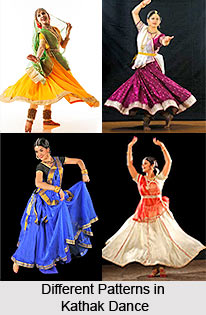
Kathak: Kathak,
with its origins in North India, is renowned for its fast footwork and
intricate spins. It combines elements of storytelling with rhythmic patterns,
creating a mesmerizing experience for the audience.
Odissi: Emerging
from the eastern state of Odisha, Odissi dance is characterized by its lyrical
movements and themes inspired by the sculptures adorning ancient temples. It
celebrates the divine and earthly in perfect harmony.
Tribal Dances
of India
In addition to classical dance forms, India is also home to
a plethora of tribal dances that are a testament to the rich cultural diversity
of the country. These dances are deeply rooted in the tribal way of life and
are often performed during various ceremonies and festivals.
Bihu Dance:
Hailing from the northeastern state of Assam, the Bihu dance is a vibrant and
energetic form performed during the Bihu festival. It celebrates the arrival of
spring and the agricultural harvest.
Garba and Dandiya:
Popular in the state of Gujarat, Garba and Dandiya are group dances performed
during the Navaratri festival. Dancers form circles and use colorful sticks or
simply their hands to create rhythmic patterns.
Chhau Dance:
Originating in the eastern states of Jharkhand, West Bengal, and Odisha, Chhau
dance combines martial arts, acrobatics, and storytelling. It often depicts
episodes from Indian epics like the Ramayana and Mahabharata.
Contemporary
Dance in India
With the changing times, Indian dance has evolved to include
contemporary styles that blend traditional elements with modern expressions.
Contemporary dance in India is marked by its experimental and innovative
approach, often addressing social and political issues.
Bollywood Dance:
Perhaps the most popular contemporary dance form in India, Bollywood dance is a
fusion of various dance styles, including classical, folk, and Western forms.
It is characterized by its energetic and entertaining performances seen in
Indian cinema.
Indian Fusion
Dance
Indian fusion dance forms are a delightful amalgamation of
Indian classical or folk elements with international dance styles. These fusion
dances are not only entertaining but also a reflection of India's openness to
diverse influences.
Kathak Fusion:
Dancers often blend traditional Kathak with contemporary elements, creating a
unique fusion that appeals to a global audience.
Bharatanatyam Fusion:
Similar to Kathak fusion, Bharatanatyam fusion combines the classical form with
modern concepts and music genres, making it more accessible to a wider
audience.
Indian Dancers
India has produced a multitude of world-renowned dancers who
have brought recognition and acclaim to their respective dance forms. From
classical dancers like Birju Maharaj, Mallika Sarabhai, and Alarmel Valli to
contemporary stars like Shiamak Davar and Terence Lewis, these artists have not
only mastered their craft but also played pivotal roles in promoting Indian
dance on the global stage.
Indian Odissi
Dancers:
Odissi, one of India's classical dance forms, boasts a rich
tradition of talented performers who have dedicated their lives to this art.
Some of the notable Odissi dancers include Kelucharan Mohapatra, often referred
to as the "Guru of Odissi." His contributions to the revival and
popularization of Odissi are immeasurable, and his legacy continues through his
disciples. Similarly, the graceful and expressive Sanjukta Panigrahi is
celebrated for her emotive storytelling through dance. These Odissi dancers
have played a pivotal role in preserving and promoting the aesthetic beauty of
this classical dance form.
Indian Kathak
Dancers:
Kathak, with its captivating footwork and storytelling, has
witnessed the rise of several legendary performers who have left an indelible
mark on the dance world. The iconic Birju Maharaj, a maestro of Kathak, is
revered for his virtuosity and unparalleled artistry. His ability to seamlessly
blend tradition with innovation has made him an inspiration to dancers
worldwide. Additionally, Shovana Narayan, known for her elegant Kathak
performances, has dedicated her life to both preserving the classical aspects
of the dance and pushing its boundaries with contemporary interpretations.
Indian Kathak dancers continue to enchant audiences with their grace and
precision.
Manipuri Dancers:
Manipuri dance, originating from the northeastern state of
Manipur, possesses a unique charm and spirituality that has been embodied by
remarkable artists. Guru Bipin Singh, considered one of the pioneers of
Manipuri dance, played a vital role in popularizing this dance form across
India and the globe. His dedication to the traditional Lai Haraoba and Ras Lila
styles has been instrumental in preserving Manipuri's cultural essence. Other
renowned Manipuri dancers, such as Darshana Jhaveri and Priti Patel, have also
made significant contributions to the propagation of this graceful and
spiritually rich dance form. Manipuri dancers bring forth the essence of their
culture through every graceful movement, portraying the stories and traditions
of their homeland.
Indian Dance
Festivals
Dance festivals in India hold immense cultural and spiritual
significance. They bring together dancers, scholars, and enthusiasts from all
over the world to celebrate the art of dance. Some of the prominent dance
festivals include the Khajuraho Dance Festival, Konark Dance Festival, and
Natyanjali Festival, among others. These festivals provide a platform for
artists to showcase their talents and contribute to the preservation and
promotion of Indian dance traditions.
Indian dance forms are a testament to the country's rich
cultural heritage and diversity. From Indian dance forms are a testament to the
country's rich cultural heritage and diversity. From the ancient Natyashastra
to the contemporary fusion styles, each dance form tells a unique story and
reflects the essence of its region. These dances have not only survived the
test of time but have also evolved to stay relevant in today's world. They
serve as a bridge between the past and the present, uniting communities and
cultures through the universal language of movement and expression. As we
continue to celebrate and cherish these dance forms, we ensure that India's
artistic legacy remains vibrant and enduring.