Showing posts with label folk music. Show all posts

Friday, 12 September 2025

Folk Music of Assam


Assam, often called the gateway to Northeast India, is not only known for its lush tea gardens and vibrant festivals but also for its rich tradition of folk music. Rooted in the everyday lives of the people, Assamese folk music is a reflection of the state’s cultural diversity, spiritual practices, and agricultural lifestyle. It brings together influences from indigenous tribes, ancient rituals, and devotional traditions, weaving a soundscape that is both unique and timeless. 

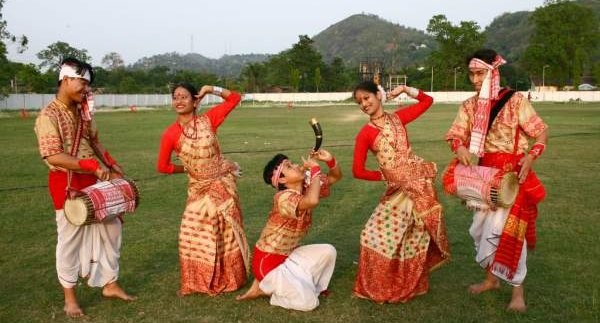
One of the most celebrated forms of Assamese folk music is Bihu songs, which are performed during the Bihu festival, marking the Assamese New Year and the beginning of the agricultural season. These songs are lively, rhythmic, and often accompanied by the dhol, pepa (a hornpipe made from buffalo horn), and taal (cymbals). Bihu songs express themes of love, joy, and youthful energy, capturing the spirit of spring and the deep connection between people and nature. 

Equally important in the musical tradition of Assam is Borgeet, a form of devotional song introduced by the saint-scholar Srimanta Sankardeva in the 15th century. Sung in praise of Lord Krishna, Borgeet forms the backbone of Assamese Vaishnavite culture. Performed in monasteries called Sattras, these songs are set to ragas but are distinct from classical music, carrying a simplicity that makes them accessible to common people while retaining their devotional depth. 

The tribal communities of Assam also contribute significantly to its folk music heritage. The Mising tribe, for instance, is known for Oi Nitom, songs that describe day-to-day life, love, and social customs. The Bodos, another major community, perform Bagurumba, a musical form often accompanied by graceful dances, showcasing their harmony with nature. Each tribe adds its own rhythm, instruments, and stories, enriching the musical landscape of the state. 

Another noteworthy tradition is Zikir and Zari, folk songs introduced by the Muslim saint Ajan Fakir in the 17th century. Zikir songs focus on spiritual teachings, human values, and devotion to God, while Zari songs are connected to the mourning rituals of Muharram. These musical forms highlight the composite culture of Assam, where different faiths and traditions coexist and influence each other. 

The instruments used in Assamese folk music are as distinctive as the songs themselves. The pepa, made from buffalo horn, produces a resonant sound that has become synonymous with Bihu celebrations. The dhol, with its powerful beats, provides the rhythmic backbone for many performances. Other instruments such as the gogona (a reed instrument), toka, and xutuli (a clay whistle shaped like a bird) bring variety and texture to the musical ensemble. 

Today, while modern music and digital platforms are popular among the youth, Assamese folk music continues to hold its ground. Festivals, community gatherings, and cultural programs across the state keep these traditions alive, while many contemporary artists incorporate folk elements into modern genres, ensuring their relevance in changing times. 

The folk music of Assam is more than just a form of entertainment—it is a living expression of the land’s history, spirituality, and collective identity. It binds communities together, passes wisdom across generations, and celebrates the rhythms of life in one of India’s most culturally vibrant states.

Saturday, 18 January 2025

Dadra: A Genre of Classical Music


Dadra is a traditional genre of Hindustani classical music that holds a unique place in India’s rich cultural and musical heritage. This genre originated in northern India, particularly in regions like Uttar Pradesh and Rajasthan, during the 19th century. Its name is derived from a town called Dadra, near Ghaziabad, where this form of music gained popularity. The development of Dadra coincided with the rise of semi-classical music, as it bridged the gap between classical and light music, making it more accessible to a broader audience.


Structure and Style

Dadra is characterized by its rhythmic cycle of six beats, known as "Dadra Tala," which provides a distinctive and pleasant tempo. The compositions are often lyrical and romantic, with a focus on themes like love, longing, and devotion. Traditionally performed in a lighter style compared to pure classical forms like Khayal or Dhrupad, Dadra blends technical intricacy with melodic simplicity. 

The genre allows for greater flexibility, making it a favorite choice for expressing nuanced emotions. Its lighter nature often made it suitable for informal gatherings and social occasions. Dadra compositions are usually sung in regional dialects such as Awadhi, Brij, and Bhojpuri, further adding to their cultural resonance. 

Cultural Significance

Dadra occupies an essential place in the repertoire of Indian semi-classical music. It served as a medium of artistic expression for courtesans during the Mughal and later colonial periods, who brought it to prominence through their performances. These renditions were often presented in intimate settings, such as salons and courts, contributing to the preservation of this art form. 

The genre’s appeal extends beyond its technical merits; it captures the essence of India’s regional diversity. By incorporating folk elements and relatable themes, Dadra resonates with audiences across linguistic and cultural divides. This quality has also made it a popular choice in Indian cinema and modern music. Several iconic playback singers, including Lata Mangeshkar and Kishore Kumar, have performed Dadra-inspired songs, blending its traditional charm with contemporary appeal. 

Decline and Revival Efforts

Like many traditional art forms, Dadra has faced challenges in recent decades. The rapid modernization of India’s music industry and the growing influence of Western genres have contributed to its decline. However, efforts to revive Dadra continue through the dedication of classical musicians and institutions. Renowned artists such as Girija Devi and Shobha Gurtu have played pivotal roles in preserving and promoting this genre on global stages. 

Cultural organizations and music festivals across India have also incorporated Dadra into their programs, ensuring its relevance to younger audiences. By presenting Dadra in innovative formats while retaining its core essence, these initiatives aim to keep the genre alive and thriving. 

Dadra reflects India’s rich and diverse heritage in Hindustani Classical Music. Its fusion of classical and folk elements, coupled with its emotive appeal, makes it an enduring and cherished art form. Through continued efforts in preservation and promotion, Dadra remains a symbol of India’s cultural vibrancy, connecting generations through the universal language of music.

Monday, 13 January 2025

Dance of Kali


Dance of Kali is a profound and symbolic representation of divine energy and cosmic rhythm in Indian culture. This dance form holds immense religious significance and embodies the essence of Goddess Kali, a revered deity in Hindu mythology. Known for its intensity and deeply spiritual undertones, the Dance of Kali is a vibrant expression of devotion, power, and transformation. 

Type of Dance

The Dance of Kali is categorized as a classical and ritualistic performance. It blends elements of Indian classical dance, including Bharatnatyam and Kathakali, with dramatic expressions and intricate footwork. The dance is often performed during religious ceremonies, particularly in temples dedicated to Goddess Kali. 

Central to this dance form is the portrayal of Goddess Kali’s attributes, such as her fierce demeanor and boundless energy. Dancers use exaggerated gestures, dramatic facial expressions, and powerful movements to symbolize her role as the destroyer of evil and protector of the universe. Traditional costumes, often including dark blue or black attire, and accessories like garlands of skulls or tridents, further enhance the visual impact of the performance. 

Religious Significance

The Dance of Kali is deeply rooted in Hindu religious traditions and spiritual beliefs. Goddess Kali is revered as the embodiment of Shakti, the feminine energy that governs creation, preservation, and destruction. Her dance is symbolic of the eternal cycles of life and death, chaos and order, and destruction leading to renewal. 

Performing the Dance of Kali is considered an act of devotion and surrender to divine will. It is believed that through this dance, devotees can invoke the blessings of Goddess Kali, seeking her guidance and protection against evil forces. The dance also serves as a medium to connect with the spiritual realm, fostering a sense of inner strength and transformation in both the performer and the audience. 

Cultural and Ritualistic Context

The Dance of Kali is often performed during festivals and special occasions dedicated to the goddess, such as Kali Puja and Navaratri. In these settings, the dance takes on a ceremonial character, accompanied by devotional music and chanting of mantras. The rhythmic beats of traditional instruments like the mridangam and dholak add a dynamic energy, creating an immersive experience for onlookers. 

In many regions of India, particularly in West Bengal and Kerala, the Dance of Kali is an integral part of local traditions. It reflects the community’s collective reverence for the goddess and serves as a reminder of the spiritual values she represents. 

The Dance of Kali is more than an art form; it is a powerful spiritual practice that celebrates the divine energy of Goddess Kali. Its intricate movements, dramatic expressions, and profound symbolism make it a unique blend of art, religion, and philosophy. For devotees, this dance form is a means to honor the goddess and seek her blessings, while for spectators, it offers a glimpse into the rich tapestry of Indian spiritual traditions. 

In its intensity and devotion, the Dance of Kali continues to inspire reverence and awe, standing as a testament to the enduring power of faith and cultural heritage.


Music of Assam


Assam, nestled in the northeastern region of India, boasts a rich and vibrant musical heritage. The state is renowned for its diverse array of folk and classical music, each reflecting the culture, traditions, and history of its people. The music of Assam is not merely an art form; it is a medium that conveys the essence of its land and people. 

Folk Music of Assam

Folk music in Assam is deeply rooted in the state’s agrarian lifestyle and cultural traditions. It serves as a means of storytelling, expressing emotions, and celebrating life’s occasions. 

Bihu Songs
Bihu music, associated with the state’s most prominent festival, Bihu, is one of Assam's most well-known folk traditions. These songs are characterized by their lively rhythms and evocative lyrics, celebrating love, nature, and the harvest. Accompanied by traditional instruments like the dhol, pepa (buffalo hornpipe), and gogona (bamboo instrument), Bihu songs create an energetic and festive atmosphere. 

Zikir and Zari Songs
Introduced by the Sufi saint Ajan Fakir, Zikir songs are spiritual hymns that promote peace and unity. Zari songs, on the other hand, are lamentations that narrate events from Islamic history. Both genres reflect the harmonious coexistence of various communities in Assam. 

Tokari Geet and Borgeet
Tokari Geet derives its name from the tokari, a single-stringed instrument used to accompany these songs. These compositions are simple yet profound, often reflecting social and philosophical themes. Borgeet, composed by the 15th-century saint and scholar Srimanta Sankardev, holds a special place in Assamese music. These devotional songs, performed in sattras (Vaishnavite monasteries), follow strict melodic and rhythmic structures. 

Classical Music in Assam

Assamese classical music, while less prominent compared to its folk traditions, has a distinct identity influenced by Indian classical traditions. 

Ankiya Naat and Bhaona Music
Ankiya Naat, a form of one-act play introduced by Srimanta Sankardev, incorporates music as an integral element. The accompanying music, performed during Bhaona (theatrical performances), employs ragas and talas (rhythmic cycles) unique to Assam, making it a vital part of the classical tradition. 

Ojapali
Ojapali is a semi-classical form that combines music, dance, and storytelling. Performed by a group led by an oja (leader), this art form narrates mythological tales, often from the Ramayana and Mahabharata. The music of Ojapali is intricate, requiring performers to have extensive training and skill. 

Instruments and Their Role

Traditional instruments play a vital role in Assamese music. The dhol, nagada (kettle drum), mridanga, bahi (flute), and sutar pepa (reed instrument) enhance the richness of the musical experience. These instruments, crafted from local materials, contribute to the unique sound of Assamese music. 

Preservation and Modern Influence

Efforts to preserve Assamese music are ongoing, with organizations and artists striving to document and promote traditional forms. Modern Assamese musicians often incorporate folk and classical elements into contemporary compositions, keeping the legacy alive while appealing to new audiences. 

The music of Assam is a testament to its cultural diversity and artistic excellence. Its folk and classical traditions continue to inspire and connect communities, offering a timeless glimpse into the state’s vibrant heritage.

Monday, 23 December 2024

Bihu Songs or Bihu Geets


Bihu songs, or Bihu Geets, are an integral part of the Assamese culture, representing a vibrant tradition rooted in the history and customs of Assam. These songs play a vital role in the celebration of Bihu, one of the most important festivals of the region. The songs not only provide entertainment but also hold deep cultural, social, and emotional significance. 

Historical Origins of Bihu Songs

Bihu songs trace their origins to the ancient customs of Assam, where agricultural rituals were performed to mark the change of seasons. The festival of Bihu is celebrated three times a year: Rongali Bihu, Bhogali Bihu, and Kati Bihu, with Rongali Bihu being the most prominent. It marks the Assamese New Year and is associated with the spring season, a time for sowing crops. The songs sung during this festival celebrate the arrival of spring, the harvest, and the celebration of life. 

Bihu Geets or songs have been passed down through generations, originating in the rural heartlands of Assam, where they were traditionally sung by farmers and villagers during Bihu festivals. Over time, these songs evolved, incorporating elements of folk music and storytelling, and were performed with accompanying traditional dances. 

Cultural Significance of Bihu Songs

Bihu songs are deeply embedded in the cultural fabric of Assam and hold great social and emotional value. These songs celebrate various aspects of life, from love and romance to the rhythms of nature. They are typically composed in the Assamese language, often with lyrics that express the joy, sorrow, and hopes of the people. 

During the Bihu festival, groups of young men and women gather to sing these songs, which are accompanied by traditional instruments such as the dhol (drum), pepa (hornpipe), and the gogona (a reed instrument). The songs are not just for entertainment; they are a means of expressing cultural identity, community bonds, and shared experiences. The lyrics, which are often poetic and metaphorical, reflect the agricultural lifestyle, and the relationship between humans and nature. 

One of the key themes in Bihu songs is the celebration of love and romance, often expressed through playful exchanges between young men and women. These songs have a festive and celebratory tone, fostering a sense of unity and joy among the participants. However, they also reflect the challenges of rural life, with songs that address themes like longing, separation, and hope. 

Varieties of Bihu Songs

There are different types of Bihu songs, each associated with various aspects of the festival. The most common forms include: 

Borgeet: These are devotional songs sung in praise of Lord Krishna, performed during the Bihu celebrations. These songs are a blend of classical music and folk traditions. 

Xutuli Bihu Geet: These are songs performed during the Rongali Bihu, which typically involve male and female singers performing in a call-and-response manner. 

Khol Bihu Geet: These songs are performed with the khol (a traditional drum) and are typically sung by groups during the Bihu celebrations. 

Jhumur Geet: These songs are performed in the tea gardens of Assam and reflect the life and struggles of tea garden workers. 

Bihu songs or Bihu Geets are more than just music; they are an essential part of Assamese culture and heritage. They have played an important role in connecting generations, preserving the traditions of Assam, and celebrating the rhythms of life. Through their history, cultural significance, and various forms, Bihu songs continue to be a symbol of the rich traditions and lively spirit of Assam.

Thursday, 29 February 2024

Kakinada Beach Festival


The Kakinada Beach Festival stands as a testament to the rich cultural heritage and vibrant community spirit of the coastal city of Kakinada, located in the state of Andhra Pradesh, India. Inaugurated in 2013, this annual event has become a significant highlight on the region's calendar, drawing visitors from across the country and beyond. With its primary aim of promoting tourism, fostering local businesses, and showcasing the cultural diversity of the region, the Kakinada Beach Festival has evolved into a multifaceted celebration that encapsulates the essence of coastal life. 

The inception of the Kakinada Beach Festival can be traced back to the concerted efforts of the local government, tourism authorities, and community leaders who recognized the untapped potential of the region's natural beauty and cultural heritage. With its expansive coastline, pristine beaches, and a rich tapestry of traditions, Kakinada emerged as an ideal setting for a festival that would not only attract tourists but also provide a platform for local artisans, performers, and entrepreneurs to showcase their talents. 

The primary purpose of the Kakinada Beach Festival is to promote tourism and economic development in the region. By highlighting the scenic beauty and cultural richness of Kakinada, the festival aims to attract visitors and investors, thereby stimulating growth in the local economy. Additionally, the festival serves as a means of preserving and promoting the unique heritage of the region, ensuring that traditional art forms, culinary delights, and customs are passed down to future generations. 

The celebration of the Kakinada Beach Festival is marked by a diverse array of activities and events that cater to people of all ages and interests. From traditional folk performances and cultural exhibitions to adventure sports and culinary delights, there is something for everyone to enjoy. Visitors can immerse themselves in the vibrant rhythms of Kuchipudi dance performances, savor the flavors of local delicacies at food stalls, or participate in thrilling water sports along the coastline. 

One of the highlights of the Kakinada Beach Festival is the showcasing of local craftsmanship and artisanal traditions. Artisans from the region set up stalls along the beachfront, offering a stunning array of handmade goods ranging from intricately woven textiles to exquisite wood carvings. Visitors have the opportunity to interact with these artisans, learn about their craft techniques, and purchase unique souvenirs to commemorate their experience. 

In addition to promoting tourism and showcasing cultural heritage, the Kakinada Beach Festival also emphasizes environmental conservation and sustainable practices. Efforts are made to minimize the festival's ecological footprint by implementing waste management initiatives, promoting eco-friendly alternatives, and raising awareness about the importance of preserving the coastal ecosystem. It is counted among the prominent art and music festivals in the south India

Overall, the Kakinada Beach Festival stands as a testament to the enduring spirit of community and the rich tapestry of cultural heritage in the coastal city of Kakinada. Through its celebration of art, music, cuisine, and tradition, the festival not only attracts visitors from far and wide but also fosters a sense of pride and belonging among the local populace. As an annual event that continues to grow in stature and popularity, the Kakinada Beach Festival serves as a shining example of how cultural celebrations can serve as catalysts for economic growth, social cohesion, and environmental stewardship. 

Wednesday, 28 February 2024

Dilruba Musical Instrument


The Dilruba is a stringed musical instrument that holds a significant place in the rich tapestry of Indian classical music. Originating from the Indian subcontinent, it embodies a synthesis of diverse musical traditions and cultural influences. Its distinct design and melodic capabilities have made it a cherished instrument among musicians and enthusiasts alike. 

The history of the Dilruba traces back to the 19th century, primarily associated with the Sikh musical tradition. It is believed to have evolved from the Taus, another stringed instrument used in Sikh devotional music. Over time, modifications were made to the Taus, resulting in the creation of the Dilruba, which features a smaller size and a different playing technique. The name "Dilruba" itself translates to "heart-stealer" or "captivator of hearts," alluding to the instrument's ability to evoke deep emotions through its melodious sound. 

In terms of its structure, the Dilruba resembles a smaller version of the sitar, with a hollow wooden body, a neck, and sympathetic strings that resonate along with the main strings. It typically has a fretted fingerboard, allowing for precise control over pitch and intonation. The main strings are bowed with a horsehair bow, while the player uses their left hand to press the strings against the frets and their right hand to control the bowing motion. 

One of the distinctive features of the Dilruba is its versatility in producing a wide range of tones and expressions. Its melodic capabilities allow it to emulate the nuances of vocal music, making it a popular accompanying instrument in classical vocal performances. Additionally, it is adept at rendering intricate melodies and improvisations, adding depth and complexity to instrumental ensembles and solo performances. 

In the realm of Indian classical music, the Dilruba occupies a prominent role in various musical genres, including Hindustani classical music and Sikh devotional music. It is often used as a solo instrument in classical recitals, where its expressive capabilities are showcased through elaborate compositions and improvisations. Moreover, it serves as an accompaniment to vocalists, providing a melodic framework for the singer to embellish and explore. 

Beyond classical music, the Dilruba has also found its way into contemporary musical expressions, adapting to new styles and genres. Its soulful sound has been featured in fusion music projects, where it blends seamlessly with other instruments from around the world, creating innovative and eclectic musical experiences. 

In addition to its musical significance, the Dilruba holds cultural and spiritual importance in the Sikh tradition. It is often used in the performance of Shabad Kirtan, the devotional singing of hymns from the Guru Granth Sahib, the holy scripture of Sikhism. Through its resonant tones, the Dilruba helps to evoke a sense of reverence and devotion among listeners, facilitating a deeper connection with the divine. 

Dilruba, as a string musical instrument, reflects the enduring legacy of Indian musical craftsmanship and artistic expression. Its origins rooted in tradition, and its adaptability to contemporary contexts highlight its timeless appeal and relevance. As it continues to enchant audiences with its captivating melodies, the Dilruba remains an indispensable part of India's musical heritage.

Tuesday, 20 February 2024

Ghatam, Musical Instrument


Originating from the southern regions of India, the Ghatam is a traditional clay percussion instrument deeply rooted in Indian classical music. Its significance lies not only in its distinct sound but also in its cultural heritage and historical significance. In this article, we will explore the types, significance, and various uses of the Ghatam in Indian music. 

Significance:

The Ghatam holds a prominent position in Indian classical music ensembles, particularly in the Carnatic tradition. Its unique construction from clay gives it a resonant, earthy tone that adds depth and texture to musical compositions. Historically, the Ghatam has been used in religious ceremonies, folk music, and classical performances, symbolizing the rich cultural tapestry of India. 

Types:

While the basic construction of the Ghatam remains consistent across variations, there are subtle differences in size, shape, and playing technique. The two main types of Ghatam are the "Mud Ghatam" and the "Metal Ghatam." The Mud Ghatam is crafted entirely from clay, shaped by hand, and sun-dried before being baked in a kiln. On the other hand, the Metal Ghatam is made from brass or copper and offers a different tonal quality compared to its clay counterpart. Additionally, variations in size and weight produce different pitches and volumes, allowing for versatility in musical compositions. 

Uses in Indian Music:

The Ghatam serves multiple purposes in Indian music as a percussion instrument, contributing rhythm, melody, and texture to performances. In classical concerts, it often plays a foundational role as part of the percussion ensemble, providing the rhythmic framework for compositions. Skilled Ghatam players demonstrate intricate patterns and improvisations, enhancing the dynamics of the music and engaging the audience. 

In addition to classical music, the Ghatam is also utilized in folk and devotional genres, where its rustic sound adds authenticity and emotional resonance to the music. Its versatility allows it to adapt to various musical styles and contexts, making it a versatile instrument in the hands of adept musicians. 

Furthermore, the Ghatam is often featured in solo performances, where its expressive capabilities are showcased to full effect. Solo Ghatam recitals demonstrate the instrument's rich tonal palette, rhythmic complexity, and dynamic range, captivating audiences with its virtuosity and mastery. 

The Ghatam stands as a symbol of India's musical heritage and cultural diversity. Its significance extends beyond its role as a mere instrument, embodying centuries of tradition and craftsmanship. Whether in classical ensembles, folk gatherings, or solo performances, the Ghatam continues to enchant listeners with its earthy timbre and rhythmic vitality, ensuring its enduring presence in the tapestry of Indian music.

Tuesday, 13 February 2024

History of Indian Music


The history of Indian music is as diverse and rich as the culture of the Indian subcontinent itself. Rooted in ancient traditions and influenced by various cultures and civilizations, Indian music has evolved over thousands of years, encompassing classical, folk, and contemporary genres. This article aims to explore the trajectory of Indian music from its earliest origins to its modern manifestations, with a specific focus on classical Indian music and Indian folk music. 

Ancient Indian civilization, dating back over 5,000 years, laid the foundation for the development of music in the region. The Vedas, ancient Hindu scriptures dating from around 1500 BCE, contain references to music and its importance in religious rituals and ceremonies. The concept of Nada Brahma, or the idea that the universe is sound, reflects the spiritual significance attributed to music in ancient Indian culture. 

Classical Indian music, known as Hindustani and Carnatic music, emerged from the ancient musical traditions of India. Hindustani music originated in northern India, with its roots in the Vedic chants and Persian influences brought by the Mughal rulers. Carnatic music, on the other hand, originated in southern India and is characterized by its adherence to intricate rhythmic patterns and melodic structures. 

The medieval period saw significant developments in classical Indian music, with the emergence of renowned musicians and composers such as Tansen and Tyagaraja. These maestros contributed to the codification of musical theories and the establishment of distinct musical styles within Hindustani and Carnatic traditions. 

During the colonial era, Indian music underwent further transformations due to interactions with European musical traditions. Western musical instruments such as the piano and violin were integrated into Indian classical music, leading to the creation of new musical forms and compositions. This period also witnessed the fusion of Indian and Western musical elements, giving rise to genres such as Indo-jazz and fusion music. 

While classical Indian music has continued to flourish, Indian folk music has remained deeply rooted in the cultural practices of various regions across the country. Each state and community in India has its own distinct folk music traditions, characterized by regional dialects, instruments, and lyrical themes. From the Baul songs of Bengal to the Lavani music of Maharashtra, Indian folk music reflects the cultural diversity and social fabric of the country. Manjira has been a prominent musical instrument during this time.

In the modern era, Indian music has experienced a resurgence in popularity, both domestically and internationally. Bollywood, India's prolific film industry, has played a significant role in promoting Indian music on a global scale, with its catchy tunes and colorful dance sequences captivating audiences worldwide. Furthermore, the advent of digital platforms and streaming services has made Indian music more accessible to audiences around the globe, contributing to its continued evolution and innovation. 

The history of Indian music is a testament to the enduring legacy of cultural exchange and artistic expression. From its ancient origins to its modern manifestations, Indian music has evolved and adapted to changing social, political, and technological landscapes while retaining its intrinsic connection to the cultural heritage of the Indian subcontinent. Whether through classical ragas or folk melodies, Indian music continues to enchant and inspire audiences across the world.

Monday, 12 February 2024

Indian State Festivals


India, with its rich cultural diversity and heritage, celebrates a multitude of festivals throughout the year. Each state in this vast country boasts its unique traditions and customs, reflected in the diverse array of festivals celebrated with zeal and fervor. From religious to harvest festivals, these celebrations offer a glimpse into the vibrant tapestry of Indian culture. Let's delve into the most popular festivals from the states in India

Andhra Pradesh: Ugadi, the Telugu New Year, marks the beginning of a new lunar calendar. It is celebrated with traditional rituals and feasting. 

Arunachal Pradesh: Losar is the Tibetan New Year celebrated with vibrant processions, prayers, and cultural performances. 

Assam: Bihu, celebrated thrice a year, with Rongali Bihu being the most significant, marks the Assamese New Year and the onset of the agricultural season. 

Bihar: Chhath Puja is dedicated to the worship of the Sun God and is celebrated with rigorous fasting and rituals by offering prayers to the rising and setting sun. 

Chhattisgarh: Bastar Dussehra is a unique celebration where traditional rituals are performed during the Dussehra festival, showcasing the rich tribal culture of the region. 

Goa: Carnival, marked by colorful parades, music, and dance, is a legacy of Portuguese influence and is celebrated before the onset of Lent. 

Gujarat: Navratri, a nine-night festival dedicated to Goddess Durga, is celebrated with Garba and Dandiya Raas dance performances. 

Haryana: Teej is a women-centric festival celebrated with great enthusiasm, marked by fasting, traditional songs, and dance. 

Himachal Pradesh: Kullu Dussehra is celebrated with great pomp and show, featuring processions of deities from various temples across the region. 

Jharkhand: Sarhul is a tribal festival celebrated to worship nature and is marked by the offering of prayers and rituals. 

Karnataka: Dasara, also known as Navaratri, is celebrated with grandeur, especially in Mysore, with processions, music, and cultural events. 

Kerala: Onam, the harvest festival, is celebrated with elaborate feasts, boat races, and cultural performances, welcoming the mythical King Mahabali. 

Madhya Pradesh: Khajuraho Dance Festival is a celebration of classical dance forms against the backdrop of the stunning Khajuraho temples, showcasing the rich cultural heritage of the state. 

Maharashtra: Ganesh Chaturthi, honoring the elephant-headed deity, Lord Ganesha, is celebrated with the installation of elaborately crafted idols and vibrant processions. 

Manipur: Yaoshang, also known as the Manipuri Holi, is celebrated with folk dances, music, and the traditional Thabal Chongba dance. 

Meghalaya: Wangala Festival, celebrated by the Garo tribe, is a harvest festival featuring traditional dance, music, and cultural performances. 

Mizoram: Chapchar Kut, celebrated to mark the clearing of forests for jhum cultivation, is marked by folk dances, music, and feasting. 

Nagaland: Hornbill Festival, showcasing the cultural heritage of various tribes in Nagaland, is celebrated with traditional dance, music, and indigenous games. 

Odisha: Rath Yatra, the chariot festival of Lord Jagannath, is celebrated with grand processions where the deities are taken out on chariots. 

Punjab: Baisakhi, marking the Sikh New Year and the harvest festival, is celebrated with fervor, featuring folk dances like Bhangra and Gidda.

Rajasthan: Pushkar Camel Fair, a vibrant cultural event, combines livestock trading, religious rituals, and cultural festivities, attracting tourists from around the world. 

Sikkim: Losoong is the Sikkimese New Year celebrated with traditional dances, music, and feasting. 

Tamil Nadu: Pongal, the harvest festival, is celebrated with fervor, featuring rituals like boiling rice in milk and offering it to the Sun God. 

Telangana: Bonalu, a Hindu festival dedicated to Goddess Mahakali, is celebrated with processions and offerings of food. Festivals of Telangana are the reflection of the culture of the state and the art form of South India.

Tripura: Kharchi Puja, a royal festival, is celebrated with great pomp and show, featuring rituals and cultural performances. Festivals of Tripura have added social and cultural vibes, which ennoble its vivacity and ebullience

Uttar Pradesh: Kumbh Mela, the largest religious gathering in the world, attracts millions of pilgrims who come to bathe in the holy rivers. 

Uttarakhand: Ganga Dussehra is celebrated with great religious fervor, marking the descent of the river Ganges to earth.


West Bengal: Durga Puja, the grand festival honoring Goddess Durga, is celebrated with elaborate rituals, colorful pandals, and cultural performances. 

These festivals not only reflect the rich cultural heritage of India but also foster a sense of unity and brotherhood among its diverse populace, making India a land of festivals and celebrations throughout the year.

Baramasi Songs


Baramasi songs, a genre of folk music prevalent in the Indian subcontinent, hold profound cultural and social significance within the communities where they are performed. Derived from the Hindi words "bara" (twelve) and "mas" (months), Baramasi songs are characterized by their thematic exploration of the twelve months of the year. Rooted deeply in the rural landscape, these songs serve not only as a form of entertainment but also as a reflection of the cyclic nature of life, seasons, and agricultural practices.


At its core, the theme of Baramasi songs revolves around the passage of time and the rhythms of nature. Each month is depicted with its own unique characteristics, capturing the essence of seasonal changes, festivals, agricultural activities, and societal events. The lyrics of these songs often incorporate vivid imagery and metaphorical language to depict the beauty and challenges associated with each month. For instance, songs dedicated to the monsoon season might evoke the imagery of rain-soaked fields and the joy of farmers anticipating a bountiful harvest, while those representing the harshness of winter could portray the struggle for survival amidst biting cold and scarcity. 

Culturally, Baramasi songs serve as a repository of traditional knowledge and practices, preserving age-old customs and rituals passed down through generations in the eastern part of India, especially in West Bengal and Bihar. These forms of east Indian folk music are often sung during community gatherings, religious festivals, and agricultural ceremonies, serving as a means of cultural expression and social cohesion. Through the performance of Baramasi songs, communities reaffirm their collective identity and celebrate their shared heritage. 

Moreover, Baramasi songs play a crucial role in social gatherings and festive occasions, fostering a sense of camaraderie and unity among participants. Whether sung by professional folk artists or ordinary villagers, these songs create a festive atmosphere, encouraging audience participation through clapping, dancing, and singing along. In rural areas, Baramasi songs are an integral part of wedding ceremonies, harvest festivals, and other communal celebrations, bringing people together and fostering a sense of belonging. 

Beyond their cultural and social significance, Baramasi songs also offer valuable insights into the lives and struggles of rural communities. Through their lyrical narratives, these songs shed light on the challenges faced by farmers, laborers, and marginalized groups, highlighting issues such as poverty, exploitation, and environmental degradation. By giving voice to the experiences of the common people, Baramasi songs serve as a medium for social commentary and advocacy, raising awareness about pressing societal issues and advocating for change. 

Baramasi songs represent more than just a form of entertainment; they are a living testament to the rich cultural heritage and social fabric of rural India. Through their exploration of seasonal rhythms, cultural traditions, and societal concerns, these folk songs offer a window into the lives and aspirations of rural communities. As custodians of tradition and agents of social cohesion, Baramasi songs continue to resonate with audiences, bridging the gap between the past and the present while celebrating the enduring spirit of rural life.

Saturday, 7 October 2023

Folk Dances of North Eastern India: Cultural Riches


North Eastern India, a region blessed with breathtaking natural beauty and immense cultural diversity, boasts a treasure trove of folk dance forms that vividly reflect the soul of its people. These folk dances play a pivotal role in preserving and passing down the rich heritage of the region. The dances of North East India are not merely rhythmic expressions but are deeply embedded in the social, religious, and cultural fabric of the indigenous communities. 


Folk Dances of Meghalaya

Meghalaya, often referred to as the "Abode of Clouds," is home to an array of captivating folk dances. The Rabha Dance, performed by the Rabha tribe, is a delightful mix of grace and vigor, accompanied by traditional musical instruments like the flute and drums. Another noteworthy dance is the Nongkrem Dance, which is part of the famous Nongkrem Dance Festival. This festival, celebrated by the Khasi tribe, involves vibrant rituals and showcases the indigenous culture of Meghalaya. The Wangala Dance of the Garo tribe is a joyful celebration of harvest, featuring rhythmic footwork and colorful costumes.


Folk Dances of Sikkim

Sikkim, nestled in the Himalayas, boasts its own unique folk dance forms. The Chaam, a sacred masked dance performed by Tibetan Buddhists, is a mesmerizing spectacle that symbolizes the triumph of good over evil. The Maruni Dance, typically performed during the Dashain festival, is a traditional Nepali dance showcasing the cultural fusion that characterizes Sikkim. It is accompanied by melodious tunes and graceful movements, making it a visual treat.


Folk Dances of Arunachal Pradesh

Arunachal Pradesh, known as the "Land of the Dawn-Lit Mountains," is a melting pot of diverse ethnic groups, each with its distinct dance forms. The Wancho Dance, performed by the Wancho tribe, is a vibrant display of warrior-like movements, reflecting their martial traditions. The Buiya Dance, on the other hand, is a lively celebration of the Miju Mishmi tribe, performed during festivals and rituals.


Folk Dances of Nagaland

Nagaland, with its rich tribal heritage, showcases an array of folk dances that are an integral part of the community's life. The Hornbill Festival provides an excellent platform to witness these dances. The Chang Lo or 'Sowing Dance' is performed by the Chang tribe during agricultural activities, while the Zeliang Dance is characterized by rhythmic footwork and distinctive headgear. The warrior dances like the Kuki and Angami Sekrenyi dances evoke the spirit of valor and unity.


Folk Dances of Mizoram

Mizoram, known for its lush green hills and vibrant culture, features dances that resonate with the joy and enthusiasm of its people. Cheraw, often called the "Bamboo Dance," is a unique form where dancers perform intricate movements while balancing on bamboo sticks. The Khuallam Dance is a lively group dance that embodies the essence of Mizoram's communal harmony and brotherhood.


Folk Dances of Tripura

In the serene state of Tripura, folk dances are an essential part of religious and social festivities. The Hojagiri Dance, performed by the Reang community, involves balancing earthen pitchers on the dancer's head while showcasing graceful movements. The Garia Dance, performed to honor the deity Garia, features vibrant costumes and rhythmic steps, marking the cultural richness of Tripura.


Folk Dances of Assam

Assam, the land of tea gardens and the mighty Brahmaputra, is equally renowned for its traditional folk dances. The Deodhani Dance, a ritualistic dance form, is performed by women to invoke the serpent goddess Manasa. Bihu Dance, the most celebrated folk dance of Assam, is performed during the Bihu festival, reflecting the spirit of Assamese culture with its lively music and energetic dance steps.


Folk Dances of Manipur

Manipur, often referred to as the "Jewel of India," is known for its classical and folk dance forms. The Pung Cholom Dance, an essential component of Manipuri classical dance, is a rhythmic and acrobatic performance featuring the traditional drum, Pung. The Thabal Chongba is a folk dance celebrated during the Holi festival, where men and women come together to dance and interact, fostering social bonds.


The folk dances of North Eastern India, rooted in centuries-old traditions and rituals, continue to thrive and pass down the rich cultural legacy of these states. They serve not only as a form of entertainment but also as a medium to preserve the diverse heritage of the region. These dances, performed with fervor and dedication, are a testament to the resilience of indigenous cultures in the face of modernity, ensuring that the vibrant tapestry of North East India's traditions remains intact for generations to come. As we witness these dances, we are transported to a world where the past meets the present, and the spirit of unity and celebration prevails.

Tuesday, 12 September 2023

Manjira: A Timeless Musical Instrument


Manjira, also known as "jhanj" or "taal," is a traditional percussion instrument that holds a special place in the rich tapestry of Indian music. With its origins dating back centuries, the manjira has played an integral role in various Indian musical traditions, adding a unique and melodious dimension to both classical and folk music.


Origin and History

The manjira, believed to have originated in India, boasts a history as rich and diverse as the country itself. Its earliest mentions can be traced back to ancient texts like the Natya Shastra, a foundational treatise on the performing arts written by Bharata Muni. These texts provide evidence of manjira's presence in the Indian musical landscape as early as 200 BCE. 

The instrument consists of two small, circular metal discs, often made of brass or bronze, which are held together by a string or cord. Each disc is around two to three inches in diameter and has a unique design etched onto its surface. The enchanting sound produced by the manjira arises from the gentle striking of these discs against one another. 

Use in Indian Music

Manjira's primary role in Indian music is to provide rhythm and enhance the overall texture of a musical composition. This instrument is a crucial element in classical music genres such as Hindustani and Carnatic, where it is used in both solo and ensemble performances.

In classical Indian music, manjira is often played in conjunction with other percussion instruments like the tabla, pakhawaj, or mridangam, contributing to the intricate rhythmic patterns that form the backbone of these musical styles. The subtle, tinkling sound of the manjira adds a layer of complexity and charm to the compositions, making it an indispensable part of the ensemble. 

Apart from classical music, manjira is an integral component of various folk and devotional music traditions across India. It is commonly used in Bhajans (devotional songs) and Kirtans (devotional chants) as well. The instrument's simplicity and versatility make it accessible to a wide range of musicians and performers, regardless of their skill level. 

Playing Technique

Playing the manjira requires skill and precision. The musician holds the two discs, one in each hand, by gripping the string that connects them. The discs are then struck against each other in a rhythmic manner, creating a crisp and melodious sound. The intensity and speed of the striking can be adjusted to produce different tones and rhythms, allowing for a wide range of expressive possibilities.

In classical music, manjira players often follow a specific repertoire of patterns and compositions, known as "tala," to maintain the correct rhythm and timing. These talas can be quite complex, requiring years of practice to master fully. Percussion Instruments 

The manjira, with its timeless origin, historical significance, and versatile use in Indian music, stands as a testament to the enduring cultural heritage of India. Its delicate, melodious chime has the power to transport listeners to a realm where rhythm and melody intertwine, creating a harmonious tapestry of sound. As Indian music continues to evolve and adapt, the manjira remains a steadfast and cherished component, preserving the musical traditions of the past while enriching the compositions of the future. Its unique and melodious presence ensures that it will always have a special place in the hearts of musicians and music enthusiasts alike, both in India and around the world. 

Wednesday, 19 July 2023

Unveiling the Musical Gem: Mappila Pattu


In the vibrant Malabar region of Kerala, India, there's a treasure trove of cultural heritage and soulful melodies called Mappila Pattu. It's a cherished folk music tradition embraced by the Mappila community, and it beautifully weaves together history, religion, and social experiences through its rich lyrics and captivating tunes. Mappila Pattu


The Melting Pot of Cultures
Mappila Pattu has its roots deeply embedded in the cultural fabric of Kerala, where Arab, Persian, and Indian musical traditions blend harmoniously. The term "Mappila" refers to the Muslim community in Kerala, which traces its ancestry back to Arab merchants and seafarers who settled in the region centuries ago. Mappila Pattu becomes a sonic medium through which the community expresses its religious teachings, historical struggles, and social experiences.

Melodies that Stir the Soul
What sets Mappila Pattu apart is its ability to touch the deepest emotions through its soul-stirring melodies. Accompanied by traditional instruments like the harmonium, tabla, mridangam, and violin, the music brings a distinct resonance to the compositions. Each song is a testament to the spirit of the Mappila community, evoking nostalgia and celebrating their unique identity. Music of Kerala

Stories that Sing
The lyrical content of Mappila Pattu delves into various themes, offering glimpses into the historical and cultural narrative of the Mappila community. These songs often recount the struggles and triumphs of the past, drawing inspiration from notable events and figures. They tell tales of heroic resistance against colonial powers, such as the Mappila Rebellion of the 1920s, infusing the verses with a powerful spirit. Religious teachings also find their place in the lyrics, exploring themes of faith, spirituality, and devotion. Through these songs, the Mappila community reaffirms its religious and cultural values, fostering unity and solidarity.

Preserving Culture, One Song at a Time
Mappila Pattu is more than just entertainment; it's a powerful tool for cultural preservation and intergenerational storytelling. Passed down through generations, these songs connect the past with the present, preserving the Mappila community's identity. As older generations share their knowledge and experiences through Mappila Pattu, younger members learn about their roots and gain a deeper understanding of their cultural heritage.

Reviving the Melodies
In recent years, there have been concerted efforts to promote and preserve the art of Mappila Pattu. Cultural organizations, festivals, and music academies have taken the initiative to provide platforms for budding artists and enthusiasts to explore and showcase their talents. These endeavors ensure that the legacy of Mappila Pattu continues to thrive and evolve, adapting to the changing times while staying true to its essence.

Mappila Pattu: A Musical Legacy
Mappila Pattu, the beloved folk music tradition of the Malabar region, resonates with the soul of the Mappila community. Its melodic compositions and poignant lyrics tell stories of a rich history, religious devotion, and social experiences. As this cultural heritage continues to pass through generations, Mappila Pattu stands as a testament to the enduring spirit and artistic brilliance of the Mappila community, capturing hearts and minds with its timeless melodies.

Saturday, 3 June 2023

The Enchanting Kummi Dance


Tamil Nadu, the southernmost state of India, is renowned for its rich cultural heritage. Among the many traditional dance forms that have flourished in this region, Kummi stands out as a vibrant and captivating art form. Rooted in Tamil Nadu's ancient traditions, Kummi dance holds immense cultural and religious significance, serving as a medium for storytelling, social bonding, and spiritual expression.


Kummi dance finds its origins in the rural communities of Tamil Nadu, where it was performed during agricultural festivals and other celebratory occasions. This traditional dance form is primarily executed by women, who gather in a circle and move in rhythmic steps, clapping their hands to the beats of the accompanying music. 

The circular formation in Kummi dance symbolizes the unity and harmony of the community. It fosters a sense of togetherness and collective identity, showcasing the social fabric deeply woven into Tamil Nadu's cultural ethos. Through this dance, generations have passed down their ancestral traditions and values, preserving the cultural heritage of the region. 

Religiously, Kummi dance holds significance as well. It is often performed as an offering to deities during temple festivals, showcasing devotion and gratitude. The dance itself acts as a form of prayer, where participants invoke the blessings of the divine through their graceful movements and rhythmic clapping. This spiritual dimension adds a profound layer of meaning to Kummi dance, making it a deeply revered and cherished art form. 

The performance of Kummi dance is characterized by intricate footwork and synchronized hand clapping. The dancers, adorned in vibrant traditional attire, move gracefully, their feet creating rhythmic patterns on the ground. The hand clapping, known as "Kummi Adi," forms an integral part of the dance, accentuating the beats of the music and adding a percussive element to the performance. The dancers sing traditional songs called "Kummi Paattu" while executing the dance, narrating stories of valor, love, and cultural pride. These songs are often passed down through generations, ensuring the preservation of Tamil Nadu's rich oral traditions. 

The music accompanying Kummi dance is traditionally provided by a variety of instruments, including the nadaswaram (a wind instrument), thavil (a percussion instrument), and urumee (a double-headed drum). The lively tunes and rhythmic beats of these instruments infuse energy and dynamism into the dance, creating an immersive experience for both performers and spectators. The music forms a vital connection between the dancers, the audience, and the cultural heritage they share. 

In recent years, efforts have been made to promote and preserve Kummi dance as a valued art form. Cultural organizations, educational institutions, and government initiatives have played a significant role in showcasing the beauty and significance of Kummi dance, both within Tamil Nadu and on national and international platforms. These endeavors have not only ensured the survival of this ancient dance form but have also given a platform for young talents to showcase their skills and keep the tradition alive. 

Kummi dance stands as a testament to the rich cultural and religious heritage of Tamil Nadu. With its deep-rooted significance and captivating performances, this traditional dance form continues to mesmerize audiences and serve as a powerful medium for storytelling, community bonding, and spiritual expression. As we celebrate and appreciate the artistry and cultural legacy of Kummi dance, let us ensure its preservation for future generations, cherishing the timeless beauty and traditions it embodies.

For more, visit the link below:

https://www.indianetzone.com/56/kummi.htm


Friday, 2 June 2023

Folk Dances of Maharashtra


One of the most popular folk dances of Maharashtra is the 'Lavani.' Originating from the Deccan region, Lavani is known for its high-energy movements and captivating music. This dance form, performed by a group of female dancers, combines rhythmical footwork, expressive gestures, and soulful singing. The lyrics of Lavani often revolve around love, society, and contemporary issues, making it a form of social commentary. The vibrant costumes adorned by the dancers, comprising colorful sarees with exquisite jewelry, add to the visual spectacle of the performance. 

Another captivating folk dance of Maharashtra is 'Koli.' This dance celebrates the coastal life and the fishing community of Maharashtra. Dressed in traditional attire, with men wearing dhoti-kurta and women in sarees, the dancers sway to the rhythmic beats of traditional musical instruments like the dholki and tasha. The movements imitate the motions of fishermen hauling in their catch and depict their daily activities. The Koli dance is a testament to the deep connection between the people of Maharashtra and the sea, embodying their resilience and joyous spirit. 

The 'Gondhal' is a significant folk dance form primarily associated with religious and spiritual rituals. This dance pays homage to the local deities and is performed by both men and women. The performers dress in vibrant costumes adorned with traditional jewelry and wear elaborate headgear. Accompanied by traditional musical instruments like the dhol and tuntune, the dancers engage in graceful movements, narrating mythological stories and epics. The Gondhal dance serves as a medium of devotion, fostering a sense of spiritual unity among the participants and the audience. 

Koli dance is a folk dance performed in the Maharashtra state of India. Koli dance is practiced by the Koli community of Maharashtra which is known for its ethnicity and tradition. This colourful dance has several variations in its dance patterns which are performed in different parts of the land.

Fugdi Dance is a folk dance of Maharashtra and Goa which is only performed by women of Hindu, Christian and tribal communities. This dance does not need any musical instrument and performed on sounds of clapping made by women folks. This dance is weaved around the daily life and struggles of these women.

Moving towards the rural heartlands of Maharashtra, we encounter the lively 'Povada.' This folk dance form showcases the valor and bravery of the legendary Maratha warriors, particularly the iconic figure of Chhatrapati Shivaji Maharaj. The dancers, dressed in intricate traditional attire, enact scenes from historical battles and depict the heroic exploits of Shivaji Maharaj. The Povada dance is not only a celebration of Maharashtra's glorious past but also serves as a reminder of the indomitable spirit and courage that continues to inspire the people.

For more, visit the link below:

https://www.indianetzone.com/1/folk_dances_maharashtra.htm


Thursday, 1 June 2023

Folk Dances of Kerala


Kathakali, the quintessential classical dance-drama, takes center stage in Kerala's cultural landscape. Known for its elaborate costumes, intricate makeup, and expressive movements, Kathakali tells stories from Hindu epics such as the Ramayana and the Mahabharata. Performers, adorned in vibrant costumes and dramatic face paint, use a combination of facial expressions, hand gestures, and rhythmic footwork to bring these ancient tales to life. The grandeur and precision of Kathakali make it a visual spectacle that has captivated audiences for centuries.


Thiruvathira Kali, a graceful dance form performed by women, is an integral part of the state's traditional festivities. This dance is often associated with the Thiruvathira festival, which celebrates the birth of Lord Shiva's consort, Goddess Parvati. Dressed in traditional attire, women form circles and perform synchronized movements to the rhythm of traditional songs. The elegant hand gestures and synchronized footwork create a mesmerizing spectacle that embodies grace, unity, and devotion. 

Theyyam, a ritualistic dance form, holds a special place in the cultural fabric of Kerala. It is believed to be an embodiment of divine spirits and ancestral deities. Theyyam performances feature elaborate costumes, vibrant face paint, and intricate headgear. The dancers, considered mediums of the gods, undergo a rigorous purification process before donning the sacred attire. Theyyam showcases a unique blend of dance, music, and devotion, as performers invoke the gods through their movements and chants, creating an enchanting atmosphere of mysticism. 

Oppana, a dance form predominantly performed during weddings, is a celebration of joy and love. Women dressed in traditional attire form a circle around the bride and sing melodious songs while clapping their hands. The graceful movements and rhythmic steps of Oppana create an aura of festivity and harmony, reflecting the joyous occasion of matrimony. The dance form has evolved over time, incorporating elements from various cultural influences, yet retaining its essence as a symbol of unity and togetherness. 

Margamkali, meaning "path of dance," is a vibrant and energetic folk dance performed by men and women in unison. The dance is characterized by quick footwork, rhythmic clapping, and synchronized movements. Margamkali originated in the Christian communities of Kerala and draws inspiration from biblical stories and the local traditions of the Malabar region. The infectious energy and lively music make Margamkali a lively and entertaining performance that showcases the cultural diversity of Kerala.

Kolkali Dance is a folk dance practiced by the inhabitants of the region of North Malabar, in the state of Kerala. It is a group dance and is believed to be in existence for more than a millennium. Kolkali Dance is now a popular event in Kerala and is considered as the biggest cultural event of Asia.

For more, visit the link below:

https://www.indianetzone.com/1/folk_dances_kerala.htm

Folk Dances of Karnataka


Karnataka, a land known for its rich cultural heritage, boasts a plethora of vibrant folk dances that reflect the diverse traditions and customs of the state. These folk dances have been passed down through generations, preserving the essence of Karnataka's cultural tapestry. In this article, we will delve into the captivating world of Karnataka's folk dances, each showcasing its unique style, rhythm, and significance.


 One of the most renowned folk dances of Karnataka is the Dollu Kunitha. Originating from the regions of North Karnataka, this dance form is performed predominantly by men. The dancers hold a large drum-like instrument called the "dollu" and synchronize their movements with the beats. The energetic and rhythmic footwork, accompanied by the captivating sound of the dollu, creates a mesmerizing spectacle that celebrates valor and courage. 

Moving to the coastal regions of Karnataka, we encounter the Yakshagana, a traditional dance-drama form that combines dance, music, and drama. Performed with elaborate costumes and makeup, Yakshagana tells mythological stories from the epics like the Mahabharata and the Ramayana. The performers, known as "yakshagana artists," skillfully portray various characters, captivating the audience with their dynamic movements and expressive gestures. 

The vibrant and joyous dance form of Kolata finds its roots in the rural areas of Karnataka. Kolata is performed by both men and women, forming a circle and striking wooden sticks rhythmically. This dance is a celebration of unity and harmony, with the dancers displaying intricate footwork and graceful movements. The rhythmic beats of the sticks create an infectious energy, making Kolata a popular folk dance during festivals and cultural gatherings. 

In the hilly regions of Karnataka, the Pooja Kunita holds a significant place in the folk dance repertoire. It is a devotional dance performed during religious festivals, primarily by women. The dancers adorn themselves with colorful attire and ornaments, and with utmost devotion, they perform graceful movements accompanied by melodious hymns and chants. Pooja Kunita not only showcases the religious fervor but also reflects the spiritual connection that the people of Karnataka hold with their deities. 

One cannot talk about the folk dances of Karnataka without mentioning the enchanting Nritya Grama. Originating from the Malnad region, Nritya Grama is performed by young girls and women. The dancers form intricate patterns and move gracefully in sync with the rhythmic beats of traditional instruments like the harmonium and tabla. The beauty and elegance of this dance form lie in its synchronization and precision, which require years of dedicated practice.

For more, visit the link below:

https://www.indianetzone.com/1/folk_dances_karnataka.htm


Wednesday, 31 May 2023

Kathakali: Stage, Dance, and Music


Kathakali, the resplendent classical dance-drama hailing from Kerala, India, is an artistic marvel that captivates audiences worldwide. This article delves into the enchanting world of Kathakali, exploring its magnificent stage, mesmerizing dance movements, and soul-stirring music. With its distinctive features and powerful storytelling, Kathakali emerges as a magnificent synthesis of theatrical excellence, graceful choreography, and rhythmic harmony.


One cannot help but be awestruck by the grandeur of the Kathakali stage. Typically performed in temple courtyards or specially designed theaters, the stage is adorned with vibrant backdrops depicting nature, palaces, or mythological landscapes. Elaborate hand-painted curtains, called "vellathadi," further enhance the visual appeal, setting the stage for the unfolding dramatic spectacle. The ambiance created by the stage design transports the audience into a mystical realm, preparing them for an immersive experience.

At the heart of Kathakali lies its exquisite dance form, which intricately weaves together mudras (hand gestures), facial expressions, and rhythmic footwork. Each movement is deliberate and precise, conveying emotions, actions, and narratives with breathtaking elegance. The dancers undergo rigorous training, mastering the art of swift leaps, controlled spins, and graceful poses that define Kathakali. With every sway of the body, flicker of the eyes, and extension of the hands, the artists paint vivid stories that unfold before the spellbound eyes of the spectators.

Music envelops the Kathakali performance, serving as its pulsating life force. The orchestra, known as the "melam," consists of a harmonious ensemble of percussion and wind instruments. The resounding beats of the chenda, the resonating rhythms of the maddalam, the tinkling of the ilathalam, and the haunting melody of the shankh blend seamlessly to create a symphony that guides the artists' movements. The dancers, attuned to the music's cadence, merge their steps with its rhythm, becoming one with the melodic tapestry. The music amplifies the emotional intensity of the performance, providing a transcendent experience for both the performers and the audience.

Kathakali's beauty lies in its ability to evoke a multitude of emotions through the nuanced expressions of the artists. Their faces, adorned with intricate makeup and vibrant colors, transform into a canvas that reflects the characters they embody. Each raised eyebrow, twitch of the lips, or gaze of the eyes speaks volumes, immersing the spectators in a world of intense emotions. Known as "navarasa," the nine fundamental emotions—love, joy, anger, sorrow, disgust, fear, valor, wonder, and tranquility—find vivid representation on the faces of the artists, transporting the audience on an emotional odyssey.

Kathakali is a true testament to the power of collaboration, where every element intertwines harmoniously to create a spectacle. The dancers, musicians, makeup artists, costume designers, and stage technicians work in unison to bring forth a seamless performance. Each artist's role is integral, with the makeup and costumes enhancing the visual impact, the dance breathing life into the characters, and the music weaving together the threads of the narrative. The synergy of these elements elevates Kathakali to a sublime form of artistic expression.

For more, visit the link below:

https://www.indianetzone.com/18/performance_kathakali_dancers.htm

Tuesday, 30 May 2023

Cheraw Dance of Mizoram


In the enchanting realm of Mizoram, a land blessed with natural beauty, lies a captivating folk dance known as Cheraw Dance. This traditional art form, also referred to as "Bamboo Dance" or "Bamboo Dance of Mizoram," is deeply intertwined with the cultural heritage of the Mizo people. Cheraw Dance has its roots in ancient times, where it originated as a form of worship and celebration, revering the divine spirits. As time passed, it evolved into an integral part of Mizo festivals, ceremonies, and social gatherings, becoming a cherished symbol of their cultural identity.

The music for Cheraw Dance is typically provided by a group of musicians playing traditional instruments like the gongs, drums, cymbals, and the reed flute called "Darbu." The melodious tunes create an enchanting ambiance, enhancing the overall experience of the dance. The dancers, adorned in colorful traditional attire, move with precision and agility, their feet barely grazing the bamboo sticks as they create intricate patterns and formations.

 Cheraw Dance is not just a visual spectacle; it also carries profound cultural significance. The dance symbolizes unity, cooperation, and harmony among the Mizo people. The dancers must work together in perfect coordination to avoid getting their feet trapped in the bamboo maze. This teamwork and synchronization mirror the close-knit community spirit and cooperation that is valued in Mizo society. 

Through Cheraw Dance, the Mizo people have successfully preserved their cultural identity and passed it down from generation to generation. The dance has become a source of pride for the Mizo community and a symbol of their unique heritage. It serves as a testament to their resilience and a means to showcase their cultural traditions to the world. 

In recent years, Cheraw Dance has gained recognition beyond the borders of Mizoram, captivating audiences around the globe. The mesmerizing footwork, the rhythmic beats, and the cultural depth embedded within the dance have garnered appreciation and applause from people of diverse backgrounds. It serves as a bridge between different cultures, fostering understanding and appreciation for Mizoram's rich heritage.

For more, visit the link below:

https://www.indianetzone.com/18/the_cheraw_dance_mizoram.htm