Showing posts with label asana. Show all posts

Thursday, 20 August 2020

Chakras, Yoga

 Chakras, as a theory, occur in Tantric and yogic traditions of both Buddhism and Hinduism. The name Chakra is derived from the word ‘Wheel’. Chakra is also referred to wheel-like vortices. Chakras are a source of energy that permeates from a point on the physical body. The vortices are considered the focal points for the reception and transmission of energies. There are 7 chakras in total. However there are several chakras on a human body.
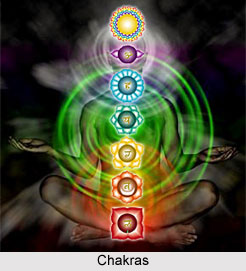


In the Upanishad texts, the chakras have been mentioned. The energy of these vortices arrives from one’s own Kundalini, another being the spiritual force within an individual. These energies come from inside the body and flows out the chakras. One experiences energy from other people. Spiritual energy, Prana and other energies around humans may also flow in through the chakra centres.

Concept of Chakra
People, who are less matured in their evolutionary growth, incline to bring out much more energy than they emit out. When people are weak then they pull in energy from developed people. One’s practice includes giving. An individual "gives" energy from their chakras. Lending is an act that strengthens a person whereas when energy is pulled out from an individual, one can be weakened. There are some people who absorb energy from others.

Those people, who are not spiritually developed, may be open to negative forces. A person who is dejected inclines to put energies coming through the chakras on a depressed level. This intensifies troubles. Evolved people have more energy flowing out of their chakras than inside. As they become more richly developed, the Kundalini energy growing from their chakras coalesces with divine energy, continues to exude out, then curves back to come in through the hands and feet (occasionally through other areas of the body), bringing an assortment of these energies into them.

For more visit the page:

Friday, 10 July 2020

Yoga Asanas


Yoga Asana traditionally means a 'sitting condition' or 'position' of the body, which contributes to the steadiness of the body and mind and a sense of well-being. In a nutshell, the yoga asanas can be defined as postural patterns. Asanas are also based on the natural postures of various 
animalsbirds or even symbols like the treelotus, bow and plough, etc. Yoga asanas include various types of sittingstanding, stretching and inverted postures all aimed to improve flexibility, balance, strength and posture. These Yoga asanas target various muscle groups in the body. Some yoga asanas are highly ancient and have been mentioned in several ancient yoga texts.

History of Yoga Asanas
Though it was Maharishi Patanjali, who for the first time mentions yoga asanas, the history of these postural patterns goes back even earlier than the days of Patanjali. There are references in the VedasBrahmanasAranyakas and the earlier Upanishads about these practices. Besides, Lord Shiva and the Buddha are often portrayed sitting in the Padmasana; thus, indicating that yoga asanas were practised in ancient India as well.

Types of Yoga Asanas
Yoga asanas can be classified by considering their features and effects, into three major groups, and one minor group that contains only two asanas. Of the major three, the classification into cultural asanas and meditative asanas is a contemporary innovation.

Friday, 27 March 2020

Benefits of Yoga Asanas

1_Rishi_Patanjali
The-four-limbed-staffBenefits of Yoga Asanas include an improved function of
flexibilitybody systems and better overall fitness, health and well-being. They also prepare practitioners for the higher stages of yoga
practice.

cow-face-with-eagle-arms-forhipsRegular practice of yoga asanas benefits the practitioner in various ways. Asana enables on to control mind; improves digestion; exercises spine; keeps nervous system in good condition and improves the working of several body systems.

Pranayama-practiceYoga Asanas also boost oxygen flow throughout the body. Supply of oxygen to the body is completely dependent on the respiratory system.
Practicing yoga asanas should also follow a proper procedure to attain best results.self-care-indexesyoga-1547069413 Yoga Asanas should be done in a quiet and well-ventilated place.

normal1033265155copyyoga1549009424
camel_0The best time for practicing asana is in the morning. It should be practiced before having breakfast as at this time the energy is at the highest and therefore, the movements can be done with ease and freshness. Further, mind is calm during this time.

Read More :- Benefits of Yoga Asanas

Thursday, 26 March 2020

Bakasana


crow.jpgBakasana is a cultural asana mimicing the posture of a crane. It strengthens the abdominal organs and arms. Baka in Sanskrit means crane. Just like the bird it symbolizes.

tadasanamPractice of Bakasana 
Squat down from Tadasana with the inner feet a few inches apart. If it isn't possible to keep the heels on the floor, support them on a thickly folded blanket.

* Separate the knees wider than the hips and lean the torso forward, between the inner thighs.
* Stretch the arms forward, then bend the elbows, place the hands on the floor and the backs of the upper arms against the shins.
asanas
* Snuggle the inner thighs against the sides of the torso, and the shins into the armpits, and slide the upper arms down as low onto the shins as possible.

Effects of Bakasana: 
* This pose is good for strengthening arms and wrists .
* It Stretches the upper back
* Strengthens the abdominal muscles.32yp_291_2199_gn_bjk2.jpg
* Stretches the groin
* Tones the abdominal organs
Untitled
* Precautions in the practice of Bakasana 
The asana should not be practised in case of:
* Carpal tunnel syndrome.

Read more : Bakasana

Friday, 17 January 2020

Hatha Yoga Asanas

Reduce-Stress-2These are some yogic asanas to learn the technique of Hatha Yoga.

Asanas in Hatha yoga deliver two abstract objectives; one is to specify the posture of meditation in which a person can sit for a long time with ease and command.
84404042-woman-doing-hatha-yoga-asana-tadasanaIt's also named after some quality that it invokes. Generally these are prefixes and can be used on any pose to explain a variation.
  • Ardha means "half"
  • Supta means "reclining"
  • Adho means "downward"
image-assetA particular asana works in a distinct way on our muscles, breath and mind.

Adho Mukha Vrksasana
This asana is also known as the Hand stand pose.

imagesAnjali Mudra
The gesture is an acknowledgment of the soul in one by the soul in another.

yogapedia-bindArdha Matsyendrasana
The asana is an instrument for destroying the group of the most deadly diseases.


Yoga-Poses-Baddha-Konasana-Cobbler’s-PoseBaddha Konasana
This asana is also known as the Bound angle pose.

craneposeBakasana
Also known as the Crane pose, it symbolises the bird as it is an arm balance asana.

balasana2Balasana
This asana relieves the fatigue of both mind and body.

BhadrasanaBhadrasana
Bhadrasana has a beneficial effect on the muscles & ligaments of the uro-genital region.

sporty-fit-yogini-woman-practices-yoga-asana-bhujangasana-beautiful-cobra-pose-studio-isolated-white-77504937GarudasanaBhujangasana
The asana is more effective for Asthma, Dyspepsia and Vata diseases.

Garudasana
This asana is useful for the patients of asthma & lower back problem.

Read More :- Hatha Yoga Asanas

Monday, 26 August 2019

Vrksasana


vk 

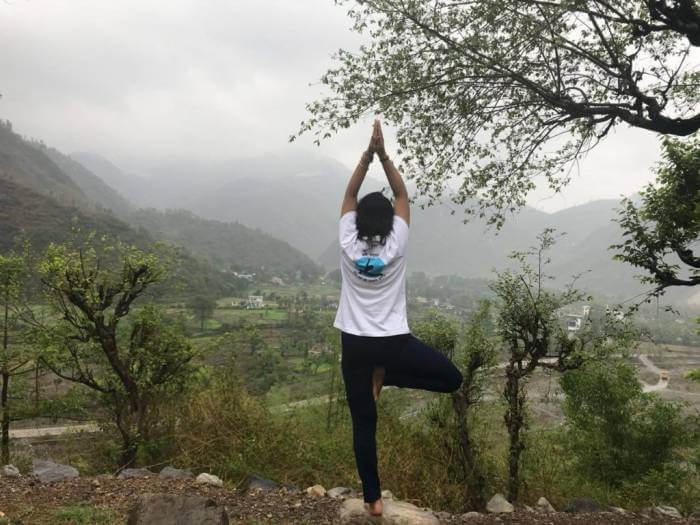
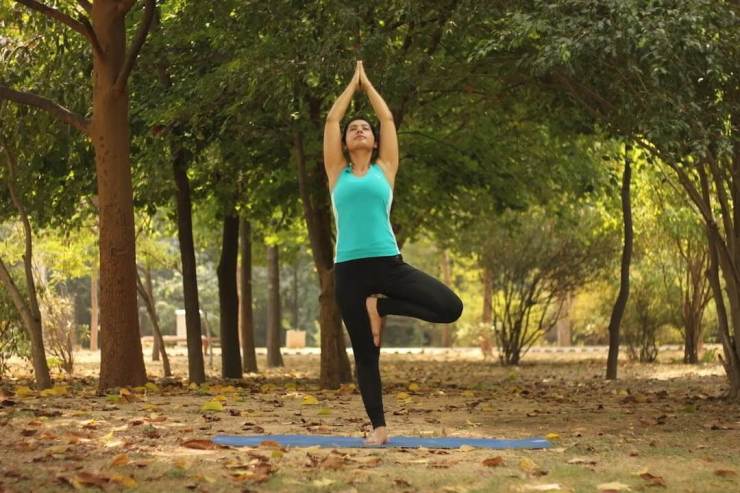
Vrksasana, or Vrikshasana, is a cultural yoga asana that strengthens the calf and ankle muscles and mimics a tree in the completed posture. Vrksasana means the tree pose in Sanskrit. This Cultural Asana derives its name from the resemblance of the final pose to an erect tree.

Yoga Texts and Vrksasana

vk3Vrksasana was first mentioned in the Gheranda Samhita, a significant Hatha Yogic text first compiled in the 18th century. It was mentioned in subsequent asana compendia. It now finds a place in a number of yoga sequences and is a well known posture.

Effects of Vrksasana
    vk4
  • This improves body-minded co-ordination.
  • Thigh and calf muscles, ankles and the spine are made strong.
  • Stretches the groins and inner thighs, chest and shoulders
  • Improves sense of balance.
  • Relieves sciatica and reduces flat feet.

Precautions in the practice of Vrksasana
    vk5
  • Remember to stand erect.
  • Folded knee should point toward their respective sides.
  • This is a balancing pose. If you feel like losing your balance then come back and practice again.
vk6 Practice Vrksasana :
A sequential process for performing Vrskasana follows.
  • Stand erect with legs together, hands by the side of thigh, gaze in front.
  • Fold your right leg at the knee and place the sole near the left thigh joint.
  • Bring both the hands in Namaskara Mudra.
Read more : Vrksasana

Friday, 23 August 2019

Muktasana, Meditative Asana

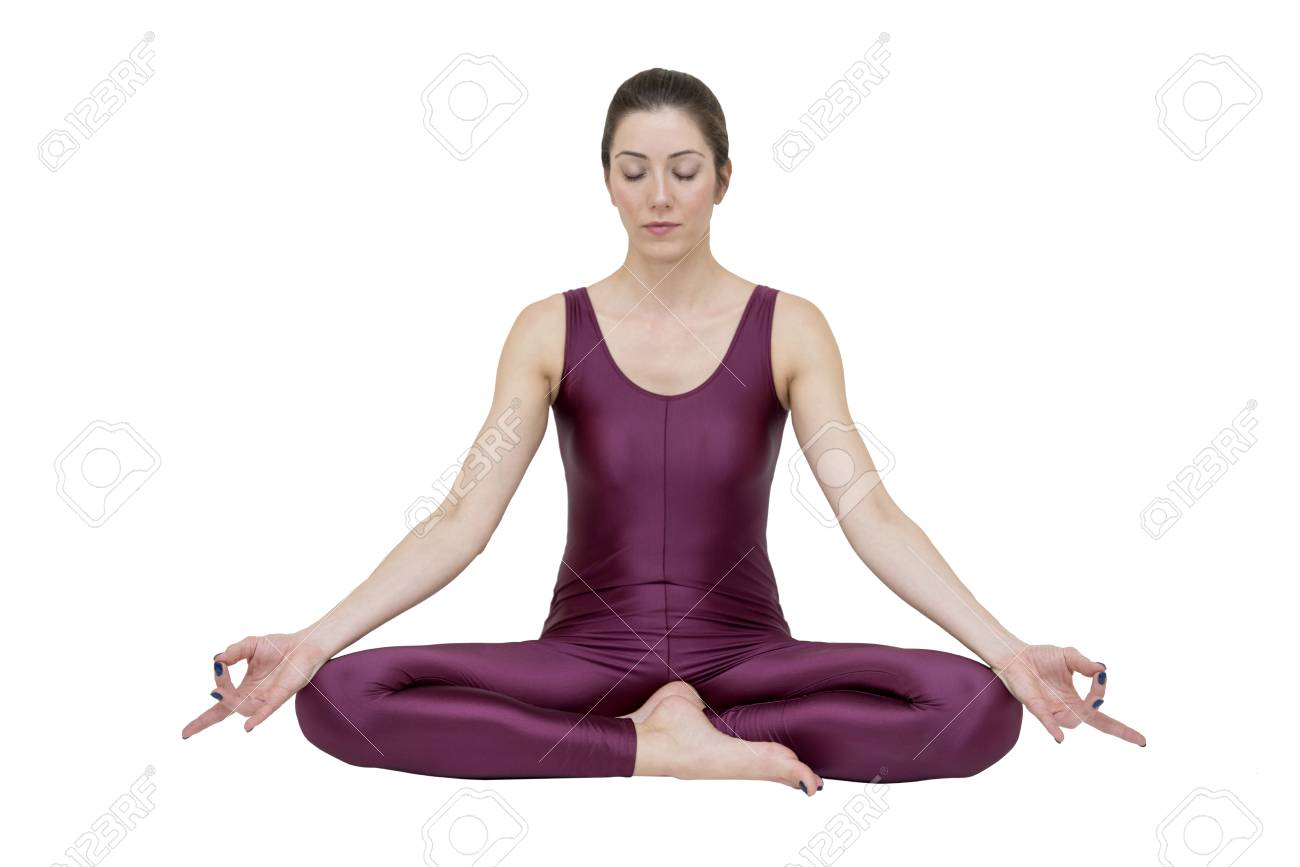
Woman practicing yoga in Muktasana pose Muktasana or the 'free pose' is a yoga posture practiced by many for attaining various health benefits. Muktasana differs from some other meditative asanas by its peculiar arrangement of legs, arms and fingers. Muktasana offers the same beneficial effects as the Siddhasana and must be practiced with much the same caution.

Yoga Texts and Muktasana

mukta2A yoga posture named Muktasana is described in the Hatha Yoga Pradipika, although it is merely considered another name for the more famous basic posture, Siddhasana. A number of the Yoga Upanishads mention the Muktasana (while omitting the Siddhasana), and the matching descriptions further indicate that the posture known as Muktasana was merely Siddhasana under a different name.
 
Benefits of Muktasana
    mukta3
  • This asana exercises the abductors, flexors; external rotates of the hip and the ankle plantar frelxors.
  • It helps to direct the energy from the lower psychic centres upwards to the spine. This process produces a stimulus to the brain calming the entire nervous system.
  • It also helps to calm the mind and get rid of negative thoughts.
  • It improves concentration and memory.
mukta4Steps of Muktasana

The steps of Muktasana are simple and it can be performed by anyone. However, beginning the asana under the guidance of yoga expert is a good idea.
  • As in the Siddhasana, sit with legs fully stretched out.
  • Bend the left leg at the knee joint slowly and tactfully as in Siddhasana.
  • Then fold it in such a way that the left heel is placed directly over the genitals.
  • Now place the right heel exactly over the left one, as if both are one.
Read more : Muktasana, Meditative Asan

Wednesday, 21 August 2019

Naukasana

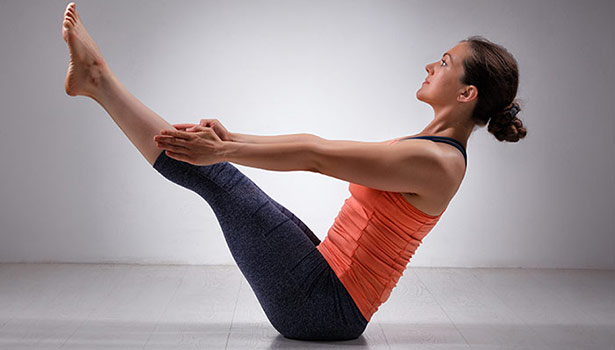
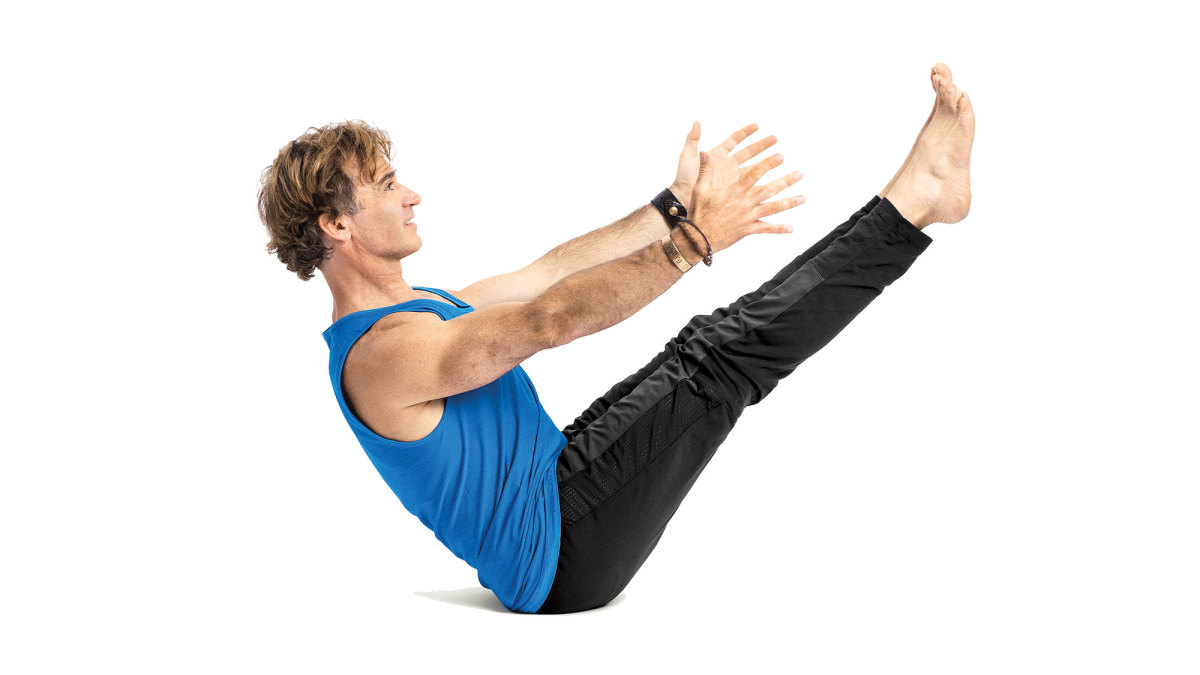
nIn modern yoga, Naukasana or Navasana is a seated asana and is beneficial to cure many physical disorders. Naukasana is a cultural yoga asana with a fairly recent history, first being described in a 19th century text. It is a fixture of contemporary yoga programs.

Variations of Naukasana

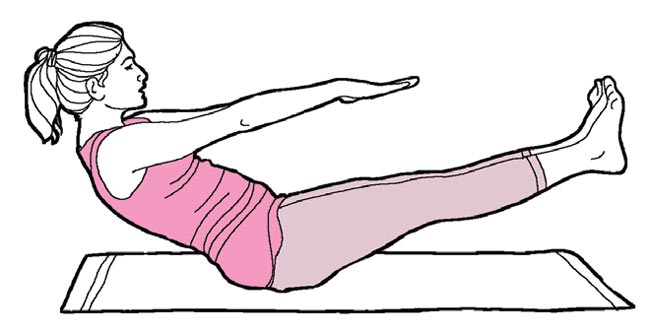
n2During the Naukasana, the person has to balance entirely on their buttocks and the body forms into a V shape. Other variations of the Naukasana include the Ardha Navasana which is half boat pose and the Ekapada Navasana pose.
n3 

Benefits of Naukasana
The Naukasana helps in strengthening the abdominal muscles, the legs and the lower back. It improves the health of all organs in the abdomen especially the liver, pancreas and kidneys. Naukasana helps in regulating blood flow at sugar level and toughens muscles of neck.

n4Precautions of Naukasana
1. Do not bend legs at the knee.
2. Release the Asana before there is any pain in abdominal muscles.
3. Those suffering from hypertension, heart disease and lumbar spondylosis should not practice it.

n5Practise of Naukasana
1. Lie straight on the abdomen and chest with the forehead resting on the floor.
2. Keep the feet together and the arms on the sides.
3. Stretch out the arms on both sides of the head and keep them parallel.
4. Turn down the palms on the floor with fingers close together.
5. Keep the forehead on the floor between the upper arms.

Read more : Naukasana

Friday, 16 August 2019

Bhadrasana, Meditative Asanas

bad
Bhadrasana is one of the prominent asanas mentioned in the Hatha YogaPradipika, although it has been recorded in several older texts. The posture tones the lumbar region and flexes various muscles in the lower back.

bad2Meaning of Bhadrasana

Consisting of two words, Bhadra and Asana, the word Bhadra is derived from the Sanskrit language, which means ‘auspicious’ or ‘gracious’, while the word Asana indicates the yogic posture. Together the word Bhadrasana means ‘the posture of the blessing’.

Effects of Bhadrasana

bad3Bhadrasana helps in expanding the tissues, nerves and arteries of the pelvic region. Through this asana, the pelvis, abdomen and the back are stimulated and receive a good supply of blood. According to the Hatha Yoga Pradipika, the Bhadrasana is 'the destroyer of all diseases'. Practicing Bhadrasana calms the mind and brings about a feeling of well roundedness and also activates the muladhara (root) chakra.

Practice of Bhadrasana bad4
  • A sequential process for performing Bhadrasana is given below:
  • Be seated with your legs together in the front, hands by the side with palms resting on the ground. The finger should remain together pointing forward.
  • Then folding the left and right legs slowly at the knees, join both the soles with each other.
  • Hold onto your ankles with your hands.
Read more : Bhadrasana, Meditative Asanas

Tuesday, 13 August 2019

Tadasana


a
Tadasana is a cultural yoga asana. It is a very basic standing posture with feet together and hands at the sides of the body. The asana improves one's general posture and tones the muscles of the body. This pose allows internal organs to work more efficiently thus improving respiration, digestion .

Effects of Tadasana
a1
This asana improves height and makes the spine more flexible. Visceroptosis and pain in the backbone are also alleviated. Tadasana strengthens thighs, knees, and ankles and firms abdomen and buttocks, while relieving sciatica and reduces flat feet.

a2Precautions in practice of Tadasana
Those having complaints of reeling sensation should not practice Tadasana. The learners can improve their balance in this pose by standing with his inner feet slightly apart, anywhere from 3 to 5 inches. Excessive practice of Tadasana can bring about some side effects like Headache, Insomnia and Low blood pressure.

Practice of Tadasana

a4
  • First one should stand erect, bring legs together, hands by the side of the thighs and look straight in the front.
  • One should raise the hands straight in front up to arms and the palms should face each other.
  • After that one can bring the hands up straight forwards towards the sky, fingers pointing upward.
  • Then slowly one should stand on one's toes, and raise heels as much as the person can. One should stretch body up as much as possible.
Read more : Tadasana

Saturday, 3 August 2019

Natarajasana

nat2
Natarajasana is a cultural asana derived from Nataraja, the god of Dance. It stretches the body muscles, especially those of the back, the limbs and shouldes and chest.

Meaning of Natarajasana

nat3
The root word "Nata" refers to actor and dancer, Raja means "the king." Natraj is another name for Shiva, who is also known as the cosmic dancer. His dance symbolizes cosmic energy in its "five actions:"

nat6 

Effects of Natarajasana

* Stretches the shoulders and chest
* Stretches the thighs, groins, and abdomen
* Strengthens the legs and ankles
* Improves balance

Practice of Natarajasana

nat4
* Stand in Tadasana. Inhale, shift the weight onto the right foot, and lift the left heel toward the left buttock while bending the knee.
* Press the head of the right thigh bone back, deep into the hip joint, and pull the knee cap up to keep the standing leg straight and strong.
* Try to keep the torso relatively upright. The first is to reach back with the left hand and grasp the outside of the left foot or ankle. To avoid compression in the lower back, actively lift the pubis toward the navel, and at the same time, press the tailbone toward the floor.
* Begin to lift the left foot up, away from the floor, and back, away from the torso.
* Extend the left thigh behind the body and parallel to the floor.

Read more : Natarajasana