Showing posts with label Indian Healthcare. Show all posts

Saturday, 4 April 2026

Kariyartharani: A Valuable Medicinal Herb in Traditional Indian Healing

 Kariyartharani is a lesser-known yet significant medicinal plant widely recognized in traditional Indian systems of healing, particularly Ayurveda and folk medicine. Found in various tropical and subtropical regions of India, this herbaceous plant has long been valued for its therapeutic properties. Rural communities and traditional healers have relied on Kariyartharani for generations to treat a variety of ailments. Its leaves, stems, and roots contain bioactive compounds that contribute to its medicinal potential, making it an important natural resource in indigenous healthcare practices.


Botanical Characteristics and Distribution

Kariyartharani is typically a terrestrial herb or subshrub that grows in warm climatic conditions. The plant is characterized by its erect growth habit and simple opposite leaves, which are often elliptic or ovate in shape. It commonly thrives in open lands, agricultural fields, and forest margins. In India, the plant can be found in several regions where the climate supports the growth of medicinal herbs, particularly in tropical and semi-tropical areas. 

Due to its adaptability and ease of growth, Kariyartharani often occurs as a wild plant, though in some places it is also cultivated for medicinal purposes. 

Health Benefits and Medicinal Properties

Kariyartharani is known for its wide range of therapeutic benefits. Traditional healers have used the plant to address several common health conditions due to its anti-inflammatory, antimicrobial, and detoxifying properties. 

One of its notable uses is in treating skin-related disorders. Extracts from the leaves are often applied externally to relieve conditions such as rashes, minor wounds, and infections. The plant’s natural antimicrobial properties help prevent the spread of infection and promote healing. 

Kariyartharani is also used in managing digestive issues. Herbal preparations made from the plant are believed to aid digestion and relieve problems such as indigestion and mild stomach discomfort. In some traditional practices, decoctions prepared from its leaves or roots are consumed to improve overall digestive health. 

Another important medicinal use of Kariyartharani is in the treatment of inflammatory conditions. Traditional remedies prepared from the plant are sometimes used to reduce swelling, joint discomfort, and minor body pains. The plant’s anti-inflammatory properties make it beneficial for alleviating such symptoms. 

In addition, Kariyartharani is occasionally used in herbal formulations intended to support general immunity and overall well-being. 

Usage in Traditional Indian Medicine

In India, Kariyartharani has been incorporated into local medicinal traditions for many years. Village healers and practitioners of traditional medicine often prepare herbal remedies using fresh leaves or dried plant parts. 

The plant may be used in the form of herbal pastes, decoctions, or extracts. For skin ailments, crushed leaves are commonly applied directly to the affected area. For internal use, mild decoctions are sometimes prepared by boiling parts of the plant in water. 

Such practices reflect the broader tradition of plant-based medicine in India, where locally available herbs serve as accessible and affordable remedies for common health concerns. 

Kariyartharani represents an important example of the rich botanical heritage that supports traditional healthcare in India. Though not widely known in modern herbal markets, the plant continues to hold value in indigenous medical practices due to its therapeutic properties. With increasing interest in natural remedies and medicinal plants, Kariyartharani may gain greater recognition for its potential health benefits and role in sustainable herbal medicine.

Thursday, 1 December 2022

Astanga Yoga


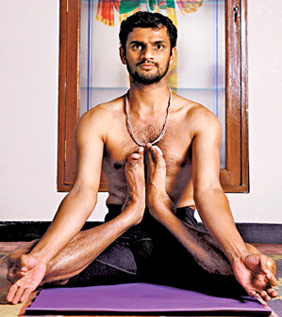
Astanga YogaAstanga Yoga is a system of Yoga that was taught by the sage Vamana Rishi in the Yoga Korunta, which is an ancient manuscript "said to contain lists of many different groupings of asanas, as well as highly original teachings on Vinyasa, Drishti, Bandhas, Mudras and Philosophy". This text was imparted to Sri T. Krishnamacharya in the early 1900's by his Guru Rama Mohan Brahmachari, and was later passed down to Pattabhi Jois during the duration of his studies with Krishnamacharya, beginning in 1927. Since 1948, Pattabhi Jois has been teaching Ashtanga Yoga from his yoga shala, the Astanga Yoga Research Institute.

Astanga Yoga literally means the "eight-limbed yoga," as outlined by the sage Patanjali in the Yoga Sutras. According to Patanjali, the path of internal purification for revealing the Universal Self consists of the following eight spiritual practices:

1.Yamas (Principles or moral code)
Yama means restraints There are five yamas viz. Ahimsa, Satya, Asteya, Brahmacharaya and Aparigraha.
Ahimsa : Ahimsa is the foundation upon which the rest of the Yamas and Niyamas are based. One must have Ahimsa in one's thoughts, speech and actions.
Satya : Truth must always co-relate with the facts as they are. Truth that causes pain or injury is not positive. Truth should be spoken in harmony with nature.
Asteya : One must not take away from another. It would deprive others from the fruits of their work or from what is rightfully theirs. Thus stealing cause injury as well.
Brahmacharya : Control of sex organs / instincts increases one's energy. From this energy one can gain miraculous powers, or more important - can gain knowledge.
Aparigraha : Non - conveotusness is the lack of desire to possess not only material objects, but persons, places, feelings and so forth. The One who has no interest or desire to possess the past, present or future, will find knowledge of these three : time states coming to him naturally.

2. Niyamas (Self-Purification and study)
Niyam means observances . There are five niayamas viz. Saucha, Santosh, Tapa, Swa - adhyay and Ishwar Pranidhan
Saucha : Physical and mental cleanliness.
Santosh : Contentment with what one has.
Tapa : By fortitude the removal of impurities and mastering of the body and the senses follow.
Swadhyaya : Through self study, communication can be established with the desired spiritual entity.

Ishwar Pranidhan : " Our intelligence is no match to the divine wisdom". Keeping this in mind always, one should surrender to the will of God with complete faith after having done one's duties very well.

For more, visit the link below:

Tuesday, 26 April 2022

Charaka Samhita, Ayurveda


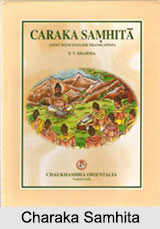
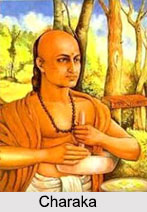
Charaka Samhita, AyurvedaCharaka Samhita is the Ayurvedic text obtained from the ancient Indian tradition written by the great Ayurvedic physician Charaka. It is said to be the oldest of the three ancient treaties of Ayurveda. Charaka Samhita has relevance in the modern day practice of Ayurvedic medicine. Charaka Samhita and Sushruta Samhita are famous worldwide as an important source of old Ayurveda practice. Thus this book helps to gather an idea of the ancient medicinal practice.

Source of Charaka Samhita
The text Charaka Samhita is written in Sanskrit. The term ‘Charaka’ means ‘wandering scholars’ or ‘wandering physicians’ and ‘Samhita’ denotes ‘collected’ or ‘compendium’. The original source of Charaka Samhita is the Agnivesha Tantra based on the teaching of Punarvasu. It is thought that Charaka has edited this work and in later times another Ayurvedic Scholar Dridhabala extended the Charaka Samhita further more. The Charaka Samhita was most probably written in Mauryan era (around 3rd century BC).

Charaka Samhita, AyurvedaContext of Charaka Samhita
The text contains eight sections having 120 chapters in total. The eight sections are Sutra Sthana (General principles), Nidana Sthana (Pathology), Vimana Sthana (Specific determination), Sarira Sthana (Anatomy), Indriya Sthana (Sensory organ based prognosis), Cikitsa Sthana (Therapeutics), Kalpa Sthana (Pharmaceutics and toxicology) and Siddhi Sthana (Success in treatment).

For more, visit the link below:

Monday, 18 October 2021

Ayurvedic Recipes


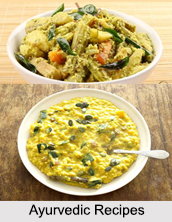
Ayurvedic RecipesAyurvedic Recipes are the most exquisite in its exotic taste, aroma, textures and colours. Ayurveda advocates eating food according to the three doshas of body - VataPitta and Kapha. These recipes are prepared to provide you maximum health benefits by achieving detoxification and providing essential nutrients and nourishment. Ayurveda is a balanced approach to eating that suggests eating mindfully, healthfully and with gratitude.

Health Benefits of Ayurvedic Recipes
When people try Ayurvedic recipes, they discover a, deep sense of fulfilment and satisfaction. Their whole system responds to the nourishment that comes from the subtle tastes and aromas of the special blend of spices. These subtle spices and aromas play a vital role in bringing us to a deeper level of health and well-being. According to Ayurveda, a good food habit helps to improves ones physical and mental wellbeing.

Method of Cooking Ayurvedic Recipes
Ayurvedic Recipes are personalized to the different physical constitutions and Ayurvedic principles. Indian cooking is based upon the therapeutic principles of the ancient Ayurvedic science of life. Ayurvedic recipes are free of the excess use of spices, sugars and oils that characterize the commercial line of modern Indian cooking. Ways of preparing food to alter certain properties, or to antidote possible side-effects, are also covered in Ayurvedic recipes. The art of using spices, cooking not only to make the food taste better, but to enhance therapeutic value is the magic behind the healthy Ayurvedic Recipes.

For more, check the link below:

Thursday, 26 August 2021

Ayurvedic Massage


Ayurvedic MassageAyurvedic Massage is the key to good health and is necessary both for prevention and cure of diseases. Also known as ‘Abhyanga’, Ayurvedic massage is a type of passive exercise. Abhyanga is done before the morning shower or bath and is one of the commonest practices of Ayurveda. Ayurvedic massage is an important part of daily life in India. It is a traditional technique used for balancing body and mind.

Origin of Ayurvedic Massage
The origin of Ayurvedic massage dates back to 3,000 years and is used to promote the importance of health and well-being to all generations within the family, especially to the younger members.

Ayurvedic Massage in Panchakarma
An Ayurvedic massage is the part of the traditional detoxification and rejuvenation program of India called Panchakarma, in which the entire body is energetically massaged with large amounts of warm oil and herbs to remove toxins from the system. Oil is also poured into the ears, between the eyebrows and at specific chakras, or energy points, during techniques known respectively as Karna Purana, Shirodhara and Marma Chikitsa. These treatments have been powerful in their effects upon the mind and nervous system by calming, balancing, bringing a heightened sense of awareness and deep inner peace.

Techniques of Ayurvedic Massage
Ayurvedic MassageThe techniques of Ayurvedic Massage can be done either as stand-alone treatments or in conjunction with other Ayurvedic treatments. In Samhita, which stands as one of the most ancient and most reliable Ayurvedic texts the technique of Abhyanga or Ayurvedic message is mentioned. Ayurvedic massage or the Abhyanga incorporates the usage of warm oils and herbs along with stimulating the specific energy points to help restoring balance to the body. Massage strokes, oils and herbs are selected based on individual’s need.

Benefits of Ayurvedic Massage
Abhyanga, the Ayurvedic message is an easy method that can be incorporated in one’s daily routine without much complication. It has many positive effects and therefore none wants to miss its beneficiary sides. It is especially good for weak people, who are unable to exercise. Abhyanga makes one strong and smooth skinned and helps to fight against the exhaustion and exertion.

For more on different types of massages, visit the link below:

Friday, 18 June 2021

Seven Dhatus in Ayurveda


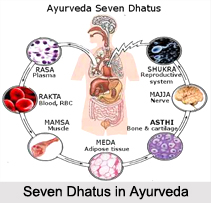
Seven Dhatus in AyurvedaSeven Dhatus are the foundation structure of our body and the basis of growth and survival. The food that we consume is assimilated in our body in the form of ‘Ahar Rasa’ which helps in survival, growth and fortification. From this Ahar Rasa originates the life sap or ‘Jeevan Rasa’ which is the preliminary source of the Dhatus. There are seven dhatus in all which forms the different organs and different body systems. These are:

1. Rasa,
2. Rakta,
3. Mansa,
4. Meda,
5. Asthi,
6. Majja and
7. Shukra Dhatu.

One unique feature of Ayurvedic physiology is that each human tissue is derived from the previous tissue in ascending order of complexity. From Rasa (life sap) the body builds up Rakta (blood), from Rakta it develops Mansa (muscles), from Mansa originates Meda (fat), from Meda is developed Asthi (bones), from Asthi the body generates Majja (nervous system) and from Majja is produced Shukra (semen).These dhatus are composed of the Panch Mahabhutas or supreme powers - Earth (Prithvi), Water (Aap), Fire (Tej), Air (Vayu) and Universal Space (Akash).

Pitta, one of the three doshas, is the successor of the divine fire and is the source of Agni or body fire. Agni plays the crucial role of a catalyst in the creation and maintenance of the seven dhatus. These dhatus remain within the human body in the right proportion so that the body can function properly but any disturbance in their equilibrium causes disease.

Function of the Seven Dhatus in Ayurveda
According to Asthanga Ayurveda, the seven dhatus constitute the anatomy and physiology of the human body. They play a major role in the chain of bodily activities, eventually ensuring a healthy body and a healthy mind. Disorders in the dhatus should be immediately taken care of to prevent further degeneration of the body.

Rasa: Rasa Dhatu, the preliminary of the seven dhatus is derived from digested food. It nourishes each and every cell and tissue of the body. Increased rasa leads to loss of appetite and other related complaints while its deficiency causes fatigue, loss of weight, dry skin and retarded perceptibility of the senses.

Rakta: The Rakta Dhatu, considered to be the basis of life, provides vigour and glow to the body by nourishing the muscles and intellect. Disorders in the Rakta Dhatu may cause a wide range of disorders like boils, tumours, high blood pressure, tiredness, anaemia, etc.

Mansa: Mansa, a derivative of blood, is concerned with providing physical strength and stamina to the body. Abnormalities in mansa are manifested in the form of tumours around the face, neck, abdomen, thigh or genitalia.

Saturday, 5 June 2021

History of Ayurveda


History of AyurvedaHistory of Ayurveda is long, copious and loaded with a rich past, deeply seated in the antiquities. Nearly 5,000 years ago the great sage, Vyasadeva for the first time penned downs the Vedas. The Vedas also included a branch called Ayurveda meaning "The Science of Life". Thus began the journey of Ayurveda as an oldest and most holistic treatment method. The history of Ayurveda states that steeped in mystic antiquity this ancient wisdom of curing, preventing disease and long life was a part of the spiritual tradition of a universal religion in India even before it was penned down.

Origin of Ayurveda
In India the origin of Ayurveda is as old as the religion, Hinduism. There were originally four main books of spirituality which also included topics like; health, astrology, spiritual business, government, army, poetry and behaviour. These books are known as the four Vedas; Rig VedaSama VedaYajur Veda and Atharva Veda. Ayurveda was a sub section attached to the Atharva Veda and is treated as Upaveda of Rig Veda and Antharveda (internal part) of Atharvana Veda. The history of Ayurveda claims that this sub section dealt with the ailments, injuries, fecundity, sanity and health and all the secrets of life, the ways of staying healthy, the paths of preventing diseases were revealed in the Rig Veda. Rig Veda shows the discussions on the Tridoshas - vatapitta and kapha and the use of various herbs to cure the diseases. Panchabhuta, the five elements of creation - earthwaterfireairether that forms the basis of universe also contours the base of all creation - this is the very kernel of Ayurveda which consists of three aspects of Ayurvedic knowledge known as the Tri-Sutras that includes cause of illness, symptoms and treatments of the disease.History of Ayurveda

Legends of Ayurveda
The history of Ayurveda also points out the celestial origin of this ancient science, which was once communicated to the Indian saints and sages. Myths unfold that Dhanvanatri, who later penned down Ayurveda, taught it to the sages. While according to another legend, the knowledge of healing originated from Lord Brahma who taught it to King Daksha, who further taught Lord Indra.

It was the time of restlessness when disease and death were creating havocs and human had no answer. It was this time when all great sages in order to find solution to this problem gathered. During this meeting Sage Bharadvaja came forward and learnt the ancient science of Ayurveda from Lord Indra. He then taught this science to Atreya, who further transmitted this knowledge throughout world. The history of Ayurveda states that later, it was Agnivesha, the disciples of Atreya wrote ‘Agnivesha Samhita’ which is still considered as the most comprehensive form of Ayurveda.

Ancient Texts on Ayurveda
There are two main re-organizers of Ayurveda whose works still exist intact today - Charaka and Sushruta. According to the history of Ayurveda, Charaka was the first man who based his Samhita on Agnivesha Samhita and further elaborated it with his interpretations and annotations. Precisely, ‘Charaka Samhita’ integrated the external as well as the internal cause of illness. Sushruta based his Samhita on the Dhanvanatri school of Ayurveda. In ‘Sushruta Samhita’ there is details discusses about various surgeries, burns, fractures, wounds and amputation. The complete discussion on human anatomy marks Sushruta Samhita as a contemporary treatise on Ayurveda. The history of Ayurveda however uncovers the third major treatise which is called the ‘Ashtanga Hridaya’. This is basically a summarizing version of the works of Charaka and Sushruta which was compiled by Vagbhata.

For more, visit the link below:

Monday, 19 April 2021

Types of Mudras

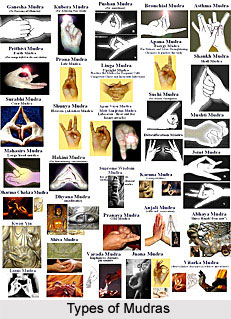
 Types of MudrasTypes of Mudras are various which are practiced by many people throughout the world. These various types of Mudras are easy to practice and can be done at any place and at any time. The Mudras enable the Chakra energy and mood, whilst lifting the inner self. Practicing the different types of mudras is considered good for health as it provides physical, mental, as well as spiritual benefits.

There are different types of mudras such as hand mudras, eye mudras, kaya mudras, etc. which allows one to balance mind and body and release energy. There are mudras related to Mana, Kaya, Dhyana, etc. All the mudras support further development of the self. The various types of mudras are divided into different categories, which are as follows:

  • Kaya Mudra: Kaya mudras are very much similar to asana, but mend the other types of simple mudras with Pranayama and concentration. These are the most complicated types of mudras and involve greater concentration and focus to hold. Kaya mudras strengthen the Prana in the body and direct the prana into particular chakras which are considered as energy centres.


  • Hasta Mudras: Hasta mudras encompass the involvement of hands and are used primarily in meditation, but can also be incorporated in asana and types of pranayama as well as in daily activities. Hasta mudras channel the prana into a new direction. These mudras are the most common of the categories of mudras.


  • Mana Mudra: Mana mudras utilize the sense organs of the ears, nose, eyes, tongue and lips. These types of mudras need concentration and focus on internal consciousness at the same time as elevating the cognizance.


  • Dhyana Mudra: Dhyana mudras, also known as contraction mudras involve the engagement of subtle skeletal muscles, mostly in the area of the pelvis. These types of mudras centralize the prana in the body and prime the energy channels for the awakening of Kundalini Shakti.
  • For more on different types of mudras and their health benefits, check the link below:

    https://www.indianetzone.com/38/types_mudras.htm 

    Saturday, 17 April 2021

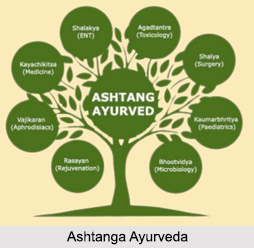
    Ashtanga Ayurveda

     Ashtanga AyurvedaAshtanga Ayurveda deals with the eight branches of Ayurvedic specialization. In accordance with Charaka Samhita, a scientific creation of Charaka, the science of Ayurveda is divided into eight different parts, collectively known as Ashtanga Ayurveda. These eight branches are as follows:

    1. Kayachikitsa or Internal Medicine
    2. Shalya Tantra or Surgery
    3. Shalakya Tantra or ENT and Opthalmology
    4. Kaumara Bhritya or Paediatrics
    5. Agad Tantra or Toxicology
    6. Bhutavidya or Psychiatry
    7. Rasayana or Geriatrics
    8. Vajikarana or Eugenics and Aphrodisiacs

    Kayachikitsa or Internal Medicinal Treatment: This methodology corresponds to the general medicine therapy which is required to treat chronic diseases, namely tuberculosisasthma or general health ailments like, fever or even mania. It covers specialities like pathology, cardiology or neurology also.

    Shalya Tantra: It deals with treatment of diseases caused by foreign bodies and diseases that need surgical therapies. It is carried out only for diseases, which cannot be cured by medicines. In Sushruta’s version of Shalya Tantra surgery was done with Yantra (blunt surgical instruments), Shastra (sharp tools), Kshara (bio-chemical substances), Agni (cauterization by blood-coagulation and tissue-destruction) for removing harmful foreign bodies.

    Shalakya Tantra: This Ayurvedic subdivision of Otorhinolaryngology (ENT) and Opthalmology (Eye) handles all problems of the ear, nose, throat, tongue and eyes. Sushruta has described about 72 diseases of the eye. His unique way of conducting surgery in cataracts and other eyes, nose and ear dysfunctions, amazes the modern medical science of the posterity.

    Kaumarabhrutya or Paediatrics: This is the Ayurvedic section of Paediatrics which deals with nourishment, support and maintenance of child and cures child diseases.

    Find out more in the link below:

    https://www.indianetzone.com/4/eight_branches_ayurved.htm