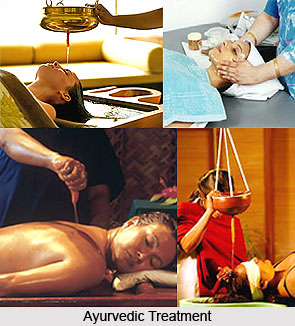
Showing posts with label Ayurveda. Show all posts

Wednesday, 11 September 2024

Sala Plant

The Sala plant, known scientifically as Shorea robusta, is a prominent tree species in South Asia, particularly in India, Nepal, and Bhutan. It holds a significant place not only in the region's ecosystems but also in its cultural and medicinal practices. The tree, also referred to as "Sal," is highly regarded for its robust wood and the medicinal properties of its bark, leaves, and resin.


Physical Features

The Sala plant is a large deciduous tree that can reach heights of 30 to 35 meters, with a trunk diameter of up to 2 to 2.5 meters. The bark of the tree is thick, rough, and dark brown, with deep vertical fissures. The tree's leaves are simple, broad, and leathery, typically measuring 10 to 30 centimeters in length. The leaves are shiny and have prominent veins, giving them a distinctive appearance. During the dry season, the leaves turn yellowish-brown before falling off. 

The Sala tree produces small, yellowish-white flowers that are clustered together in dense inflorescences. These flowers bloom in the spring, filling the surrounding area with a sweet fragrance. The fruit of the Sala plant is a nut-like capsule, approximately 1 to 2 centimeters in diameter, containing seeds that are dispersed by wind. 

Medicinal Usage

The Sala plant has been utilized in traditional medicine for centuries, with various parts of the tree being used to treat a range of ailments. The bark of the Sala tree is particularly valued for its astringent and anti-inflammatory properties. It is often used in Ayurvedic medicine to treat conditions such as diarrhea, dysentery, and skin disorders. The bark is typically ground into a powder and applied as a paste or taken orally. 

The resin, known as "Sal resin" or "Rala," is another important medicinal component of the Sala plant. This resin is obtained by making incisions in the tree trunk, from which the resin oozes out and hardens. It is widely used in traditional medicine to treat wounds, ulcers, and respiratory issues. The resin has antimicrobial properties, making it effective in preventing infections and promoting healing. 

The leaves of the Sala plant are also used medicinally, particularly in the treatment of skin conditions. The leaves are often boiled and the resulting extract applied to the skin to soothe rashes, burns, and other irritations. Additionally, the leaves are sometimes used in the form of poultices to reduce inflammation and pain in joints and muscles. 

The Sala plant is a vital resource in South Asia, known for its distinctive physical features and extensive medicinal uses. Its bark, resin, and leaves have been integral to traditional medicine for centuries, offering natural remedies for a variety of health issues. As research into traditional plant-based medicines continues, the Sala plant remains an important subject of study for its potential therapeutic applications.

Thursday, 21 September 2023

The Kadamba Tree: Ecological Significance, and Uses in India


The Kadamba tree, belonging to the Rubiaceae family, is a medium-sized, deciduous tree that can reach heights of up to 45 meters. Its bark is smooth and grayish-white, while its leaves are simple, opposite, and elliptical in shape. The tree is renowned for its captivating, fragrant flowers that bloom in dense, spherical clusters, and its fruit, which resembles a green berry, contains multiple seeds. The Kadamba tree is characterized by rapid growth, making it suitable for reforestation efforts.


Ecological Significance of the Kadamba Tree:


Biodiversity: The Kadamba tree plays a vital role in supporting local biodiversity. Its flowers attract a wide array of pollinators, including bees and butterflies. These pollinators aid in the fertilization of various plant species, contributing to the overall health and diversity of the ecosystem. 

Soil Improvement: The fallen leaves of the Kadamba tree decompose quickly and enrich the soil with organic matter. This enhances soil fertility and nutrient content, benefitting nearby flora and promoting healthier plant growth. 

Shade and Microclimate Regulation: The dense canopy of the Kadamba tree provides ample shade, reducing the impact of direct sunlight on the forest floor. This results in the creation of a cooler and more stable microclimate, which benefits both plant and animal species seeking shelter from extreme temperatures. 

Erosion Control: The extensive root system of the Kadamba tree helps prevent soil erosion, particularly in regions prone to heavy rainfall. This ability to stabilize soil contributes to the conservation of valuable topsoil and the protection of nearby water bodies from sediment runoff. This makes it a crucial element in Indian flora and fauna where soil erosion is a major issue.

Medicinal Properties: The Kadamba tree is valued for its medicinal properties in traditional Ayurvedic medicine. Various parts of the tree, including the bark, leaves, and flowers, are used to treat ailments such as fever, diarrhea, and skin disorders. 

Uses of the Kadamba Tree in India: 

Timber: The wood of the Kadamba tree is lightweight, making it ideal for crafting purposes, including making furniture, handicrafts, and musical instruments. Its ease of carving and beautiful grain patterns have led to its popularity in woodworking. Indian Trees 

Religious Significance: The Kadamba tree holds religious and cultural significance in India, particularly in Hinduism. It is associated with Lord Krishna, who is often depicted playing his flute beneath a Kadamba tree. As such, Kadamba trees are often planted in temple courtyards and other sacred spaces. 

Aesthetic Landscaping: Due to its stunning flowers and attractive appearance, the Kadamba tree is used in landscaping and beautification projects in parks, gardens, and urban areas across India. 

Honey Production: Bees are attracted to the Kadamba tree's nectar-rich flowers, making it a valuable source of honey production in certain regions of India.

Monday, 30 January 2023

Shodhana Therapy, Ayurveda


Shodhana Therapy, AyurvedaShodhana therapy in Ayurveda is also defined as the various procedures of eradicating diseases from the normal system of the body. It is actually considered as the second means of Ayurveda through which illness of the body is being treated. Shodhana literally means "to go away". In this specific form of treatment also known as Panchakarma, the basis or the root cause of the disease is eradicated. The shodhana therapy rids the body of Aama and malas and completely restores balance to the doshas. In simple terms, it can be said that it basically pulls the weeds out by its roots. Shodhana therapy is considered as superior to shamana therapy because it not only removes the symptoms of disease but it also eliminates their root cause.

In Ayurveda, it is defined that all disease processes point to a crisis of Aama toxicity in the body. In other terms it is also called as purification therapy. It is called so because it reverses the disease mechanisms which carry toxic waste products from the digestive tract in to the several tissues of the body. In Ayurveda, it is said that there is a simple elegance to the approach and effectiveness of Panchakarma as shodhana therapy. It takes advantage of the naturally occurring cycles of doshic migration and utilizes the active phases of each dosha to draw dosha specific 'Aama' out of the dhatus and eliminate it from the body. In this way, Shodhana Chikitsa differs from every other form of treatment and it includes all other modes of detoxification and purification.

In Shodhana therapy, doshas provide the vital connection between the gastrointestinal tract and the dhatus or the deep internal structures of the body. In case of the doshas, they are neither retained nor eliminated and they have the unique capability to travel throughout the body. They also transport the nutritive substances from the gastrointestinal tract to the tissues and organs and they carry unsuitable or damaging substances away from the dhatus and back to the gastrointestinal tract for elimination. Shodhana therapy emphasizes on the fact that doshas have the capacity to convey aama to the tissues as well as conduct it out of the tissues for disposal. As per the theoretical understanding of shodhana therapy, it is actually defined as cleansing therapy.

For more, visit the page below:

Monday, 16 January 2023

Benefits of Massage Therapy


Benefits of Massage TherapyBenefits of massage therapy are the various kinds of positive impacts which are experienced by people who have undergone massage therapy or therapies. Though some people are of the view that massage therapy is one of the most effectual processes to pamper the body, the reality is that this therapy induces many more effects to the human body, apart from ultimate bliss and calm nerves. Massage therapy is complete with a diverse range of health benefits which promise great health to its patients, in terms of a longer, happier and a beautiful life. Research activities have concluded that there are numerous emotional, physical and psychological comforts associated to massage therapy.

Strengthens the Muscles
Massage therapy is particularly recommended for athletes and people who are involved in occupations which require extensive utilization of their muscles. Employing this form of therapy can help easing or relaxing extremely painful muscles, or muscles which have been overused. It can also go a long way in healing injured muscles. Taut muscles can be unwounded by this technique and athletes are often advised to undergo massage therapy to get ready for a challenging game or as a recovery measure after a tough game. Besides, it is also proven to have enhanced the flexibility of joints which also aides sportsmen to a great extent.

Relieves from Arthritis
People who regularly suffer from arthritis can be assured of immediate relief from their excruciating pains, if they invest in massage therapy. Consuming excessive amount of painkillers to get rid of the aches and pains is said to induce certain ill side effects to the human body, which will be discovered gradually with the passage of time and are considered quite detrimental to physical health. Massage therapy ensures that the victims reduce their daily dependence on medications in the form of painkillers. Such massages are indeed quite comfortable for such people.

For more, visit the link below:

Friday, 9 December 2022

Ayurvedic Diet for Early Winter


Ayurvedic Diet for Early WinterAyurveda believes that if the diet is changed according to the season, it helps in maintaining a healthy body. The bodily humour increases or decreases according to the seasons. The frigid temperatures of early winter (November and December) cause tense muscles and runny noses. Vata types might become vulnerable to disease and flu. Kapha types might need to build protective layers of fat, creating ripe conditions for thick mucus. Therefore, a strong diet is required to be followed to maintain a healthy and sound body.

Foods to Include in Diet
During the early winters, the diet should consist of foods that keep the body warm. At this time, oily, sour and salty foods can be of great help. The food has to be freshly cooked. Healthy oils such as ghee, olive oil, walnut oil, sesame or flax seed oil, raw butter, and coconut oil are also good to use in preparation at this time.

Spices like honey, cinnamon, cardamom, black pepper and ginger can be used for destroying mucus, sore throat, and runny nose. The spices that can be used to keep the body warm are cinnamon, turmericcloves and black pepper.

For more, visit the link below:

Thursday, 24 November 2022

Vihara in Ayurveda


Vihara in Ayurveda, Concepts of AyurvedaVihara is defined as the second most important pillar of the Ayurveda. It means activity which highly influences the daily scheduled life that is full of stress and confusions. Just like the pillar of Ahara, this second pillar also plays a significant role in the proper functioning of the body.

Principles of Vihara
The principle of Vihara or activity explains clearly how to act in different ways that are life supportive and it also includes lifestyle guidelines for maintaining optimum health and balance. In Ayurveda, it is defined that the successful use of Vihara’s recommendations depend on the ability to know exactly what is good for the health and also on the motivation to act on whatever is known. The prime focus of the various lifestyle suggestions is to refine the quality of the mind.

Ayurvedic Activities in Vihara
There are actually an endless number of demands from various spheres and a lot of attention is required for keeping the minds constantly active. Additionally, the negative influences from the environment create confusion and fear. These negative influences cause the mind to be confined to a separate superficial level, where it is either too dull or too scattered to even experience the emotional, mental and physical resources that lay hidden most of the time. Ayurvedic scientists say that the limitless possibilities that exist in the subtler levels of awareness remain inaccessible except to a peaceful and settled mind. When the mind is strongly influenced by the sattva, it is quite possible to have the access to such a calm and composed mind. This stage allows appreciating the whole of life and its various aspects.

For more, visit the link below:

Friday, 11 November 2022

Colour Therapy, Indian Naturopathy


Colour Therapy, Indian NaturopathyColour Therapy, also known as ‘Chromotherapy’ deals with the method of treatment of diseases by colour. Colour therapy is a technique of restoring imbalance by means of applying coloured light to the body. It was a popular method of cure even in ancient times.

According to practitioners of Chromotherapy, the lack of a particular colour in the human system can cause various diseases. Different colours are associated with different physical and emotional aspects of the body. When the energy circles of the body are imbalanced, it leads to emotional disorders and physical ailments. These imbalances can be corrected by applying the corresponding colour to the affected part.

Diagnosis in Colour Therapy
A patient is first subjected to an examination to determine which colour he/she lacks. The deficiency is determined by observing the colour of the eyeballs, nails, urine and excrement. In cases of the lack of red, the eyes and nails will be bluish, and the urine and excrement white or bluish. If there is a deficiency of the blue colour, the eyes and nails will be reddish, and urine and excrement yellowish or red.

The action and effect of different colours on the body along with their healing properties in the form of food items are given below:

Red: This colour symbolises heat, fire and anger. It is a motivating and energising colour. It stimulates arterial blood and brings warmth to cool extremities. It is contained in food items like Beets, radish, red cabbage, tomatoes, watercress, most red-skinned fruits, red berries and watermelon.

Orange: This colour is emblematic of prosperity and pride. Orange is useful for stimulating blood supply and revitalising the nerves. Orange-skinned vegetables and fruits such as carrot, orange, apricot, mango, peach and papaya contain this colour.

Yellow: Yellow colour is associated with joy and happiness. It is laxative and diuretic. It is refreshment to the brain, the liver and the spleen. Lime and lemon, sweet lime, grapes, pumpkin, melon, banana, mango, yellow apple and guava contain this colour.

Purple: Purple or indigo combines the blood-warming red and pooling antiseptic blue. It is an excellent stimulant without being an irritant. It exerts a soothing effect on the eyes, ears and the nervous system. It contains in all the foods having both blue and violet colours.

For more, visit the link below:

Friday, 21 October 2022

Ayurvedic Vegetable Recipes

  Ayurvedic Vegetable Recipes and the vegetable dishes are akin to synagogue to the vegetable lovers. When the most of the world is paying accolades homage to the Western Culture and the adverse food habits Indian Vegetable Dishes are an entreaty to the Health diva.


Ayurvedic Vegetable RecipesAyurvedic diet for Indian seasons includes a healthy diet plan for all the Indian seasons, namely summers, monsoons, autumns, winters and springs. This natural medicinal science emphasizes on the significance of a nutritious diet for maintaining the physical and mental stability of the human body, throughout the year. Seasonal ayurvedic diet is based on certain determinants like age, gender, immunity and various ' Doshas ' which are associated with the potency of body tissues. With a copious tradition of more than five thousand years ayurvedic diet is more than mere pathya but a holistic health treatment that include, herbs, mediation, massage and yoga.

Ayurvedic Green bean subjiAyurvedic Grated potato subjiAyurvedic Spinach subjiAyurvedic Kidney bean subjiAyurvedic Stuffed Tomato are some of the recipes that can be counted among Ayurvedic Indian Vegetable dishes. Indian cooking places vegetable to the pedestal of an all rounder. It is hardly confined to side dishes rather they are turned into appetizers, snacks, soups, main dishes, relishes, pickles, conserves, desserts, sweetmeats, breads and beverages. Just about any vegetable can be cooked in all these forms, using different ingredients and techniques. Vegetables served as side dishes with an Indian meal are cooked in just about every way conceivable to man.

For more, visit the link below:

Friday, 14 October 2022

Traditional Indian Medicines


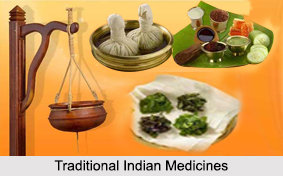
Traditional Indian MedicinesTraditional Indian Medicines are made from herbs or mixture of herbs either alone or combining it with minerals, metals and other ingredients. Traditional Indian Medicine reminds one of the ancient Indian health care systems popularly known as Ayurveda. Ayurveda is concerned with the protection of ‘Ayush’ which includes healthy living along with therapeutic measures that relate to physical, mental, social and spiritual harmony.

Concept of Traditional Indian Medicine
The central concept of traditional Indian medicine is the theory that the good health can be maintained when there is a balance between the TridoshasVata, Pitta and Kapha. Vata is the air principle necessary to mobilize the function of the nervous system. Pitta is the fire principle which uses bile to direct digestion and hence metabolism into the venous system. Kapha is the water principle which relates to mucous, lubrication and the carrier of nutrients into the arterial system.

Origin of Traditional Indian Medicine
The origin of this traditional Indian medicine, Ayurveda is stated to be a divine revelation of the ancient Indian creator Lord Brahma. This knowledge was directly passed to Daksha Prajapati in the form of ‘Shloka’ sung by Lord Brahma and this was then passed through a successive chain and ultimately to Lord Indra, the protector of Dharma. The first human exponent of Ayurveda was Bharadvaja, who learned it directly from Lord Indra. Bharadvaja in turn taught Ayurveda to a group of assembled sages, who then passed down different aspects of this knowledge to their students. Ayurveda was first described in text form by Agnivesha, in his book the ‘Agnivesha Tantra’. The book was later renamed by Charaka and came to be known as the ‘Charaka Samhita’.

For more, visit the link below:

Wednesday, 28 September 2022

Aromatherapy for Children


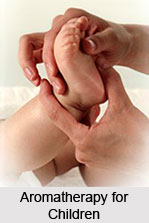
Aromatherapy for ChildrenA good aroma can make anyone happy and children are no exception. Baby massage is quite traditional in the east, especially in India. Though it takes a little time for the mother to adjust to the idea of massaging a wriggling baby, but she would gradually start enjoying it when the baby would respond to the mother's touch. Massage is a wonderful way of strengthening the bond between the mother and the child. Aromatherapy can prove very beneficial to the new born babies through massages. Though massage is the most common form of giving aromatherapy treatment to the child, there are many ways of giving aromatherapy treatment as well.

However, one has to be careful enough to keep the amount of aromatherapy oil very low, so as not to effect the baby. The baby's body is very small in size and too much of aromatherapy oil can have a slightly toxic effect. When using aromatherapy oils on children, make sure that the quantity of aromatherapy oil in the carrier oil is reduced to half. You can add two drops of aromatherapy oil in 4-6 fl oz (100 to 150 ml) of a carrier oil or two or four drops of aromatherapy oil in a baby bath. The best carrier oil for children is sweet almond oil, as it has a softening, lubricating effect on the skin and is better than the mineral oil that most commercial baby products are based on. Use a blend of 4 fl oz (100 ml) of sweet almond oil added with two drops of any of the following: Chamomile, Rose, Lavender & Neroli. The steps for the massage are as follows:

  • Start with your baby laying against your legs on his/ her back so that the child can look up to you.

  • Stroke gently down the child's arms, and then legs. Repeat each movement five or six times.

  • Circle round the tummy, using the flat of your hand, in an anti-clockwise direction.

  • Stretch out the child's toes one by one then gently rub the soles of the feet, using your thumb.

  • Uncurl the child's fingers and then gently move each one clockwise, then anti clockwise.

  • Now, rub over the palms of his/her hands with your thumbs. Turn your baby over, to lie on his tummy against your legs.

  • Gently rub a little oil into his back, bottom, legs and feet using long, light strokes.

  • Stroke down his back, giving a little squeeze at the buttocks. Repeat five or six times.

  • Gently stroke round his/her shoulders, down the arms and off at his/her hands.

  • Gently stroke down his legs several times. Each time finish by giving his legs a little stretch by pulling at the ankles.

  • Finish by stroking gently down his back and legs in one movement. Repeat, getting lighter with each stroke, until your hand just glides over your baby without actually touching him.

  • Gently stroke the baby on to his back so that he can see you again.

  • Now gently stroke a little oil (the surplus on your hands should be enough) on to the child's face. Lightly stroke, up the forehead several times.

  • Gently squeeze and rub the child's ear lobes between your finger and thumb.

  • Finish off with a connecting stroke. With one hand cradling your baby's head, stroke gently down his body with the other and bring it to rest on top of his feet.

  • Hold this position (one hand on the head, the other on the feet) for a count of ten.

  • Gently release and lift off your hands.

  • For more, visit the link below:

    Friday, 23 September 2022

    Indian Herbs


    Indian HerbsIndian herbs are considered to be helpful for achieving good health with the help of natural sources. The age old traditions associated with herbs are kept alive by the people of medicinal milieu, considering their effects on many diseases and the belief in herbal therapy has been creating in millions of people, since ancient times. Though the Indian herbs are used extensively in herbal therapy and other alternative treatments, they should be consumed in proper amount because over consumption of some herbs may lead to bad health or may have some kind of side effects. There are some agricultural institutes, which take initiatives to cultivate Indian herbs that can be the source of life giving medicines. Apart from this, there are yoga centers, where medicines are prepared like the Patanjali Yogpith of Haridwar.

    History of Indian Herbs
    Ancient history of Indian herbs depicts that the Rig Veda, the oldest document of human knowledge, carries evidence regarding the use of medicinal plants in the treatment of various diseases. The tradition of Ayurveda originated around 5000 years ago. Ayurveda, "the science of life", offers rich and comprehensive outlook to a healthy life. The basic concept of Ayurveda is to maintain a balance of body, mind and spirit, along with the usage of some herbs that are widely cultivated in India for medicinal usage. The ancient book of Charaka, which was written around 1000 BC, concentrates on medicine and depicts that in ancient times the practitioners used to treat diseases with the help of decoctions from different herbs.

    Types of Indian Herbs
    Indian HerbsIndian herbs are used as medicinal herbs, culinary herbs, aromatic herbs and ornamental herbs. They even have spiritual usage in some cases. These herbs and their uses are given below.

    Indian Medicinal Herbs
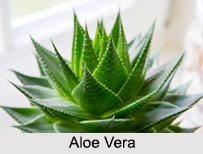
    Most of the Indian herbs are used widely used due to their medicinal values. For medicinal or spiritual use, any part of a plant might be considered to be herb. These parts are leaves, roots, flowers, seeds, resin, root bark, inner bark (cambium), berries and sometimes the pericarp or other portions of the plant. Plants contain phytochemicals that affect body. Medicinal herbs have curative effects and are used to prepare herbal medicines. They are considered as having powerful effects on curing certain diseases. Some types of herbal extract, such as the extract of St. John's wort (Hypericum Perforatum) or of kava (Piper Methysticum) can be used to relieve depression and stress. However, large amounts of these herbs may lead to poisoning. Therefore, they should be used with caution. One herb-like substance called 'Shilajit' is used to lower blood glucose levels. Thus, the herb is especially important for those suffering from diabetes. Some Indian herbs that are famous for their curative effects are abrus precatorius, adhatoda vasica, aloe vera, ashwagandha, asparagus racemosus, basilbhringarajcardamomcastorgingerguggullemongrass, safed muslisandalwoodsarsaparilla, shankapushpi, solanum nigrum, tinospora cordifolia and vinca rosea.

    For more, visit the link below: