Showing posts with label flower remedy. Show all posts

Thursday, 21 September 2023

The Kadamba Tree: Ecological Significance, and Uses in India


The Kadamba tree, belonging to the Rubiaceae family, is a medium-sized, deciduous tree that can reach heights of up to 45 meters. Its bark is smooth and grayish-white, while its leaves are simple, opposite, and elliptical in shape. The tree is renowned for its captivating, fragrant flowers that bloom in dense, spherical clusters, and its fruit, which resembles a green berry, contains multiple seeds. The Kadamba tree is characterized by rapid growth, making it suitable for reforestation efforts.


Ecological Significance of the Kadamba Tree:


Biodiversity: The Kadamba tree plays a vital role in supporting local biodiversity. Its flowers attract a wide array of pollinators, including bees and butterflies. These pollinators aid in the fertilization of various plant species, contributing to the overall health and diversity of the ecosystem. 

Soil Improvement: The fallen leaves of the Kadamba tree decompose quickly and enrich the soil with organic matter. This enhances soil fertility and nutrient content, benefitting nearby flora and promoting healthier plant growth. 

Shade and Microclimate Regulation: The dense canopy of the Kadamba tree provides ample shade, reducing the impact of direct sunlight on the forest floor. This results in the creation of a cooler and more stable microclimate, which benefits both plant and animal species seeking shelter from extreme temperatures. 

Erosion Control: The extensive root system of the Kadamba tree helps prevent soil erosion, particularly in regions prone to heavy rainfall. This ability to stabilize soil contributes to the conservation of valuable topsoil and the protection of nearby water bodies from sediment runoff. This makes it a crucial element in Indian flora and fauna where soil erosion is a major issue.

Medicinal Properties: The Kadamba tree is valued for its medicinal properties in traditional Ayurvedic medicine. Various parts of the tree, including the bark, leaves, and flowers, are used to treat ailments such as fever, diarrhea, and skin disorders. 

Uses of the Kadamba Tree in India: 

Timber: The wood of the Kadamba tree is lightweight, making it ideal for crafting purposes, including making furniture, handicrafts, and musical instruments. Its ease of carving and beautiful grain patterns have led to its popularity in woodworking. Indian Trees 

Religious Significance: The Kadamba tree holds religious and cultural significance in India, particularly in Hinduism. It is associated with Lord Krishna, who is often depicted playing his flute beneath a Kadamba tree. As such, Kadamba trees are often planted in temple courtyards and other sacred spaces. 

Aesthetic Landscaping: Due to its stunning flowers and attractive appearance, the Kadamba tree is used in landscaping and beautification projects in parks, gardens, and urban areas across India. 

Honey Production: Bees are attracted to the Kadamba tree's nectar-rich flowers, making it a valuable source of honey production in certain regions of India.

Thursday, 26 August 2021

Ayurvedic Massage


Ayurvedic MassageAyurvedic Massage is the key to good health and is necessary both for prevention and cure of diseases. Also known as ‘Abhyanga’, Ayurvedic massage is a type of passive exercise. Abhyanga is done before the morning shower or bath and is one of the commonest practices of Ayurveda. Ayurvedic massage is an important part of daily life in India. It is a traditional technique used for balancing body and mind.

Origin of Ayurvedic Massage
The origin of Ayurvedic massage dates back to 3,000 years and is used to promote the importance of health and well-being to all generations within the family, especially to the younger members.

Ayurvedic Massage in Panchakarma
An Ayurvedic massage is the part of the traditional detoxification and rejuvenation program of India called Panchakarma, in which the entire body is energetically massaged with large amounts of warm oil and herbs to remove toxins from the system. Oil is also poured into the ears, between the eyebrows and at specific chakras, or energy points, during techniques known respectively as Karna Purana, Shirodhara and Marma Chikitsa. These treatments have been powerful in their effects upon the mind and nervous system by calming, balancing, bringing a heightened sense of awareness and deep inner peace.

Techniques of Ayurvedic Massage
Ayurvedic MassageThe techniques of Ayurvedic Massage can be done either as stand-alone treatments or in conjunction with other Ayurvedic treatments. In Samhita, which stands as one of the most ancient and most reliable Ayurvedic texts the technique of Abhyanga or Ayurvedic message is mentioned. Ayurvedic massage or the Abhyanga incorporates the usage of warm oils and herbs along with stimulating the specific energy points to help restoring balance to the body. Massage strokes, oils and herbs are selected based on individual’s need.

Benefits of Ayurvedic Massage
Abhyanga, the Ayurvedic message is an easy method that can be incorporated in one’s daily routine without much complication. It has many positive effects and therefore none wants to miss its beneficiary sides. It is especially good for weak people, who are unable to exercise. Abhyanga makes one strong and smooth skinned and helps to fight against the exhaustion and exertion.

For more on different types of massages, visit the link below:

Thursday, 25 July 2019

Flower Remedies, Indian Naturopathy

fr
Flower Remedies are an alternate therapeutic method that can be used for the treatment of various ailments in human beings. It is almost similar like homeopathic treatment. The natural extracts from flowers are taken and used in the therapy. The extracts are not used in the concentrated form, but applied in diluted form.

fr2 
Origin of Flower Remedies

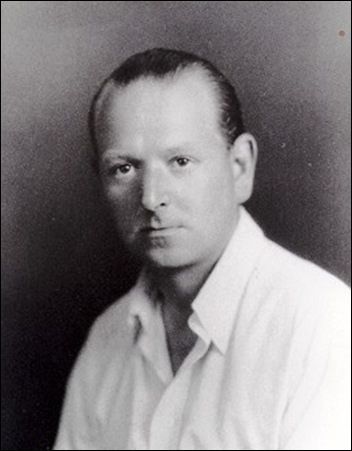
Dr. Edward Bach, the prominent English botanist and homeopathic practitioner was the father of the flower remedies as he discovered and perfected the preparation of flower remedies. He devoted rest of his life in discovering different flower essence and prepared 38 flower remedies in total.

fr3
Preparation of Flower Remedies

The preparation of flower remedies is not an easy job. To prepare flower remedy the person must have knowledge and a lot of skill. Flower remedies are done from flower extracts, which are used in diluted condition. The flower extract can be made by sun method or by the boiling method.

fr4 Flower Remedies in Different Diseases

Flowers are also endowed with medicinal value and the knowledge of which can heal wounds, provide relief from respiratory diseases or soothe excruciating migraines. Flower extracts are especially helpful in case of different mental conditions that might have physical manifestations.

Read more : Flower Remedies, Indian Naturopathy