Showing posts with label herbs. Show all posts

Wednesday, 11 September 2024

Sala Plant

The Sala plant, known scientifically as Shorea robusta, is a prominent tree species in South Asia, particularly in India, Nepal, and Bhutan. It holds a significant place not only in the region's ecosystems but also in its cultural and medicinal practices. The tree, also referred to as "Sal," is highly regarded for its robust wood and the medicinal properties of its bark, leaves, and resin.


Physical Features

The Sala plant is a large deciduous tree that can reach heights of 30 to 35 meters, with a trunk diameter of up to 2 to 2.5 meters. The bark of the tree is thick, rough, and dark brown, with deep vertical fissures. The tree's leaves are simple, broad, and leathery, typically measuring 10 to 30 centimeters in length. The leaves are shiny and have prominent veins, giving them a distinctive appearance. During the dry season, the leaves turn yellowish-brown before falling off. 

The Sala tree produces small, yellowish-white flowers that are clustered together in dense inflorescences. These flowers bloom in the spring, filling the surrounding area with a sweet fragrance. The fruit of the Sala plant is a nut-like capsule, approximately 1 to 2 centimeters in diameter, containing seeds that are dispersed by wind. 

Medicinal Usage

The Sala plant has been utilized in traditional medicine for centuries, with various parts of the tree being used to treat a range of ailments. The bark of the Sala tree is particularly valued for its astringent and anti-inflammatory properties. It is often used in Ayurvedic medicine to treat conditions such as diarrhea, dysentery, and skin disorders. The bark is typically ground into a powder and applied as a paste or taken orally. 

The resin, known as "Sal resin" or "Rala," is another important medicinal component of the Sala plant. This resin is obtained by making incisions in the tree trunk, from which the resin oozes out and hardens. It is widely used in traditional medicine to treat wounds, ulcers, and respiratory issues. The resin has antimicrobial properties, making it effective in preventing infections and promoting healing. 

The leaves of the Sala plant are also used medicinally, particularly in the treatment of skin conditions. The leaves are often boiled and the resulting extract applied to the skin to soothe rashes, burns, and other irritations. Additionally, the leaves are sometimes used in the form of poultices to reduce inflammation and pain in joints and muscles. 

The Sala plant is a vital resource in South Asia, known for its distinctive physical features and extensive medicinal uses. Its bark, resin, and leaves have been integral to traditional medicine for centuries, offering natural remedies for a variety of health issues. As research into traditional plant-based medicines continues, the Sala plant remains an important subject of study for its potential therapeutic applications.

Thursday, 21 September 2023

The Kadamba Tree: Ecological Significance, and Uses in India


The Kadamba tree, belonging to the Rubiaceae family, is a medium-sized, deciduous tree that can reach heights of up to 45 meters. Its bark is smooth and grayish-white, while its leaves are simple, opposite, and elliptical in shape. The tree is renowned for its captivating, fragrant flowers that bloom in dense, spherical clusters, and its fruit, which resembles a green berry, contains multiple seeds. The Kadamba tree is characterized by rapid growth, making it suitable for reforestation efforts.


Ecological Significance of the Kadamba Tree:


Biodiversity: The Kadamba tree plays a vital role in supporting local biodiversity. Its flowers attract a wide array of pollinators, including bees and butterflies. These pollinators aid in the fertilization of various plant species, contributing to the overall health and diversity of the ecosystem. 

Soil Improvement: The fallen leaves of the Kadamba tree decompose quickly and enrich the soil with organic matter. This enhances soil fertility and nutrient content, benefitting nearby flora and promoting healthier plant growth. 

Shade and Microclimate Regulation: The dense canopy of the Kadamba tree provides ample shade, reducing the impact of direct sunlight on the forest floor. This results in the creation of a cooler and more stable microclimate, which benefits both plant and animal species seeking shelter from extreme temperatures. 

Erosion Control: The extensive root system of the Kadamba tree helps prevent soil erosion, particularly in regions prone to heavy rainfall. This ability to stabilize soil contributes to the conservation of valuable topsoil and the protection of nearby water bodies from sediment runoff. This makes it a crucial element in Indian flora and fauna where soil erosion is a major issue.

Medicinal Properties: The Kadamba tree is valued for its medicinal properties in traditional Ayurvedic medicine. Various parts of the tree, including the bark, leaves, and flowers, are used to treat ailments such as fever, diarrhea, and skin disorders. 

Uses of the Kadamba Tree in India: 

Timber: The wood of the Kadamba tree is lightweight, making it ideal for crafting purposes, including making furniture, handicrafts, and musical instruments. Its ease of carving and beautiful grain patterns have led to its popularity in woodworking. Indian Trees 

Religious Significance: The Kadamba tree holds religious and cultural significance in India, particularly in Hinduism. It is associated with Lord Krishna, who is often depicted playing his flute beneath a Kadamba tree. As such, Kadamba trees are often planted in temple courtyards and other sacred spaces. 

Aesthetic Landscaping: Due to its stunning flowers and attractive appearance, the Kadamba tree is used in landscaping and beautification projects in parks, gardens, and urban areas across India. 

Honey Production: Bees are attracted to the Kadamba tree's nectar-rich flowers, making it a valuable source of honey production in certain regions of India.

Friday, 23 September 2022

Indian Herbs


Indian HerbsIndian herbs are considered to be helpful for achieving good health with the help of natural sources. The age old traditions associated with herbs are kept alive by the people of medicinal milieu, considering their effects on many diseases and the belief in herbal therapy has been creating in millions of people, since ancient times. Though the Indian herbs are used extensively in herbal therapy and other alternative treatments, they should be consumed in proper amount because over consumption of some herbs may lead to bad health or may have some kind of side effects. There are some agricultural institutes, which take initiatives to cultivate Indian herbs that can be the source of life giving medicines. Apart from this, there are yoga centers, where medicines are prepared like the Patanjali Yogpith of Haridwar.

History of Indian Herbs
Ancient history of Indian herbs depicts that the Rig Veda, the oldest document of human knowledge, carries evidence regarding the use of medicinal plants in the treatment of various diseases. The tradition of Ayurveda originated around 5000 years ago. Ayurveda, "the science of life", offers rich and comprehensive outlook to a healthy life. The basic concept of Ayurveda is to maintain a balance of body, mind and spirit, along with the usage of some herbs that are widely cultivated in India for medicinal usage. The ancient book of Charaka, which was written around 1000 BC, concentrates on medicine and depicts that in ancient times the practitioners used to treat diseases with the help of decoctions from different herbs.

Types of Indian Herbs
Indian HerbsIndian herbs are used as medicinal herbs, culinary herbs, aromatic herbs and ornamental herbs. They even have spiritual usage in some cases. These herbs and their uses are given below.

Indian Medicinal Herbs
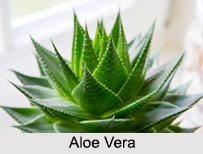
Most of the Indian herbs are used widely used due to their medicinal values. For medicinal or spiritual use, any part of a plant might be considered to be herb. These parts are leaves, roots, flowers, seeds, resin, root bark, inner bark (cambium), berries and sometimes the pericarp or other portions of the plant. Plants contain phytochemicals that affect body. Medicinal herbs have curative effects and are used to prepare herbal medicines. They are considered as having powerful effects on curing certain diseases. Some types of herbal extract, such as the extract of St. John's wort (Hypericum Perforatum) or of kava (Piper Methysticum) can be used to relieve depression and stress. However, large amounts of these herbs may lead to poisoning. Therefore, they should be used with caution. One herb-like substance called 'Shilajit' is used to lower blood glucose levels. Thus, the herb is especially important for those suffering from diabetes. Some Indian herbs that are famous for their curative effects are abrus precatorius, adhatoda vasica, aloe vera, ashwagandha, asparagus racemosus, basil, bhringaraj, cardamom, castor, ginger, guggul, lemongrass, safed musli, sandalwood, sarsaparilla, shankapushpi, solanum nigrum, tinospora cordifolia and vinca rosea.

For more, visit the link below:

Friday, 11 February 2022

Ancient Hindu Medicine


Ancient Hindu MedicineThe ancient Hindu medicine dates back to the prehistoric time and it is as old as the civilisation is. The rudiments of ancient medicine started from Vedic period and in the there are mentions of medicinal plants and herbs. The introduction of Ayurveda in earth was made by Lord Brahma when he saw the suffering of human beings.

Archaic Hindu medicine in its earliest context is to be found mostly in the hymns of the Atharva Veda, and the Vedic term 'bheshaja', used to denote medicinal charms, which occurs also in the Avesta as baesaza or baesazya, suggests a common Aryan origin. It is a 'psychosomatic' approach to healing, part of a philosophical system. It is a scheme in which the lay physician and the priest perform their respective roles in controlling the ills of the body and of the soul. Native pre-Aryan tradition and practice were imbibed. Mohenjodaro, which had the finest public health facilities in the ancient East, could boast bathrooms and a drainage system, and no doubt influenced personal hygiene. The deity Dhanvantari, custodian of the elixir of immortality, became the fount of wisdom for virility and duration in life (ayurveda) and the remedies (bhaishajya) to ensure these. He figures in Susruta as the divine authority in medicine.

The theoretical basis of ancient Hindu medicine was metaphysical and was restricted by tradition and by isolation from other sciences. In the practice of ancient Hindu medicines, diseases like fever was considered as a demon, offspring of indigestion, the commonest cause of illness. According to ancient Indian scriptures, the human body was maintained in a state of health by the three humours, phlegm, gall, and wind (or breath) in their correct proportions. These proportions could be achieved by proper diet, an important consideration in a trying climate. The humours were forms of the life-energy and corresponded to divine forces or agents in the macrocosm, i.e. outside the body; thus phlegm, cool and heavy, which resided in the chest and lungs, was associated with the moon. Hindu interpretation gave wind prime significance among the humours, since it appeared to govern the dynamics of the body; from the pre-Aryan Yoga to the Vedanta philosophy there developed a theory of winds (vayu) or manifestations of the life-breath.

For more, visit the link below:

Herbalism


HerbalismHerbalism is a traditional method of medicinal practice based on the use of plants and plant extracts. Herbalism is the part of folk medicine and also known as botanical medicine, medicinal botany, herbal medicine, medical herbalism, herbology and phytotherapy. Herbal medicine sometimes included fungi and bee products as well as minerals, shells and many animal parts.

The plants have certain medical benefits to human beings though many of the beneficial effects are not proven scientifically. It is recommended that proper double blind clinical trials are needed to be done before the practical use of the medicines in order to determine and ensure the safety and efficacy of each plant or plant product. Many consumers believe that herbal medicines are safer as these are purely natural. But herbal products should not be used while taking synthetic drugs as it causes toxic effects on the patients by interacting with the synthetic drugs. Herbal products might have contamination and the herbal medicines can replace the synthetic drugs even without their efficacies proven.

Many plants synthesize certain products that are beneficial to the maintenance of health in humans and other animals. The useful plant products include aromatic substance. The plant products are mostly phenols or their oxygen substituted derivatives like tannins. Many secondary metabolites have been isolated from the plant products, which ranges about twelve thousand. In many cases these substances, particularly the alkaloids acts as the defence mechanism of the plants against the predation of the microorganisms, insects and herbivores. Many of the herbs and spices, used in seasoning food are the useful medicinal compounds of plants.

The herbal medicine is still useful and coherent in the modern era as they are natural and easy to use. Many of the pharmaceuticals currently available to the physicians have a long history of use as herbal remedies such as quinine, aspirin, opium and digitalis.. HerbalismHerbal medicine consists of the greater part of all traditional medicinal system. Herbal medicine is a part of Ayurveda, naturopathic, homeopathic, traditional Chinese medicine and Native American medicine.

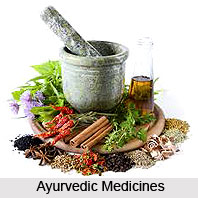
The research on herbal medicine and its uses has increased in the recent years. Pharmacologists, botanists, microbiologists and natural product-chemists are in constant effort to reveal the benefits of different plant products for the treatment of various diseases. In India, Ayurvedic medicines have complex formulae with a number of ingredients that undergo alchemical processing and then used to balance Vata, Pitta and Kapha.

For more, visit the link below:

Thursday, 15 July 2021

Malas in Ayurveda


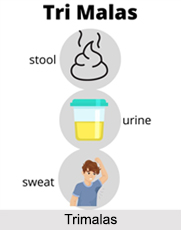
Malas in AyurvedaMala are the substances or waste matters that need to be eliminated from the body. They are in fact excretory derivatives formed as a result of various physiological activities going in the body. The name Mala is derived from the word malinikaran which means toxification, a principle property of the excretory products. The malas are also known as Dushya because they have a tendency to cause diseases and disorders under the influence of the imbalanced doshas. They are the third component of the body's physiological cycle, the other two being doshas and dhatus. According to Ayurveda only a balanced condition of doshas, dhatus and malas can produce Aarogya (good health or disease free condition) and their imbalance causes ill health or disease. Purish (stool), Mutra (urine) and Sweda (sweat) are considered to be the main malas or excretory product of the body.

Importance of Malas
The production and removal of these wastes in a channelled way is absolutely necessary and vital to maintain a healthy body and mind. Waste products other than the Trimala include tears, spit, oily secretions from the skin and other secretions from the sexual organs. Malas help to maintain and regulate daily functions of the organs. If balance between the Tridoshas, i.e. vata, pitta and kapha, is not maintained, the malas or waste products of the body are not effectively eliminated, which lead to health complications.

Purish: Purish or stool is the waste product which is left after digestion as the nutrients from food have been absorbed by the body. When the body absorbs water, minerals and other salts, the remaining matter is converted into solid faeces and eliminated from the body. For the faecal matter to be consistent, both the gastrointestinal mobility and the nature of diet should be taken care of. The tridoshas (vata, pitta and kapha) must be in equilibrium to guarantee normal evacuation of faeces. Pitta and kapha help in the process of digestion while vata is responsible for proper mobility throughout the process. Any discrepancy or imbalance relating to any of these can lead to various ailments like abdominal heaviness or pain, flatulence, constipation or diarrhoea. Disturbances in this mala may also give rise to diseases like osteoarthritis, rheumatoid arthritis, asthama, low-back pain, bronchitis as well as irritable bowels and stomach ulcers.

Mutra
Mutra is a form of mala that is derived from the various physiological processes that go on within the human body. The entire urinary system comprising the kidneys, the uterus, the urinary bladder and the urethra takes part in the formation and removal of urine, thus regulating the fluid balance in the body and also preserving the blood pressure at an optimum level. Any imbalance like increased or decreased urine, may lead to diseases such as urinary infections, kidney stones, abdominal pain, cystitis and various bladder disorders.

Sweda
Sweda is the third major mala, and it occurs as a waste product during the synthesis of meda dhatu (fatty tissue). The elimination of sweda occurs through skin pores. It helps in the regulation of body temperature and maintains the electrolytic balance within the body. The channels that are responsible for transporting the sweat to the upper layers of the skin are known as sweda vaha srotas. If normal formation and flow of sweat is not maintained, it might lead to various disorders like skin infections, loss of fluid balance, itching or burning sensation over the body, and reduced body temperature.

Thus in Ayurveda, malas are of ample significance in maintaining the body's health. If one is not eliminating malas, it means that somewhere in the body the deposition of "ama" is taking place. Ashtang Ayurveda suggests various treatments to get rid of these toxins from the body. If these waste products are not formed and eliminated, the metabolic process gets disturbed resulting in the formation of malformed tissues. Therefore, according to Ayurveda, the body needs to separate the utilisable part of the ingested food from the waste products and excrete those waste matters at the appropriate time for maintaining good health.

Impact of Malfunctioning of Malas
Imbalance of the elements in the body causes abnormality in quality or quantity of the malas, thus leading to diseases. An increase in Purisha (feces), composed mainly of the element bhoomi (earth), causes abdominal unrest. Any decrease in Purisha can lead to bloating, abdominal pain, back pain, asthma, hypocalcaemia etc.

Mutra or urine is composed mainly of jal (water) and agni (fire). Any increase can cause infections to urinary tract and bladder dysfunction. Reduced urine production can cause kidney stones.

For more, visit the link below:
https://www.indianetzone.com/5/mala.htm

Tuesday, 13 April 2021

Panchagavya, Ayurveda


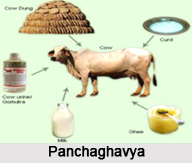
Panchagavya, AyurvedaPanchagavya is famous as a cancer treatment medicine as well as a pesticide. It is very powerful and is very good for health. Panchagavya is among the traditional products that are used in various Hindu rituals from ancient periods in India. The usage of Panchagavya is also known as ‘Cowpathy Treatment’ which is essential component of Ayurvedic medicine and possesses religious importance especially to the Hindus. Panchagavya is a Sanskrit term which is the blend of five products obtained from cow. This concoction involves five different products of cow like cow dung, cow urine, cow milk, cow ghee and curd. Such ingredients are mixed in a perfect ratio and the mixture obtained is permitted to undergo fermentation. The water of tender coconuts, bananas, groundnut cake and yeast are employed to create this unique mixture called Panchagavya, which can be utilized as a powerful organic pesticide.

Ingredients of Panchagavya
Panchagavya must be prepared with the aide of some significant ingredients like jaggery, cow urine, ripe bananas, cow curd, water of tender coconuts and cow ghee.

  • Cow Dung: Cow dung has an antiseptic property. It also has anti-bacterial and fungicidal properties. According to old Hindu Ayurvedic science, the cow dung is mixed with waters and then the filtrate is taken out of the suspension, which is the main ingredient of the skin ointments that is effective in case of serious skin problems like eczema, psoriasis and gangrene.


  • Cow Urine: The cow urine is also sold in the market under the label ‘Gift of the Cow’. It has also medicinal properties. As per Ayurveda, cow’s urine is considered as one of the fundamental ingredients of many Ayurvedic medicines as this has some medicinal properties.


  • Cow Milk: As per Ayurveda, cow milk provides special and unique nutrition, which cannot be derived from any other type of food. Cow milk must be digested properly to nourish all the tissues. It also promotes balanced emotions as well as balances all the ‘Ayurvedic Doshas’. This is also an important food that enhances ‘Ojas’, the force that maintain life.


  • Cow Ghee: According to Ayurveda, the cow ghee is believed to be the best for human consumption. It has much nutritive qualities and is an ideal diet for the heart patients. The regular consumption of cow ghee enhances physical and mental strength, maintains healthy body and increases the potency of the body. Cow ghee has nutritive value also and also helps in taking out the impurities from the body. The cow ghee enhances eyesight; maintain the health of muscles and tendons and keeps the bones stout but flexible.


  • Curd or Dahi: Curd is another by-product of cow milk. In Sanskrit the curd is called ‘Dahi’. The ancient Ayurveda specialists of India like Charaka and Sushruta have described the qualities and usefulness of curd. In many diseases curd is used due to its therapeutic value. The curd has been described as the tonic. It has got the properties that prevent premature aging. Curd cures the patients of diarrhoea and dysentery. In chronic specific and non-specific colitis the curd is also very helpful.

  • To learn more, click the link below:

    Wednesday, 20 January 2021

    Ayurvedic Herbs


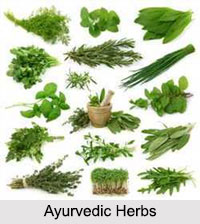
    Ayurvedic Herbs, AyurvedaAyurvedic Herbs are made out of roots, bark, fruits and plants, found in the deep dark woods of India where the herbs grow freely without pesticides and chemicals. These ayurvedic herb works with perfect harmony with the body and the mind. Ayurvedic medicine utilizes Ayurvedic herbs for the therapeutics like herbal tonics and herbal sweat baths. To deal with stress-related, metabolic, and chronic conditions these Ayurvedic herbs are administered often orally or even often inhaled depending on the need of the patient.

    Classifications of Ayurvedic Herbs
    Ayurvedic herbs can be classified into five types; according to origin, habitat, various actions, action on doshas and their use.

    Classifications of herbs according to origin are based on the theory of Panchabhuta. The classification of ayurvedic herb as per habitat and life span divides the herbs into four main categories like:
  • Sthalaj - Plant and trees that grow on land; e.g. Haritaki, Amalaki, etc,
  • Jalaj - herbs that grow in water; e.g. Lotus,
  • Vruksharuha - herbs that grow other tree but are not dependent on that tree for its food
  • Vrukshadan (parasitic) - herbs that grow on another tree and also depend on that for its required food.


  • Ayurvedic herbs that are being classified according to the action on doshas are known as
  • Shaman - herbs which associate the vitiated dosha without purifying the doshas or disturbing the equilibrium
  • Kopan - herbs which vitiate the doshas in equilibrium and
  • Swasthahita - herbs which have a tendency to increase or decrease vata doshas.


  • Depending on their usage also Ayurveda classifies the Ayurvedic Herbs into two main categories like:
  • Aushadhi herb - herbs which are mainly used in preparing medicine
  • Ahar Dravya herb - the herbs that are used in preparing Ayurvedic pathya.


  • Ayurvedic herbs are further categorized according to their herbal properties and functions and each herb is used to treat each specific disease or behaviour. It is only by studying the symptoms coupled with the constitution of the patient, the ayurvedic practitioners determines the prevalence of each of the physical manifestations of the doshas and selects herbs to correct the physical imbalances.

    Various Types of Ayurvedic Herbs
    While some Ayurvedic herbs are administered individually some other herbs are also used as traditional formulas. Some of the Ayurvedic Herbs widely used are as follows;

    Ayurvedic Herbs, AyurvedaAmalaki: Amalaki is a common Ayurvedic herb mainly used to maintain and rebuild tissues. Rich in Vitamin C, it reduces pitta without aggravating vata or kapha and is one of the three herbs used in Triphala, the primary Ayurvedic tonic for maintaining health.

    Arjuna: Arjuna is traditionally given to support circulation and oxygenation of all tissues. It is also a famous cardiac tonic used in Ayurveda for a variety of heart conditions.

    Ashoka: Ashoka is used in Ayurveda as a tonic for the uterus and is believed to maintain the proper function of the female generative system.

    Ashwagandha: Ashwagandha has been traditionally used for general debility, sexual debility and nerve exhaustion.


    For more visit the link below: