Showing posts with label health. Show all posts

Saturday, 4 April 2026

Kariyartharani: A Valuable Medicinal Herb in Traditional Indian Healing

 Kariyartharani is a lesser-known yet significant medicinal plant widely recognized in traditional Indian systems of healing, particularly Ayurveda and folk medicine. Found in various tropical and subtropical regions of India, this herbaceous plant has long been valued for its therapeutic properties. Rural communities and traditional healers have relied on Kariyartharani for generations to treat a variety of ailments. Its leaves, stems, and roots contain bioactive compounds that contribute to its medicinal potential, making it an important natural resource in indigenous healthcare practices.


Botanical Characteristics and Distribution

Kariyartharani is typically a terrestrial herb or subshrub that grows in warm climatic conditions. The plant is characterized by its erect growth habit and simple opposite leaves, which are often elliptic or ovate in shape. It commonly thrives in open lands, agricultural fields, and forest margins. In India, the plant can be found in several regions where the climate supports the growth of medicinal herbs, particularly in tropical and semi-tropical areas. 

Due to its adaptability and ease of growth, Kariyartharani often occurs as a wild plant, though in some places it is also cultivated for medicinal purposes. 

Health Benefits and Medicinal Properties

Kariyartharani is known for its wide range of therapeutic benefits. Traditional healers have used the plant to address several common health conditions due to its anti-inflammatory, antimicrobial, and detoxifying properties. 

One of its notable uses is in treating skin-related disorders. Extracts from the leaves are often applied externally to relieve conditions such as rashes, minor wounds, and infections. The plant’s natural antimicrobial properties help prevent the spread of infection and promote healing. 

Kariyartharani is also used in managing digestive issues. Herbal preparations made from the plant are believed to aid digestion and relieve problems such as indigestion and mild stomach discomfort. In some traditional practices, decoctions prepared from its leaves or roots are consumed to improve overall digestive health. 

Another important medicinal use of Kariyartharani is in the treatment of inflammatory conditions. Traditional remedies prepared from the plant are sometimes used to reduce swelling, joint discomfort, and minor body pains. The plant’s anti-inflammatory properties make it beneficial for alleviating such symptoms. 

In addition, Kariyartharani is occasionally used in herbal formulations intended to support general immunity and overall well-being. 

Usage in Traditional Indian Medicine

In India, Kariyartharani has been incorporated into local medicinal traditions for many years. Village healers and practitioners of traditional medicine often prepare herbal remedies using fresh leaves or dried plant parts. 

The plant may be used in the form of herbal pastes, decoctions, or extracts. For skin ailments, crushed leaves are commonly applied directly to the affected area. For internal use, mild decoctions are sometimes prepared by boiling parts of the plant in water. 

Such practices reflect the broader tradition of plant-based medicine in India, where locally available herbs serve as accessible and affordable remedies for common health concerns. 

Kariyartharani represents an important example of the rich botanical heritage that supports traditional healthcare in India. Though not widely known in modern herbal markets, the plant continues to hold value in indigenous medical practices due to its therapeutic properties. With increasing interest in natural remedies and medicinal plants, Kariyartharani may gain greater recognition for its potential health benefits and role in sustainable herbal medicine.

Wednesday, 3 September 2025

Meditation to Find Happiness


In today’s fast-paced world, stress has become an inevitable part of life. Balancing work, relationships, and personal responsibilities often leaves people feeling drained and overwhelmed. Meditation, an age-old practice rooted in mindfulness and awareness, offers a simple yet powerful way to manage stress and cultivate happiness. By training the mind to focus and remain calm, meditation can transform the way one experiences daily challenges. 

Techniques of Meditation

There are various meditation techniques that individuals can practice depending on their needs and lifestyle: 

1. Mindfulness Meditation

This technique involves observing thoughts, emotions, and sensations without judgment. Practitioners focus on the present moment, often beginning with attention to breathing. Mindfulness meditation helps reduce overthinking and increases clarity of mind. 

2. Breathing Exercises

Simple breathing techniques, such as deep diaphragmatic breathing or alternate nostril breathing, calm the nervous system. These practices slow down the heart rate and promote relaxation, making them effective for reducing immediate stress. 

3. Guided Meditation

Guided sessions, often led by instructors or through audio recordings, involve visualization exercises where practitioners imagine peaceful settings or positive scenarios. This method is especially helpful for beginners who find it difficult to meditate on their own. 

4. Transcendental Meditation

In this technique, individuals silently repeat a specific mantra to settle the mind. It allows deep relaxation and helps release tension stored in the body. 

5. Loving-Kindness Meditation

Also known as Metta meditation, this practice focuses on generating feelings of compassion and love toward oneself and others. It encourages emotional healing and fosters stronger social connections. 

Benefits of Meditation

The benefits of meditation extend beyond stress reduction, influencing physical, emotional, and mental well-being: 

1. Stress Reduction

Meditation lowers cortisol levels, the hormone associated with stress. With regular practice, individuals experience a calmer mind and improved ability to handle stressful situations. 

2. Improved Emotional Health

By fostering mindfulness and self-awareness, meditation reduces negative thinking patterns. It promotes emotional stability, reduces anxiety, and can even alleviate symptoms of depression. 

3. Enhanced Concentration and Focus

Meditation trains the mind to remain attentive, improving concentration and memory. This is particularly beneficial for students, professionals, and anyone seeking greater productivity. 

4. Better Sleep

Stress often disrupts sleep patterns. Meditation helps relax the body and mind, making it easier to fall asleep and achieve deeper rest. 

5. Greater Happiness and Well-being

Meditation fosters inner peace by shifting focus from external pressures to internal balance. Practices like loving-kindness meditation nurture positive emotions, leading to greater contentment and a happier outlook on life. 

Finding Happiness Through Meditation

Happiness is not simply the absence of stress but a state of inner fulfillment. Meditation creates a pathway to this state by encouraging individuals to live in the present moment, appreciate small joys, and cultivate resilience against life’s challenges. With consistent practice, meditation becomes more than a stress-relief tool—it becomes a way of life that nurtures harmony, clarity, and genuine happiness.

Tuesday, 2 September 2025

Psychophysiological Basis of Positive Lifestyle


A positive lifestyle, encompassing healthy behaviors, constructive attitudes, and adaptive coping mechanisms, has long been associated with enhanced well-being. From a psychophysiological perspective, the interplay between the mind and body provides a scientific foundation for understanding how positive habits influence health and quality of life. Exploring this connection reveals how physiological processes are regulated and optimized by psychological states, reinforcing the significance of adopting a balanced and constructive lifestyle. 

At the core of this relationship lies the bidirectional communication between the brain and body through the autonomic nervous system, endocrine pathways, and immune responses. Psychological states such as optimism, mindfulness, and emotional stability have been shown to regulate the hypothalamic-pituitary-adrenal (HPA) axis, a central stress response system. When individuals maintain positive attitudes, the HPA axis remains balanced, preventing chronic elevation of cortisol levels. In turn, this reduces risks associated with cardiovascular disorders, metabolic imbalances, and immune suppression. 

Equally important is the role of the autonomic nervous system in mediating lifestyle benefits. Practices such as regular physical activity, relaxation techniques, and deep breathing enhance parasympathetic activity, reflected in improved heart rate variability (HRV). High HRV is a marker of resilience and adaptability, signifying the body’s capacity to recover from stress. Positive psychological states strengthen these autonomic responses, allowing individuals to cope effectively with daily challenges while preserving physiological stability. 

Neurotransmitters and hormones further explain the psychophysiological basis of a positive lifestyle. Engaging in fulfilling activities and maintaining social connections increase the release of endorphins, dopamine, and oxytocin, all of which contribute to feelings of reward, bonding, and reduced perception of pain. These biochemical changes foster motivation, reinforce adaptive behaviors, and encourage continuity in health-promoting practices. Similarly, serotonin levels, often enhanced through regular exercise and exposure to sunlight, play a critical role in regulating mood and sleep, both of which are vital for maintaining overall well-being. 

The immune system is also directly influenced by psychological and lifestyle factors. Studies indicate that individuals who practice gratitude, maintain social support, and engage in stress-reduction techniques demonstrate stronger immune responses. Positive emotions reduce inflammatory markers, while chronic negativity and stress tend to exacerbate inflammation and weaken immunity. This underscores how constructive mental states, when combined with balanced nutrition, exercise, and adequate rest, create a holistic framework for sustained health. 

Sleep regulation provides another dimension to this psychophysiological link. A positive lifestyle characterized by stress management, regular routines, and emotional regulation ensures better sleep quality and duration. Adequate sleep supports cognitive performance, emotional regulation, and metabolic balance, while insufficient rest disrupts hormonal systems and impairs overall functioning. Thus, psychological stability and physiological restoration are mutually reinforcing processes. 

In conclusion, the psychophysiological basis of a positive lifestyle highlights the inseparability of mental and physical health. Through balanced neuroendocrine activity, autonomic regulation, neurotransmitter release, immune functioning, and sleep quality, positive attitudes and behaviors create a feedback loop that sustains well-being. This evidence underscores the necessity of cultivating optimism, resilience, and healthy habits not merely as choices of preference, but as fundamental strategies for long-term health and vitality.

Wednesday, 11 September 2024

Sala Plant

The Sala plant, known scientifically as Shorea robusta, is a prominent tree species in South Asia, particularly in India, Nepal, and Bhutan. It holds a significant place not only in the region's ecosystems but also in its cultural and medicinal practices. The tree, also referred to as "Sal," is highly regarded for its robust wood and the medicinal properties of its bark, leaves, and resin.


Physical Features

The Sala plant is a large deciduous tree that can reach heights of 30 to 35 meters, with a trunk diameter of up to 2 to 2.5 meters. The bark of the tree is thick, rough, and dark brown, with deep vertical fissures. The tree's leaves are simple, broad, and leathery, typically measuring 10 to 30 centimeters in length. The leaves are shiny and have prominent veins, giving them a distinctive appearance. During the dry season, the leaves turn yellowish-brown before falling off. 

The Sala tree produces small, yellowish-white flowers that are clustered together in dense inflorescences. These flowers bloom in the spring, filling the surrounding area with a sweet fragrance. The fruit of the Sala plant is a nut-like capsule, approximately 1 to 2 centimeters in diameter, containing seeds that are dispersed by wind. 

Medicinal Usage

The Sala plant has been utilized in traditional medicine for centuries, with various parts of the tree being used to treat a range of ailments. The bark of the Sala tree is particularly valued for its astringent and anti-inflammatory properties. It is often used in Ayurvedic medicine to treat conditions such as diarrhea, dysentery, and skin disorders. The bark is typically ground into a powder and applied as a paste or taken orally. 

The resin, known as "Sal resin" or "Rala," is another important medicinal component of the Sala plant. This resin is obtained by making incisions in the tree trunk, from which the resin oozes out and hardens. It is widely used in traditional medicine to treat wounds, ulcers, and respiratory issues. The resin has antimicrobial properties, making it effective in preventing infections and promoting healing. 

The leaves of the Sala plant are also used medicinally, particularly in the treatment of skin conditions. The leaves are often boiled and the resulting extract applied to the skin to soothe rashes, burns, and other irritations. Additionally, the leaves are sometimes used in the form of poultices to reduce inflammation and pain in joints and muscles. 

The Sala plant is a vital resource in South Asia, known for its distinctive physical features and extensive medicinal uses. Its bark, resin, and leaves have been integral to traditional medicine for centuries, offering natural remedies for a variety of health issues. As research into traditional plant-based medicines continues, the Sala plant remains an important subject of study for its potential therapeutic applications.

Wednesday, 22 March 2023

Features of Tantrism


Tantrism is the search for spiritual power and ultimate release by means of the repetition of sacred syllables, phrases, symbolic drawings, and other secret rites. Features of Tantrism have certain steps following which a yogi is able to realize the Absolute Truth.


Spirit of Heterodoxy
One of the main features of Tantrism is that it is a departure from tradition, especially the Vedic. The term ‘Tantrika’ was used as a mark of distinction from ‘Vaidika’. Tantra advocated certain peculiar and heterodox guidelines. The cult of the body, including sex -yogic practices along with esoteric geometric patterns, gestures and incantations are nothing but instruments to attain spiritual transcendence.

Spirit of Revolt
Tantrism as a movement of the masses is a reaction against the social ills and excesses of the established religions. It professed equality of all encouraged free social interaction among all castes and unrestricted access to ritual worship for all, in blatant opposition to the existing Brahmanic traditions.

Ritualism
Tantrism is essentially ritualistic with rites and rituals of varying complexity occupying a fundamental position in all Tantras whether HinduBuddhist or Jain. It echoes the strong trend that probably affected all religions to substitute tangible and popular ritual for the earlier abstract meditations.

Tuesday, 21 March 2023

Bandhas, Type of Pranayama


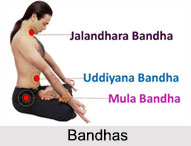
Bandhas, Type of PranayamaTypes of Bandhas
There are three major bandhas in vogue. Jalandhara Bandha is for throat, Uddiyana Bandha is for abdomen and Mula Bandha is for perineum and anus. Apart from these three main bandhas, there is another Bandha known as the ‘Maha Bandha’. It is an advanced yogic practice that involves practicing three major bandhas together: Mula Bandha, Uddiyana Bandha and Jalandhara Bandha.

These sensitive areas are stimulated during Pranayama by practicing these bandhas particularly during Kumbhaka. Then the Pranic energy passes upwards through Sushumna, which is to be experienced. Thus it may be said that the mudras will awaken the kundalini power while bandhas will help this serpent power to rise up along the chakras to bring about a specific effect.

Meaning of the word ‘Bandha’ is to bind, to lock, or to tie. The particular neuromuscular junction is contracted to increase positive pressure and to generate visceroreceptive or proprioceptive impulse that would travel upward through ascending path in the spinal cord. Secondly, there is a specific type of sensation at the contracted area. One has to remain attentive in order to maintain the contraction for a few seconds. One has to develop awareness of these impulses and the sensitivity to experience them.

For more, visit the link below:

Monday, 13 February 2023

Uses of Rose


Uses of RoseUses of rose are multifaceted and spread across different aspects like gardeningmedicinescosmeticscooking etc. There is a saying that, "There may be many flowers in a man's life, but there is only one rose. Rose is not only amongst the most beautiful and admired flowers with a number of uses, but also one of the most primitive flowers in subsistence. Rose has its numerous uses in manufacturing of perfumes, essential oils, rose water and other cosmetics. Rose fossil vestiges date back over thirty five million years. It was discovered in Colorado, North America, Europe and Asia. Apart from ordinary regular usages, roses have had their abundant usage in the medicinal sectors. The flowers are also used in culinary purposes. The petals of rose are also used to make herbal tea.

The history of the rose has led to it being used often as a symbol. In ancient Greece, the rose was associated with the goddess Aphrodite. In the Greek Epic “Iliad”, Aphrodite protects the body of Hector using the "immortal oil of the rose".

Medicinal Uses of Rose
The Romans formerly used the rose for medicinal purposes; myth has it that Cleopatra festooned her bed and floors with unsullied rose petals. Roses have diuretic effects as they contain Vitamin C, pectin, malic and citric acids. In addition to substantial proportions of vitamin C, the rose hips contain several other chemical amalgams that encompass 11% of pectin and 3% of a blend of Malic and Citric acids. According to the researchers it is the presence of malic acid and citric acid that contributes to the rose hips' laxative and diuretic effects. As a consequence, physicians frequently recommend the use of rose hips or preparations with it to treat constipation and urinary problems.

The flower bears the quality of both an aphrodisiac and an antidote to warfare drunkenness. Its effect in medicinal science proves that it clears toxins and heat from the body resulting in a cooling effect on the body. According to researchers, rose aroma increases brain power and helps sharpen the memory. The rose flower can relieve one from sore throatrunny nose and blocked bronchial tubes. Roses are useful in fighting chest infections. Rose petals relieve fluid retention and hasten the elimination of wastes through kidneys. The practitioners of naturopathy and herbal therapy believe that rose is a wonderful remedy for dysenterydiarrhea and gastro enteritis. As it is a laxative, it works as a remedy for all liver problems including sluggishness and constipation. It has also been said that roses help to cleanse the liver and gall bladder. Roses also promote bile flow.

For more, visit the link below:

Monday, 6 February 2023

Meditative Asanas, Yoga


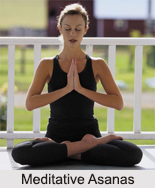
Meditative Asanas, YogaMeditative Asanas are the postures one assumes in order to sit or stand comfortably for extended durations, enabling one to concentrate and meditate without interference from muscle proprioceptors. The idea behind Meditative Asanas is merely to position oneself in such a way so that one’s limbs cease to send stimuli to the mind, allowing the practitioner to concentrate on meditation.

Meditative Asanas have been consistently mentioned in various Indian Text on Yoga over the ages, including the Puranas and the Vedas, and have formed the core around which a comprehensive physical culture of asana practice was developed.

Types of Meditative Asanas
Asanas classified as meditative are considered highly important in the canonical Yoga texts. There are 12 meditative postures listed in various Hatha Yoga manuals, and variations on the same have been devised over the years, of which 16 are known, resulting in a total of 28 Meditative Asanas. Only 19 of these, however, can be considered real Meditative Asanas, since the others are corrective or cultural.

Meditative Asanas, YogaSwastikasana
  • Vajrasana
  • Samasana
  • Bhadrasana
  • Padmasana
  • Siddhasana
  • Virasana
  • Goraksasana
  • Hathasiddhasana
  • Sukhasana
  • Guptasana
  • Muktasana
  • Tristhitasana
  • Pavana Muktasana
  • Vrisasana
  • Sthitaprarthanasana
  • Ksemasana
  • Sthirasana
  • Dhirasana
  • For more, visit the link below

    Monday, 30 January 2023

    Shodhana Therapy, Ayurveda


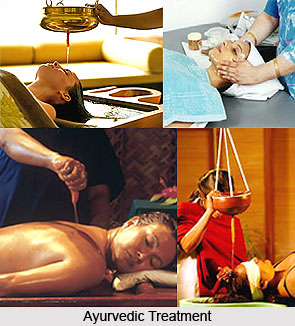
    Shodhana Therapy, AyurvedaShodhana therapy in Ayurveda is also defined as the various procedures of eradicating diseases from the normal system of the body. It is actually considered as the second means of Ayurveda through which illness of the body is being treated. Shodhana literally means "to go away". In this specific form of treatment also known as Panchakarma, the basis or the root cause of the disease is eradicated. The shodhana therapy rids the body of Aama and malas and completely restores balance to the doshas. In simple terms, it can be said that it basically pulls the weeds out by its roots. Shodhana therapy is considered as superior to shamana therapy because it not only removes the symptoms of disease but it also eliminates their root cause.

    In Ayurveda, it is defined that all disease processes point to a crisis of Aama toxicity in the body. In other terms it is also called as purification therapy. It is called so because it reverses the disease mechanisms which carry toxic waste products from the digestive tract in to the several tissues of the body. In Ayurveda, it is said that there is a simple elegance to the approach and effectiveness of Panchakarma as shodhana therapy. It takes advantage of the naturally occurring cycles of doshic migration and utilizes the active phases of each dosha to draw dosha specific 'Aama' out of the dhatus and eliminate it from the body. In this way, Shodhana Chikitsa differs from every other form of treatment and it includes all other modes of detoxification and purification.

    In Shodhana therapy, doshas provide the vital connection between the gastrointestinal tract and the dhatus or the deep internal structures of the body. In case of the doshas, they are neither retained nor eliminated and they have the unique capability to travel throughout the body. They also transport the nutritive substances from the gastrointestinal tract to the tissues and organs and they carry unsuitable or damaging substances away from the dhatus and back to the gastrointestinal tract for elimination. Shodhana therapy emphasizes on the fact that doshas have the capacity to convey aama to the tissues as well as conduct it out of the tissues for disposal. As per the theoretical understanding of shodhana therapy, it is actually defined as cleansing therapy.

    For more, visit the page below:

    Saturday, 21 January 2023

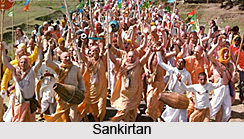
    Sankirtan Yoga


    Sankirtan YogaSankirtan yoga refers to taking the name of God. It is one of the nine modes of Bhakti. According to the Puranas, the glory of the Supreme Being lies in his Name. Hence, the easiest way to attain the lord is by remembering him. Swami Sivananda, the founder of Divine Life Society, defines Sankirtan as the Swarupa (indispensable nature), Dhwani (sound) and the essence of Vedas. In fact, both the Vedas and Sankirtan originate from the same source. In Sankirtan people sit together and remember God by singing his name harmoniously. But the most important thing is the bhava (thought or feeling). If the person is taking the Lord’s name with utmost devotion, then He will answer the devotee’s call.

    Sankirtan is further considered to be a science that has the power to lift the mind and spirits to its farthest extent. Sankirtan Yoga is the easiest and best way to realize God. In modern times, when it has become increasingly difficult for people to practice austerities, practicing Brahmacharya or Raja Yoga, singing His name is quite easy. Any common man can practice it as it does not require deep intelligence to comprehend Jnana Yoga or Sadhana.

    According to belief there is Shakti in God’s name. It has the power to eradicate all the 'mala' or impurities of mind. In fact there are three types of obstacles in the path to attain God: Mala, Vikshepa and Avarana. In order to get rid of this, selfless service, intellectual seeking and upasana are recommended. However, Sankirtan Yoga can achieve all these single-handedly because nothing is more powerful than His name. Even if it is the veil of Maya that deludes man, taking the name of God will help man to severe the worldly ties. Thus, Sankirtan enables one to realise the Brahman.

    For more, visit the link below:

    Monday, 16 January 2023

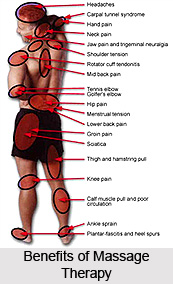
    Benefits of Massage Therapy


    Benefits of Massage TherapyBenefits of massage therapy are the various kinds of positive impacts which are experienced by people who have undergone massage therapy or therapies. Though some people are of the view that massage therapy is one of the most effectual processes to pamper the body, the reality is that this therapy induces many more effects to the human body, apart from ultimate bliss and calm nerves. Massage therapy is complete with a diverse range of health benefits which promise great health to its patients, in terms of a longer, happier and a beautiful life. Research activities have concluded that there are numerous emotional, physical and psychological comforts associated to massage therapy.

    Strengthens the Muscles
    Massage therapy is particularly recommended for athletes and people who are involved in occupations which require extensive utilization of their muscles. Employing this form of therapy can help easing or relaxing extremely painful muscles, or muscles which have been overused. It can also go a long way in healing injured muscles. Taut muscles can be unwounded by this technique and athletes are often advised to undergo massage therapy to get ready for a challenging game or as a recovery measure after a tough game. Besides, it is also proven to have enhanced the flexibility of joints which also aides sportsmen to a great extent.

    Relieves from Arthritis
    People who regularly suffer from arthritis can be assured of immediate relief from their excruciating pains, if they invest in massage therapy. Consuming excessive amount of painkillers to get rid of the aches and pains is said to induce certain ill side effects to the human body, which will be discovered gradually with the passage of time and are considered quite detrimental to physical health. Massage therapy ensures that the victims reduce their daily dependence on medications in the form of painkillers. Such massages are indeed quite comfortable for such people.

    For more, visit the link below:

    Monday, 9 January 2023

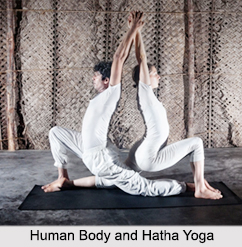
    Human Body and Hatha Yoga


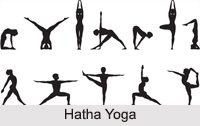
    Human Body and Hatha YogaHuman Body and Hath Yoga are deeply connected. Hatha Yoga is designed to gain in-depth understanding of the body and to unleash its power and strength to obtain higher selves. To a Hath Yogi, the body is not a mere mass of living matter, but a mystic bridge between the spiritual and the physical being. Hatha Yoga is often regarded as physical or bodily yoga. This implies that bodily perfection is viewed as a consequence of meditative discipline, although the relation between the two should perhaps be better understood as one of mutual enhancement. According to Yoga Sutra, the goal of Hatha Yoga results in beauty, gracefulness, strength and robustness.

    Hatha Yoga does not seek mere transcendental experiences. Its objective is to transform the human body to make it a worthy vehicle for Self-realization. According to a yogic philosophy, the body, mind and senses constitute instruments or tools for the respective processes of experiencing the world and realizing ones true nature. Physical upliftment assists the spiritual one and vice versa.

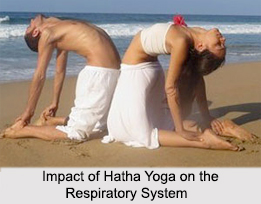
    Impact of Hatha Yoga on Body Cells
    Human Body and Hatha YogaHatha Yoga teaches that the physical body is built up of small cells, each cell containing within it a miniature life which controls its action. These lives on the other hand have small bits of intelligence which allow the cells to do their work in a proper manner. The small cells of human body are under the control of the central system and readily obey their orders consciously or unconsciously. The process of digestion, assimilation, etc shows the intelligence of the cells either separately or collectively in groups. Each atom of a living body according to the Yogi is a living being which has its own independent life. Cells in human body are the ones which carry on the work of continual regeneration. It has been said that in order to perform all the different actions the cells need a supply of Prana. The cells are able to get the supply of Prana from the nourishment they derive from the food which they have.

    In order to supply adequate Prana to the cells it is necessary that the body is kept in a proper condition and the yogis believe that Hatha Yoga is a way to keep the body in a healthy condition.

    For more, visit the link below: