Showing posts with label meditation. Show all posts

Monday, 9 March 2026

Meditation: A Path to Mental Clarity and Inner Balance

 Meditation is an ancient practice that focuses on training the mind to achieve clarity, calmness, and heightened awareness. Originating from spiritual traditions across the world, meditation has evolved into a widely accepted method for improving mental and physical well-being. In modern times, it is practiced not only for spiritual growth but also for stress management, emotional balance, and overall health. By encouraging individuals to focus their attention and regulate their thoughts, meditation promotes a state of relaxation and inner harmony.


Historical Background of Meditation

The roots of meditation can be traced back thousands of years, particularly within ancient Eastern traditions. Practices associated with meditation were integral to spiritual systems in India, China, and other parts of Asia. Early scriptures and philosophical teachings emphasized meditation as a means to achieve self-realization and spiritual enlightenment. Over time, the practice spread across cultures and religious traditions, including Buddhism, Hinduism, and later Western philosophical movements. Today, meditation is widely practiced in both secular and spiritual contexts, making it accessible to people from diverse backgrounds.


Types of Meditation

Meditation is not a single practice but a broad category encompassing various techniques designed to cultivate mindfulness and concentration. One of the most common forms is mindfulness meditation, which involves observing thoughts and sensations without judgment. Another widely practiced method is focused meditation, where attention is directed toward a specific object, sound, or breathing pattern. Transcendental meditation emphasizes the repetition of a mantra to promote deep relaxation and mental clarity. Additionally, loving-kindness meditation aims to develop compassion and positive emotions toward oneself and others. Each technique serves the same fundamental purpose of calming the mind and increasing awareness.


Health Benefits of Meditation

Numerous studies have demonstrated that meditation offers significant health benefits. Regular practice helps reduce stress and anxiety by lowering the levels of stress hormones in the body. It also improves concentration and cognitive functioning, enabling individuals to maintain focus in daily activities. Meditation has been linked to better emotional regulation, helping individuals manage negative emotions more effectively. Furthermore, it supports physical health by lowering blood pressure, improving sleep quality, and strengthening the immune system. As a result, meditation is often recommended as part of a holistic approach to well-being.


Meditation in Daily Life

Incorporating meditation into daily life does not require extensive time or complex preparation. Even a few minutes of quiet reflection each day can produce noticeable benefits. Many individuals begin by setting aside a specific time in the morning or evening to sit in a calm environment and focus on their breathing. Over time, meditation becomes easier and more natural as the mind learns to settle into a state of stillness. Consistency and patience are essential, as the benefits of meditation gradually develop through regular practice.


Meditation, like yoga, serves as a powerful tool for cultivating mental clarity, emotional balance, and physical well-being. Rooted in ancient traditions yet relevant in modern society, it continues to offer practical benefits for individuals seeking peace and self-awareness. By dedicating time to meditation, individuals can develop a deeper connection with their inner selves while fostering a healthier and more balanced life.

Wednesday, 3 September 2025

Meditation to Find Happiness


In today’s fast-paced world, stress has become an inevitable part of life. Balancing work, relationships, and personal responsibilities often leaves people feeling drained and overwhelmed. Meditation, an age-old practice rooted in mindfulness and awareness, offers a simple yet powerful way to manage stress and cultivate happiness. By training the mind to focus and remain calm, meditation can transform the way one experiences daily challenges. 

Techniques of Meditation

There are various meditation techniques that individuals can practice depending on their needs and lifestyle: 

1. Mindfulness Meditation

This technique involves observing thoughts, emotions, and sensations without judgment. Practitioners focus on the present moment, often beginning with attention to breathing. Mindfulness meditation helps reduce overthinking and increases clarity of mind. 

2. Breathing Exercises

Simple breathing techniques, such as deep diaphragmatic breathing or alternate nostril breathing, calm the nervous system. These practices slow down the heart rate and promote relaxation, making them effective for reducing immediate stress. 

3. Guided Meditation

Guided sessions, often led by instructors or through audio recordings, involve visualization exercises where practitioners imagine peaceful settings or positive scenarios. This method is especially helpful for beginners who find it difficult to meditate on their own. 

4. Transcendental Meditation

In this technique, individuals silently repeat a specific mantra to settle the mind. It allows deep relaxation and helps release tension stored in the body. 

5. Loving-Kindness Meditation

Also known as Metta meditation, this practice focuses on generating feelings of compassion and love toward oneself and others. It encourages emotional healing and fosters stronger social connections. 

Benefits of Meditation

The benefits of meditation extend beyond stress reduction, influencing physical, emotional, and mental well-being: 

1. Stress Reduction

Meditation lowers cortisol levels, the hormone associated with stress. With regular practice, individuals experience a calmer mind and improved ability to handle stressful situations. 

2. Improved Emotional Health

By fostering mindfulness and self-awareness, meditation reduces negative thinking patterns. It promotes emotional stability, reduces anxiety, and can even alleviate symptoms of depression. 

3. Enhanced Concentration and Focus

Meditation trains the mind to remain attentive, improving concentration and memory. This is particularly beneficial for students, professionals, and anyone seeking greater productivity. 

4. Better Sleep

Stress often disrupts sleep patterns. Meditation helps relax the body and mind, making it easier to fall asleep and achieve deeper rest. 

5. Greater Happiness and Well-being

Meditation fosters inner peace by shifting focus from external pressures to internal balance. Practices like loving-kindness meditation nurture positive emotions, leading to greater contentment and a happier outlook on life. 

Finding Happiness Through Meditation

Happiness is not simply the absence of stress but a state of inner fulfillment. Meditation creates a pathway to this state by encouraging individuals to live in the present moment, appreciate small joys, and cultivate resilience against life’s challenges. With consistent practice, meditation becomes more than a stress-relief tool—it becomes a way of life that nurtures harmony, clarity, and genuine happiness.

Tuesday, 2 September 2025

Psychophysiological Basis of Positive Lifestyle


A positive lifestyle, encompassing healthy behaviors, constructive attitudes, and adaptive coping mechanisms, has long been associated with enhanced well-being. From a psychophysiological perspective, the interplay between the mind and body provides a scientific foundation for understanding how positive habits influence health and quality of life. Exploring this connection reveals how physiological processes are regulated and optimized by psychological states, reinforcing the significance of adopting a balanced and constructive lifestyle. 

At the core of this relationship lies the bidirectional communication between the brain and body through the autonomic nervous system, endocrine pathways, and immune responses. Psychological states such as optimism, mindfulness, and emotional stability have been shown to regulate the hypothalamic-pituitary-adrenal (HPA) axis, a central stress response system. When individuals maintain positive attitudes, the HPA axis remains balanced, preventing chronic elevation of cortisol levels. In turn, this reduces risks associated with cardiovascular disorders, metabolic imbalances, and immune suppression. 

Equally important is the role of the autonomic nervous system in mediating lifestyle benefits. Practices such as regular physical activity, relaxation techniques, and deep breathing enhance parasympathetic activity, reflected in improved heart rate variability (HRV). High HRV is a marker of resilience and adaptability, signifying the body’s capacity to recover from stress. Positive psychological states strengthen these autonomic responses, allowing individuals to cope effectively with daily challenges while preserving physiological stability. 

Neurotransmitters and hormones further explain the psychophysiological basis of a positive lifestyle. Engaging in fulfilling activities and maintaining social connections increase the release of endorphins, dopamine, and oxytocin, all of which contribute to feelings of reward, bonding, and reduced perception of pain. These biochemical changes foster motivation, reinforce adaptive behaviors, and encourage continuity in health-promoting practices. Similarly, serotonin levels, often enhanced through regular exercise and exposure to sunlight, play a critical role in regulating mood and sleep, both of which are vital for maintaining overall well-being. 

The immune system is also directly influenced by psychological and lifestyle factors. Studies indicate that individuals who practice gratitude, maintain social support, and engage in stress-reduction techniques demonstrate stronger immune responses. Positive emotions reduce inflammatory markers, while chronic negativity and stress tend to exacerbate inflammation and weaken immunity. This underscores how constructive mental states, when combined with balanced nutrition, exercise, and adequate rest, create a holistic framework for sustained health. 

Sleep regulation provides another dimension to this psychophysiological link. A positive lifestyle characterized by stress management, regular routines, and emotional regulation ensures better sleep quality and duration. Adequate sleep supports cognitive performance, emotional regulation, and metabolic balance, while insufficient rest disrupts hormonal systems and impairs overall functioning. Thus, psychological stability and physiological restoration are mutually reinforcing processes. 

In conclusion, the psychophysiological basis of a positive lifestyle highlights the inseparability of mental and physical health. Through balanced neuroendocrine activity, autonomic regulation, neurotransmitter release, immune functioning, and sleep quality, positive attitudes and behaviors create a feedback loop that sustains well-being. This evidence underscores the necessity of cultivating optimism, resilience, and healthy habits not merely as choices of preference, but as fundamental strategies for long-term health and vitality.

Tuesday, 18 July 2023

Tantrism: Unveiling the Enigmatic Current of Hinduism


Tantrism, a mysterious current within the religion of Hinduism, stands apart for its distinct purpose: the pursuit of spiritual power and the ultimate realization of Truth. While it is often associated with the worship of Shakti, the divine feminine energy, Tantrism goes beyond and combines mystical elements with sacred writings, creating a unique movement within Hinduism.


Origins and Philosophical Departure

Tantrism traces its origins back to ancient India as a counterforce to the prevailing Vedic traditions. It emerged in contrast to the ascetic and ritualistic practices of Vedic Brahmanism, emphasizing direct divine experiences and harnessing spiritual energy through rituals, meditations, and yogic practices. Tantrism sought to bridge the gap between the transcendental and the immanent, embracing both the spiritual and the worldly aspects of existence. 

The Worship of Shakti

A defining characteristic of Tantrism is its focal point on the worship of Shakti, the primordial cosmic energy that animates the universe. Shakti, viewed as the creative and transformative force, is venerated through the worship of goddesses, allowing practitioners to tap into this divine power. Within Tantric philosophy, the feminine aspect of the divine holds immense reverence, representing the dynamic interplay between masculine and feminine energies within each individual and the cosmos. 

Practices and Rituals

Tantrism incorporates a diverse range of practices and rituals, often encompassing intricate symbolism and esoteric techniques. Essential components of Tantric rituals include mantra recitation, meditation, visualization, and the utilization of yantras (geometric diagrams). These practices aim to awaken dormant spiritual energies, known as Kundalini, and direct them towards self-realization and liberation. Indian Religion

 Sacred Texts: The Tantras

Sacred texts, known as Tantras, serve as authoritative sources of knowledge in Tantric traditions. These texts provide teachings, rituals, and philosophical insights that guide practitioners on their spiritual journey. Encompassing various aspects of life, such as cosmology, metaphysics, yoga, and devotion, the Tantras offer a holistic approach to spirituality. They emphasize the integration of all facets of human experience, providing a comprehensive roadmap for spiritual seekers. 

Influence and Expansion

While Tantrism is primarily associated with Hinduism, its influence transcends religious boundaries. It has left a lasting impact on diverse traditions, including Buddhism, Jainism, and Sikhism. Within these contexts, Tantrism has been adapted and integrated into their respective religious frameworks, infusing new dimensions into their practices and philosophies. 

Misconceptions and the True Essence

The enigmatic nature of Tantrism has spawned misunderstandings and misconceptions over time. Sensationalism and distortion of its core teachings have arisen due to the esoteric nature of its practices and the misuse of certain rituals. However, at its essence, Tantrism represents a spiritual path seeking to transcend dualities and realize the underlying unity of existence. It encourages practitioners to embrace both the light and the shadow within themselves, finding liberation through the integration of all aspects of their being. 

Tantrism, an intriguing current within Hinduism, weaves a rich tapestry of practices, rituals, and philosophical insights. As a spiritual path focused on the pursuit of spiritual power and Truth, Tantrism challenges conventional notions of spirituality. Embracing both the mundane and the divine, it offers a holistic approach to spiritual exploration and empowerment. Despite the misconceptions surrounding it, Tantrism continues to be a profound and transformative tradition that invites seekers to delve into the mysteries of existence and awaken to their highest potential.

Wednesday, 22 March 2023

Features of Tantrism


Tantrism is the search for spiritual power and ultimate release by means of the repetition of sacred syllables, phrases, symbolic drawings, and other secret rites. Features of Tantrism have certain steps following which a yogi is able to realize the Absolute Truth.


Spirit of Heterodoxy
One of the main features of Tantrism is that it is a departure from tradition, especially the Vedic. The term ‘Tantrika’ was used as a mark of distinction from ‘Vaidika’. Tantra advocated certain peculiar and heterodox guidelines. The cult of the body, including sex -yogic practices along with esoteric geometric patterns, gestures and incantations are nothing but instruments to attain spiritual transcendence.

Spirit of Revolt
Tantrism as a movement of the masses is a reaction against the social ills and excesses of the established religions. It professed equality of all encouraged free social interaction among all castes and unrestricted access to ritual worship for all, in blatant opposition to the existing Brahmanic traditions.

Ritualism
Tantrism is essentially ritualistic with rites and rituals of varying complexity occupying a fundamental position in all Tantras whether Hindu, Buddhist or Jain. It echoes the strong trend that probably affected all religions to substitute tangible and popular ritual for the earlier abstract meditations.

Monday, 6 February 2023

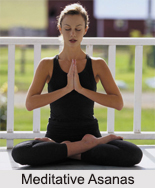
Meditative Asanas, Yoga


Meditative Asanas, YogaMeditative Asanas are the postures one assumes in order to sit or stand comfortably for extended durations, enabling one to concentrate and meditate without interference from muscle proprioceptors. The idea behind Meditative Asanas is merely to position oneself in such a way so that one’s limbs cease to send stimuli to the mind, allowing the practitioner to concentrate on meditation.

Meditative Asanas have been consistently mentioned in various Indian Text on Yoga over the ages, including the Puranas and the Vedas, and have formed the core around which a comprehensive physical culture of asana practice was developed.

Types of Meditative Asanas
Asanas classified as meditative are considered highly important in the canonical Yoga texts. There are 12 meditative postures listed in various Hatha Yoga manuals, and variations on the same have been devised over the years, of which 16 are known, resulting in a total of 28 Meditative Asanas. Only 19 of these, however, can be considered real Meditative Asanas, since the others are corrective or cultural.

Meditative Asanas, YogaSwastikasana
  • Vajrasana
  • Samasana
  • Bhadrasana
  • Padmasana
  • Siddhasana
  • Virasana
  • Goraksasana
  • Hathasiddhasana
  • Sukhasana
  • Guptasana
  • Muktasana
  • Tristhitasana
  • Pavana Muktasana
  • Vrisasana
  • Sthitaprarthanasana
  • Ksemasana
  • Sthirasana
  • Dhirasana
  • For more, visit the link below

    Saturday, 21 January 2023

    Sankirtan Yoga


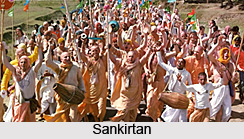
    Sankirtan YogaSankirtan yoga refers to taking the name of God. It is one of the nine modes of Bhakti. According to the Puranas, the glory of the Supreme Being lies in his Name. Hence, the easiest way to attain the lord is by remembering him. Swami Sivananda, the founder of Divine Life Society, defines Sankirtan as the Swarupa (indispensable nature), Dhwani (sound) and the essence of Vedas. In fact, both the Vedas and Sankirtan originate from the same source. In Sankirtan people sit together and remember God by singing his name harmoniously. But the most important thing is the bhava (thought or feeling). If the person is taking the Lord’s name with utmost devotion, then He will answer the devotee’s call.

    Sankirtan is further considered to be a science that has the power to lift the mind and spirits to its farthest extent. Sankirtan Yoga is the easiest and best way to realize God. In modern times, when it has become increasingly difficult for people to practice austerities, practicing Brahmacharya or Raja Yoga, singing His name is quite easy. Any common man can practice it as it does not require deep intelligence to comprehend Jnana Yoga or Sadhana.

    According to belief there is Shakti in God’s name. It has the power to eradicate all the 'mala' or impurities of mind. In fact there are three types of obstacles in the path to attain God: Mala, Vikshepa and Avarana. In order to get rid of this, selfless service, intellectual seeking and upasana are recommended. However, Sankirtan Yoga can achieve all these single-handedly because nothing is more powerful than His name. Even if it is the veil of Maya that deludes man, taking the name of God will help man to severe the worldly ties. Thus, Sankirtan enables one to realise the Brahman.

    For more, visit the link below:

    Thursday, 24 November 2022

    Vihara in Ayurveda


    Vihara in Ayurveda, Concepts of AyurvedaVihara is defined as the second most important pillar of the Ayurveda. It means activity which highly influences the daily scheduled life that is full of stress and confusions. Just like the pillar of Ahara, this second pillar also plays a significant role in the proper functioning of the body.

    Principles of Vihara
    The principle of Vihara or activity explains clearly how to act in different ways that are life supportive and it also includes lifestyle guidelines for maintaining optimum health and balance. In Ayurveda, it is defined that the successful use of Vihara’s recommendations depend on the ability to know exactly what is good for the health and also on the motivation to act on whatever is known. The prime focus of the various lifestyle suggestions is to refine the quality of the mind.

    Ayurvedic Activities in Vihara
    There are actually an endless number of demands from various spheres and a lot of attention is required for keeping the minds constantly active. Additionally, the negative influences from the environment create confusion and fear. These negative influences cause the mind to be confined to a separate superficial level, where it is either too dull or too scattered to even experience the emotional, mental and physical resources that lay hidden most of the time. Ayurvedic scientists say that the limitless possibilities that exist in the subtler levels of awareness remain inaccessible except to a peaceful and settled mind. When the mind is strongly influenced by the sattva, it is quite possible to have the access to such a calm and composed mind. This stage allows appreciating the whole of life and its various aspects.

    For more, visit the link below:

    Thursday, 28 July 2022

    Chakra Meditation


    Chakra MeditationIn Hinduism and in some related Asian cultures, a chakra is thought to be a nexus of metaphysical and/or biophysical energy residing in the human body.

    Chakra Meditation involves Chakra Anusandhana, which means "discovery or search of the chakras". It is a simple way for beginners to explore the chakras self-tutored. It helps in awakening them gently, and in a balanced integrated way.

    Within our bodies there are focal points of energy, called Chakras, that we use, whether consciously or unconsciously.

    Chakras are located in important parts of everyone's body. Any organ within the area of these Chakras are used to control; and are, therefore, directly affected by the properties of that Chakra. There are seven Chakras located throughout the body, each with their own unique attributes and characteristics:

    The Root Chakra is located directly at the base of the spine, also known as the coccyx. This Chakra is closely related to the body and our ability to master it. One's health, constitution and security are linked to this Chakra. In addition, the realization of how our bodies connect to the material world is focused here.

    Take a deep breath and pull it down through your body to the very base of your spine, the seat of the first chakra. As you release the air, relax all the muscles in your toes, feet and legs. Take in more air and focus on your connecting point to the earth. Now release the air, relax down through your body, and continue to send your attention deep into the center of the earth. Picture magnetic lines of force coming from the earth's core, connecting with your own root center. Allow that force to arise within you, from below. Imagine a feeling of power surging into this "root" center from the deep center of the earth. As it increases, keep your attention on this powerful magnetic energy at the bottom of your spine.

    Focusing at the base of the spine, imagine that with each breath, energy collects and builds up there. Continue to relax, and sense the feelings in the coccyx, perineum, anus, and deep inside your pelvic cavity, the foundation of your body. Sensing your root center, breathe as if the earth's energy is coming directly into you from below. Allow the energy to build, like a growing, magnetic force.

    The Naval Chakra or Libido is located in the lower abdomen. This Chakra is tied into the more physical feelings of love, passion and sexuality. The feeling of pleasure is also linked with this Chakra, so one may feel focus and feedback in this Chakra during moments of harmony, generosity, group creativity and selflessness.

    Keeping the first chakra open, take a long deep breath in, and lift your awareness from your root center, up to the second chakra, the area of your sexual and reproductive organs. Take in more, letting the red energy from below heat up to a glowing orange surge... Now let the air rush out and begin to consciously relax your genital muscles, buttocks, abdomen, hips, and pelvis. Breathe the warm energy into the second chakra, deep inside your sexual center. Allow the power generated below to surge upwards and spread out at this second energy level, like warm, orange lava flowing out of a volcano. The Solar Plexus Chakra is located just above the navel and below the chest. This Chakra is a focus point for our force of will and our sense of transformation. Concentration and control of our personal energies originate from this point. One's sense of power and authority, as well as self-control and discipline of the ego converge here.

    Wednesday, 29 June 2022

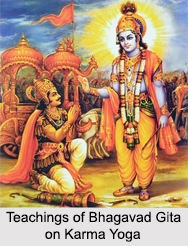
    Karma Yoga


    Karma YogaKarma Yoga is the first step in the spiritual discipline (Sadhana) which is to be adopted for Moksha. Karma yoga can serve as an aid to Jnana Yoga which secures the realization of the self. It can also serve as a direct means to self-realization since the practice of Karma Yoga in the prescribed manner includes in it the Jnana Yoga. The two are interrelated. But it is easier to practice karma yoga as it takes less effort and time to realize the goal because of the divine grace showered on the individual in response to the disinterested performance of karma.

    Etymology of Karma Yoga
    The term karma bears different meanings. In a general sense it means action or any activity. It also refers to the merits and demerits acquired as a result of the performance of good and bad deeds respectively. It is also understood as the observance of the prescribed religious acts and in this sense the term is used in the present context. Yoga means upaya or method to be adopted to achieve a goal. So the compound word karma yoga means a specific religious act adopted as a means or upaya for self-realization.

    Religious Duties for Performing Karma Yoga
    There are several religious duties laid down by the sacred texts. The Bhagavad Gita has enumerated the following as illustrative - (1) worship of God (devarchana) (2) performance of the sacrifice (yaga) in the consecrated fire (3) control of the sense organs (indriya-samyama) by arresting their outward movement towards external objects (4) control of the mind (manas-sarityama) (5) giving away the money earned in a righteous way in charity (dana) either for the worship of God or for performance of homa or to deserving persons etc. (6) observance of austerities (tapas) in the form of performance of prescribed rites such as fasting (7) visiting holy religious centres and bathing in sacred waters (punyatirtha-punyasthana-prapti) (8) recitation of the Vedas and study of the teachings of the sacred texts (svadhyaya tadartha jnanabhyasa) and (9) practice of breath control (pranayama). It is not necessary that all of these religious duties have to be observed for the purpose of karma yoga. Any one of them, depending upon the capacity and choice of an individual, adopted as a Sadhana or religious discipline can become karma yoga for self-realization. Each one of these acts is called Yajna in the Gita, thereby implying that it is to be performed with the spirit of a sacrifice (yaga) for the sole purpose of self-realization.Karma Yoga

    Requirements for Karma Yoga
    There are several important requirements to be fulfilled for a successful performance of Karma Yoga by an aspirant. In the first instance, he should acquire adequate philosophic knowledge about the true nature of Jivatman and Paramatman through the study of the sacred texts under the guidance of a qualified preceptor (Guru). The need of such knowledge is obvious because without knowing the true nature of the self, one cannot strive for its realization.

    For more, visit the link below:

    Saturday, 30 April 2022

    Swara Yoga


    Swara Yoga, Types of YogaSwara Yoga is the science of realization of cosmic consciousness by the special awareness or observation and controlling or manipulating the flow of breathes through the nostrils. The word ‘Swara’ is a Sanskrit word, which means sound or musical note, also means the continuous flow of air through one nostril. Tantric traditions like Surya Tantra, Ganpatya Tantra and Vaishnava Tantra also provides knowledge about Swara yoga.

    Swara Yoga is involves the systematic study of the breath flow through the nostrils or the Swara that is also related to the prevailing phases of the moon, time of the day and the direction. Swara Yoga is not like Pranayama or other breathing related yoga. In Swara yoga, the breath is associated with the activities or phases or positions of the sun, moon, planets, seasons, time of day and with the physical and mental states of the individual and these subtle reactions determine the mode of action accordingly. For example, in moon phases one can check the flow of breath through his/ her nostrils before getting out of the bed and floor should be touched first with the corresponding foot and the first step should be made with that foot. It is the simple practice that brings success in everything that happens in that particular day, the first foot to touch the ground will get the prevailing ‘successful’ flow of energy from the cosmos.

    Origin of Swara Yoga
    Swara Yoga, Types of YogaSwara yoga is a Tantric Science that originates from the Agama Shastras and from Shaiva Tantra, where Lord Shiva is the Guru and Shakti is the disciple. Swara Yoga is the ancient science that existed before the Vedic period, over 10,000 years ago. It was the secret science, only available for the selected few and was confined between kings and dedicated saints. The ancient saints and sages intuitively received the knowledge from the divine and kept it secret between them.

    For more, visit the link below:

    Monday, 18 April 2022

    Science of Kriya Yoga

      Kriya Yoga is the union or Yoga with the Infinite through a certain action or rite. The Yogi who faithfully follows the technique is free from Karma and universal chain of causation. Paramhansa Yogananda describes the science of Kriya yoga in his 'Autobiography of a Yogi'.


    Kriya Yoga procedure cannot be fully explained theoretically but the science beyond Kriya yoga can be explained. Kriya yoga is a simple, psychophysical method by which the human blood is decarbonized and recharged with oxygen. The atoms of this extra oxygen are transmuted into life current to rejuvenate the brain and the spinal centers. The Yogi is able to lessen or prevent the decay of the tissues by stopping the accumulation of the venous blood. The advanced Yogis have the ability to transmute their cells into pure energy.

    Kriya Yoga is an ancient science. Lahiri Mahasaya received the technique from his guru, Babaji, who rediscovered and clarified the techniques of Kriya Yoga. In this technique Yogi is able to neutralize both inhaling breath and outgoing breath. He thus releases the life force from his heart and brings it under his control. The yogi arrests the decay of body by addition of this life force and arrests the mutations or changes of body by 'Apan' or eliminating current. Thus by neutralizing decay and growth and by tranquilizing the heart, the Yogi learns the way of controlling the life.

    Science of Kriya YogaPatanjali refers a second time to the life-control or Kriya technique thus: "Liberation can be accomplished by that pranayama which is attained by disjoining the course of inspiration and expiration."

    In the initial state of God- contact or the Saibakalpa Samadhi, the devotee's consciousness merges with the cosmic spirit, his life force is withdrawn from the body and thus the body appears dead or motionless and rigid. The Yogi is full aware of his bodily condition and suspended movement. Then he progresses to the higher spiritual state or the Nirbikalpa Samadhi. However he communes with God without material body and in his ordinary awakening consciousness. The Yogi can achieve this state even in the midst of worldly duties.

    Kriya Yoga is an instrument through which human evolution can be quickened. "The ancient yogis discovered that the secret of cosmic consciousness is intimately linked with breath mastery. This is India's unique and deathless contribution to the world's treasury of knowledge. The life force, which is ordinarily absorbed in maintaining the heart-pump, must be freed for higher activities by a method of calming and stilling the ceaseless demands of the breath."

    For more, visit the link below: