Showing posts with label craft. Show all posts

Monday, 9 September 2024

Crafts of Maharashtra

Maharashtra, a state rich in cultural heritage, boasts a wide range of traditional crafts that reflect its diverse history and vibrant cultural landscape. These crafts, deeply rooted in the region's traditions, have been passed down through generations and continue to hold significant value in India's cultural and economic fabric.


Historical Significance

The Crafts of Maharashtra have a long and storied history, dating back to ancient times. Many of these crafts were developed to cater to the needs of local communities and have since evolved into highly skilled art forms. The state's strategic location along trade routes facilitated the exchange of goods and ideas, which played a crucial role in the development of its crafts. Over the centuries, these crafts have been influenced by various dynasties, including the Marathas, Mughals, and British, each leaving its imprint on the art and techniques used by craftsmen. 

Variety of Crafts

Maharashtra is home to a diverse range of crafts, each with its unique characteristics and techniques. Some of the most notable crafts include: 

Warli Painting: Originating from the tribal communities of the North Sahyadri Range, Warli painting is a form of tribal art that uses simple geometric shapes to depict scenes from daily life. Traditionally, these paintings were created on the walls of village homes, using natural colors made from rice paste and cow dung. 

Paithani Sarees: Paithani is one of Maharashtra's most famous textiles, known for its intricate weave and vibrant colors. These sarees are woven from fine silk and often feature rich gold and silver brocades, making them a symbol of luxury and status. 

Kolhapuri Chappals: Handmade leather sandals from Kolhapur, known as Kolhapuri chappals, are renowned for their durability and comfort. These chappals are crafted using traditional techniques, with each pair reflecting the skill and artistry of the craftsman. 

Bidriware: Although originally from Bidar in Karnataka, Bidriware has found a significant presence in Maharashtra. This craft involves intricate metalwork, inlaying silver into a blackened alloy of zinc and copper, resulting in striking decorative items. 

Jewelry Making: Maharashtra is also known for its traditional jewelry, particularly the Thushi necklace from Kolhapur, and the Nath, a traditional nose ring worn by Maharashtrian women. These pieces are often crafted from gold and feature intricate designs that reflect the region's cultural heritage. 

Uses and Cultural Importance

The crafts of Maharashtra are not only aesthetically pleasing but also serve practical purposes. For instance, Paithani sarees are traditionally worn during weddings and other significant ceremonies, symbolizing the wearer's status and cultural identity. Warli paintings, once purely decorative, have gained recognition as a form of contemporary art, often used in home decor and even fashion. 

Kolhapuri chappals, originally designed for comfort in the region's climate, have become a popular fashion statement across India and internationally. Bidriware items, such as vases, trays, and boxes, are often used as decorative pieces in homes and offices, adding a touch of elegance to any space. 

The crafts of Maharashtra are a testament to the state's rich cultural heritage and the skill of its artisans. These crafts have not only preserved traditional techniques but have also adapted to modern demands, ensuring their continued relevance in contemporary India. As they continue to be appreciated both within India and globally, these crafts remain an integral part of Maharashtra's cultural identity.

Jute Crafts in India

Jute, often referred to as the "golden fiber," has been an integral part of India's cultural and economic fabric for centuries. The history of jute crafts in India dates back to ancient times when the fiber was primarily used for making ropes and sacks. Over time, with the advent of skilled artisans and evolving techniques, jute found its way into the creation of various handicrafts.


The cultivation of jute began in the fertile regions of Bengal, now split between India and Bangladesh. The climatic conditions in this area are ideal for jute farming, which allowed it to flourish as a major industry. The traditional artisans of Bengal have been at the forefront of jute craft, creating intricate designs that reflect the rich cultural heritage of the region. These crafts were initially simple, everyday items, but as the demand for sustainable and eco-friendly products grew, so did the diversity and sophistication of jute-based crafts. 

Traditional and Modern Uses of Jute Crafts

Jute crafts in India have evolved significantly from their humble beginnings. Traditionally, jute was used to make simple, utilitarian items such as mats, sacks, and ropes. These products were primarily functional, used in homes and for agricultural purposes. The strong and durable nature of jute made it an ideal material for these applications. 

In modern times, jute has found its way into a wide array of craft products, catering to both domestic and international markets. Today, jute is used to create a variety of items, including bags, rugs, wall hangings, and even fashion accessories. The versatility of jute allows artisans to experiment with different designs and forms, resulting in products that are not only functional but also aesthetically pleasing. 

One of the most popular uses of jute today is in the production of eco-friendly bags. As the global demand for sustainable products rises, jute bags have become a symbol of eco-consciousness. These bags are not only biodegradable and recyclable but also stylish and durable, making them a popular choice among consumers. 

Economic and Environmental Impact

Jute crafts play a significant role in the rural economy of India. The jute industry provides employment to millions of people, particularly in West Bengal, Assam, and Bihar. Artisans and small-scale industries thrive on the production of jute crafts, contributing to the socio-economic development of these regions. 

Moreover, jute is an environmentally friendly fiber. It is biodegradable, requires less water and pesticides compared to cotton, and helps in reducing the carbon footprint. The use of jute in crafts supports the sustainable development goals by promoting environmentally responsible production practices. 

Challenges of Jute Craft

Despite its many advantages, the jute craft industry in India faces several challenges. These include competition from synthetic materials, fluctuating prices, and limited access to global markets. However, with increasing awareness of environmental issues and the growing demand for sustainable products, the jute craft industry has the potential to expand significantly. 

Efforts are being made to modernize the industry through better marketing strategies, technological interventions, and government support. By promoting jute crafts as a sustainable alternative to synthetic products, India can preserve its rich tradition of jute craftsmanship while contributing to a greener future. 

Jute crafts in India reflect the country's rich cultural heritage and commitment to sustainability. From traditional uses to modern innovations, jute continues to be a valuable resource for artisans and consumers alike. With the right support and initiatives, the jute craft industry can overcome its challenges and continue to thrive as a symbol of eco-friendly artistry.

Thursday, 8 February 2024

Metal Craft of Rajasthan


Metal craft in Rajasthan has a rich heritage deeply embedded in the state's cultural fabric. Renowned for its intricate designs and skilled craftsmanship, Rajasthan's metal artisans have been producing exquisite pieces for centuries. Among the plethora of metal crafts in the region, several stand out for their popularity and unique characteristics. 

Theva craft is one such prominent metal craft of Rajasthan. Originating from the Mewar region, Theva craft involves intricate designs etched onto brass or copper utensils. Artisans meticulously carve patterns depicting traditional motifs such as peacocks, elephants, and floral designs. Theva craft items are often used for decorative purposes and are prized for their ornate beauty. 

Filigree, another notable metal craft, is widely practiced in cities like Jaipur and Jodhpur. This delicate art form involves twisting and curling fine threads of silver or gold to create intricate patterns and designs. Skilled artisans meticulously shape the metal threads, often incorporating gemstones or enamel work to enhance the beauty of the final piece. Filigree jewelry, in particular, is highly sought after for its fine craftsmanship and timeless elegance. 

Rajasthan is also renowned for its exquisite jewelry-making tradition. From elaborate bridal sets to everyday adornments, the state's jewelry artisans excel in crafting pieces that reflect the region's rich cultural heritage. Kundan, Meenakari, and Thewa are some of the traditional techniques employed in Rajasthan's jewelry making. Kundan jewelry, characterized by its intricate settings of gemstones in gold, is particularly famous for its opulence and grandeur. Meenakari involves the painstaking process of enameling colored designs onto metal surfaces, while Thewa is a unique technique where intricate gold designs are fused onto glass, creating stunning pieces of jewelry. 

Aside from jewelry, Rajasthan is also known for its metalware, including utensils, decorative items, and religious artifacts. Brass and copper are commonly used metals, with artisans employing techniques such as embossing, engraving, and hammering to create intricate designs. Traditional utensils like 'thalis' (plates) and 'lota' (water vessels) are often embellished with ornate patterns, making them prized possessions in households across the region. 

The metal crafts of Rajasthan not only serve as decorative items but also hold cultural and religious significance. Items like 'Aarti' lamps and 'Kalash' (water pots) are integral to religious rituals and ceremonies, crafted with great care and precision by skilled artisans. 

The metal crafts of Rajasthan embody the state's rich cultural heritage and artistic prowess. From the intricate designs of Theva craft to the timeless elegance of filigree jewelry, these traditional crafts continue to captivate admirers worldwide. By preserving and promoting these age-old techniques, Rajasthan's metal artisans ensure that their legacy lives on for generations to come.

Wednesday, 31 January 2024

Crafts of Arunachal Pradesh


Arunachal Pradesh, nestled in the northeastern part of India, is a region that boasts a rich cultural heritage, and one of the most significant expressions of this cultural wealth is its diverse and vibrant craft traditions. The state is home to a plethora of crafts, each unique in its own way, reflecting the artistic prowess and cultural nuances of the various tribes that inhabit the region. Among the prominent crafts of Arunachal Pradesh are bamboo and cane craft, handloom and weaving, wood carving, and more. 

Bamboo and cane craft form an integral part of Arunachal Pradesh's traditional craftsmanship. The state's topography, abundant in bamboo groves, provides the raw material for this craft. Skilled artisans transform bamboo and cane into a wide range of products, including baskets, mats, hats, and even furniture. The craft not only serves utilitarian purposes within the local communities but has also gained recognition on a national and international scale for its intricate designs and durable craftsmanship. 

Handloom and weaving are deeply ingrained in the cultural fabric of Arunachal Pradesh. The state is renowned for its traditional handwoven textiles, which bear the distinct identity of various tribes. The weavers, mostly women, skillfully create patterns and motifs that narrate stories of their culture and heritage. The vibrant colors and intricate designs of the woven fabrics showcase the artistic finesse of Arunachali weavers, making these textiles highly sought after not just within the state but also across the country. 

Wood carving is another prominent craft that flourishes in Arunachal Pradesh. Skilled artisans sculpt intricate designs on wood, creating decorative items, figurines, and even traditional masks. Wood carving reflects the deep connection the people of Arunachal Pradesh have with nature, often incorporating motifs inspired by flora and fauna found in the region. The craftsmanship not only serves as a form of artistic expression but also plays a crucial role in preserving and passing on traditional narratives and cultural symbols through the carved artifacts. 

The tradition of pottery is also prevalent in certain regions of Arunachal Pradesh. Artisans use locally available clay to create functional and decorative pottery items. These items often showcase the unique aesthetic sensibilities of the tribes, with each community having its distinct style and motifs. 

Apart from these major crafts, Arunachal Pradesh is also known for its traditional beadwork, carpet making, and mask making. Beadwork involves creating intricate jewelry and decorative items using colorful beads, while carpet making, though not as widespread, showcases the meticulous skill of artisans who weave beautiful carpets with traditional designs. Mask making is a ritualistic craft associated with various festivals and ceremonies, where artisans create masks that represent cultural deities and mythological characters.

The craft traditions of Arunachal Pradesh stand as a testament to the rich cultural heritage of the state. The artisans, with their skills passed down through generations, continue to contribute to the preservation and promotion of these crafts. The intricate bamboo and cane craft, the vibrant handwoven textiles, the expressive wood carvings, and the diverse array of crafts collectively form a tapestry that reflects the identity, traditions, and creativity of the people of Arunachal Pradesh. As these crafts continue to evolve, they play a crucial role in connecting the past with the present and ensuring the cultural legacy of the state endures for generations to come.


Tuesday, 28 December 2021

Rajasthani Pottery


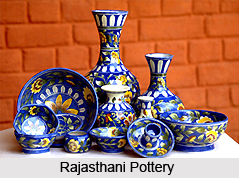
Rajasthani PotteryThe terracotta tradition in Rajasthan dates back to the Harappan age. Today too it continues, as it is one of the interesting pieces of art for the tourists. Most of these are made in the villages of Rajasthan. The state's excellent artistry has been instrumental in creating some of the most phenomenal images or art forms. A mixture of clay is used to on the potter's wheel and pots of various shapes and sizes are created manually. Patience, concentration and meticulousness are highly required to make the pots. Besides pots and water jars other object of arts, such as, warriors mounted on horses, elephants and their keepers, plaques of deities and votive images are also part of the pottery in Rajasthan.

The Blue Pottery of Jaipur is quite popular amongst art lovers. There is an interesting history regarding how this kind of pottery arrived at Rajasthan. Blue glazed pottery originated in China and was later perfected by the Persians. It was the Mughals who introduced it to India. This art form was brought to Jaipur by Sawai Jai Singh II. In the middle of 11th century Kripal Singh Shekhawat started experimenting with its form and colours under the patronage of Raj Mata Gayatri Devi of Jaipur. From then on Jaipur became the pioneer of Blue Pottery.

For more, visit the link below:

Friday, 11 June 2021

Types of Indian Crafts


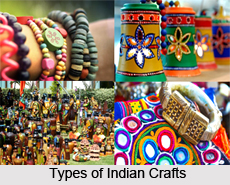
Types of Indian CraftsTypes of Indian crafts have undergone transformation over the years and the proficiency of construction has not altered to a great extent. Indian crafts are highly acclaimed throughout the world for their aesthetic appeal and magnificence. The diverse cultural traditions of India have enabled the accomplishment of producing various kinds of crafts. The crafts are composed of different materials, themes and proficiencies. Works on woodwork, pottery, hand looms, terracotta, paintings, beadwork, jewellery and embroidery etc have survived through centuries with fewer changes.

Bubblegram Craftof India
A bubblegram is a three dimensional image which is composed of points and remains suspended in a medium, usually a plastic block. Laser bubble-gram is in vogue. Crossing lasers in 'appropriately-doped' plastic, which may cause a chemical reaction through heat or 'photonic' inflammation makes these images. Such crafts are manufactured in several lanes of Kolkata and Mumbai.

Clay Craft of India
The origin of clay crafts in the country dates back to as early as the Indus Valley Civilisation. The Indian states of Himachal Pradesh, Uttar Pradesh, Gujarat, West Bengal and Rajasthan are renowned for their diverse form of clay crafts. The terracotta crafts of West Bengal, 'kagzi' or paper pottery made in Alwar region of Rajasthan and 'khurja' pottery of Uttar Pradesh are quite popular. During the Sultanateperiod in Delhi and Uttar Pradesh, India proceeded with its own manufactory of blue pottery.

Stone Craft of India
The art of sculpture is the poetic expression of stone craft. Sculptures of deities, decorative for house interiors, modelled on classical prototypes, continue to be made in every nook and corner of India. In the interiors of India such sculptures and exquisite figures are carved in relief with details engraved in fine lines. These objects are handmade artistic work made using hammer and chisels. Madhya Pradesh, Bihar, Orissa and Rajasthan are well-known centres of production of beautiful stone crafts.

Glass craft of India
As early as 800 B.C., i.e, at the time when the Yajur Veda was composed, glass craft was very popular. It is evident from the archaeological findings at Basti in Uttar Pradesh that glassware is about 2000 years old. The way glass is prepared transformed into various shapes is remarkable. Various decorative products like chandeliers, glass lamps, hanging lamp shades, glass lanterns, glass jewelleries like bangles and many other products are manufactured in different portions of India.

Metal Craft of India
Metal crafts in India include the numerous products which are made with the aide of several metals like gold, silver, bronze, brass, copper and bell metal. Silver filigree work of Andhra Pradesh and Orissa, brassware of Rajasthan, Orissa and other Indian states, 'dokra' metal crafts of Orissa, West Bengal and Madhya Pradesh, metal enamelled work of Himachal Pradesh, Gujarat and Uttar Pradesh and marvellous metal crafts of bell metal manufactured in Kerala, Bihar, Tripura and Assam are worth mentioning.

Lac Craft of India
The states of Gujarat, Andhra Pradesh, Jharkhand, West Bengal, Punjab, Rajasthan and Karnataka specialise in the production of magnificent lac crafts like bangles, utensils and decorative products. Lac industry has been growing since ancient times and over the years; many adept artisans have emerged throughout the country. Lac work is applied to furniture and other decorative items.

Horn and Bone Craft of India
The craftsmen of states like Kerala, Karnataka, Uttar Pradesh and the Gajapati district of Orissa are engaged in crafting various horn and bone crafts like walking sticks, pen stands, paper weights, snuff boxes, table lamps, lamp shades and many more.

Wednesday, 5 May 2021

Crafts of Indian States


Crafts of Indian StatesCrafts of Indian states are innumerable and which have attained commercial proportions not only in India but also abroad. They make excellent souvenirs for tourists and are sold through various handicrafts emporium. Craft making is an ancient tradition in India, which has withstood the test of time, and this tradition has passed on from generation to generation. The Indian craftsmen are adept in manufacturing diverse crafts, which have attracted the attention of connoisseurs of craft all over the world.

Crafts of North Indian States
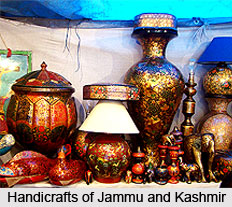
The Northern Indian states like Jammu and Kashmir, Himachal Pradesh, Punjab, Haryana, Uttaranchal and Uttar Pradesh are renowned for their exquisite crafts which involve embroidery, pottery -making, carpets -weaving, metal crafts, furniture making and wood carving. Punjab's durry-weaving and phulkari crafts, shawls of Chamba, Himachal Pradesh, wood crafts of Saharanpur, Uttar Pradesh are some of the different crafts of these portions of India. The crafts of Haryana have never been widely acclaimed and more than artistic showpieces they are utilitarian in nature. The crafts of Himachal Pradesh have a relatively good demand in the market and some of the major crafts of the region include textiles, woodcarvings, carpet making and pottery.
Crafts of Indian States
Crafts of North-Eastern Indian States
Assam, Mizoram, Tripura, Arunachal Pradesh, Nagaland and Meghalaya are the Indian states which specialise in creating numerous beautiful crafts. One will come across bell metal crafts, sholapitha crafts, brass metalware, 'sitalpith' crafts, wood crafts, fibre crafts and pottery work in Assam. Assam's weaving industry is famous, particularly for weaving mulberry silk sarees. Manipur is well-known for its production of jewelleries, bamboo and cane crafts, metal bowls and dolls of clay. Manipur is a storehouse of crafts and the people here are known to take a lot of interest in make new innovation in the craft. Pineapple fibre artefacts, especially purses, bags and nets made in Meghalaya are quite popular. Tripura's silver ornaments, 'sitalpati', tablemats, etc are important crafts of this region. The various crafts of Nagaland are woodcarvings, bamboo work, and pottery, which have a commercial demand in the local and international market.

Crafts of South Indian States
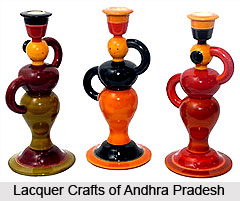
Crafts of Indian StatesThe crafts of Karnataka bear testimony to the dexterity, and decorative abilities of the craftsperson. The crafts of the state include woodcarving, ivory carving, 'kasuti embroidery', durries, Pottery and 'Cheennapatna' toys. Papier mache, stone craft, pottery, woodcraft, embroidery, durries and metal ware are the various crafts of Tamil Nadu. The craftsmen of Andhra Pradesh are engaged in making bidri crafts, embroidery crafts known as 'banjara needle craft', 'Budhithi brassware', lacquer crafts and others. Kerala produces reputable products of metal crafts, wood crafts, bamboo crafts and ivory crafts.

Crafts of Eastern Indian States
West Bengal, Orissa, Bihar and Jharkhand are the states of Eastern India which manufacture unique crafts. Terracotta crafts, clay crafts, jute crafts, leather crafts, conch shell crafts and 'kantha-stitch' crafts are amongst the reputable crafts of West Bengal. Bihar produces marvellous glassworks, carpet weaving crafts, lacquer crafts and stone crafts. Applique work, 'Patachitra', wood carvings and metal crafts of Orissa are in high demand. Craftsmen of Jharkhand manufacture spectacular items like toys and bamboo baskets.

For more, visit the link below: