Showing posts with label goa. Show all posts

Thursday, 2 April 2026

Goff Dance of Goa: A Symbol of Unity and Cultural Heritage

 The cultural landscape of Goa is widely known for its rich traditions, vibrant festivals, and diverse folk art forms. Among its distinctive cultural expressions is the Goff Dance, a visually striking and symbolic folk performance that reflects community unity and artistic coordination. Traditionally performed by members of the Kunbi community, the dance forms an important part of local celebrations and festive gatherings. Characterized by colorful ropes, rhythmic movements, and coordinated teamwork, the Goff Dance stands as a unique representation of Goan folk heritage.


Historical and Cultural Background

The Goff Dance is closely associated with the indigenous Kunbi community of Goa. The Kunbis are considered one of the earliest settlers in the region, and many of their cultural practices have been preserved through folk traditions like this dance. Historically, the dance has been performed during religious and community festivals, especially during celebrations connected with local deities and agricultural cycles. 

The dance not only serves as entertainment but also symbolizes harmony and collective effort. The interweaving of ropes during the performance represents unity within the community. Through generations, this dance form has been passed down as an important cultural practice that strengthens social bonds and preserves traditional values. 

Performance Style and Technique

A defining feature of the Goff Dance is the use of brightly colored ropes tied to a central pole or structure. Each dancer holds a rope and moves rhythmically around the pole, carefully weaving the ropes into complex patterns. As the dance progresses, the performers create visually appealing braided designs through coordinated movements. 

The choreography requires precision and teamwork. Every dancer must maintain rhythm and follow the sequence of steps accurately to ensure that the ropes intertwine correctly. Toward the end of the performance, the dancers skillfully reverse their movements to untangle the ropes, restoring them to their original form without disrupting the rhythm of the dance. 

Music plays an important role in guiding the performance. Traditional Goan folk instruments and rhythmic beats accompany the dance, helping the performers maintain synchronization. The lively music adds energy and excitement to the overall presentation. 

Costumes and Visual Appeal

The dancers performing the Goff Dance typically wear traditional attire associated with the Kunbi community. Women often wear the distinctive Kunbi sari, characterized by bright colors and simple patterns, while men may wear traditional dhotis and headgear. 

The colorful ropes used in the dance enhance its visual appeal, creating intricate patterns as the dancers move around the pole. When viewed from above, the woven ropes resemble decorative braids or floral designs, making the performance both culturally meaningful and aesthetically impressive. 

Cultural Significance Today

Today, the Goff Dance continues to be performed during festivals, cultural programs, and tourism events in Goa. Cultural organizations and local communities actively promote the dance as part of efforts to preserve traditional folk arts. 

Beyond entertainment, the dance represents the values of cooperation, discipline, and unity. Its continued performance helps keep the cultural identity of the Kunbi community alive while introducing audiences to one of Goa’s most distinctive folk traditions. 

The Goff Dance is more than a traditional performance; it is a cultural symbol that embodies the spirit of community, artistry, and heritage in Goa. Through its intricate rope patterns and synchronized movements, the dance continues to celebrate the enduring richness of Goan folk culture.

Thursday, 18 September 2025

Zuari River


The Zuari River, one of the most significant waterways of Goa, is a lifeline that supports the region’s ecology, economy, and culture. Stretching across the southern part of the state, it is not only the longest river in Goa but also one of the most important contributors to the state’s rich estuarine ecosystem. With its extensive basin and navigable waters, the Zuari river has played a vital role in shaping Goa’s history, trade, and natural environment. 

Originating from the Western Ghats, the Zuari flows westward, cutting through the lush landscape before meeting the Arabian Sea. Its journey is marked by several tributaries, including the Kushavati and Uguem, which enhance its flow and ecological diversity. As it approaches the coastal plains, the river forms an expansive estuary, merging with the Mandovi River through a network of canals and waterways. This interconnected system has created one of the largest natural harbors in Goa, facilitating maritime trade for centuries. 

The Zuari River is especially renowned for its navigability. Stretching over 34 kilometers, it allows transportation of iron ore and other minerals from Goa’s mining belt to Mormugao Port, one of India’s premier natural harbors. This has made the river a crucial artery for commerce and trade, linking the hinterlands with the coast. The estuary and adjoining waters are also home to thriving fishing communities, who depend on its rich biodiversity for their livelihood. The abundance of fish, crabs, and shellfish makes it a vital source of food security for the local population. 

Ecologically, the Zuari plays a key role in maintaining Goa’s balance of land and sea. Its banks are lined with thick mangrove forests, which act as natural barriers against coastal erosion and serve as breeding grounds for aquatic species. The estuarine ecosystem supports a variety of birdlife, making it a favored destination for birdwatchers and nature enthusiasts. Migratory birds often flock to the Zuari’s wetlands, adding to the region’s ecological richness. 

Beyond commerce and ecology, the Zuari River holds immense cultural significance. Villages along its banks have historically thrived on agriculture, fishing, and river-based trade. Paddy fields fed by the river’s waters highlight its contribution to traditional farming practices in Goa. The river has also found mention in local folklore, festivals, and rituals, reflecting the deep connection between the people and the waterways that sustain them. 

In recent decades, however, the Zuari has faced challenges. Industrial activity, unchecked mining, and urban expansion have placed considerable pressure on its waters. Pollution, siltation, and habitat destruction threaten the delicate estuarine ecology. Conservation efforts are now being emphasized, with government bodies, researchers, and local communities working to restore the river’s health. Sustainable practices such as mangrove preservation, regulated fishing, and stricter monitoring of industrial discharge are essential to safeguarding the future of the Zuari. 

The Zuari River is far more than just a geographical feature; it is an artery of life for Goa. From facilitating trade and providing livelihoods to nurturing biodiversity and shaping cultural traditions, its significance is profound. Protecting this river is crucial not only for preserving Goa’s natural heritage but also for ensuring that future generations continue to benefit from its bounty.

Thursday, 30 January 2025

Governors of Goa


The Governor of Goa serves as the constitutional head of the state, representing the President of India. The position carries significant responsibilities, including maintaining law and order, ensuring governance in accordance with the Constitution, and facilitating the smooth functioning of the state administration. Appointed by the President, the Governor plays a crucial role in upholding democratic principles while overseeing the state's governance. 

Powers and Responsibilities

The Governor of Goa holds both executive and legislative powers, primarily acting as a bridge between the central and state governments. The key powers and responsibilities include: 

  1. Executive Powers: The Governor exercises executive authority on behalf of the President, overseeing the state's administration. The Chief Minister and the Council of Ministers function under the Governor's supervision, ensuring that policies and governance align with constitutional provisions.
  2. Legislative Powers: The Governor summons, prorogues, and dissolves the Goa Legislative Assembly. Additionally, they hold the authority to address the assembly, highlight policy matters, and approve or withhold assent to bills passed by the legislature.
  3. Judicial Powers: The Governor has the authority to grant pardons, reprieves, respites, or remissions of punishment for offenses against laws under the state’s jurisdiction.
  4. Emergency Powers: In case of constitutional crises, the Governor can recommend President’s Rule in the state, taking over administrative functions and ensuring governance in alignment with constitutional mandates. 

Tenure and Appointment

The Governor of Goa is appointed by the President of India for a five-year term. However, the tenure is not fixed and can be shortened or extended at the President’s discretion. The Governor serves at the pleasure of the President, and in certain situations, their term may be terminated before completion. Upon appointment, the Governor takes an oath administered by the Chief Justice of the Bombay High Court or a senior judge designated for the purpose. 

Notable Governors and Their Contributions

Several Governors have played pivotal roles in Goa’s development and governance. Some notable figures include: 

  1. Lt. Gen. J.F.R. Jacob: A distinguished military officer, Jacob played a key role in streamlining governance and enhancing security measures in Goa.
  2. S.C. Jamir: His tenure focused on infrastructural improvements, with significant contributions towards education and connectivity.
  3. Satya Pal Malik: Advocated for transparency and accountability in governance, emphasizing issues related to public welfare and development.
  4. P.S. Sreedharan Pillai (Present): Focuses on socio-economic development, with initiatives aimed at improving healthcare and education.

The Governor of Goa holds a vital position in ensuring constitutional governance while supporting the state’s development. Through their executive, legislative, and judicial functions, Governors contribute to policy implementation and administrative stability. Over the years, they have played crucial roles in fostering progress, maintaining law and order, and facilitating governance that aligns with constitutional principles. Their influence extends across various sectors, ensuring that Goa continues to develop within the framework of democratic governance.

Friday, 5 April 2024

Museums of Goa


Museums serve as repositories of cultural heritage, offering glimpses into the past, art, and traditions of a region. In the small but culturally rich state of Goa, located on the western coast of India, several museums stand as testament to its vibrant history and diverse heritage. From artifacts showcasing the state's colonial past to exhibits highlighting its rich cultural traditions, museums of Goa offer visitors a unique opportunity to delve into its multifaceted identity. 

Museum of Goa

The Museum of Goa (MOG) stands out as a beacon of contemporary art in the region. Founded by acclaimed Goan artist Subodh Kerkar, MOG aims to promote contemporary art and provide a platform for emerging artists. The museum's exhibits feature a diverse range of artworks, including paintings, sculptures, and installations, reflecting the vibrant cultural landscape of Goa. With its dynamic exhibitions and engaging programs, MOG continues to enrich Goa's artistic community and attract art enthusiasts from around the world. 

Big Foot Museum

Nestled in the quaint village of Loutolim, the Big Foot Museum offers visitors a journey through Goa's traditional way of life. The museum's centerpiece is a giant foot impression, reminiscent of the legend of a giant who once roamed the village. Inside, visitors can explore a replica of a traditional Goan village, complete with ancestral homes, artisan workshops, and a spice plantation. Through its immersive exhibits and cultural performances, the Big Foot Museum celebrates the rich heritage and customs of Goa, providing a window into its rural past. 

Goa Chitra Museum

Dedicated to preserving Goa's agrarian heritage, the Goa Chitra Museum is a fascinating repository of ethnographic artifacts. Founded by anthropologist Victor Hugo Gomes, the museum houses a vast collection of agricultural tools, household implements, and artifacts dating back several centuries. Its meticulously curated exhibits offer insights into traditional Goan farming practices, indigenous crafts, and rural lifestyles. By showcasing the ingenuity and resilience of Goa's agrarian communities, the Goa Chitra Museum serves as a testament to the state's rich cultural legacy. 

Museum of Christian Art

Located within the Convent of Santa Monica in Old Goa, the Museum of Christian Art is a treasure trove of religious artifacts dating back to the Portuguese colonial era. The museum's collection includes exquisite examples of Christian art, including paintings, sculptures, and religious vestments. Highlights include intricately carved ivory crucifixes, ornate silverware, and vibrant frescoes depicting scenes from the life of Christ. Through its displays, the Museum of Christian Art offers visitors a glimpse into the rich religious heritage that has shaped Goa's identity over the centuries. 

The museums of Goa offer a rich tapestry of experiences, ranging from contemporary art to traditional crafts and religious artifacts. They stand out among all other museums in Indian states. Whether exploring the vibrant galleries of the Museum of Goa, stepping back in time at the Big Foot Museum, or delving into the agrarian heritage at the Goa Chitra Museum, visitors are sure to be captivated by the diverse cultural offerings of this coastal paradise. As guardians of Goa's heritage, these museums play a vital role in preserving its past and inspiring future generations to appreciate its rich cultural legacy.

Wednesday, 29 November 2023

Reis Magos Fort in Goa


Goa, a coastal state on the western shores of India, boasts a rich historical tapestry interwoven with colonial influences. Among the various historical landmarks that dot the Goan landscape, forts stand as resilient remnants of bygone eras, bearing witness to a complex history of power struggles and cultural exchanges. Forts in Goa, strategically positioned along the coastline, played a pivotal role in safeguarding territories and facilitating trade. One such fort that stands out prominently is the Reis Magos Fort, distinguished not only for its strategic significance but also for its compelling historical narrative.

Forts such as Aguada, Chapora, and Cabo de Rama are notable examples of Portuguese military architecture in Goa. Each fortification, with its distinctive features, reflects the strategic foresight of its builders. However, it is the Reis Magos Fort that stands out for its unique historical journey and contributions to the socio-cultural milieu of Goa.


Constructed in the early 16th century, Reis Magos Fort initially served as a military outpost to protect the narrowest point at the mouth of the Mandovi River. Over the centuries, the fort underwent several modifications, evolving from a basic structure to a sophisticated fortress. Its strategic location allowed it to command a clear view of the surrounding areas, making it an integral part of the coastal defense system. 

One of the key aspects that distinguishes Reis Magos Fort is its role as a residence for viceroys and other high-ranking officials during the Portuguese colonial period. The fort, with its commanding views and robust architecture, became a symbol of Portuguese authority in the region. The well-preserved structure offers visitors a glimpse into the lifestyle and governance of the colonial elite. 

The fort's association with various historical events adds to its significance. It played a crucial role during the period of the Goa Inquisition, providing a secure refuge for the persecuted. Additionally, the fort witnessed the passage of various rulers, including the Marathas and the Bhonsles, further contributing to its diverse historical narrative. 

In the contemporary era, Reis Magos Fort has undergone extensive restoration, transforming it into a cultural and heritage center. The fort now houses a museum that showcases the multifaceted history of Goa, from its pre-colonial past to the post-independence period. Visitors can explore the well-preserved ramparts, courtyards, and chambers that once echoed with the footsteps of colonial rulers.

Reis Magos Fort stands as a testament to Goa's rich history, encapsulating the struggles, triumphs, and cultural amalgamation that characterize the region. Its strategic significance, coupled with its role in shaping the cultural landscape, makes it a noteworthy landmark in the array of historical forts that grace Goa's coastline. As a repository of history, the Reis Magos Fort invites visitors to delve into the layers of the past, gaining insights into the dynamic forces that have shaped this coastal enclave over the centuries.

Tuesday, 14 November 2023

Famous Forts in Goa

Goa, the smallest state in India, is not only renowned for its pristine beaches and vibrant nightlife but also for its rich historical heritage. Among the numerous historical landmarks scattered across the state, forts in Goa stand prominently as silent witnesses to its storied past. Two such notable forts that have stood the test of time and retained their significance are the Chapora Fort and Aguada Fort.


Chapora Fort, situated in North Goa, is an iconic structure that dates back to the 17th century. The fort was built by the Portuguese in 1617, a testament to their strategic acumen in securing the region from potential invaders. Positioned atop a prominent hill, Chapora Fort provides a commanding view of the Arabian Sea and the surrounding landscape. Its primary purpose was to serve as a defensive stronghold against the Marathas, who sought to gain control of the lucrative spice trade. 

The architecture of Chapora Fort is a blend of European and Indian styles, reflecting the cultural amalgamation that characterized the colonial era. The fort features sturdy ramparts, a well-defined boundary wall, and strategically placed bastions. The entrance is guarded by a large gate, and the interior layout is designed with military precision, comprising barracks, storage rooms, and gun emplacements. Despite its historical significance, Chapora Fort is perhaps most famous for its appearance in the Bollywood film "Dil Chahta Hai," further cementing its place in popular culture. 

Moving south along the Goan coastline, another formidable structure awaits exploration—the Aguada Fort. Built in the early 17th century, around the same time as Chapora Fort, Aguada Fort played a pivotal role in safeguarding the Portuguese interests in the region. Its strategic location, at the confluence of the Mandovi River and the Arabian Sea, made it an ideal outpost for defense and control over the bustling maritime activities.


The name "Aguada" itself has maritime origins, derived from the Portuguese word for water—'água.' This nomenclature is apt, given the freshwater spring within the fort that provided sailors with a reliable source of potable water during their arduous sea voyages. The fort also housed a massive lighthouse, one of the oldest in Asia, guiding ships safely through the treacherous waters along the Goan coast. 

Architecturally, Aguada Fort boasts a robust design, with a large moat encircling its perimeter, adding an extra layer of defense. The fort's walls are constructed with laterite stones, ensuring durability against the corrosive effects of the sea breeze. Cannons strategically positioned along the ramparts further underscore its military significance. The presence of a chapel within the fort, dedicated to St. Lawrence, reflects the spiritual dimension intertwined with the Portuguese colonial enterprise. 

Both Chapora Fort and Aguada Fort serve as tangible relics of Goa's colonial past, each narrating a unique story of defense, trade, and cultural interplay. As visitors stand on the weathered ramparts, overlooking the azure waters of the Arabian Sea, they are transported to an era when these forts stood sentinel, protecting the interests of distant empires. Today, these structures not only stand as historical monuments but also as enduring symbols of Goa's resilience and the cross-cultural currents that have shaped its identity over the centuries.

Wednesday, 1 November 2023

Famous Forts in Goa


Goa, a coastal state located in the southwestern part of India, is renowned for its stunning beaches, vibrant culture, and rich historical heritage. Among its many attractions, the forts that dot its landscape stand as proud testimonials to its eventful past. These forts in Goa, with their majestic architecture and strategic locations, bear witness to the colonial struggles and maritime history that shaped the state. Here, we delve into the historical significance of some of the most famous forts in Goa: Aguda Fort, Chapora Fort, Goa Fort, and Reis Magos Fort.


Aguda Fort:

Aguda Fort, also known as the Aguada Fort, holds a prominent place in Goa's historical narrative. Constructed in the early 17th century by the Portuguese, this fort served as a crucial defense structure against Dutch and Maratha invasions. Situated on the Sinquerim Beach, this well-preserved fort offers a breathtaking view of the Arabian Sea. The strategic location of the fort allowed it to guard the Mandovi River entrance and served as a safe haven for Portuguese ships during wartime. The impressive architecture, characterized by its towering lighthouse and a freshwater spring within the premises, adds to the allure of this historic site. Today, Aguda Fort stands as a significant tourist attraction, inviting visitors to explore its rich history and marvel at its architectural grandeur.

Chapora Fort:

Nestled on the Chapora River estuary in North Goa, Chapora Fort is another notable historical landmark that offers a glimpse into the state's colonial past. Built by Adil Shah of Bijapur in the early 16th century, the fort later fell into the hands of the Portuguese, who made several modifications to its structure. With its commanding location, overlooking the Vagator Beach and the Arabian Sea, Chapora Fort provided an advantageous vantage point for monitoring potential enemy movements. Despite the ravages of time, the ruins of the fort continue to draw history enthusiasts and tourists alike, intrigued by its panoramic views and the echoes of a bygone era. The serene ambiance and picturesque surroundings make Chapora Fort a favored spot for those seeking to immerse themselves in Goa's cultural and historical heritage.

Goa Fort:

The Goa Fort, locally known as the Fortaleza de Goa, stands as an embodiment of the region's tumultuous history and the enduring legacy of its colonial past. Constructed by the Bijapur Sultanate in the 16th century, this fortification fell under Portuguese control in 1510 following a fierce battle. The Portuguese subsequently reinforced and expanded the fort, transforming it into a formidable stronghold. Its strategic location, overlooking the Mandovi River, granted it a crucial position in the defense of the Portuguese territories in India. With its imposing ramparts and sturdy bastions, the Goa Fort reflects the architectural finesse of its time. Though much of its original structure has succumbed to the wear of centuries, the remnants of this historic fort continue to evoke a sense of awe and curiosity among those intrigued by the state's captivating past.

Reis Magos Fort:

Reis Magos Fort, situated on the northern bank of the Mandovi River, is yet another gem in Goa's treasure trove of historical landmarks. Originally constructed in the late 15th century, this fort underwent significant renovations under the Portuguese rule. Its strategic position overlooking the bustling port of Panaji, then known as Pangim, allowed it to serve as a crucial vantage point for monitoring the movement of ships and safeguarding the territory from potential threats. The fort's distinctive architectural features, including its sturdy walls and elegant archways, bear testimony to the ingenuity of the Portuguese builders. Today, Reis Magos Fort stands as a well-preserved monument, offering visitors a glimpse into the state's vibrant past and serving as a repository of historical tales waiting to be explored.

Cabo de Rama Fort:

Cabo de Rama Fort, situated in the southernmost part of Goa, India, is a historical landmark with origins tracing back to ancient times. With its strategic location offering panoramic views of the Arabian Sea, this fort has witnessed multiple transitions of power, having been under the control of various rulers, including the Hindu, Muslim, and Portuguese regimes. Despite undergoing several renovations and reconstructions, the fort retains its historical essence, serving as a testimony to the region's rich cultural and political past.

Terekhol Fort:

Positioned on the northern tip of Goa, India, Terekhol Fort holds significance as a relic of the colonial era. Originally constructed by the Maharaja of Sawantwadi, this fort later fell under the dominance of the Portuguese, who utilized it for military purposes and as a trading post. The fort's architecture reflects a blend of Indian and European styles, serving as a reminder of the cultural amalgamation characteristic of the region's history. Over the years, the fort has undergone restoration efforts to preserve its heritage and remains open to the public as a tourist destination, offering insights into Goa's historical evolution.

Corjuem Fort:

Corjuem Fort, located in the Bardez taluka of Goa, India, represents a unique aspect of the state's military architecture. Constructed during the 17th century, this small-scale fortification was designed to safeguard the region from potential invasions. With its compact structure and modest architectural elements, the fort stands as a symbol of the local ingenuity and strategic planning prevalent during that era. Despite its relatively diminutive size compared to other Goan forts, Corjuem Fort remains a valuable historical site, attracting visitors interested in exploring the region's cultural and military history. 

The forts of Goa stand as resilient witnesses to the tumultuous history of the state, reflecting the strategic significance of this coastal region during the colonial era. From Aguda Fort's imposing presence to Chapora Fort's picturesque ruins, from the Goa Fort's enduring legacy to Reis Magos Fort's architectural finesse, each of these forts contributes to the rich tapestry of Goa's cultural heritage. These historical landmarks continue to captivate visitors with their intriguing narratives, stunning vistas, and architectural splendor, ensuring that the legacy of Goa's forts remains etched in the annals of history for generations to come.


Wednesday, 23 August 2023

The Arabian Sea: A Way of Trade and Treasure of Ecology


Stretching along the southwestern coast of the Indian subcontinent, the Arabian Sea stands as a testament to the remarkable interplay between nature's offerings and human endeavors. This expansive body of water, bordered by India to the east, the Arabian Peninsula to the west, and the Horn of Africa to the south, holds paramount economic and ecological importance for India, shaping industries, livelihoods, and environmental dynamics.


Economic Significance:

The Arabian Sea has long been a conduit for trade and commerce, connecting India to the Middle East, East Africa, and beyond. The sea's strategic location facilitates maritime trade routes, rendering it a hub of economic activity. The ports along its coastline, such as Mumbai, Kochi, and Kandla, serve as vital gateways for imports and exports, bolstering India's trade connections with global markets.

Fishing forms an integral part of the coastal economy. The Arabian Sea teems with a diverse array of marine life, sustaining an extensive fishing industry. The waters yield a variety of fish, shrimp, crabs, and mollusks that not only provide sustenance to local communities but also support an export-oriented seafood industry. The thriving marine trade contributes significantly to the national economy, generating employment and foreign exchange earnings.

Offshore energy resources further underscore the economic importance of the Arabian Sea. Vast reserves of oil and natural gas lie beneath its seabed. India's offshore oil production accounts for a substantial portion of its energy needs, reducing its dependence on imports and enhancing energy security. The exploration and exploitation of these resources have spurred investments in infrastructure and technology, nurturing a complex ecosystem of energy-related industries.

Ecological Significance:

Beyond its economic role, the Arabian Sea is an ecological hotspot, fostering a delicate balance of marine life and environmental processes. Its warm and nutrient-rich waters create an ideal breeding ground for a diverse array of marine species. The sea is known for its vibrant coral reefs, mangrove forests, and rich biodiversity, which contribute to the overall health of the marine ecosystem. Indian Water Bodies 

The Arabian Sea is central to the monsoon phenomenon that profoundly impacts India's climate and agriculture. The sea's surface temperature and atmospheric interactions drive the Indian Ocean Dipole and the Indian Ocean Monsoon, influencing rainfall patterns across the subcontinent. Timely monsoons are crucial for agricultural productivity, and millions of livelihoods depend on successful harvests facilitated by this climatic phenomenon.

Tuesday, 20 December 2022

Churches and Convents of Goa


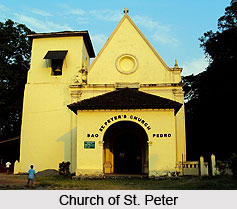
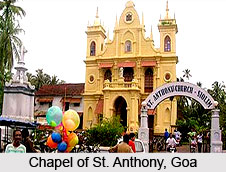
Churches and Convents of GoaGoa has some world famous churches and convents and the most comprehensive group of churches and cathedrals built during 16th and 17th century AD at Old Goa and are a legacy of the Portuguese. The famous churches of old Goa comprises of Se' Cathedral, Church and Convent of St. Francis of Assisi, Chapel of St. Catherine, Basilica of Bom Jesus, Church of Lady of Rosary, the Church of St Augustine and the Church of St. Cajetan. These monuments were influential in spreading forms of Manueline, Mannerist and Baroque art in all the countries of Asia where missions were established.

The churches display a combination of the Renaissance and Baroque styles. They are generally built of laterite and lime plaster. The paintings in the churches were done on wooden borders and fixed between panels having floral designs as in the chapels housing the tomb of St. Xavier, the arches above the altars in the transept of the Se' Cathedral and in the nave on either side of the main altar in the Church of St. Francis of Assisi. Excepting a few which are in stone, the statues are mostly in wood delicately carved and painted to adorn the altars. They depict mostly the saints, Mother Mary and Jesus on the cross.

Churches and Convents of Goa
The Basilica of Bom Jesus:The name Bom Jesus basically means "good Jesus" or "infant Jesus". The Basilica of Bom Jesus or Basilica of Bom Jesu is located in Goa. The church is located in Old Goa, which was the capital of Goa in the early days of Portuguese rule, about 10km from the city of Panjim. Close to the convent of St Francis, the 1605 church of Bom Jesus is known principally for the tomb and the mortal remains of St Francis Xavier, a member of the Society of Jesus, who came to India with the Portuguese to spread Christianity in India.

Se Cathedral: One of the oldest and most celebrated religious buildings in Goa, the Se cathedral is one of the largest churches in Asia and it took eighty years to get completed. It is dedicated to Catherine of Alexandria and is located in Old Goa. This monument truly represents the royalty of Goa in the early days, during the rule of Portuguese. One of the most sacred buildings for the Christians, Se cathedral has been declared a heritage site by UNESCO.

For more, visit the link below:

Monday, 22 August 2022

Folk Dances of Goa


Folk Dances of Goa, Indian Folk Dances, Indian Folk DancesThe folk dances of Goa bear a tradition of thousands of years, characterized by innumerable forms performed by and reflecting lifestyles, cultures and aspirations of different strata, religions and castes of Goan society. The prominent ones include the Dashavatara, Ghode Modni and the Goff Dance. Goa is also referred as the ‘Rome of East’ is one of the most phenomenon and contemporary tourist destination in India with tradition Goan culture and folklore. Colonized by Portuguese for 450 years, cultural tradition of Goa consists of numerous Goa churches, temples and mosques.

Some of the popular folk dances of Goa are as follows:

The Dalo: The Dalo is an earliest Goan folk dance completed mainly by women which combines dance, drama and music. Women dressed in multi-coloured traditional saris stand in two rows, facing each other and dance to the tune of musical folk songs. Previously the crop is cut and stored, the dalo is held at the village maand (sacred ground) on moonlit nights in winter (in the Hindu month of paush).Folk Dances of Goa, Indian Folk Dances, Indian Folk Dances

Diwli Nach: Diwli Nach is a dance performed in shigmo whilst balancing an oil-lamp with five light wicks on the head with no any support. The trick is not to lean or collapse the lamp during the dance. Though a great amount of attention is required to perform this job, the dancers go about it very naturally and elegantly.

Ghode Modni: It is a fighting dance performed in North Goa. The dance is held in shigmo by men flourishing swords and tiring a favourite subject who gives them the look of riding horses. The dance is said to portray the winning returning home of Rane’s warriors after defeating the opponent. The costumes are worn after carrying out spiritual rituals, typically in a temple.

Goff: It is also performed during the shigmo celebration. In the village of Poiguinim, a group of men move from house to house performing this dance. Bright ropes are suspended from the roof of the matov (canopy). Each dancer holds one rope and to the rhythm of the song, performs the dance twining the ropes in the procedure to form a cord. Then they do reverse movements to untwine the ropes.

Mando: Mando is a folk song where men and women replicate a mock flirtation to songs that speak expressively of desire and rejections of love. The mando is sung by the Christians in family celebrations like weddings and feasts. The western influenced melodies are played on a violin, while a ghumot (local percussion instrument) provides the hit.

Dekhni Dance: Dekhni is referred as a song cum dance. This is as the song has western bearings while the dance is of Indian form. It is only the women dancers who carry out this beautiful dance. A film producer got so enchanted by a popular Dekhni song that he made it well-known to every child of the country. Whenever this dance is performed, it is done with ghumat.

For more, visit the link below:

Saturday, 7 May 2022

Beaches of Goa


Beaches of GoaBeaches of Goa are the heaven for all kinds of tourists. Beaches in Goa over the years have evolved as one of the popular tourist destination in India. The beach Capital of India- Goa is situated in the south west region. It is one of the most popular and most visited destinations by people from all across the globe.

From the solitary beach to the energetic night life beaches, Goa is the perfect conglomeration of pristine natural beauty and European colonial history.

The sun kissed splendour of the beaches of Goa has made this place not only the most sought after tourist destination but has also offered a marked dimension to its aesthetic appeal. Whether to taste the coastal delicacies or just to feel the azure romance of the seas Goa remains flocked by tourists throughout the year.

Beaches of Goa cover about 125 kilometres of its coastline. These beaches of scenic beauty are divided into North Goa and South Goa. Beaches of North Goa are more commercial and abundant tourists created an excitement for its night life. The beaches of South Goa are filled with luxury hotels and private guest houses, which are solitary and silent.

Arambol Beach, North Goa
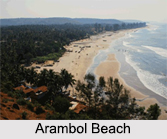
Arambol Beach is a unique beach in North Goa, which is placed at the distance of 50 km from the district headquarters. There are both rocky and sandy beaches and are much sought after. The high cliffs near Arambol Beach are popular for paragliding and dolphin watching. It has also a sweet water pond right on the store, which has made the place, lot more attractive.

Beaches of GoaVagator Beach, Bardez Taluka
This tranquil sea beach is situated at 22 km away. It is a popular beach dominated by Chapora Fort to the North, on its imposing headland. To the South of Vagator there is Calangute beach, which has got international fame. Vagator is a well accepted beach however, a little further south of this main beach is a more sedate beach known as Little Vagator or Ozran beach.

Anjuna Beach, Anjuna
Anjuna Beach is a popular beach area adjacent to Chapora Fort. In Anjuna there is magnificent Albuquerque mansion that was built in 1920. Octagonal towers and attractive Mangalore tiled-roof always flank this place.

For more, visit the link below:

Tuesday, 22 March 2022

Tourism In Goa

  A trip to Goa is a dream come true for tourist. Lying in the west coast of India, it possesses a perpetual charm. Also known as the 'pearl of the east', Goa is well known for its Gothic churches, temples, historical monuments, palm-fringed beaches, coconut orchards, ferry rides and vivacious folk music. Goa's matchlessness lies in the fact that while creating an elusive amalgamation of motley of cultures, it has maintained its innate essence. Goa is surely a land of dreams and romanticism, an eternal world of gentle, generous people and leisurely activity. It is in true sense a lush green paradise. With the promises of the shimmering beaches, azure waters and with the kiss of the sun and palms, Goa is a tourist destination throughout the year. This tiny state is situated on the west coast of India, between the borders of Maharashtra and Karnataka. It is better identified to the world as the former Portuguese enclave on Indian soil.


Pilgrimage Tourism in Goa
Being a state of miscellaneous religious populations, Goa is home to many places of worship that draw tourists from all over the world. Churches, temples and other religious places have made Goa one of the most visited destinations of the world. Religious places in Goa have a soul, which plunges deep into its unique history and rich culture.

Tourism In GoaChurches: The Churches in Goa are a memento of its age old custom and even the bits and pieces of its celebrated past. With a significant population of Goans being Christians for many generations today, the Church is a significant factor in Goa's social, cultural and religious life. Inhabited mostly by Christians the Churches in Goa are not only an instance of architectural spectacle but even replicate the traditions of the simple Goan people. Se Cathedral of Goa is one of the largest in Asia. Religious pilgrims are enthralled to hear of the Cross of Miracles, which is placed in the cathedral. This cathedral in Goa is a must see religious center for the pilgrimage tourists. The church of St. Anne is another popular destination for the Christians who come from all over the world to offer their prayer here. The Basilica of Bom Jesus located in old Goa is of great religious significance. It is a World Heritage Monument in India. The church is renowned all over the world for the preserved mortal remains of St. Francis Xavier. He was the member of Society of Jesus and came to India to spread Christianity with the Portuguese. Every year thousands of people visit the cathedral especially in the month of December.

Temples: Hindus also form a considerable part of the population in Goa. There are many temples which are of utmost religious importance. Sri Mangueshi temple at Ponda in Goa is the most well-known among temples. It is one of the most visited religious centers of the Hindus. Shri Mahalakshmi temple at Bandora is regarded as the dwelling place of the original Goddess of the Shakti cult. Its significance lies in the fact that it was the first Hindu temple to be built in this Indian state.

Mosques: Though there is very little Muslim population in Goa but there are many well-known places of worship for them. There are around 26 mosques which are scattered all over the state of Goa. The Jama Masjid and the Safa Shahouri Masjid are two of the most famous mosques in Goa. These mosques hold great religious significance for the Muslim pilgrims.

Nature Tourism in Goa
Goa is a nature lover's dream destination. Visitors holidaying in Goa will take pleasure in the large assortment of water falls, parks, and popular wildlife sanctuaries.

Waterfalls: Goa is a luxuriant natural bliss bounded on the one side by the foothills of the Sahyadri range and on the other side by the Arabian Sea. Goa is gifted with lakes, waterfalls and springs of matchless exquisiteness. They are situated far from the hustle and bustle, away from the coast, in the interiors. There are three major waterfalls of Goa which emerge from great heights and flow through the uneven terrains. These three rippling streams of silvery water draw innumerable tourists who desire idyllic solitude of secluded nature. The Arvalem waterfall of Goa looks stunning with the roaring cascade of water gushing down the rocky topography of the mountain behind it. The Dudhsagar Falls is one of the most interesting falls of India and the largest and highest fall of Goa. It is a lucrative tourist haunt. The Kesarval waterfall is another magnificent spectacle for the nature lovers. Lakes in Goa are also a must visited destination for the tourists.

For more, visit the link below: