Thursday, 8 February 2024

Santhali Language

 The Santhali language, originating from the Santhal tribal community of India, bears a rich history and a significant evolution in its script and usage over the years. During the British colonial era in India, the Santhali language was transcribed using the Roman script. However, in contemporary times, the Devanagari script has become the predominant script for writing Santhali.


The linguistic affinity between Santhali and Bengali is notable, leading to a preference among educated Santhali writers to utilize Bengali for their literary works. This preference is largely due to the phonetic similarities shared between the two languages. Despite this inclination towards Bengali, it is important to recognize that Santhali is believed to be older than the Indo-Aryan languages, underscoring its historical significance within the linguistic landscape of India. 

The absence of a standardized script specific to the Santhali language prompted the emergence of the 'Ol Chiki' script, pioneered by the esteemed thinker Pandit Raghunath Murmu in 1925. Revered as Guru Gomke among the Santhal people, Pandit Raghunath Murmu played a pivotal role in advocating for the development of a distinct script for the Santhali language. His efforts were propelled by the recognition that existing scripts failed to adequately capture the nuances of Santhali communication. 

Pandit Raghunath Murmu's legacy extends beyond script development, as he made substantial contributions to Santhali literature and cultural enrichment. With over 150 books to his credit, covering a diverse array of subjects, Pandit Raghunath Murmu's literary prowess left an indelible mark on the Santhal tribal community. 

In contemporary times, despite a relative decline in the usage of the Santhali language, it remains a vital component of the cultural heritage of the Santhal people and also counted among the prominent tribal languages in India. While its prevalence may have diminished, there persists a cadre of educated individuals within the Santhal community who continue to champion the language through literary endeavors and scholarly pursuits. These individuals play a crucial role in preserving the linguistic heritage and ensuring the continued vitality of the Santhali language. 

In conclusion, the history and evolution of the Santhali language reflect a journey marked by resilience, adaptation, and cultural significance. From its humble beginnings transcribed in the Roman script to the development of the 'Ol Chiki' script under the guidance of Pandit Raghunath Murmu, the trajectory of the Santhali language is emblematic of the enduring spirit of the Santhal people. While challenges persist in maintaining its prominence, the intrinsic value of the Santhali language as a repository of cultural identity and heritage remains steadfast.

Clarinet, Musical Instrument


The clarinet, a versatile woodwind instrument with a rich history, has found its place in the musical traditions of various cultures around the world. In India, the clarinet has become an integral part of both classical and contemporary music, contributing to the country's diverse musical landscape. 

The history of the clarinet in India can be traced back to the colonial era when European settlers and missionaries introduced Western musical instruments to the Indian subcontinent. Initially, the clarinet was primarily used in military bands and orchestras established by the British East India Company. However, over time, Indian musicians began to adopt the instrument and incorporate it into their own musical traditions. 

One of the most notable figures in popularizing the clarinet in India was A. K. C. Natarajan, also known as "Clarinet Natarajan." Born in the early 20th century, Natarajan was a pioneering clarinetist who played a significant role in introducing the instrument to Indian classical music. He adapted the techniques and repertoire of the clarinet to suit the nuances of Indian ragas and talas, thus creating a unique fusion of Western and Indian musical styles. 

In Indian classical music, the clarinet is often used as a solo instrument or as part of an ensemble accompanying vocalists or other instrumentalists. Its distinctive sound adds depth and texture to traditional compositions, enhancing the overall musical experience. Clarinetists in India undergo rigorous training to master the intricate techniques required to navigate the complex melodies and rhythms of classical ragas. 

In addition to its traditional role as a wind instrument, the clarinet has also gained popularity in contemporary Indian music genres such as film music, fusion, and jazz. Many prominent composers and musicians have incorporated the clarinet into their compositions, experimenting with new sounds and arrangements. Its versatility allows it to seamlessly blend with various musical styles, making it a sought-after instrument in both live performances and studio recordings. 

Today, the clarinet continues to thrive in India's vibrant music scene, with a growing number of talented musicians embracing the instrument and pushing its boundaries. Concerts, festivals, and music schools across the country provide platforms for clarinetists to showcase their skills and connect with audiences from diverse backgrounds. 

However, despite its increasing popularity, the clarinet still faces challenges in India, including limited availability of quality instruments, lack of formal education and training opportunities, and the need for greater recognition and appreciation of the instrument's potential within the broader music community. 

The clarinet holds a special place in the musical heritage of India, bridging cultural divides and enriching artistic expression. From its humble beginnings in colonial times to its present-day prominence in classical and contemporary music, the clarinet continues to captivate audiences with its soulful melodies and timeless appeal. As India's musical landscape continues to evolve, the clarinet remains a symbol of innovation, creativity, and cultural exchange.

Metal Craft of Rajasthan


Metal craft in Rajasthan has a rich heritage deeply embedded in the state's cultural fabric. Renowned for its intricate designs and skilled craftsmanship, Rajasthan's metal artisans have been producing exquisite pieces for centuries. Among the plethora of metal crafts in the region, several stand out for their popularity and unique characteristics. 

Theva craft is one such prominent metal craft of Rajasthan. Originating from the Mewar region, Theva craft involves intricate designs etched onto brass or copper utensils. Artisans meticulously carve patterns depicting traditional motifs such as peacocks, elephants, and floral designs. Theva craft items are often used for decorative purposes and are prized for their ornate beauty. 

Filigree, another notable metal craft, is widely practiced in cities like Jaipur and Jodhpur. This delicate art form involves twisting and curling fine threads of silver or gold to create intricate patterns and designs. Skilled artisans meticulously shape the metal threads, often incorporating gemstones or enamel work to enhance the beauty of the final piece. Filigree jewelry, in particular, is highly sought after for its fine craftsmanship and timeless elegance. 

Rajasthan is also renowned for its exquisite jewelry-making tradition. From elaborate bridal sets to everyday adornments, the state's jewelry artisans excel in crafting pieces that reflect the region's rich cultural heritage. Kundan, Meenakari, and Thewa are some of the traditional techniques employed in Rajasthan's jewelry making. Kundan jewelry, characterized by its intricate settings of gemstones in gold, is particularly famous for its opulence and grandeur. Meenakari involves the painstaking process of enameling colored designs onto metal surfaces, while Thewa is a unique technique where intricate gold designs are fused onto glass, creating stunning pieces of jewelry. 

Aside from jewelry, Rajasthan is also known for its metalware, including utensils, decorative items, and religious artifacts. Brass and copper are commonly used metals, with artisans employing techniques such as embossing, engraving, and hammering to create intricate designs. Traditional utensils like 'thalis' (plates) and 'lota' (water vessels) are often embellished with ornate patterns, making them prized possessions in households across the region. 

The metal crafts of Rajasthan not only serve as decorative items but also hold cultural and religious significance. Items like 'Aarti' lamps and 'Kalash' (water pots) are integral to religious rituals and ceremonies, crafted with great care and precision by skilled artisans. 

The metal crafts of Rajasthan embody the state's rich cultural heritage and artistic prowess. From the intricate designs of Theva craft to the timeless elegance of filigree jewelry, these traditional crafts continue to captivate admirers worldwide. By preserving and promoting these age-old techniques, Rajasthan's metal artisans ensure that their legacy lives on for generations to come.

Wednesday, 7 February 2024

Festivals of Jains


Festivals hold a significant place in the culture and religion of Jainism, one of the oldest religions in the world known for its principles of non-violence, truth, and self-discipline. These festivals of Jains, celebrated with devout reverence, mark important events in the lives of revered figures, moments of spiritual reflection, and occasions for community bonding. Among the array of Jain festivals, several stand out for their widespread observance and spiritual significance. 

Mahavir Jayanti, the most revered festival among Jains, commemorates the birth anniversary of Lord Mahavira, the 24th and last Tirthankara (spiritual teacher) of Jainism. Held in March or April, adherents engage in prayer, meditation, and recitations of teachings to honor the life and teachings of Lord Mahavira, emphasizing his principles of non-violence and compassion. 

Paryushan Mahaparva, also known as Daslakshana, is an eight-day festival of self-purification observed in August or September. During this period, Jains focus on introspection, repentance, and seeking forgiveness for past wrongdoings. The festival culminates with Samvatsari, the day of universal forgiveness, where Jains seek and grant forgiveness from one another, fostering harmony and unity within the community. 

Gyan Panchami is celebrated in November to commemorate the day when Lord Mahavira imparted his divine knowledge to his chief disciple, Gautama Swami. In this religious festival, Jains engage in study sessions, discussions, and lectures to honor the importance of wisdom and knowledge in the Jain tradition. 

Paush Dashami, observed in December or January, marks the day when Lord Parshvanatha, the 23rd Tirthankara, attained nirvana (liberation) at Shikharji. Devotees visit temples, participate in rituals, and reflect on the teachings of Lord Parshvanatha, emphasizing the path to spiritual liberation through austerity and renunciation. 

Akshay Tritiya Tapa holds special significance for Jain ascetics and lay followers alike. It falls in April or May and commemorates the day when Lord Rishabhanatha, the first Tirthankara, broke his year-long fast by consuming sugarcane juice. Jains observe this day by performing acts of austerity, charity, and fasting to cultivate spiritual discipline and inner strength. 

Snatra Mahotsav is a grand ceremonial bathing ritual conducted to honor the idols of Lord Mahavira and other Tirthankaras. Held throughout the year, devotees gather to bathe the idols with auspicious substances like milk, honey, and saffron water, symbolizing purification and spiritual cleansing. 

Yaksha Puja is a unique festival dedicated to the worship of Yakshas and Yakshinis, celestial beings revered in Jainism as guardians and protectors. Celebrated with fervor and devotion, devotees offer prayers, perform rituals, and seek blessings for prosperity, health, and spiritual well-being. 

Jain festivals play a crucial role in reaffirming the principles of non-violence, truth, and spiritual upliftment within the Jain community. Through rituals, prayers, and acts of devotion, adherents honor the lives and teachings of revered figures, fostering a deep sense of spiritual connection and communal harmony. These festivals serve as reminders of the rich cultural heritage and enduring values that define Jainism, inspiring adherents to lead lives of compassion, integrity, and self-realization.

Kannada Language

Kannada, one of the classical languages of India, boasts a rich linguistic history and a vast literary heritage. Originating from the Dravidian family of languages, Kannada has evolved over millennia, witnessing significant developments in its structure, usage, and literary expression.


Linguistic History:

The origins of Kannada language can be traced back to ancient times, with its roots deeply embedded in proto-Dravidian languages. Its development can be divided into three major periods: Old Kannada (4th to 10th century CE), Middle Kannada (10th to 16th century CE), and Modern Kannada (16th century CE onwards). 

Old Kannada, also known as Purava Halegannada, marked the emergence of early Kannada inscriptions dating back to the 4th century CE. These inscriptions, found primarily in the regions of Karnataka, Andhra Pradesh, and Maharashtra, provide valuable insights into the linguistic evolution of Kannada. 

During the Middle Kannada period, notable literary works such as the Vachana Sahitya (devotional poetry) and the writings of prominent poets like Pampa, Ranna, and Ponna flourished. This era witnessed a remarkable expansion of Kannada literature, with contributions in various genres including poetry, prose, and drama. 

In the Modern Kannada period, the language underwent further refinement and standardization, influenced by the Bhakti movement and interactions with other linguistic traditions. The advent of printing technology in the 19th century played a pivotal role in the dissemination of Kannada literature, facilitating its spread across different regions. 

Literary Heritage:

Kannada literature encompasses a diverse range of themes, styles, and forms, reflecting the cultural ethos and social dynamics of Karnataka. The early literary works were predominantly religious and philosophical in nature, reflecting the influence of Jainism and Hinduism. 

The Vachana Sahitya, composed by saint-poets known as Vachanakaras, embodies the essence of Bhakti spirituality and social reform. These devotional compositions, characterized by simplicity and profound spiritual insights, continue to resonate with audiences across generations. 

The medieval period witnessed the emergence of classical epics such as "Pampa Bharata" and "Jaimini Bharata," authored by Pampa and Janna respectively. These epic narratives, inspired by the Mahabharata, offer a unique Kannada perspective on mythological themes and ethical dilemmas. 

The Haridasa Sahitya, a corpus of devotional songs composed by Vaishnava saints known as Haridasas, represents another significant facet of Kannada literature. Through their compositions, Haridasas conveyed spiritual teachings and moral values, fostering a sense of devotion and humility among the masses. 

In addition to religious and philosophical texts, Kannada literature encompasses a wide array of secular genres including poetry, drama, prose, and folk literature. Works by modern literary figures such as Kuvempu, Bendre, and Ananthamurthy have contributed to the enrichment and diversification of Kannada literary tradition. 

Kannada language and literature embody a rich tapestry of linguistic heritage and literary excellence. From its ancient origins to its contemporary expressions, Kannada continues to thrive as a vibrant cultural medium, nurturing the collective consciousness of Karnataka and beyond. Through its linguistic nuances and literary treasures, Kannada remains a testament to the enduring spirit of human creativity and expression.

Tuesday, 6 February 2024

Mopin Festival

The Mopin Festival is an integral part of the cultural tapestry of Arunachal Pradesh, a northeastern state of India known for its ethnic diversity and vibrant traditions. Celebrated primarily by the Galo tribe, the festival holds significant cultural importance, serving as a platform for fostering community bonds, expressing gratitude to deities, and preserving indigenous customs.


The Galo tribe, one of the major indigenous communities inhabiting the West Siang district of Arunachal Pradesh, observes the Mopin Festival with great enthusiasm and reverence. Typically held in the month of April, the festival marks the arrival of spring and is a time for rejoicing after the toils of the agricultural season. It is a period of renewal and rejuvenation, both in nature and in the lives of the Galo people. 

Central to the Mopin Festival is the invocation of the deity of prosperity and fertility, known as Mopin Ane. The Galo people believe that by appeasing Mopin Ane through rituals and offerings, they can ensure a bountiful harvest and protection from evil spirits. The festival commences with the construction of an altar, adorned with colorful decorations and symbolic offerings, where prayers are offered to Mopin Ane for blessings and prosperity. 

A distinctive feature of the Mopin Festival is the performance of traditional dances and songs by the Galo community. These cultural expressions serve as a means of preserving the tribe's heritage and transmitting it to younger generations. The rhythmic beats of the drums and the graceful movements of the dancers create an atmosphere of joy and festivity, captivating both participants and spectators alike. 

Another noteworthy aspect of the Mopin Festival is the exchange of traditional handicrafts and culinary delights among community members. Handwoven textiles, intricately crafted ornaments, and delicious local delicacies are exchanged as symbols of goodwill and camaraderie. This exchange not only strengthens social ties but also provides an economic boost to local artisans and vendors. 

The Mopin Festival also serves as a platform for resolving conflicts and fostering reconciliation within the community. It is a time when grievances are set aside, and differences are set aside in the spirit of unity and solidarity. Through collective prayers and rituals, the Galo people seek harmony and peace within their society, reinforcing the bonds of kinship and mutual respect. 

In recent years, efforts have been made to promote the Mopin Festival as a tourist attraction, thereby showcasing the rich cultural heritage of Arunachal Pradesh to the outside world. Visitors from across the country and beyond are welcomed to partake in the festivities, providing them with a unique opportunity to witness the traditional customs and rituals of the Galo tribe up close. 

The Mopin Festival stands as a testament to the cultural richness and diversity of Arunachal Pradesh. Beyond its ceremonial aspects, the festival embodies the values of community, spirituality, and tradition that are deeply ingrained in the lives of the Galo people. As it continues to evolve and adapt to changing times, the Mopin Festival remains a cherished occasion for celebrating identity, heritage, and the enduring spirit of the indigenous tribes of Arunachal Pradesh.

Tumbi, Musical Instrument

The Tumbi, also known as Toombi, stands as an emblem of ancient and traditional North Indian musical heritage, originating from the fertile lands of Punjab. Its inception dates back to times immemorial, deeply entrenched within the folkloric tapestry of the region. Characterized by its distinctively high-pitched sound, this single-string plucking instrument has carved an indelible niche in the annals of Indian music, transcending borders and genres to captivate audiences far beyond its place of origin.


The roots of the Tumbi delve deep into the cultural soil of Punjab, where it has long been an integral component of the folk music landscape. Renowned Punjabi singers such as Lal Chand Yamla Jatt, Kuldeep Manak, Mohammed Sadiq, Didar Sandhu, Amar Singh Chamkila, and Kartar Ramla have skillfully wielded this instrument, infusing their melodic renditions with its resonant timbre. It is through the pioneering endeavors of figures like Lal Chand Yamla Jatt that the Tumbi found its prominence in modern times, gaining traction in the 1960s, 1970s, and 1980s. 

The Tumbi's ascent to popularity was not confined within the bounds of its place of origin. Rather, it transcended geographical barriers, finding resonance within Indian and Pakistani expatriate communities, particularly in the United Kingdom and the United States. As a result, its sonorous notes reverberated within the corridors of Bollywood, making notable appearances in Bhangra scenes depicted on the silver screen. 

Despite its humble origins as a staple accompaniment for folk singers in Punjab, the Tumbi has traversed vast musical landscapes, leaving an indelible mark on Western Bhangra music. Its unmistakable sound has pervaded popular Western songs, testament to its enduring appeal and cross-cultural resonance. Indeed, the Tumbi holds a significant place in North Indian musical heritage, perpetuating the rich tapestry of folk music traditions that have flourished in the region for centuries. 

The allure of the Tumbi lies not merely in its melodic capabilities but also in its cultural significance. It serves as a tangible link to the vibrant cultural heritage of Punjab, embodying the spirit of resilience and creativity that defines the region. As such, it continues to enchant listeners worldwide, transcending linguistic and cultural boundaries to forge connections that transcend the confines of geography. 

Tumbi stands as a testament to the enduring power of music to transcend boundaries and unite disparate cultures. From its humble origins as a string instrument in the folk music traditions of Punjab to its widespread acclaim in modern times, it embodies the timeless appeal of Indian music and the rich cultural heritage from which it springs. As it continues to captivate audiences far and wide, the Tumbi remains a symbol of the enduring legacy of North Indian musical traditions.

Festivals of Jharkhand


Jharkhand, a state located in eastern India, is rich in cultural diversity and celebrates a plethora of festivals throughout the year. These festivals not only hold religious significance but also reflect the vibrant traditions and customs of the people of Jharkhand. Here, we delve into some of the most prominent festivals celebrated in the state. 

Holi:

Holi, the festival of colors, is celebrated with great zeal and enthusiasm in Jharkhand. People from all walks of life come together to smear each other with vibrant hues, marking the victory of good over evil and the arrival of spring. Bonfires are lit the night before Holi, symbolizing the burning of Holika, and the next day is spent playing with colors, dancing, and indulging in festive delicacies. 

Diwali:

Diwali, also known as the Festival of Lights, is one of the most significant festivals celebrated across India, including Jharkhand. The festival commemorates the return of Lord Rama to Ayodhya after defeating the demon king Ravana. Homes and streets are adorned with colorful decorations, oil lamps, and fireworks. People exchange sweets and gifts, and prayers are offered to Goddess Lakshmi for prosperity and well-being. 

Ram Navami:

Ram Navami is celebrated to honor the birth of Lord Rama, an incarnation of Lord Vishnu. Devotees observe fasts, visit temples, and recite prayers and hymns dedicated to Lord Rama. Processions carrying idols of Lord Rama, accompanied by music and chanting, are taken out in various parts of Jharkhand. The festival symbolizes righteousness and the victory of truth over falsehood. 

Chhath Puja:

Chhath Puja is a unique festival dedicated to the worship of the Sun God and is widely celebrated in Jharkhand, especially among the Maithil community. It is also considered a regional festival in eastern India. Devotees offer prayers to the setting sun and the rising sun, seeking blessings for prosperity, longevity, and well-being. The rituals include taking a dip in rivers or water bodies, fasting, and offering prasad (offerings) to the Sun God. 

Dussehra:

Dussehra, also known as Vijayadashami, marks the triumph of Lord Rama over the demon king Ravana. In Jharkhand, effigies of Ravana, Meghnath, and Kumbhakaran are erected in public spaces, which are later set ablaze to symbolize the victory of good over evil. The festival is also associated with the worship of Goddess Durga and the culmination of Navratri celebrations. 

Sarhul:

Sarhul is an indigenous tribal festival of Jharkhand, celebrated by the tribes such as the Ho, Oraon, and Munda communities. It marks the beginning of spring and the sowing season. Tribes offer prayers to the village deity, Mother Earth, and seek her blessings for a bountiful harvest. The festival is characterized by traditional music, dance, and the exchange of greetings among community members. 

Karam Festival:

The Karam Festival is another significant tribal festival celebrated predominantly by the Oraon and Munda tribes of Jharkhand. It is dedicated to the worship of Karam Devta, the deity associated with fertility and agriculture. The festival involves rituals, dances, and songs performed to appease Karam Devta and seek his blessings for a prosperous harvest season. 

The festivals of Jharkhand reflect the state's rich cultural heritage and religious diversity. Whether it's the exuberant celebrations of Holi and Diwali or the traditional rituals of Chhath Puja and Sarhul, each festival holds a special place in the hearts of the people, fostering unity and harmony among communities.

Saturday, 3 February 2024

Thumri, Indian Classical Music


Thumri, a delicate and emotive form of Indian classical music, holds a distinctive place in the rich tapestry of the country's musical heritage. Originating from the northern regions of India, Thumri has evolved over the centuries, adapting to changing cultural landscapes while retaining its essence as a profound expression of human emotion. 

Thumri finds its roots in the rich musical traditions of North India, particularly in the regions of Uttar Pradesh, Bihar, and Bengal. Its emergence can be traced back to the 18th century, during the reign of Nawab Wajid Ali Shah, the last ruler of Awadh (present-day Lucknow). The Nawab, a patron of the arts, played a pivotal role in nurturing the development of Thumri. Initially, Thumri was a form of light classical music that drew inspiration from the folk traditions of the region, incorporating elements of the 'kajri' and 'dadra' genres. 

Over time, Thumri underwent a transformation, adapting to the changing socio-cultural milieu of India. It evolved from a primarily devotional and folk-oriented form into a sophisticated genre, incorporating elements of classical ragas and talas. This evolution was catalyzed by the efforts of legendary musicians such as Siddeshwari Devi, Begum Akhtar, and Bade Ghulam Ali Khan, who elevated Thumri to new heights of refinement. 

One of the distinctive features of Thumri is its ability to convey a range of emotions, from the sublime to the playful. The lyrics, often in Braj Bhasha or Awadhi, depict themes of love, separation, and divine devotion. The emotive power of Thumri lies in its intricate melodic patterns, rhythmic nuances, and the skillful interplay between the vocalist and accompanying instruments. 

In the contemporary era, Thumri continues to thrive as a vibrant and dynamic form of Indian classical music. While its traditional musical roots remain firmly grounded, contemporary musicians have embraced innovation, experimenting with fusion and collaborating with artists from diverse musical genres. This adaptability has ensured that Thumri remains relevant to audiences across generations. 

The revival of interest in Thumri owes much to the efforts of music festivals, educational institutions, and dedicated practitioners who are committed to preserving and promoting this art form. Institutions like the Sangeet Natak Akademi and the ITC Sangeet Research Academy have played a crucial role in nurturing young talent and fostering an appreciation for Thumri. 

Thumri stands as a testament to the resilience and adaptability of Indian classical music. From its humble origins in the 18th century to its present-day status as a cherished form of artistic expression, Thumri has traversed a remarkable journey. Its ability to resonate with listeners on an emotional level, coupled with its capacity for innovation, ensures that Thumri remains a timeless and integral part of India's cultural heritage. As the echoes of Thumri continue to reverberate across concert halls and music festivals, they serve as a reminder of the enduring power of classical music to transcend time and connect with the human spirit.

Brass Craft in India


Brass craft in India has a rich history and continues to be a significant aspect of the country's cultural and artistic heritage. This traditional craftsmanship involves the meticulous shaping and molding of brass, a copper-zinc alloy, into a variety of functional and decorative items. The procedure, features, and various types of brass craft in India showcase the skill, precision, and artistic sensibility of its practitioners. 

The process of creating brass craft in India is a time-honored tradition that requires a combination of technical expertise and artistic finesse. The journey begins with the selection of high-quality brass, which typically consists of 60-70% copper and 30-40% zinc. Craftsmen carefully melt and mix the metals to achieve the desired composition. 

The molten brass is then poured into molds, creating the foundational shape for the intended product. Skilled artisans employ various techniques like casting, forging, and hammering to refine the form and add intricate details. Precision is paramount throughout the process to ensure the final product meets the high standards of quality associated with Indian brass craft. 

The distinguishing features of Indian brass craft lie in its durability, versatility, and aesthetic appeal. Brass, being a corrosion-resistant alloy, ensures that crafted items withstand the test of time. This durability makes brass craft suitable for a wide range of applications, from household utensils to religious artifacts. 

Versatility is another hallmark of Indian brass craft, as artisans produce an array of items, including figurines, utensils, jewelry, and ceremonial items. The adaptability of brass allows for the creation of both utilitarian objects and intricate decorative pieces. 

The aesthetic appeal of brass craft is derived from the intricate detailing and traditional motifs that adorn the finished products. Artisans often incorporate religious and cultural symbols, reflecting the diverse heritage of India. The lustrous golden hue of brass adds a touch of sophistication, making these crafted items sought after for both functional and ornamental purposes. 

Indian brass craft encompasses a wide array of types, each with its unique characteristics and purposes. One prominent type is the religious brass craft, where skilled artisans create intricately designed idols, lamps, and ceremonial utensils for use in temples and homes. These pieces often feature depictions of deities and mythological narratives. 

Utilitarian brass craft includes kitchenware such as plates, bowls, and utensils, renowned for their durability and aesthetic appeal. The craftsmanship extends to home decor items like vases, candle holders, and wall hangings, showcasing the versatility of brass in enhancing interior spaces. 

Another notable type is the jewelry crafted from brass, featuring traditional designs and contemporary styles. Brass jewelry is valued for its affordability, durability, and ability to mimic the appearance of more expensive metals. 

Brass craft in India is a testament to the country's rich cultural heritage and the artistic prowess of Indian craftmanship. The meticulous procedure, enduring features, and diverse types of brass craft underscore the skill and dedication of Indian artisans who continue to contribute to the legacy of this traditional craftsmanship. Whether in religious contexts, daily life, or as decorative pieces, Indian brass craft continues to hold a significant place in both tradition and modernity.

Lai Haraoba Festival

Lai Haraoba, a traditional festival celebrated by the Meitei community in Manipur, stands as a testament to the rich cultural heritage of the region. Rooted in ancient folklore and religious beliefs, this festival serves as a vibrant tapestry that weaves together history, spirituality, and community bonds.


The origins of Lai Haraoba can be traced back to the pre-Hindu period in Manipur. The festival finds its roots in the animistic worship of the local deities known as 'Lais.' The term "Lai Haraoba" itself translates to "merry-making of the gods" in the Meitei language. The festival is deeply connected to the agricultural practices and agrarian lifestyle of the Meitei people, symbolizing a harmonious relationship between humanity and nature. 

Lai Haraoba typically takes place in the lunar month of April/May, lasting for about five days. The festival is marked by various rituals, traditional dances, and religious ceremonies. The celebrations are primarily held at sacred groves known as "Umang Lai," where the Meitei community gathers to pay homage to the deities. These groves are considered sacred spaces and are believed to be the dwelling places of the Lais. 

The festival begins with the 'Lai Haraoba Thousings,' a series of ritualistic performances conducted by the Maibas and Maibis, the priestly figures in Meitei tradition. These rituals involve invoking the blessings of the Lais for a bountiful harvest, prosperity, and communal well-being. The Maibas and Maibis play a crucial role in maintaining the sanctity of the festival, and their performances are integral to the spiritual aspect of Lai Haraoba. 

Besides being one of the popular festivals of Manipur, Lai Haraoba is renowned for its traditional dance forms, such as the Thabal Chongba and Maibi Jagoi, which are performed during the festival. Thabal Chongba, a community dance, involves men and women joining hands in a circular formation, moving to the beats of traditional music. The dance symbolizes unity, social harmony, and the joyous spirit of the festival. 

Maibi Jagoi, on the other hand, is a solo dance performed by the Maibis, who are considered priestesses and possess divine powers. The Maibi Jagoi is a mesmerizing display of grace and precision, accompanied by rhythmic chants and ritualistic gestures. The dance is believed to invoke the blessings of the Lais and protect the community from malevolent forces. 

Lai Haraoba Festival serves as a cultural cornerstone for the Meitei community in Manipur, embodying their spiritual beliefs, agricultural practices, and social cohesion. As a celebration deeply rooted in tradition, it not only preserves the cultural identity of the Meitei people but also provides a platform for the passing down of ancestral knowledge from one generation to the next. The festival's significance lies not only in its religious undertones but also in its ability to foster a sense of community and shared heritage among the Meitei people, making Lai Haraoba a timeless celebration of cultural resilience and unity. 

Friday, 2 February 2024

Embroidery of Karnataka

Embroidery in Karnataka, a southern state in India, has a rich and diverse heritage that reflects the cultural tapestry of the region. Among the various forms of embroidery in Karnataka, Kasuthi embroidery and Kaudi embroidery stand out as the most popular and widely recognized.


Kasuthi embroidery is an intricate and labor-intensive form of needlework that has been passed down through generations in Karnataka. Originating from the northern regions of the state, Kasuthi is characterized by its geometric patterns and vibrant colors. The word "Kasuthi" itself is derived from two Kannada words – 'Kaasu' meaning coin and 'Thi' meaning embroidery, signifying the use of coin-like patterns in this traditional craft. 

One of the distinctive features of Kasuthi embroidery is the extensive use of stitches like Ganti, Murgi, and Neyge. Ganti involves creating small dots, resembling coins, while Murgi is a chain stitch that forms intricate patterns. Neyge, a satin stitch, adds a smooth and polished finish to the embroidered fabric. Artisans often employ these stitches to create elaborate designs inspired by nature, mythology, and religious motifs. The complexity of Kasuthi embroidery requires exceptional skill and patience, making it a time-consuming process. 

Kasuthi embroidery is commonly found on sarees, blouses, and other traditional garments worn during festivals and special occasions. The craft not only enhances the aesthetic appeal of textiles but also preserves the cultural heritage of Karnataka, showcasing the skill and dedication of its artisans. 

Another noteworthy form of embroidery in Karnataka is Kaudi embroidery, a craft that hails from the coastal regions of the state. Kaudi, meaning seashell in Kannada, aptly describes the inspiration behind this unique form of needlework. Artisans draw inspiration from the diverse marine life and coastal landscapes, creating intricate designs that often feature seashells, fish, and waves. 

The primary technique employed in Kaudi embroidery is the use of small, cylindrical beads resembling seashells. These beads are meticulously stitched onto the fabric, forming elaborate patterns and motifs. The embroidery is often combined with sequins and thread work to add depth and texture to the designs. Kaudi embroidery is particularly popular on accessories like handbags, purses, and decorative pieces. 

The artisans practicing Kaudi embroidery display exceptional craftsmanship, transforming simple fabrics into exquisite pieces of art. The use of vibrant colors and the incorporation of coastal elements make Kaudi embroidery a distinctive and visually appealing form of embellishment. The craft not only serves as a means of livelihood for the skilled artisans but also contributes to the promotion of Karnataka's cultural identity. 

The embroidery of Karnataka, with its various forms, reflects the rich cultural heritage and artistic prowess of the state. Kasuthi embroidery and Kaudi embroidery, in particular, stand as testaments to the skill, tradition, and creativity of Karnataka's artisans. As these traditional crafts of Karnataka continue to thrive, they not only contribute to the textile industry but also serve as a source of pride for the people of Karnataka, preserving their cultural legacy for generations to come.

Art and Craft of Arunachal Pradesh


Arunachal Pradesh, the northeastern frontier of India, is a melting pot of diverse cultures and traditions, reflected vividly in its unique art and craft forms. The state's artistic heritage is deeply intertwined with its cultural diversity, with each community contributing to the vibrant tapestry that is Arunachali art. From bamboo and cane craft to carpet-weaving, painting, wood carving, jewelry making, and ivory craft, the art and craft of Arunachal Pradesh stand as a testament to the skilled hands and rich cultural heritage of its people. 

Bamboo and cane craft are integral components of Arunachal Pradesh's artistic legacy. Skilled artisans adeptly transform these natural resources into functional and aesthetically pleasing items. Baskets, mats, furniture, and even traditional headgear are crafted with precision and ingenuity, showcasing the seamless blend of utility and artistry. The intricate patterns and designs reflect the cultural ethos of the tribes, making each piece a unique representation of Arunachal's cultural diversity. 

Carpet-weaving is another significant art form in Arunachal Pradesh, with the Monpa tribe particularly renowned for their expertise. Using traditional techniques passed down through generations, Monpa weavers create exquisite carpets with intricate patterns and vibrant colors. These carpets often depict scenes from daily life, mythological stories, or symbols of religious significance. The meticulous craftsmanship and attention to detail make Arunachali carpets highly sought after, both locally and internationally. 

Painting, an art form that transcends boundaries, has found a distinctive expression in Arunachal Pradesh. The state boasts a rich tradition of tribal art, with each tribe contributing its unique style and symbolism. Thangka painting, practiced by the Monpas and Sherdukpens, involves intricate depictions of Buddhist deities and spiritual themes. The Apatanis are known for their vibrant murals, showcasing a keen sense of color and design. Through these paintings, Arunachali artists preserve and perpetuate their cultural narratives. 

Wood carving in Arunachal Pradesh is a craft that combines artistic finesse with practical utility. Skilled artisans carve intricate designs on wooden panels, doors, and furniture, reflecting the cultural motifs of their respective tribes. The carvings often depict animals, mythological figures, or scenes from tribal life, serving as both functional items and cultural artifacts. The craftsmanship in Arunachali wood carving is not merely aesthetic but also a manifestation of the deep connection between the people and their natural surroundings. 

Jewelry making is an art form that showcases the metalworking skills of the tribes in Arunachal Pradesh. Silver and brass are commonly used to create traditional jewelry pieces adorned with intricate patterns and symbolic motifs. Each piece of jewelry carries cultural significance, representing the wearer's identity, social status, or belonging to a specific tribe. The craftsmanship involved in jewelry making reflects the meticulous attention to detail and the reverence for tradition within Arunachali communities. 

Ivory craft, though now facing stringent regulations due to conservation concerns, has been a traditional art form in Arunachal Pradesh. Skilled artisans meticulously carve ivory into intricate sculptures, depicting religious and mythological themes. However, with increasing awareness about the need for wildlife conservation, the focus is shifting towards alternative materials, ensuring the preservation of this age-old craft without compromising on ethical considerations. 

The art and craft of Arunachal Pradesh embody the essence of its diverse cultural heritage. From the utilitarian bamboo and cane craft to the intricate carpet-weaving, painting, wood carving, jewelry making, and the traditional ivory craft, each form reflects the deep-rooted connection between art and culture in this northeastern state of India. As these traditional crafts continue to evolve, they serve as a testament to the resilience and creativity of the people of Arunachal Pradesh, preserving their heritage for generations to come.

Thursday, 1 February 2024

Embroidery of Punjab


Embroidery in the state of Punjab is a testament to the rich cultural heritage and artistic finesse that has been passed down through generations. Punjab, with its vibrant and lively spirit, has given rise to various forms of embroidery that reflect the essence of the region. Among the myriad styles, Phulkari Embroidery, Bagh Embroidery, Aari Embroidery, and Chope Embroidery stand out as some of the most popular and distinctive forms. 

Phulkari Embroidery, which translates to "flower work," is perhaps the most well-known and cherished form of embroidery in Punjab. Originating from the rural areas of the state, Phulkari is characterized by its vibrant and bold patterns created using darn stitch. Traditionally, Phulkari is executed on a coarse cotton fabric with bright silk threads, resulting in intricate floral motifs that cover the entire cloth. The artistry lies in the careful arrangement of colors and the meticulous detailing of each stitch, showcasing the skilled hands of the artisans who have mastered this traditional craft of Punjab. 

Bagh Embroidery, on the other hand, is a style that embodies opulence and grandeur. This form of embroidery, primarily practiced in the Jallandhar and Faridkot regions, is characterized by its elaborate and dense patterns. Bagh, meaning garden, aptly describes the lush and dense embroidery that often covers the entire fabric. Gold and silver threads are intricately woven into the fabric, creating a regal and luxurious effect. Historically, Bagh Embroidery was reserved for special occasions and ceremonies, emphasizing its association with prestige and celebration. 

Aari Embroidery is another prominent form of needlework in Punjab, known for its fine craftsmanship and delicate detailing. Aari, or tambour, is a special type of hook that is used to create chain stitches on the fabric. This technique allows for precise and intricate designs, making Aari Embroidery popular for adorning bridal wear and other festive garments. The artisans often employ vibrant threads and incorporate mirror work, enhancing the visual appeal of the finished product. Aari Embroidery reflects the fusion of traditional techniques with evolving fashion trends. 

Chope Embroidery, originating from the regions of Bhatinda and Mansa, is distinctive for its geometric patterns and repetitive motifs. Traditionally executed on a plain white or light-colored fabric, Chope Embroidery uses contrasting colors to create a visually striking effect. The repetitive nature of the designs symbolizes unity and continuity, making it a popular choice for everyday wear. Chope Embroidery has evolved over time, adapting to contemporary tastes while retaining its cultural significance. 

The embroidery of Punjab is a reflection of the state's rich cultural tapestry and artistic heritage. Phulkari Embroidery, Bagh Embroidery, Aari Embroidery, and Chope Embroidery exemplify the skill and dedication of the artisans who have preserved and enriched these traditional forms over the years. These exquisite embroidery styles not only contribute to the visual splendor of Punjab's textiles but also serve as a testament to the enduring legacy of craftsmanship in the region. As we celebrate the diversity of Indian textiles, the embroidery of Punjab stands out as a beacon of tradition and artistry.

Festivals of Bihar

Bihar, a state in the eastern part of India, is known for its rich cultural heritage and vibrant traditions. The festivals celebrated in Bihar are a reflection of its diverse and pluralistic society. These festivals not only bring people together but also serve as a testament to the deep-rooted religious and cultural beliefs of the region.


One of the most widely celebrated festivals in Bihar is Chhath Puja. This ancient Hindu festival is dedicated to the Sun God, and it holds immense significance for the people of Bihar. Celebrated with great fervor and devotion, Chhath Puja usually takes place six days after Diwali. During this festival, devotees offer prayers to the setting and rising sun, seeking blessings for the well-being and prosperity of their families. The rituals involve fasting, rigorous bathing, and offering arghya (offerings) to the Sun God. The banks of rivers, ponds, and other water bodies in Bihar come alive with devotees performing the Chhath rituals, creating a spiritual ambiance. 

Sama Chakeva is another unique festival celebrated predominantly in Bihar. This festival revolves around the love and bond between a brother and a sister. Also known as the "Birds' Marriage," it involves the creation of clay images of birds, symbolizing the bond between brothers and sisters. The festival signifies the importance of familial ties and is celebrated with enthusiasm, especially in rural areas. 

The Sonepur Cattle Fair is one of the largest and oldest cattle fairs in Asia, held in the town of Sonepur in Bihar. This month-long fair commences on Kartik Purnima and attracts people from far and wide. Apart from trading cattle, the fair also features various cultural events, folk performances, and a wide array of handicrafts and traditional products. The fair provides a platform for the exchange of agricultural practices and fosters economic activities in the region. 

Bula Festival, celebrated in the winter months, is a significant cultural event in Bihar. It is primarily observed by the tribal communities, showcasing their vibrant traditions through dance, music, and traditional rituals. The festival creates a colorful spectacle, bringing together various tribal communities and providing a platform for them to celebrate and showcase their cultural identity. 

Ram Navami, marking the birth of Lord Rama, is celebrated with great devotion in Bihar. The day is observed with prayers, bhajans, and recitation of scriptures narrating the life of Lord Rama. Temples and homes are adorned, and processions are organized to commemorate the auspicious occasion. 

Shravani Mela, held in the month of Shravan (July-August), is an annual pilgrimage that draws millions of devotees to the town of Deoghar in Bihar. Devotees undertake a rigorous journey, often covering hundreds of kilometers on foot, to offer holy water from the Ganges at the Baidyanath Jyotirlinga temple. The pilgrimage signifies the devotion of the worshippers and the religious significance attached to the month of Shravan. Jat Jatin dance is one of the main attractions of this festival. It is a couple dance, performed by young women.

Festivals of Bihar weave a tapestry of tradition, spirituality, and cultural diversity. Each festival holds a unique place in the hearts of the people, fostering a sense of unity and communal harmony. As the people of Bihar celebrate these festivals with unwavering devotion, they not only preserve their cultural heritage but also contribute to the rich tapestry of India's diverse and pluralistic traditions.

Traditional Dresses of Bihar: Costumes of Bihar embody the rich cultural heritage of the state. Men don traditional outfits such as the Dhoti Mirjai, Kurta and Pajama, and Sherwani, while women grace themselves with elegant sarees.  Lehengas, also known as ghagra choli, are worn by women on festive occasions.


Wednesday, 31 January 2024

Manjira, Musical Instrument


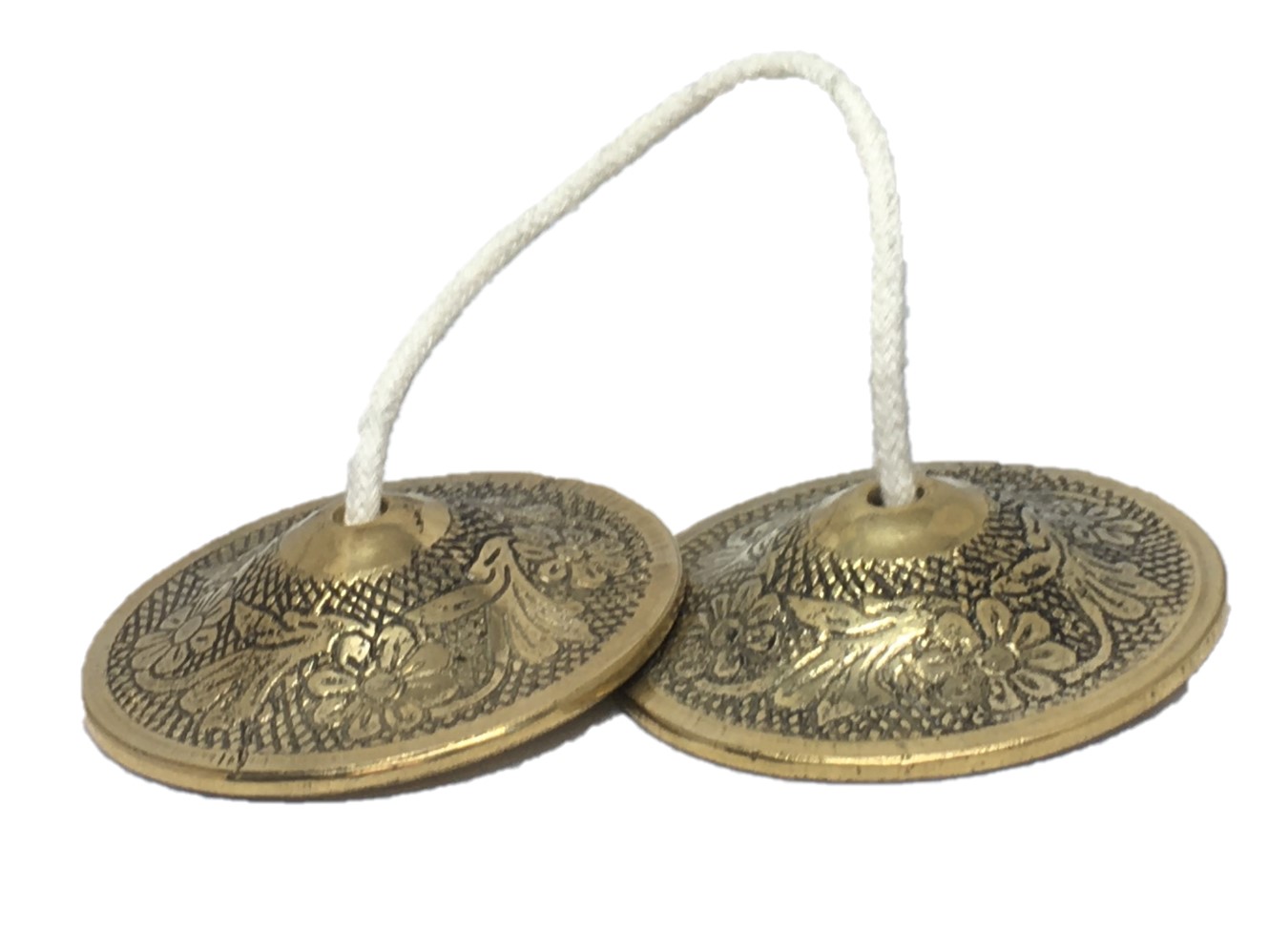
Manjira, also known as the hand cymbals or kartals, is a traditional Indian percussion instrument that holds a significant place in the realm of Indian classical and folk music. Renowned for its distinctive jingling sound, the Manjira plays a vital role in accompanying various musical genres and dance forms. 

Construction of Manjira

The Manjira is constructed with meticulous attention to detail, ensuring a balance between durability and resonant sound production. Typically, a pair of small, circular metal discs, ranging in diameter from 2 to 4 inches, are used in its construction. These discs are made from various metals, such as brass, bronze, or iron, each contributing to the distinct tonal quality of the instrument. 

The discs are attached to a central wooden or metal hub with the help of a sturdy cord, allowing them to move freely. The cord's tension is crucial in determining the pitch and resonance of the manjira. The frame of the instrument may also feature intricate carvings or decorations, adding to its aesthetic appeal while maintaining its structural integrity. 

Types of Manjira

While the basic design of the Manjira remains consistent, there are regional variations in terms of size, materials used, and playing techniques of this percussion instrument. The most common types include the northern and southern varieties. 

Northern Manjira: The northern variant, often referred to as Kartal, typically has smaller metal discs and is played by holding the cord in the hand and striking the discs together. This style is commonly associated with devotional music and classical genres in North India. 

Southern Manjira: In the southern regions of India, the Manjira is larger and known as "taalam." It is played by hanging the instrument on the fingers and striking it with the other hand. Southern Manjira is a prominent accompaniment in various South Indian classical and folk performances. 

Uses in Indian Music

The Manjira finds its application in a multitude of musical contexts, ranging from classical and devotional to folk and contemporary genres. 

Classical Music: In classical music forms such as Bhajan, Kirtan, and Thumri, the Manjira serves as a vital accompaniment. Its crisp, rhythmic sound enhances the overall texture of the musical composition, providing a dynamic and lively element. 

Folk Music and Dance: Across India, the Manjira is a staple in folk music and dance performances. Its lively and festive jingles complement the vibrant energy of traditional dances like Garba, Bihu, and Lavani. 

Devotional Music: In devotional music, especially during religious ceremonies and rituals, the Manjira is often played as an accompaniment to vocal and instrumental performances, creating a divine ambiance. 

The Manjira, with its simple yet elegant design, has embedded itself deeply in the musical fabric of India. Its versatility and adaptability allow it to seamlessly integrate into various genres, making it a cherished instrument in the hands of musicians and performers alike. As the Manjira continues to reverberate through the corridors of Indian musical traditions, its rhythmic resonance echoes the enduring spirit of a rich and diverse cultural heritage.

Festivals of Andhra Pradesh

 Andhra Pradesh, a culturally rich state in southern India, is home to a plethora of festivals that reflect the diversity and traditions of its people. These festivals of Andhra Pradesh are celebrated with great fervor and are an integral part of the social and religious fabric of the region.


One of the most widely celebrated festivals in Andhra Pradesh is Pongal, an agrarian festival dedicated to the Sun God. Observed during mid-January, Pongal marks the harvesting season, and farmers express their gratitude for a bountiful harvest. The festival involves the preparation of a special dish called Pongal, made with newly harvested rice and other ingredients, symbolizing prosperity and abundance. 

Ugadi, also known as the Telugu New Year, is another significant festival in Andhra Pradesh. Celebrated in March or April, depending on the lunar calendar, Ugadi is a time for new beginnings and is marked by the preparation of traditional dishes, the decoration of homes, and the reading of the Panchangam, a traditional almanac that predicts the future. It is a day for reflection and setting goals for the coming year.

 Atla Taddi is a unique festival celebrated by married women in Andhra Pradesh. Falling on the third day after the full moon in the month of Ashwin, women observe a day-long fast and eat a special dosa made of rice and lentils. This festival is dedicated to the well-being and longevity of their husbands. 

Varalakshmi Vrata is a festival dedicated to Goddess Lakshmi, the goddess of wealth and prosperity. Married women perform elaborate rituals and prayers seeking the blessings of the goddess for the well-being of their families. It is usually celebrated during the month of Sravana, and the main ritual involves the worship of a sacred thread or a kalasam (pot) symbolizing the goddess. 

The Lumbini Festival is an annual event held in Andhra Pradesh to commemorate the birth of Lord Buddha. Celebrated in Nagarjunasagar, the festival showcases the rich Buddhist heritage of the region and attracts tourists and pilgrims from across the country. Cultural events, traditional dances, and exhibitions are organized to promote the historical and cultural significance of Buddhism in Andhra Pradesh.

Visakha Utsav is a grand cultural and food festival celebrated in the city of Visakhapatnam. Held every year during the last week of December, it attracts tourists and locals alike. The festival showcases the vibrant art, dance, and cuisine of Andhra Pradesh, making it a significant event in promoting the state's cultural heritage. Dhimsa dance in an integral part of this festival.

Apart from these major festivals, Andhra Pradesh also celebrates other events like the Deccan Festival, Lepakshi Festival, and Rayalaseema Food and Dance Festival, each highlighting specific aspects of the state's diverse culture. These festivals play a crucial role in fostering a sense of community and reinforcing cultural bonds among the people of Andhra Pradesh. 

The festivals of Andhra Pradesh reflect the state's cultural, religious, and agricultural diversity. These celebrations not only provide a platform for the expression of religious fervor but also serve as a means to promote tourism and showcase the rich heritage of the region. The people of Andhra Pradesh continue to uphold these traditions, passing them down through generations, ensuring that the spirit of these festivals remains vibrant and integral to the state's identity.

Crafts of Arunachal Pradesh


Arunachal Pradesh, nestled in the northeastern part of India, is a region that boasts a rich cultural heritage, and one of the most significant expressions of this cultural wealth is its diverse and vibrant craft traditions. The state is home to a plethora of crafts, each unique in its own way, reflecting the artistic prowess and cultural nuances of the various tribes that inhabit the region. Among the prominent crafts of Arunachal Pradesh are bamboo and cane craft, handloom and weaving, wood carving, and more. 

Bamboo and cane craft form an integral part of Arunachal Pradesh's traditional craftsmanship. The state's topography, abundant in bamboo groves, provides the raw material for this craft. Skilled artisans transform bamboo and cane into a wide range of products, including baskets, mats, hats, and even furniture. The craft not only serves utilitarian purposes within the local communities but has also gained recognition on a national and international scale for its intricate designs and durable craftsmanship. 

Handloom and weaving are deeply ingrained in the cultural fabric of Arunachal Pradesh. The state is renowned for its traditional handwoven textiles, which bear the distinct identity of various tribes. The weavers, mostly women, skillfully create patterns and motifs that narrate stories of their culture and heritage. The vibrant colors and intricate designs of the woven fabrics showcase the artistic finesse of Arunachali weavers, making these textiles highly sought after not just within the state but also across the country. 

Wood carving is another prominent craft that flourishes in Arunachal Pradesh. Skilled artisans sculpt intricate designs on wood, creating decorative items, figurines, and even traditional masks. Wood carving reflects the deep connection the people of Arunachal Pradesh have with nature, often incorporating motifs inspired by flora and fauna found in the region. The craftsmanship not only serves as a form of artistic expression but also plays a crucial role in preserving and passing on traditional narratives and cultural symbols through the carved artifacts. 

The tradition of pottery is also prevalent in certain regions of Arunachal Pradesh. Artisans use locally available clay to create functional and decorative pottery items. These items often showcase the unique aesthetic sensibilities of the tribes, with each community having its distinct style and motifs. 

Apart from these major crafts, Arunachal Pradesh is also known for its traditional beadwork, carpet making, and mask making. Beadwork involves creating intricate jewelry and decorative items using colorful beads, while carpet making, though not as widespread, showcases the meticulous skill of artisans who weave beautiful carpets with traditional designs. Mask making is a ritualistic craft associated with various festivals and ceremonies, where artisans create masks that represent cultural deities and mythological characters.

The craft traditions of Arunachal Pradesh stand as a testament to the rich cultural heritage of the state. The artisans, with their skills passed down through generations, continue to contribute to the preservation and promotion of these crafts. The intricate bamboo and cane craft, the vibrant handwoven textiles, the expressive wood carvings, and the diverse array of crafts collectively form a tapestry that reflects the identity, traditions, and creativity of the people of Arunachal Pradesh. As these crafts continue to evolve, they play a crucial role in connecting the past with the present and ensuring the cultural legacy of the state endures for generations to come.


Tuesday, 30 January 2024

Crafts of Gujarat


Gujarat, situated in the western part of India, is not only known for its vibrant culture and rich history but also for its diverse and intricate crafts that have been passed down through generations. The state boasts a myriad of traditional crafts, each reflecting the skill, precision, and cultural ethos of the artisans who have meticulously preserved these art forms. From embroidery and textile craft to dye craft, clay craft, and wood craft, the traditional crafts of Gujarat stands as enduring legacy of handmade craftsmanship. 

Embroidery, a time-honored tradition in Gujarat, is a craft that has been practiced with precision and dedication. The Kutch region is particularly renowned for its vibrant and elaborate embroidery work. Local artisans skillfully embellish fabrics with mirror work, intricate patterns, and vibrant threads, creating visually stunning pieces. The diversity in embroidery styles, ranging from Rabari and Ahir to Sindhi and Banni, reflects the cultural amalgamation within the state. 

Textile craft is another cornerstone of Gujarat's artisanal heritage. The Patola silk sarees from Patan are globally celebrated for their unique tie-and-dye technique. Skilled weavers painstakingly create intricate patterns by resist-dyeing both the warp and weft threads before weaving, resulting in a fabric that is both luxurious and visually captivating. This meticulous process has been handed down through generations, symbolizing the rich tapestry of Gujarat's textile traditions. 

Dye craft, with its roots deeply embedded in the state, showcases the expertise of Gujarat's artisans in creating vivid and durable colors. The Bandhani tie-and-dye technique, prevalent in regions like Jamnagar and Bhuj, involves tying small portions of the fabric with thread and then dyeing it. The result is a fabric adorned with vibrant patterns, often in a multitude of colors. This age-old craft not only adds to the visual appeal of textiles but also serves as a testament to the skillful utilization of natural dyes. 

Clay craft is yet another facet of Gujarat's artistic landscape. The terracotta works of the Panchmahal district and the ornate pottery from the Kutch region are prime examples of the state's proficiency in clay craftsmanship. Traditional potters create an array of items, including decorative figurines, functional utensils, and ceremonial items. The craft not only fulfills utilitarian needs but also carries forward the aesthetic sensibilities inherent in Gujarat's cultural heritage. 

Wood craft, deeply rooted in Gujarat's history, showcases the state's mastery in carving and woodworking. The artisans from Sankheda are known for their exquisite lacquer work on wooden furniture. Intricately carved pieces, adorned with vibrant colors, bring a touch of traditional elegance to homes. The craft not only demonstrates the technical prowess of the artisans but also reflects the cultural significance of wooden crafts in Gujarat. 

The crafts of Gujarat are a testament to the state's rich cultural heritage and the skilled artisans who have preserved these traditions through centuries. From the intricate embroidery of Kutch to the vibrant textiles of Patan, the meticulous dye craft of Jamnagar to the clay craft of Panchmahal, and the elegant wood craft of Sankheda, Gujarat's crafts weaves together history, culture, and skilled craftsmanship of the state to secure its position among the best crafts in India. These crafts not only contribute to the economic sustenance of the artisans but also play a crucial role in keeping Gujarat's cultural identity alive and thriving.

Chief Ministers of Jammu and Kashmir

 Jammu and Kashmir, a region historically known for its rich cultural diversity and geopolitical significance, has witnessed a succession of Chief Ministers who have played pivotal roles in shaping the socio-political landscape of the region. However, since June 2017, following the abrogation of Article 370 and the reorganization of the state into two separate Union Territories, Jammu and Kashmir has operated without a Chief Minister. This marked a significant shift in the governance structure, with the region now under the direct rule of the Central government.


The era preceding the reorganization saw the leadership of various Chief Ministers, each contributing in their own way to the development and administration of Jammu and Kashmir. The last Chief Minister of Jammu and Kashmir was Mehbooba Mufti, a prominent political figure associated with the People's Democratic Party (PDP). 

Mehbooba Mufti assumed office as the Chief Minister of Jammu and Kashmir on April 4, 2016, succeeding her father, Mufti Mohammad Sayeed. Her tenure witnessed a complex political landscape, with challenges ranging from internal security concerns to issues of regional autonomy. The PDP-BJP coalition government, which she led, faced difficulties in navigating the delicate balance between regional aspirations and national interests. 

During her tenure, Mehbooba Mufti focused on a comprehensive development agenda for Jammu and Kashmir. Efforts were made to address issues related to infrastructure, education, and healthcare. However, the political climate remained volatile, marked by periodic unrest and tensions. The regional autonomy debate, a long-standing issue in Jammu and Kashmir, continued to be a focal point of discussions during her term. 

The turning point came in August 2019 when the Government of India, under the leadership of Prime Minister Narendra Modi, took a historic decision to abrogate Article 370, revoking the special status of Jammu and Kashmir. This move led to the bifurcation of the state into two Union Territories – Jammu and Kashmir, and Ladakh. Consequently, the position of Chief Minister ceased to exist, marking the end of Mehbooba Mufti's term. 

Since then, the region has been under the direct governance of the Central government. The absence of a Chief Minister has been a departure from the established political norm in the region. The Union Territory status has redefined the administrative structure, with the Lieutenant Governor appointed by the President of India serving as the chief executive authority. 

The decision to reorganize Jammu and Kashmir sparked debates on national integration, security, and the future trajectory of the region. The government asserted that the move was aimed at accelerating development, promoting good governance, and fostering inclusivity. However, it also generated concerns and apprehensions among certain sections regarding the impact on regional identity and autonomy. 

Chief Ministers of Jammu and Kashmir have played crucial roles in navigating the complex socio-political dynamics of the region. Mehbooba Mufti, as the last Chief Minister before the reorganization, faced the challenges of a shifting political landscape. The absence of a Chief Minister since June 2017 and the establishment of a Union Territory status signify a paradigm shift in governance. The region is now under the direct rule of the Central government, with implications that continue to unfold in the evolving narrative of Jammu and Kashmir.

Monday, 29 January 2024

Chief Ministers of Odisha


The state of Odisha, situated on the eastern coast of India, has witnessed the stewardship of various political leaders who have played pivotal roles in shaping the socio-economic and political landscape of the region. This article delves into the contributions of the former Chief Ministers of Odisha, providing a comprehensive overview of their governance. Additionally, it sheds light on the ongoing developments spearheaded by the current Chief Minister, Naveen Patnaik, who has been at the helm since March 2000. 

Biren Mitra (1950-1952):

Biren Mitra, the first Chief Minister of Odisha, laid the foundation for administrative structures in the nascent state after its formation in 1950. Although his tenure was brief, Mitra's commitment to establishing a functional government set the stage for subsequent leaders. 

Harekrushna Mahatab (1952-1961):

Mahatab's leadership witnessed the initiation of several developmental projects, focusing on agriculture, education, and infrastructure. His emphasis on economic reforms and the establishment of educational institutions contributed significantly to the state's progress during the formative years. 

Biju Patnaik (1961-1963, 1990-1995):

A charismatic leader, Biju Patnaik's two non-consecutive terms were marked by a focus on industrialization and infrastructure development. His contributions to the establishment of Paradip Port and the growth of the aviation sector underscored his vision for a modern Odisha. 

Janaki Ballabh Patnaik (1980-1985, 1995-1999):

J.B. Patnaik's leadership was marked by a commitment to social welfare and economic development. His policies aimed at poverty alleviation and the empowerment of marginalized communities, contributing to a more inclusive growth trajectory for the state. 

Naveen Patnaik (2000-present):

Naveen Patnaik, the current Chief Minister and scion of Biju Patnaik, has been in office since March 2000, making him one of the longest-serving Chief Ministers in the country. Under his leadership, Odisha has experienced a paradigm shift in governance and development. 

Naveen Patnaik's tenure has been characterized by a focus on poverty reduction, disaster management, and infrastructural development. The 'Biju Janata Dal' (BJD), founded by him, has been instrumental in implementing several welfare schemes and policies, such as the KALIA (Krushak Assistance for Livelihood and Income Augmentation) scheme for farmers and the Mission Shakti program for women's empowerment. 

One of the notable achievements under his leadership has been the successful management of natural disasters, especially cyclones. The state's disaster management strategies, including early warning systems and efficient evacuation plans, have garnered national and international acclaim. 

Furthermore, Naveen Patnaik's administration has prioritized inclusive growth, leading to advancements in sectors like education, healthcare, and rural development. His emphasis on transparency and accountability has also contributed to a positive governance model in the state. 

In the economic domain, the Chief Minister's proactive approach has attracted investments, fostering industrial growth and employment opportunities. Odisha's sustained economic development under his tenure has placed the state as a key contributor to the nation's progress. 

The Chief Ministers of Odisha, past and present, have played crucial roles in steering the state through various challenges and fostering its growth. The legacies of leaders like Biren Mitra, Harekrushna Mahatab, Biju Patnaik, and J.B. Patnaik have laid the groundwork for Naveen Patnaik's contemporary governance. 

Naveen Patnaik's leadership, spanning over two decades, reflects a commitment to inclusive development, disaster resilience, and economic progress. As Odisha continues to evolve, the state's political leadership remains pivotal in navigating the complexities of governance and shaping its future trajectory.

Chief Ministers of Indian States

 The diverse landscape of India is governed by a federal structure, with each state having its own Chief Minister responsible for the administration and governance of the region. As of there are 28 states in India, each led by a Chief Minister who plays a crucial role in shaping the socio-economic and political landscape of their respective states. In this article, we will provide a brief overview of the incumbent Chief Ministers of Indian States and their notable contributions.


Andhra Pradesh:

Chief Minister Jagan Mohan Reddy, who assumed office in May 2019, has focused on implementing welfare programs and social justice initiatives. His government has made strides in providing financial aid to farmers and initiating healthcare reforms.

Arunachal Pradesh:

Pema Khandu, serving as the Chief Minister since July 2016, has prioritized infrastructure development in remote areas and has worked towards enhancing connectivity in the region.

Assam:

Himanta Biswa Sarma, who assumed office in May 2021, has been instrumental in implementing various policies to address issues such as unemployment, education, and healthcare. His government has also taken steps to boost economic development.

Bihar:

Nitish Kumar, in office since November 2005, has been a key figure in Bihar's political landscape. Known for his emphasis on good governance, Kumar has focused on infrastructure development, education, and social justice.

Chhattisgarh:

Vishnudeo Sai, the Chief Minister since December 2023, has been committed to inclusive development. His government has introduced schemes to uplift marginalized communities and improve healthcare facilities.

Delhi:

Arvind Kejriwal, the Chief Minister of the National Capital Territory, has been in office since February 2015. Kejriwal's administration has concentrated on education, healthcare, and environmental initiatives.

Goa:

Pramod Sawant, who took over as Chief Minister in March 2019, has prioritized tourism and infrastructure development. His government has also focused on environmental conservation.

Gujarat:

Bhupendrabhai Patel, Chief Minister since September 2021, has emphasized industrial growth and economic development. Under his leadership, Gujarat has continued to be a key player in India's economic landscape.

Haryana:

Manohar Lal Khattar, in office since October 2014, has concentrated on agriculture, water management, and infrastructure development. His government has also made efforts to address social issues such as gender equality.

Himachal Pradesh:

Sukhvinder Singh Sukhu, Chief Minister since December 2022, has worked towards sustainable development in the state. His administration has prioritized environmental conservation and tourism.

Jharkhand:

Hemant Soren, who assumed office in December 2019, has focused on tribal welfare, education, and healthcare. His government has implemented measures to address the economic disparities in the state.


Karnataka:

Siddaramaiah, Chief Minister since May 2023, has prioritized economic growth, agriculture, and infrastructure development. His administration has also worked towards improving the business environment in the state. 

Kerala:

Pinarayi Vijayan, Chief Minister since May 2016, has been a prominent figure in Kerala's politics. His government has implemented progressive policies in healthcare, education, and infrastructure. 

Madhya Pradesh:

Mohan Yadav, in office since December 2023, has focused on agriculture, employment generation, and industrial development. His government has also undertaken initiatives to address issues related to health and education. 

Maharashtra:

Eknath Shinde, Chief Minister since June 2022, has concentrated on infrastructure development, urban planning, and environmental conservation. His administration has also worked towards addressing the challenges in the agriculture sector. 

Manipur:

N. Biren Singh, Chief Minister since March 2017, has been committed to improving law and order, infrastructure, and education. His government has undertaken initiatives to promote sports and tourism in the state. 

Meghalaya:

Conrad Sangma, Chief Minister since March 2018, has prioritized sustainable development, tourism, and infrastructure. His administration has also focused on improving connectivity in the hilly terrain. 

Mizoram:

Lalduhoma, Chief Minister since December 2023, has worked towards sustainable development, education, and healthcare. His government has also taken steps to address issues related to tribal communities.

Nagaland:

Neiphiu Rio, Chief Minister since March 2018, has concentrated on infrastructure development, rural electrification, and tourism. His administration has also worked towards fostering peace and stability in the region.

Odisha:

Naveen Patnaik, serving as Chief Minister since March 2000, is one of the longest-serving Chief Ministers in India. Known for his focus on social welfare, his government has implemented numerous schemes in areas such as healthcare, education, and poverty alleviation. 

Punjab:

Bhagwant Mann, who assumed office in March 2022, has pledged to address issues such as unemployment, drug abuse, and agricultural challenges. His administration is focused on promoting transparency and accountability in governance. 

Rajasthan:

Bhajan Lal Sharma, Chief Minister since December 2023, has prioritized social welfare, education, and infrastructure development. His government has also undertaken initiatives to address issues related to water management. 

Sikkim:

Prem Singh Tamang, Chief Minister since May 2019, has focused on sustainable development, tourism, and organic farming. His administration has also worked towards improving healthcare facilities in the state. 

Tamil Nadu:

M. K. Stalin, Chief Minister since May 2021, has concentrated on social justice, healthcare, and education. His government has introduced various schemes to benefit farmers and address urban development challenges. 

Telangana:

Revanth Reddy, Chief Minister since December 2023, has played a pivotal role in the formation of the state. His administration has focused on irrigation projects, welfare schemes, and industrial development. 

Tripura:

Manik Saha, Chief Minister since May 2022, has concentrated on infrastructure development, employment generation, and tourism. His government has also worked towards improving the quality of education in the state. 

Uttar Pradesh:

Yogi Adityanath, in office since March 2017, has prioritized law and order, infrastructure development, and economic growth. His administration has implemented initiatives to address issues related to agriculture and healthcare.


Uttarakhand:

Pushkar Singh Dhami, who assumed office in July 2021, has focused on sustainable development, tourism, and infrastructure. His government has also worked towards addressing issues related to disaster management. 

West Bengal:

Mamata Banerjee, Chief Minister since May 2011, has been a prominent political figure in West Bengal. Her government has prioritized social welfare, education, and industrial development. Under her leadership, the state has witnessed significant economic growth and infrastructure development. 

The Chief Ministers of Indian states play a crucial role in shaping the destiny of their respective regions. As the country progresses, the contributions of these leaders become increasingly significant. This overview provides a snapshot of the diverse initiatives and priorities undertaken by the incumbent Chief Ministers across the 28 states, reflecting the varied challenges and opportunities present in the Indian political landscape.