Showing posts with label language. Show all posts

Thursday, 19 March 2026

Contribution of Women Writers to Kannada Literature

 Kannada literature, one of the oldest and most vibrant literary traditions in India, has evolved over centuries through the contributions of numerous poets, novelists, and thinkers. While early literary spaces were largely dominated by male writers, women gradually emerged as powerful voices in Kannada literature. Their writings brought fresh perspectives on social realities, gender roles, identity, and cultural transformation. Women writers in Kannada literature have played a crucial role in shaping literary discourse by addressing themes such as women's rights, social inequality, personal freedom, and the complexities of human relationships. 

From the medieval period to contemporary times, several women writers have left a lasting imprint on Kannada literature. Their works not only enriched literary traditions but also contributed to social awareness and intellectual discourse.

Early Contributions of Women in Kannada Literature

The presence of women writers in Kannada literature can be traced back to the Vachana movement of the 12th century. This movement emphasized spiritual equality, social reform, and devotion. Among the most prominent female voices of this era was Akka Mahadevi. 

Akka Mahadevi was a mystic poet and a major figure in the Vachana tradition. Her poems, known as Vachanas, expressed deep spiritual devotion to Lord Shiva while challenging social conventions and gender norms. Her works are known for their philosophical depth and poetic intensity. Through her writings, she articulated themes of spiritual freedom, individuality, and the rejection of material attachments. Akka Mahadevi remains one of the earliest and most influential female voices in Kannada literary history. 

Women Writers in the Modern Kannada Literary Movement

The twentieth century witnessed a significant rise in the number of women writers contributing to Kannada literature. With increased access to education and social reform movements, women began expressing their perspectives through novels, short stories, essays, and poetry. Their writings often explored women's experiences, societal constraints, and changing social dynamics. 

One of the earliest prominent women writers of modern Kannada literature was Tirumalamba. She is widely recognized for her contributions to fiction and social commentary. Her works often focused on the condition of women in society and highlighted issues such as education, marriage, and social reform. 

Another significant writer was K. Saraswathi Amma, who wrote short stories and essays addressing the social realities faced by women. Through her sharp observations and critical perspective, she questioned traditional expectations placed on women in society. 

Prominent Women Novelists in Kannada Literature

Several women novelists have played a major role in expanding the scope of Kannada literature by introducing new themes and narrative styles. 

Among the most notable is Triveni, the pen name of Anasuya Shankar. Triveni became widely popular for her psychological novels that explored the emotional struggles of women within family and societal structures. Her novels such as Sharapanjara and Belli Moda gained immense popularity and were later adapted into films. Triveni's works are known for their sensitive portrayal of women’s inner lives and their critique of social expectations. 

Another distinguished figure is Vaidehi, one of the most respected contemporary voices in Kannada literature. Vaidehi is known for her short stories, novels, and essays that capture the cultural landscape of coastal Karnataka. Her writings highlight women's lives, everyday struggles, and emotional complexities while reflecting regional traditions and linguistic richness. 

Early Female Voices in Kannada Literature

The earliest notable female presence in Kannada literature can be traced to the 12th-century Vachana movement, a spiritual and social reform movement that emphasized devotion, equality, and moral integrity. One of the most celebrated women associated with this movement was Akka Mahadevi. 

Akka Mahadevi was a mystic poet whose vachanas (short poetic prose compositions) expressed intense devotion to Lord Shiva. Her writings explored themes of spiritual liberation, the rejection of material attachment, and the quest for divine union. She also challenged social norms regarding gender and societal expectations placed upon women. Through her fearless voice and philosophical insight, Akka Mahadevi became one of the earliest female literary icons in Kannada literature. 

Emergence of Women Writers in Modern Kannada Literature

The twentieth century marked a turning point in Kannada literature as women began participating more actively in literary production. Social reform movements, educational opportunities, and increasing awareness about women’s rights enabled women writers to articulate their experiences and perspectives. 

One early modern writer was Tirumalamba, who wrote extensively about the social conditions of women. Her works reflected concerns about women’s education, social reform, and the cultural expectations imposed upon women. Tirumalamba’s writings played a role in encouraging female participation in literary and intellectual life. 

Another important figure was M. K. Indira, whose novels explored the lives of ordinary women within traditional social structures. Her writing often depicted the challenges faced by women in conservative societies and the emotional complexities of family life. Her novel Phaniyamma became particularly well known and was later adapted into a film. 

Psychological and Social Themes in Women’s Fiction

One of the most influential women novelists in Kannada literature is Triveni, the pen name of Anasuya Shankar. Triveni gained widespread popularity for her psychological novels that explored the emotional struggles of women within patriarchal family systems. 

Her novels such as Sharapanjara and Belli Moda portray the mental and emotional conflicts experienced by women who struggle to reconcile personal desires with social expectations. Triveni’s writing is notable for its psychological depth, realistic portrayal of domestic life, and empathetic understanding of women’s experiences. Her works became extremely popular and were later adapted into successful films, further extending their cultural influence. 

Contemporary Women Writers

In the late twentieth and early twenty-first centuries, women writers continued to expand the boundaries of Kannada literature by addressing diverse social, cultural, and political themes. 

One prominent contemporary writer is Vaidehi. Vaidehi is widely respected for her short stories, novels, and essays that vividly portray life in coastal Karnataka. Her works are known for their rich use of regional dialects and their nuanced depiction of women’s lives, traditions, and emotional experiences. Through her writing, she captures the complexities of rural and small-town life while highlighting the strength and resilience of women. 

Another significant literary figure is Sara Aboobacker, who wrote extensively about the lives of Muslim women in coastal Karnataka. Her novels and short stories address issues such as gender inequality, religious conservatism, and social reform. By portraying marginalized voices and communities, Sara Aboobacker added an important dimension to Kannada literature. 

Feminist Voices in Kannada Poetry

Women poets have also played a crucial role in shaping modern Kannada literature, particularly through feminist writing and social critique. 

One influential poet and scholar was Vijaya Dabbe. Her poetry addressed issues such as gender discrimination, social injustice, and women’s rights. Through her powerful poetic language and activism, Vijaya Dabbe became an important voice in the feminist literary movement in Karnataka. 

Her works often challenge patriarchal structures and advocate for equality and empowerment. She was also actively involved in feminist organizations and literary movements that promoted women’s participation in literature and public discourse. 

Popular Contemporary Women Writers

Among contemporary Kannada writers, Sudha Murty occupies a special place. Known for her simple yet meaningful storytelling, Sudha Murty writes novels, short stories, and children’s literature in both Kannada and English. 

Her writings often focus on human values, social responsibility, and moral lessons drawn from everyday life. Many of her Kannada works have gained wide readership and have been translated into several languages. Through her accessible style and relatable themes, Sudha Murty has helped bring Kannada literature to a broader audience. 

Impact of Women Writers on Kannada Literature

Women writers have significantly transformed Kannada literature by introducing new themes and perspectives. Their works have highlighted issues such as gender equality, family relationships, social reform, and cultural identity. They have also broadened literary representation by bringing attention to the lives and experiences of women from different social and cultural backgrounds. 

Through their contributions, women writers have not only enriched Kannada literature but also influenced social thought and cultural discourse in Karnataka. Their writings continue to inspire readers, scholars, and emerging writers. 

Women writers have played a vital role in shaping the development of Kannada literature across different historical periods. From the spiritual poetry of Akka Mahadevi to the socially conscious novels of modern writers and the feminist poetry of contemporary voices, their works reflect the evolving position of women in society. 

These writers have challenged social norms, voiced women’s experiences, and contributed to the richness and diversity of Kannada literary traditions. As Kannada literature continues to evolve, the contributions of women writers remain an essential part of its intellectual and cultural heritage.

Tuesday, 28 January 2025

Sikkimese Language


The Sikkimese language, also known as Bhutia or Drenjongke, is a Tibeto-Burman language primarily spoken in the Indian state of Sikkim. It forms an integral part of the region's cultural fabric, preserving the rich heritage of the Bhutia community while reflecting the diverse linguistic traditions of the Eastern Himalayas. 

Historical Roots

Sikkimese traces its roots to the Tibeto-Burman language family, closely related to Tibetan and Dzongkha. The language is believed to have originated alongside the migration of the Bhutia people from Tibet to Sikkim in the 13th century. Over time, it became a medium for oral traditions, religious practices, and cultural expression within the Bhutia community. The use of the Tibetan script in written Sikkimese, known as the Sambhota script, underscores the linguistic and cultural connections between Sikkim and Tibet. 

The historical significance of Sikkimese is also tied to the Namgyal dynasty, which ruled Sikkim from the 17th to the 19th centuries. During this period, the language flourished as part of the royal court's official proceedings and religious texts, often in connection with Tibetan Buddhism. 

Contemporary Use

Sikkimese remains one of the official languages of Sikkim, alongside Nepali, Lepcha, and English. It is primarily spoken by the Bhutia community and serves as a vital means of communication in everyday life, particularly in rural areas. However, the language faces challenges related to declining usage among younger generations, who often prefer Nepali or English for educational and professional purposes. 

Efforts to preserve and promote Sikkimese have been initiated by the state government and local organizations. These include introducing Sikkimese as an optional subject in schools, conducting language workshops, and developing digital resources to support learning. Such measures aim to ensure that the language continues to thrive as a marker of cultural identity. 

Cultural Significance

The cultural significance of Sikkimese lies in its role as a repository of the Bhutia community's history, spirituality, and artistic traditions. Many religious texts and hymns central to Tibetan Buddhism are written and recited in Sikkimese, reinforcing its spiritual importance. The language is also used in traditional songs, folk tales, and oral narratives that transmit the region’s values and customs across generations. 

Moreover, festivals like Losar (Tibetan New Year) and Pang Lhabsol, which honor Mount Kanchenjunga, are celebrated with rituals and performances in Sikkimese. These events provide a platform for showcasing the language's richness and its connection to the community's collective identity. 

Challenges and Preservation

Despite its cultural importance, Sikkimese is classified as a vulnerable language by UNESCO. Urbanization, globalization, and the dominance of other languages pose significant challenges to its survival. Addressing this requires continued collaboration among linguistic scholars, government agencies, and community leaders to promote its use and documentation. 

By preserving the Sikkimese language, the Bhutia community not only safeguards their linguistic heritage but also strengthens the cultural diversity of India. Its survival is crucial for maintaining the historical and spiritual legacy of the Eastern Himalayas.


Friday, 10 January 2025

Languages Spoken in Andhra Pradesh


Andhra Pradesh, located in the southeastern part of India, is renowned for its rich linguistic diversity. The state is home to a wide variety of languages, reflecting its cultural heritage and social fabric. This article delves into the official language, tribal languages, and other commonly spoken languages in Andhra Pradesh. 

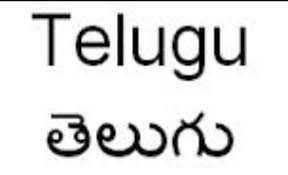
Official Language: Telugu

Telugu is the official language of Andhra Pradesh and holds a significant place in the state's cultural and administrative landscape. Often referred to as the "Italian of the East" due to its melodic nature, Telugu is one of the six classical languages of India. It is widely used in government proceedings, education, and media. The majority of the state's population communicates in Telugu, making it a unifying force among its residents. 

Tribal Languages

Andhra Pradesh is home to several tribal communities, each with its own linguistic traditions. Prominent tribal languages include Gondi, Koya, Savara, and Konda Dora. These languages are primarily spoken in the tribal-dominated regions, such as the districts of Visakhapatnam, Srikakulam, and East Godavari. 

The Gondi language, spoken by the Gond tribe, is one of the most widespread tribal languages in the state. Koya, another major tribal language, is spoken by the Koya community and is part of the Dravidian language family. Although these languages are predominantly oral, efforts have been made to document and preserve them through initiatives by local and national organizations. 

Other Languages

Apart from Telugu and tribal languages, a variety of other languages are spoken in Andhra Pradesh due to historical and cultural influences. 

Urdu: Urdu has a notable presence, especially in urban areas with significant Muslim populations, such as Vijayawada and Guntur. It is used in daily communication, religious practices, and cultural events. 

Hindi: As the national language of India, Hindi is understood and spoken by a segment of the population, particularly in urban centers and among migrant communities. 

Tamil and Kannada: Due to the state's geographical proximity to Tamil Nadu and Karnataka, Tamil and Kannada are spoken in border regions. These languages serve as a bridge for inter-state communication and cultural exchange. 

English: English is widely used for official purposes, education, and business. It serves as a link language, especially in metropolitan areas and among the younger generation. 

Oriya: In the northern districts bordering Odisha, Oriya is spoken by a small section of the population, highlighting the cultural ties between the two states. 

The linguistic diversity of Andhra Pradesh is a reflection of its rich cultural tapestry. While Telugu remains the cornerstone of the state's identity, tribal and other languages add to its vibrant linguistic landscape. This multilingual environment not only fosters inclusivity but also underscores the importance of preserving the linguistic heritage of Andhra Pradesh.

Monday, 23 September 2024

Lamani Language


The Lamani language, also known as Lambani or Banjara, is the traditional language of the Banjara or Lamani community, primarily found in parts of India. Rooted in a rich cultural heritage, the language plays an essential role in preserving the identity of the community. Although Lamani is not widely spoken outside of its native groups, it holds deep historical and cultural importance for the Banjaras.


Historical Background of Lamani Language

The Lamani language has ancient roots, believed to have developed as the Banjaras migrated across different regions of India. The Banjaras, historically a nomadic tribe, are thought to have originated from Rajasthan and migrated to various parts of the Indian subcontinent, including Karnataka, Maharashtra, Andhra Pradesh, and Madhya Pradesh. Their nomadic lifestyle influenced the development of Lamani, as they borrowed words and linguistic structures from the various languages they encountered during their travels. 

Lamani is primarily an oral language, with very little written literature. Its structure and vocabulary have evolved over centuries, incorporating elements from Hindi, Gujarati, Kannada, Marathi, and Telugu. Despite these influences, the Lamani language has maintained its distinct identity, serving as a unique reflection of the community's migratory history and adaptation to diverse linguistic environments. 

Linguistic Features

Lamani belongs to the Indo-Aryan language family, which includes Hindi, Gujarati, and Marathi, among others. While it shares some vocabulary and grammatical elements with these languages, it is distinctive in its syntax, pronunciation, and expressions. Due to the influence of multiple languages, Lamani exhibits a high degree of linguistic flexibility, allowing speakers to adapt depending on the region they inhabit. 

The language is typically passed down orally through generations, and it has largely remained an unstandardized dialect. This lack of formalization has led to variations in the language across different regions. For example, the Lamani spoken in Karnataka may differ slightly from the version spoken in Maharashtra, primarily due to local linguistic influences. 

Cultural Significance

For the Banjara community, the Lamani language is not merely a means of communication but an integral part of their cultural heritage. It is closely linked to their customs, traditions, and folklore. Many traditional songs, dances, and stories of the Banjaras are passed down in Lamani, preserving the community's history and way of life. 

Lamani is particularly prominent in Banjara folk music and dance, which are vital aspects of their cultural expression. The language is used in traditional songs, such as "Lavani" and "Lambadi," which recount stories of love, migration, and the community’s nomadic past. These performances serve as a vital link between the present generation and their ancestors, ensuring the survival of their unique cultural practices. 

Efforts to Preserve Lamani

The Lamani language faces challenges in modern times, primarily due to the community's gradual shift towards more widely spoken regional languages. Many younger Banjaras are now more fluent in languages such as Kannada, Telugu, or Hindi, which has led to a decline in the use of Lamani. However, efforts are being made to preserve the language and its cultural significance. Various cultural organizations and community leaders are working to document the language, promote its use in schools, and encourage younger generations to take pride in their linguistic heritage. 

The Lamani language remains a significant aspect of the Banjara community's cultural identity. Its rich history, combined with its role in preserving traditional customs and stories, makes it an essential part of India's linguistic and cultural diversity. While the language faces challenges in modern times, ongoing efforts to promote its preservation are crucial to ensuring its survival for future generations.

Kuvi Language

Kuvi is a Dravidian language primarily spoken by the Kondh tribes in the eastern part of India, particularly in the states of Odisha and Andhra Pradesh. As a significant part of the South-Central Dravidian subgroup, Kuvi holds a prominent place among the tribal languages of India. Despite the growing influence of dominant regional languages, Kuvi remains an integral part of the Kondh community’s cultural identity and heritage.


Historical Background of Kuvi

The roots of Kuvi language can be traced back to the ancient Dravidian family of languages, which predates the Indo-Aryan linguistic influence in India. Historically, Kuvi developed alongside other tribal languages in the region, such as Kui, another language spoken by the Kondh tribe. The two languages, though related, have evolved distinctly over time, with Kuvi maintaining its unique grammatical structure and vocabulary. 

Kuvi has been passed down orally through generations. Due to the tribal nature of the Kuvi-speaking communities, written records of the language are limited. However, efforts by linguists and cultural organizations in recent decades have led to the documentation and preservation of Kuvi, particularly through educational programs aimed at promoting its use among younger generations. 

Geographic Distribution

Kuvi is predominantly spoken in the districts of Rayagada, Koraput, and Kandhamal in Odisha, as well as parts of northern Andhra Pradesh. The speakers of Kuvi are primarily members of the Kondh tribe, which is recognized as a Scheduled Tribe by the Indian government. Although there are several thousand speakers of Kuvi, the language is categorized as vulnerable by UNESCO due to the influence of dominant regional languages like Odia and Telugu. 

Cultural Significance of Kuvi

The Kuvi language is deeply intertwined with the social and cultural fabric of the Kondh community. It serves as a medium through which traditional knowledge, customs, and values are transmitted across generations. Folktales, songs, and rituals in Kuvi reflect the tribe’s connection to nature and their ancestral traditions. 

Festivals and ceremonies, particularly those related to agriculture and the Kondh community's indigenous belief systems, are conducted in Kuvi, highlighting its role in preserving cultural continuity. The language is also used in oral storytelling traditions, which serve as a repository of the tribe’s collective memory and experiences. 

Challenges and Preservation Efforts

The Kuvi language faces several challenges, most notably the growing dominance of regional languages and the increasing trend of migration to urban areas, where children are exposed to other languages. This shift has resulted in the younger generation gradually losing fluency in Kuvi, posing a threat to the language's survival. 

However, there have been efforts to revitalize the language, especially through educational initiatives in tribal areas. Schools have started incorporating Kuvi in their curricula, and local organizations are promoting literacy in the language. Additionally, the creation of Kuvi dictionaries and the translation of important documents into the language are contributing to its preservation.

 Kuvi stands as a testament to the linguistic diversity of India and the resilience of indigenous languages. Its historical roots, cultural significance, and the ongoing efforts to preserve it highlight the importance of safeguarding such languages for future generations. Although it faces challenges, Kuvi continues to be a symbol of the Kondh community’s heritage and identity.

Saturday, 21 September 2024

Kharia Language


The Kharia language is one of the lesser-known indigenous languages of India, primarily spoken by the Kharia tribe in the eastern part of the country. It belongs to the Munda branch of the Austroasiatic language family, which is one of the oldest language families in South Asia. Despite facing challenges of language preservation and declining numbers of speakers, Kharia continues to be an essential part of the cultural identity of its speakers. 

Historical Background

The origins of the Kharia language are rooted in the Munda linguistic group, which has existed in India for thousands of years. Scholars believe that the Munda-speaking people, including the Kharias, were among the original inhabitants of the Indian subcontinent before the arrival of Indo-European-speaking groups. The Kharia language, like other Munda languages, has evolved over centuries, influenced by the dominant languages around it, such as Odia, Hindi, and Bengali. 

The linguistic history of Kharia is marked by oral traditions. For centuries, the language was passed down through generations in spoken form, making it integral to the tribe's storytelling and cultural rituals. However, with the increasing influence of regional and national languages, the use of Kharia in everyday communication has diminished, and its survival is now threatened. 

Structure and Linguistic Features

Kharia is an agglutinative language, meaning it forms words by stringing together morphemes (the smallest units of meaning). This structure is a typical characteristic of many Munda languages. The language has a rich verb system and relies heavily on suffixes to indicate tense, aspect, mood, and voice. 

One of the key features of Kharia language is its distinct phonology, with several sounds that do not exist in Indo-European languages. The tonal quality of the language also sets it apart, adding a melodic complexity that is unique to its linguistic identity. Additionally, Kharia has a system of numerals, kinship terms, and words for local flora and fauna, which reflect the tribe's deep connection with nature. 

Cultural Significance

The Kharia language plays a crucial role in preserving the tribe's cultural heritage. It is not merely a tool for communication but a repository of the tribe’s collective memory, customs, and traditions. Much of the tribe’s folklore, songs, and religious practices are expressed in Kharia, allowing for the transmission of cultural values from one generation to the next. 

Rituals and festivals are an essential part of Kharia culture, and many of these practices are carried out in the native language. Festivals like Sarhul, which celebrates the worship of nature and fertility, involve songs and prayers in Kharia. This connection between language and tradition reinforces the significance of the language in maintaining the tribe’s unique identity. 

Current Status and Preservation Efforts

Despite its historical and cultural importance, the Kharia language is classified as vulnerable by UNESCO. The growing dominance of regional languages and Hindi in formal education, media, and administration has led to a steady decline in the number of Kharia speakers. Many younger members of the tribe are more comfortable in these dominant languages, further endangering the survival of Kharia. 

Efforts to preserve Kharia are underway through language documentation, the promotion of bilingual education, and community initiatives to encourage the use of the language in daily life. Linguists and cultural activists are working together to record oral histories, create dictionaries, and develop learning resources in Kharia to prevent its extinction. 

The Kharia language is a vital part of the cultural fabric of the Kharia tribe. Though facing significant challenges, it remains a key element of the tribe’s identity and heritage. With ongoing preservation efforts, there is hope that the language will continue to thrive and be passed down to future generations.

Friday, 20 September 2024

Toda Language


The Toda language is an ancient Dravidian language spoken by the Toda people, a pastoralist tribe residing in the Nilgiri Hills of Tamil Nadu, India. With an estimated speaker population of about 1,500 people, it is classified as a critically endangered language. The Toda community, though small in number, has a rich cultural heritage, and their language plays a pivotal role in preserving their identity and traditions. 

Scholars believe that the Toda language, along with other closely related Dravidian languages, may have developed several thousand years ago. Its roots trace back to Proto-Dravidian, making it one of the oldest linguistic systems in South Asia. While there are linguistic similarities between Toda and other Dravidian languages like Tamil and Kannada, it remains distinct with its own unique grammar, phonology, and vocabulary. The language's isolation in the Nilgiri Hills has contributed to its preservation, but this geographical seclusion has also limited its interaction with mainstream languages, making it vulnerable to decline. 

Linguistic Characteristics

Toda is known for its complex phonetic structure. One of its distinguishing features is the presence of retroflex sounds, which are also common in other Dravidian languages but are particularly prominent in Toda. The language is tonal, a characteristic that sets it apart from most Dravidian languages. Toda also has a rich system of vowel contrasts and a range of consonant clusters, making it phonetically diverse. 

The language lacks a formal written script, which has posed challenges for its documentation and preservation. Traditionally, Toda was an oral language, passed down through generations via folklore, songs, and rituals. This oral tradition remains an integral part of the Toda community's cultural fabric, though modern efforts have been made to transcribe the language using the Tamil or Roman scripts for educational purposes. 

Cultural Significance

Toda language is more than just a means of communication; it is a repository of the Toda people's cultural and spiritual life. Their language is deeply intertwined with their rituals, religious beliefs, and pastoral lifestyle. The Toda community practices a unique form of dairy-based pastoralism, with buffalo herding playing a central role in their economy and religion. Toda language captures the nuances of this lifestyle, with a vast vocabulary related to buffaloes, dairy products, and the natural environment of the Nilgiris. 

The Toda people have a rich tradition of songs, prayers, and chants, many of which are performed in their native language. These oral traditions serve as vehicles for passing down religious myths, historical events, and moral values from one generation to the next. The songs, in particular, often reference the sacred landscape of the Nilgiri Hills, further cementing the connection between the Toda language and their environment. 

Preservation Efforts

In recent years, there have been various initiatives aimed at preserving the Toda language. Linguists and anthropologists have worked closely with the Toda community to document the language through audio recordings, dictionaries, and grammatical studies. There are also efforts to introduce Toda language education in local schools and among younger generations to ensure its survival. 

Given its critically endangered status, the preservation of the Toda language is crucial not only for the community but also for linguistic diversity as a whole. The loss of the Toda language would mean the loss of a significant part of the world’s cultural heritage. Therefore, continued efforts in language documentation and revitalization are essential to protect this valuable linguistic resource. 

The Toda language stands as a testament to the rich cultural and linguistic heritage of the Toda people. Despite its endangered status, it remains a vital link to the community's past and a symbol of their unique identity. Preserving this ancient language is essential to maintaining the cultural diversity of India and safeguarding the traditions of the Toda people for future generations.

Origin of Indian Languages


India, known for its rich linguistic diversity, is home to several ancient languages that have evolved over centuries. These languages are a reflection of the country’s complex cultural history, shaped by migrations, invasions, and regional developments. Indian languages can be broadly categorized into two major families: Indo-Aryan and Dravidian, with additional influences from Tibeto-Burman and Austroasiatic languages. 

Indo-Aryan Languages: Roots in Sanskrit

The Indo-Aryan language family, the largest in India, is believed to have originated around 1500 BCE with the arrival of the Aryans in the Indian subcontinent. Sanskrit, the classical language of ancient India, served as the foundation for this linguistic group. Sanskrit’s influence is profound, not only as the liturgical language of Hinduism, Buddhism, and Jainism but also as the root of many modern languages such as Hindi, Bengali, Marathi, and Gujarati. 

Sanskrit’s linguistic structure, phonetics, and grammar influenced the development of Prakrits, which were vernacular dialects spoken by ordinary people. Over time, these Prakrits evolved into distinct regional languages. By the medieval period, these languages had further diversified, giving rise to the many Indo-Aryan languages spoken in northern and central India today. 

Dravidian Languages: An Ancient Southern Legacy

The Dravidian language family represents the oldest linguistic tradition in southern India. The origins of Dravidian languages date back to prehistoric times, with Tamil being one of the oldest recorded languages. Evidence of Tamil writing can be traced to around 500 BCE, with its literature flourishing during the Sangam period. Other prominent Dravidian languages include Telugu, Kannada, and Malayalam, all of which developed rich literary traditions over the centuries. 

The Dravidian languages, unlike the Indo-Aryan family, have a separate linguistic structure and vocabulary, although centuries of interaction between the two language families have resulted in mutual influences. The distinctiveness of Dravidian languages is a crucial aspect of the cultural identity of southern India, where language and ethnicity often intertwine. 

Other Language Families: Austroasiatic and Tibeto-Burman Influence

India's linguistic diversity extends beyond the Indo-Aryan and Dravidian languages. The Austroasiatic language family, represented by languages such as Santali and Mundari, is primarily spoken by indigenous communities in central and eastern India. These languages are among the earliest known in the Indian subcontinent, predating even the Dravidian languages in some regions. 

The Tibeto-Burman family, found in the northeastern states of India, adds another layer to the country's linguistic mosaic. Languages like Manipuri, Bodo, and Naga dialects share affinities with languages spoken in Tibet, Myanmar, and Southeast Asia, reflecting historical connections between these regions. 

Cultural Significance of Indian Languages

The languages of India are not just means of communication but are deeply intertwined with the country’s culture, traditions, and identity. Classical languages like Sanskrit and Tamil are revered for their literary, philosophical, and religious contributions. Regional languages, with their distinct literature, folk traditions, and oral histories, are vital in preserving local cultures and heritage. 

The Indian Constitution recognizes 22 official languages, underscoring the linguistic diversity that has shaped the nation. Each language carries its own historical and cultural significance, reflecting the pluralistic nature of Indian society. 

The origin of Indian languages is rooted in the country’s ancient history, with Indo-Aryan, Dravidian, Austroasiatic, and Tibeto-Burman languages contributing to its rich linguistic tapestry. These languages have not only shaped communication but have also played a pivotal role in preserving the diverse cultural heritage of India. Understanding the history and significance of Indian languages offers a deeper insight into the country’s multifaceted identity.


Thursday, 19 September 2024

East Indian Languages

East India, comprising states like West Bengal, Odisha, Bihar, Jharkhand, and Assam, is home to a diverse range of languages. The region's linguistic variety stems from its historical interactions with different cultures, leading to the development of languages from several families. The primary languages spoken in East India include:


Bengali: Spoken predominantly in West Bengal and parts of Assam, Bengali is one of the most widely spoken languages in the region and has official status in Bangladesh.

Odia: The official language of Odisha, Odia has ancient roots and boasts a rich literary tradition.

Assamese: Predominantly spoken in Assam, Assamese is an Indo-Aryan language with a significant number of speakers.

Maithili: A widely spoken language in Bihar, Maithili holds an important place in the cultural fabric of the region.

Santali: A significant tribal language in Jharkhand and parts of West Bengal and Odisha, Santali belongs to the Austroasiatic language family. Santhali language uses Devanagari script.

These languages, along with many dialects, contribute to the region's linguistic richness. 

Historical Background

The history of East Indian languages reflects the region's dynamic interactions with various civilizations over the centuries. Bengali, for example, developed from the Magadhi Prakrit, a language spoken in ancient India around the time of the Magadhan Empire. It evolved through several phases, including Old Bengali (10th-12th centuries) and Middle Bengali (13th-18th centuries), before reaching its modern form. 

Odia has its roots in the 10th century, developing from early Indo-Aryan languages and showing influence from Sanskrit. Assamese, similarly, originated from the Kamarupi Prakrit and evolved over time through various dialectical influences. The Santali language, in contrast, belongs to the Munda group of languages and has a deep connection to the indigenous tribal culture of the region. 

Literature and Literary Traditions

East Indian languages have a rich literary history. Bengali literature, one of the oldest and most developed, reached new heights during the medieval period with the works of poets like Chandidas and Jayadeva. The modern era saw a literary renaissance with figures like Rabindranath Tagore, who became the first non-European Nobel laureate in literature. 

Odia literature traces back to the 12th century with texts like Charyapada, which marked the beginning of Odia poetry. The 16th century witnessed the growth of devotional literature, particularly with the works of Jagannath Das and his Bhagabata. 

Assamese literature boasts a long tradition, starting from the 13th century with the rise of devotional and narrative poetry. Sankardev, a key figure in Assamese literature, contributed greatly to the development of religious literature. Similarly, Santali literature has a rich oral tradition, with tribal folklore and stories passed down through generations, though written literature in Santali began to flourish only in the 19th century. 

Cultural Significance

Languages in East India play a critical role in preserving and transmitting the region's cultural heritage. Bengali, for example, is deeply intertwined with the region's artistic, literary, and religious traditions. Celebrations like Durga Puja, an integral part of Bengali culture, often involve poetry, music, and drama in the Bengali language. 

Odia language and culture are closely tied to the Jagannath Temple in Puri, with Odia literature and music reflecting the region's religious devotion. Assamese culture is similarly linked to the Vaishnavite tradition, and language is a key part of religious festivals and customs. 

Santali, spoken by many indigenous tribes, holds cultural importance in preserving tribal folklore, rituals, and traditions. The language helps sustain a connection to the indigenous way of life and remains an integral part of tribal identity. 

East Indian languages are a testament to the region's rich historical, literary, and cultural diversity. With centuries of development, these languages continue to play a central role in shaping the cultural and social identity of the region, preserving a legacy that spans generations.


Modern Indian Languages

India, with its rich linguistic diversity, is home to numerous modern languages that have evolved over centuries. These languages, rooted in ancient traditions, have developed their own literature and play a significant role in the country’s socio-cultural fabric. Understanding the history, literary contributions, and the cultural significance of modern Indian languages sheds light on their continuing importance in contemporary India.


Historical Evolution of Modern Indian Languages

Modern Indian languages have their origins in ancient language families, primarily the Indo-Aryan and Dravidian groups. The Indo-Aryan languages, such as Hindi, Bengali, and Marathi, are derived from Sanskrit, which itself is part of the larger Indo-European language family. Dravidian languages, including Tamil, Telugu, Kannada, and Malayalam, have distinct roots that trace back to the ancient civilizations of South India. 

During the medieval period, the interaction between local dialects and Persian, particularly in northern India, gave rise to languages such as Urdu. The colonial era also played a critical role in shaping modern Indian languages, with English becoming a widely spoken and influential language, especially in education and administration. The post-independence period saw the formal recognition of multiple languages in the Indian Constitution, solidifying their status and usage. 

Contributions to Literature

The literary heritage of modern Indian languages is vast and varied. Each language has produced a rich body of classical and modern literature, contributing to India’s overall literary tradition. For instance, Tamil boasts a long history of classical literature, with works like Thirukkural standing as timeless examples of moral and ethical writing. 

Bengali literature, with its renaissance in the 19th century, produced figures such as Rabindranath Tagore, who won the Nobel Prize for Literature. Hindi literature has also been pivotal, particularly in the 20th century, with writers like Premchand offering a realistic portrayal of rural India.

Other languages, such as Kannada, Telugu, and Malayalam, have equally contributed to India’s literary tapestry. Writers in these languages have received national and international recognition for their works, reflecting both regional concerns and universal themes. Modern Indian literature continues to evolve, addressing contemporary issues through novels, poetry, drama, and short stories. 

Usage in Contemporary Society

Modern Indian languages are widely used in various domains of life, from education and administration to media and entertainment. Hindi, for example, is the official language of India and serves as a lingua franca across much of the country. It is used extensively in government, film, and popular culture. 

Regional languages also play an important role, especially in states where they are the primary medium of communication. For example, Tamil is the dominant language in Tamil Nadu, while Marathi is the main language spoken in Maharashtra. These languages are often used in state-level governance, media, and education systems. 

English, while not an indigenous language, remains important in India’s multilingual society. It is the medium of instruction in many higher education institutions and is widely used in business and official communication. 

Marwari language is widely spoken in Rajasthan as well as its adjacent states. Marwari vocabulary is similar to that of other Western Indo-Aryan languages, especially with Rajasthani and Gujarati. There are approximately 12,104,000 Marwari speakers in India.

Cultural Significance

The cultural significance of modern Indian languages cannot be overstated. They are not merely tools for communication but are deeply tied to the identity and heritage of their speakers. Language is a vehicle for the transmission of traditions, customs, and cultural values, playing a central role in festivals, rituals, and artistic expressions. 

Furthermore, modern Indian languages foster unity in diversity by enabling different regions to maintain their distinct identities while contributing to the broader Indian cultural mosaic. In a country as linguistically diverse as India, these languages act as a bridge, preserving regional cultures while also promoting national integration. 

Modern Indian languages, with their deep historical roots, rich literary traditions, and wide-ranging uses, are an integral part of India’s cultural and social landscape. Their ongoing relevance in literature, education, governance, and daily life underscores their vital role in shaping both individual identities and the collective ethos of the nation.

Wednesday, 18 September 2024

Bhoti Language in India


The Bhoti language, also known as Ladakhi, holds a vital place in the cultural and linguistic landscape of the Indian Himalayas. Spoken primarily in the Ladakh region of northern India, it is a Tibetan-Burman language closely related to Classical Tibetan. With deep historical roots, a rich literary tradition, and immense cultural significance, Bhoti plays an essential role in preserving the heritage of the Ladakhi people.


Historical Background of Bhoti Language

The origins of the Bhoti language can be traced back to the 7th century when Ladakh's historical connections with Tibet were solidified through trade, religion, and political alliances. Bhoti evolved alongside Classical Tibetan, incorporating elements of the local dialects of Ladakh. As Ladakh was historically part of the broader Tibetan cultural sphere, Bhoti shares similarities with other Tibetan dialects spoken across the Himalayan region, including in Bhutan and Nepal. 

Over the centuries, Bhoti has played a key role in the transmission of Tibetan Buddhism in Ladakh, as the region became a significant center for Buddhist teachings. Monasteries and religious institutions helped preserve and propagate the language through sacred texts and oral traditions. Despite political shifts and changing borders, Bhoti has remained a primary means of communication in Ladakh and is integral to the region’s identity. 

Literary Tradition in Bhoti

The Bhoti language has a robust literary tradition deeply intertwined with Buddhist teachings. Most early written works in Bhoti were religious texts, with translations from Classical Tibetan playing a pivotal role in the spread of Buddhist philosophy. Many of these texts, preserved in monasteries, serve as important documents of Buddhist heritage, guiding spiritual life in Ladakh. 

Bhoti literature is also rich in folklore, poetry, and narratives that reflect the customs and beliefs of Ladakh’s inhabitants. Oral storytelling traditions in Bhoti have been a significant way of passing down knowledge, history, and moral lessons across generations. In recent times, the language has also found expression in modern literary forms, with Ladakhi writers using Bhoti to explore contemporary issues, social changes, and environmental concerns. 

Efforts to standardize Bhoti in the written form have been made in recent decades, with scholars and linguistic experts working to develop textbooks and formalized grammar rules to support education in the language. This has helped sustain Bhoti as an academic subject, ensuring that it continues to be taught to younger generations in Ladakh. 

Cultural Significance of Bhoti Language

Bhoti language is more than just a medium of communication; it is a key element of Ladakhi culture and identity. Language plays a fundamental role in shaping Ladakh's cultural practices, including its festivals, rituals, and social interactions. The use of Bhoti in religious ceremonies, particularly in monasteries, remains central to preserving the region’s Buddhist heritage. 

The language also reinforces a sense of unity and belonging among Ladakhi people, especially in the face of modern influences and globalization. For many, Bhoti represents a connection to their ancestors and the unique traditions that have been passed down through generations. As the region experiences increasing tourism and modernization, preserving Bhoti has become even more crucial in maintaining Ladakh’s distinct cultural identity. 

In addition, Bhoti has gained recognition in the Indian Constitution as a part of the Sixth Schedule, which seeks to protect and promote regional languages in the country. Advocacy for the inclusion of Bhoti in local education systems and media has grown in recent years, reflecting a collective effort to safeguard the linguistic and cultural heritage of Ladakh. 

The Bhoti language is a vital link to the historical, literary, and cultural traditions of Ladakh. With roots that stretch back centuries, its role in religious and literary expression is profound, while its cultural significance remains central to the identity of Ladakhi people. Efforts to preserve and promote Bhoti are essential to ensuring that this rich linguistic tradition continues to thrive in the modern world.

North Indian Languages

North Indian languages form a significant part of the linguistic diversity in India, shaped by centuries of history, literature, and cultural interactions. These languages, primarily derived from the Indo-Aryan language family, have evolved through the influence of various dynasties, conquests, and socio-political changes, making them an essential aspect of India's rich cultural heritage.


Historical Evolution of North Indian Languages

The history of North Indian languages can be traced back to the Indo-European language family, specifically the Indo-Aryan branch, which arrived in India around 1500 BCE with the migration of the Aryans. Sanskrit, one of the earliest recorded languages in the region, served as the foundation for many later languages. The development of classical Sanskrit during the Vedic period (1500 BCE – 500 BCE) laid the groundwork for the linguistic structure of North Indian languages. 

In the following centuries, Prakrit languages emerged as vernacular forms of Sanskrit, spoken by the common people. During the medieval period, the interaction between Prakrit, local dialects, and foreign influences, such as Persian and Arabic, further contributed to the evolution of languages like Hindi, Punjabi, and Urdu. These languages continued to evolve through literary developments, religious texts, and regional variations, creating a diverse linguistic landscape in North India. 

Literary Contributions of North Indian Languages

The literature of North Indian languages is vast and diverse, reflecting the region’s cultural, social, and religious history. Sanskrit literature, encompassing ancient texts such as the Rigveda and epics like the Mahabharata and Ramayana, is the earliest example of the literary tradition in the region. These texts have had a profound impact on religious and philosophical thought, not only in India but globally. 

As languages like Hindi and Urdu developed, they gave rise to rich literary traditions in the medieval and modern periods. Hindi literature flourished with poets like Kabir and Tulsidas, whose works remain central to the cultural ethos of North India. Kabir’s Dohe (couplets) and Tulsidas’ Ramcharitmanas are considered literary masterpieces, blending spirituality, social values, and devotion in a language accessible to the masses. 

Urdu, with its roots in Persian and Arabic, has produced significant literary contributions, particularly in poetry. The works of poets like Mirza Ghalib and Allama Iqbal have enriched Urdu literature, making it a significant medium for expression in North India. Punjabi literature, with its focus on spiritual and social themes, also made contributions through the works of Sikh Gurus, particularly Guru Nanak, whose verses form the core of the Guru Granth Sahib. 

Cultural Significance of North Indian Languages

The languages of North India are not merely tools for communication but also bearers of cultural identity and heritage. Language plays a critical role in regional festivals, music, dance, and other cultural expressions. Hindi, for instance, is the official language of India and serves as a link language for millions of people in North India. It has become a symbol of national unity while reflecting the diversity of dialects and local cultures across different states. 

Punjabi, spoken primarily in the Punjab region, carries the legacy of Sikhism and is closely tied to the cultural practices, festivals, and traditions of the Sikh community. Urdu, historically associated with the Mughal courts, continues to be a language of poetry, art, and refinement, especially in urban centers of North India. 

The North Indian languages, shaped by historical evolution, have made significant contributions to Indian literature and culture. From ancient Sanskrit to the modern vernaculars like Hindi, Punjabi, and Urdu, these languages continue to preserve the region’s cultural richness and diversity. Their literature and cultural significance remain integral to the identity and heritage of North India.

Tuesday, 17 September 2024

Sadri Language


Sadri, a language spoken primarily in the eastern regions of India, holds significant historical and cultural importance. It is a prominent part of the linguistic landscape of states like Jharkhand, Odisha, Bihar, and West Bengal. This language serves as a vital means of communication among the Adivasi (tribal) communities, especially the Sadan, Munda, and Oraon tribes. Its widespread use in both rural and semi-urban settings highlights its enduring relevance. 

Historical Background

The origins of the Sadri language can be traced back to the cultural exchanges among various tribes in eastern India. Historically, Sadri emerged as a contact language between the Indo-Aryan-speaking people and the Austroasiatic-speaking Munda tribes. As a result, it developed as a creole language, blending elements from both linguistic traditions. 

Over time, Sadri grew in prominence as a lingua franca for trade, inter-tribal communication, and agricultural activities. It was not just a spoken language but also a crucial tool for maintaining social and economic ties between different ethnic groups. With the advent of colonialism and the subsequent socio-political changes in the region, Sadri further expanded its reach as more people began using it in everyday communication. 

Linguistic Characteristics

Sadri belongs to the Indo-Aryan family of languages. It shares several grammatical and syntactic features with its linguistic relatives, such as Hindi and Bengali, while maintaining a distinct phonetic and lexical identity influenced by the Austroasiatic languages. 

The structure of Sadri is relatively simple, with subject-object-verb word order, making it accessible to speakers of other Indo-Aryan languages. Its vocabulary reflects the agricultural and rural lifestyle of the communities that speak it, with numerous terms related to farming, local flora and fauna, and traditional customs. 

Cultural Significance

Sadri plays a vital role in preserving the cultural heritage of the Adivasi communities. It is the primary medium for oral traditions, including folk songs, stories, and rituals that have been passed down through generations. Festivals, weddings, and other social gatherings are often accompanied by Sadri songs and performances, which reinforce the community's cultural identity. 

Additionally, Sadri serves as a symbol of unity for various tribal groups. In regions where multiple tribal languages coexist, Sadri often functions as a common language, fostering mutual understanding and collaboration among different ethnic groups. It is also a vehicle for expressing collective grievances and aspirations, particularly during times of political mobilization. 

Current Status and Preservation Efforts

Despite its historical and cultural significance, the Sadri language faces challenges in the modern era. The dominance of major regional languages like Hindi and Bengali, coupled with the pressures of urbanization, has led to a decline in the use of Sadri, particularly among younger generations. In many areas, it is being replaced by more widely spoken languages in both formal and informal settings. 

However, efforts are being made to preserve and promote Sadri. Educational initiatives, cultural festivals, and linguistic research aim to revitalize the language. Community-led efforts have also gained momentum, as people seek to document oral histories, songs, and traditions in Sadri, ensuring that future generations retain a connection to their linguistic and cultural roots. 

Sadri is more than just a means of communication; it is a reflection of the rich cultural history of the Adivasi communities in eastern India. While it faces challenges in the contemporary world, ongoing efforts to preserve and promote the language highlight its continued importance.

History of Marathi Language


The Marathi language, one of India's oldest and most prominent languages, holds a significant place in the country's cultural and literary heritage. Spoken primarily in the state of Maharashtra, Marathi has evolved over centuries, developing a rich literary tradition and playing a crucial role in the region's history.

Origins and Evolution

Marathi language belongs to the Indo-Aryan language family, tracing its roots back to the Prakrit languages spoken in ancient India. It is believed that Marathi emerged from Maharashtri Prakrit, one of the primary Prakrit dialects spoken during the Satavahana dynasty (2nd century BCE to 3rd century CE). The transition from Prakrit to early Marathi is evident in various inscriptions and ancient records, showcasing the language's gradual evolution.


 The earliest known inscription in Marathi dates back to the 8th century CE in the form of the copper plate of Shilahara King Kapardi. This marked the beginning of Old Marathi, which would later evolve into Middle Marathi between the 13th and 17th centuries. Middle Marathi saw significant development under the influence of the Bhakti movement, with saints like Sant Dnyaneshwar and Sant Tukaram contributing to its literature and spiritual growth. 

Development of Marathi Literature

Marathi literature has a long and illustrious history, reflecting the socio-political and cultural dynamics of the region. Early Marathi literary works were deeply influenced by religion and spirituality, particularly during the Bhakti movement. Sant Dnyaneshwar's Dnyaneshwari, written in the 13th century, is considered one of the foundational texts of Marathi literature, offering a commentary on the Bhagavad Gita. 

The literature of the Bhakti movement focused on devotion, equality, and social justice, resonating with the masses. The 17th century saw the rise of warrior king Chhatrapati Shivaji Maharaj, who played a pivotal role in promoting Marathi as a language of administration and communication. This period also witnessed the growth of prose and poetry in Marathi, with works focusing on historical narratives and folklore. 

During the British colonial era, Marathi literature entered a new phase of modernization. Writers like Vishnushastri Chiplunkar, Lokmanya Tilak, and others used the language to inspire social reforms, promote education, and advocate for India's independence. The development of newspapers and periodicals in Marathi further enriched the language's literary output. 

Cultural Significance

Marathi is not just a means of communication but a significant cultural symbol for the people of Maharashtra. The language has played a crucial role in shaping the identity of the region, influencing its traditions, art forms, and festivals. From classical and folk music to theater and cinema, Marathi has served as a powerful medium for expressing the cultural ethos of Maharashtra.

The language's role in Maharashtra's political and social movements cannot be overstated. During the freedom struggle, Marathi newspapers and literary works were instrumental in mobilizing people against colonial rule. Post-independence, Marathi continued to flourish, with the establishment of institutions like the Sahitya Akademi promoting its literary and cultural heritage. 

The history of the Marathi language is a testament to its enduring legacy and cultural significance. From its ancient origins in Maharashtri Prakrit to its role in shaping modern Maharashtra, Marathi has evolved into a vibrant and dynamic language. Its rich literary tradition, coupled with its deep cultural roots, ensures that Marathi remains an essential part of India's linguistic heritage.

Monday, 26 August 2024

Folktales of Meghalaya


The northeastern state of Meghalaya in India is renowned for its rich cultural heritage, deeply rooted in oral traditions. Among the most significant aspects of this cultural legacy are the folktales passed down through generations. These narratives, often intertwined with the daily lives of the indigenous communities, not only serve as a means of entertainment but also play a crucial role in preserving the history, values, and beliefs of the people. This article delves into the historical and cultural significance of the folktales of Meghalaya.


Historical Significance

Folktales in Meghalaya have historically served as an essential vehicle for preserving the oral traditions of the state's indigenous tribes, particularly the Khasi, Garo, and Jaintia communities. Before the advent of written records, these stories were the primary means of passing down knowledge from one generation to the next. They encapsulated the wisdom, experiences, and historical events that shaped the community, ensuring that the younger generations remained connected to their roots. 

Reflection of Historical Events

Many folktales of Meghalaya also offer a glimpse into the region's past, reflecting historical events, migrations, and conflicts. For instance, stories of the Khasi Hills often recount the arrival of ancestors, the establishment of clans, and the battles fought to defend their land. These tales, while sometimes embellished with mythical elements, provide valuable insights into the historical landscape of Meghalaya and the experiences of its people. 

Cultural Significance

Folktales in Meghalaya are not merely stories; they are tools for imparting moral lessons and values. These narratives often revolve around themes of justice, bravery, loyalty, and respect for nature. Through the actions of characters, both human and supernatural, listeners are taught the importance of virtues such as honesty, humility, and compassion. In this way, folktales function as an informal educational system, guiding the community's ethical conduct. 

Preservation of Language and Dialects

The oral tradition of storytelling has also played a vital role in preserving the languages and dialects of Meghalaya's tribes. In a region with multiple languages, including Khasi, Garo, and Pnar, folktales have ensured that these languages remain vibrant and relevant. The use of indigenous languages in storytelling helps maintain linguistic diversity and allows for the continued transmission of cultural knowledge. 

Strengthening of Cultural Identity

Folktales contribute significantly to the cultural identity of the people of Meghalaya. By recounting tales of origin, mythical creatures, and supernatural occurrences, these stories reinforce a shared sense of belonging and continuity within the community. They serve as a link between the past and present, allowing individuals to connect with their heritage and understand their place within the broader cultural landscape. 

The folktales of Meghalaya are more than just stories; they are a vital part of the state's cultural and historical fabric. Through the preservation of oral traditions, the reflection of historical events, the transmission of moral values, and the strengthening of cultural identity, these narratives have played an indispensable role in shaping the community's collective consciousness. As modern influences continue to permeate traditional societies, the preservation and promotion of these folktales remain essential in ensuring that the rich cultural heritage of Meghalaya endures for future generations.

Saturday, 2 March 2024

Sora Language


Sora language, also known as Sora-Gorum, is a Dravidian language spoken by the Sora people, primarily residing in the Indian states of Odisha, Andhra Pradesh, and parts of Telangana. It is classified under the South-Central branch of the Dravidian language family. With a rich history and cultural significance, the Sora language serves as a vital link to the heritage and identity of its speakers. 

Originating from the Austroasiatic language family, Sora has undergone significant evolution over centuries, influenced by various linguistic and cultural interactions within the Indian subcontinent. The earliest traces of the Sora language can be found in ancient texts and inscriptions, reflecting its deep-rooted history within the region. Over time, it has developed into a distinct language with its own phonology, morphology, and syntax, while retaining some lexical and grammatical features characteristic of Dravidian languages. 

One of the defining characteristics of the Sora language is its diversity, manifested through dialectal variations across different regions inhabited by Sora communities. These dialectal differences are often influenced by geographical factors, historical migrations, and interactions with neighboring linguistic groups. Despite these variations, mutual intelligibility among speakers of different Sora dialects remains relatively high, facilitating communication and cultural exchange within the community. 

The history of the Sora language is closely intertwined with the socio-cultural dynamics of the Sora people. Traditionally, Sora communities have been primarily engaged in agriculture, hunting, and gathering activities, with their language serving as a medium of communication in everyday life. However, with the advent of modernization and urbanization, the traditional way of life among Sora communities has undergone significant changes, impacting the usage and vitality of the Sora language. 

Sora language faces several challenges that threaten its long-term viability as a tribal langauge. Socioeconomic factors, including poverty, lack of infrastructure, and limited access to educational opportunities, contribute to the marginalization of Sora-speaking communities, leading to language shift and endangerment. Additionally, external influences from dominant languages such as Odia and Telugu pose further challenges to the maintenance of linguistic identity among Sora speakers. 

Sora language represents a unique linguistic heritage that embodies the cultural richness and diversity of the Sora people. While facing challenges posed by modernization and socioeconomic disparities, efforts to preserve and promote the Sora language remain crucial for safeguarding the identity and heritage of Sora-speaking communities. Through collaborative endeavors aimed at language revitalization and community empowerment, the Sora language can continue to thrive as a symbol of cultural resilience and linguistic diversity in the Indian subcontinent.

Karbi Language


The Karbi language, also known as Arleng, is a Tibeto-Burman language spoken primarily by the Karbi people in the Karbi Anglong district of Assam, India, and in parts of Meghalaya, Nagaland, and Arunachal Pradesh. With a rich history and a significant presence in the northeastern region of India, the Karbi language stands as a testament to the linguistic diversity of the area. 

History and Origin

The exact origins of the Karbi language remain uncertain, but it is classified as a member of the Tibeto-Burman language family, which includes various languages spoken across the Himalayan region and Southeast Asia. Linguistic studies suggest that the Karbi language has ancient roots, possibly tracing back thousands of years.

As with many indigenous languages, the history of the Karbi language is closely intertwined with the cultural and historical developments of the Karbi people. Over the centuries, interactions with neighboring communities, migration patterns, and socio-political changes have influenced the language's evolution and shaped its present-day form. 

Diversity

One of the most notable aspects of the Karbi language is its remarkable diversity. Like many languages spoken in ethnically heterogeneous regions, Karbi has absorbed vocabulary and linguistic influences from neighboring languages such as Assamese, Bodo, and other Tibeto-Burman languages. 

Furthermore, within the Karbi community itself, linguistic variations exist based on geographical locations and historical factors. Dialectal differences can be observed among Karbi speakers from different villages or subgroups, although mutual intelligibility is generally maintained across these variations. 

The linguistic diversity of the Karbi language reflects the complex social dynamics and cultural heritage of the Karbi people. It serves as a marker of identity and belonging, fostering a sense of community among its speakers while also adapting to the changing realities of the modern world. 

Language Revitalization Efforts

Despite its historical significance and cultural importance, the Karbi, as a tribal language, faces various challenges in the modern era. Like many indigenous languages worldwide, Karbi is under threat from factors such as urbanization, globalization, and the dominance of majority languages. 

In response to these challenges, there have been concerted efforts by linguists, educators, and community leaders to revitalize and promote the Karbi language. Initiatives such as the development of educational materials, establishment of language immersion programs, and advocacy for language rights have been instrumental in preserving and safeguarding the linguistic heritage of the Karbi people. 

Karbi language occupies a unique position within the rich tapestry of languages spoken in the northeastern region of India. With its ancient roots, linguistic diversity, and ongoing efforts towards revitalization, Karbi stands as a testament to the resilience of indigenous languages in the face of modern challenges. 

As guardians of this linguistic heritage, it is incumbent upon both the Karbi community and society at large to recognize the value of linguistic diversity and to support initiatives aimed at preserving and promoting the Karbi language for future generations. Only through concerted efforts can we ensure that languages like Karbi continue to thrive and contribute to the cultural mosaic of our world.


Friday, 1 March 2024

Indo-Iranian Languages


The Indo-Iranian languages constitute a significant branch of the Indo-European language family, with a rich historical lineage and remarkable linguistic diversity. Spanning across vast geographical regions, from the Indian subcontinent to Iran and parts of Central Asia, these languages have played pivotal roles in shaping the cultural, political, and literary landscapes of the regions they inhabit. 

Historically, the roots of Indo-Iranian languages can be traced back to Proto-Indo-Iranian, a hypothetical language spoken around 2000 BCE on the Eurasian steppes. As Indo-Iranian speakers migrated and settled in different areas, linguistic divergence occurred, leading to the emergence of distinct languages within the branch. The oldest attested texts in Indo-Iranian languages are found in Vedic Sanskrit, the language of the ancient Indian scriptures known as the Vedas, dating back to the second millennium BCE. 

One of the major divisions within the Indo-Iranian branch is between the Indo-Aryan languages, primarily spoken in the Indian subcontinent, and the Iranian languages, predominant in Iran and neighboring regions. The Indo-Aryan languages include Hindi, Bengali, Punjabi, Gujarati, and others, collectively spoken by hundreds of millions of people. On the other hand, the Iranian languages comprise Persian, Pashto, Kurdish, and Tajik, among others, with Persian being the most widely spoken among them. 

Persian, also known as Farsi, stands out as one of the most influential languages in the history of the Indo-Iranian branch. With a rich literary tradition dating back over a millennium, Persian has been the language of courtly culture, poetry, and administration in various empires, including the Sassanian and Safavid dynasties. Renowned poets like Rumi, Hafez, and Ferdowsi have contributed significantly to Persian literature, earning it a place of prominence in world literature. 

Another notable Indo-Iranian language is Sanskrit, the ancient liturgical language of Hinduism and a precursor to many modern Indo-Aryan languages. Sanskrit served as the foundation for classical Indian literature, philosophy, and religious texts, including the epics Mahabharata and Ramayana, as well as the philosophical treatises of Patanjali and Panini. 

The Iranian languages, while sharing common historical and linguistic roots, exhibit considerable diversity in their phonology, morphology, and vocabulary. Persian, with its elegant poetic expressions and intricate grammatical structure, contrasts sharply with Pashto, renowned for its complex system of consonants and vowel sounds. Similarly, Kurdish, spoken by the Kurdish people across several countries, possesses unique dialectical variations influenced by geographical and historical factors. 

The Indo-Iranian languages have also undergone significant lexical borrowing and linguistic influences from neighboring language families, such as Turkic, Arabic, and Dravidian. This linguistic interaction has enriched the vocabulary and cultural expressions within the Indo-Iranian linguistic sphere, reflecting the dynamic nature of language evolution. 

In contemporary times, Indo-Iranian languages continue to thrive in diverse sociocultural contexts. Hindi, as the official language of India, serves as a unifying force among the country's multilingual population, while Persian maintains its significance as a literary and cultural language in Iran and parts of Central Asia. Pashto and Kurdish, spoken in Afghanistan and regions of the Middle East, respectively, play vital roles in the cultural identities of their speakers.

The Indo-Iranian languages encapsulate a rich tapestry of history, literature, and linguistic diversity. From the ancient hymns of the Vedas to the lyrical verses of Persian poetry, these languages bear witness to the enduring legacy of human expression and communication across millennia. Despite the passage of time and the influence of external forces, the Indo-Iranian languages continue to evolve, adapt, and resonate with the voices of millions worldwide.