Monday, 19 October 2020

Types of Meditation


Types of MeditationTypes of Meditation are numerous which assert to keep the mind calm and composed. The breath tends to become slow, deep and regular. The mind revolves about the continuous rhythm of inhalation and exhalation which provides a natural object of meditation. Meditation can be initiated with the simple process of breath watching. Yoga and meditation is associated with a direct correlation between one’s breath and one’s state of the mind.

Meditation is a method which is considered to be an ancient approach for achieving a peaceful mind and attaining concentrated mind. It is practised to achieve a mind-body connection and to realize specific developmental goals. This very method is considered to be about 4,000 years old and is present since the beginning of Yoga. There are many different types of meditation that are practiced at present. Thus, the benefits from number of different types of meditation are also felt. All meditation types are found to be effective in reducing stress. These methods eliminate stress by creating detachment. Meditation compliments the physical world as the final step in spirituality, and honours the problems of life as the stimuli of growth.

There are various types of meditation and they can be categorized into broader approaches.

Concentrative Meditation: Concentrative meditation is the form that mainly focuses the attention on the breath, on an image, or a sound (mantra), which can be a soothing music. Concentrative meditation is practised by sitting quietly and focusing the attention on the breath. It concentrates on opening up the mind, to sense the five given sagacity and allows the mind to achieve greater awareness and clarity.

Mindfulness Meditation: Mindfulness meditation involves in opening the attention to become aware of the continuously passing parade of sensations, feelings, images, thoughts, sounds, smells, touch and so on, without becoming involved with each of them. It is the process of watching the mind and simply witnessing whatever goes through the mind. Thus a non-reactive state of mind can be achieved.

Types of MeditationTranscendental Meditation: Transcendental meditation is a diverse type of meditation which is related to repetition of a specific sound or a mantra. This mantra or sound has to be repeated or practiced according to specific procedure. The mind is engrossed in settling down or is “transcended” and a state of restful alertness is experienced.

Saturday, 17 October 2020

Badminton in India


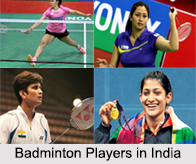
Badminton in India, Indian AthleticsBadminton is extensively played throughout India, although it lacks the recognition of games such as cricket. Indeed, the modern version of the game has its origins in Pune, when British army officers introduced the net and devised the first rules of the game. Tournaments at various levels including the state, regional and national level are held in India and a few Indian practitioners of the sport have attained international acclaim. Badminton is popular in the Indian states like Kerala, Tamil Nadu, West Bengal, Andhra Pradesh, Telangana and Mumbai.

History of Badminton in India
Records suggest that the modern version of the game was perhaps invented first in Pune, in the state of Maharashtra. British Army officers stationed in Pune, India, introduced the net, and devised the rules of play; the officers introduced the new sport in Britain during the early 1870s, where it came to be named Badminton, after the Badminton House in Gloucestershire.

Once British Army officers mastered the game of Badminton in India, they introduced it to Britain. The game was definitively launched in the year 1873, when the Duke of Beaufort hosted it at a lawn party in his residence, Badminton House, whence the game derived its modern name.

Badminton in India, Indian AthleticsIn India, the sport of badminton began as a recreational activity in certain elite clubs. It acquired an organizational structure in India around the 1920s, and in a decade's time tournaments were held at both the national and regional level.

The game is now ubiquitous in India, and the country has produced several world renowned players like Prakash Padukone and Chetan Anand, to name a few.

Indian Badminton Players
India has a strong badminton scene at the domestic level, which teems with young talents. These youngsters draw inspiration from legendary Indian badminton players like Prakash Padukone, Aparna Popat and Pullela Gopichand. Apart from these legends, India has also produced many top ranking players such as Saina Nehwal, Chetan Anand, Abhin Syam Gupta, Nikhil Kanetkar and Sachin Ratti.

For more click the link below:

Friday, 16 October 2020

Tourism in Karnataka


Tourism in Karnataka includes numerous nature, religious and the adventurous spots of tourist interest. Tourism in Karnataka offers its visitors a wide array of temples, forests and wild life, scenic beaches and historical monuments. All kind of travellers will find a suitable place for holidaying in the state of Karnataka. For nature, admirers there are beaches and hill stations. Wildlife sanctuaries are also scattered throughout the state. For those who want to indulge in adventure, the state provides many opportunities to try out several adventure sports. Being an Indian state, religion is an indispensable part of the culture of Karnataka. Hence, there are a number of temples and mosques in the state. Some of these are famous worldwide.


Pilgrimage Tourism in Karnataka
The state of Karnataka is a home to numerous pilgrimage centres. Temples are an integral part of pilgrimage tourism in Karnataka. The famous Virupaksha Temple in Hampi in Karnataka attracts religious pilgrims from different parts of the country. It is the main centre of pilgrimage at Hampi and has been considered the most revered over the centuries. Numerous devotees from all over the country come to the Virupaksha Temple to offer their prayers. The Omkareshwara temple in Madikeri in Karnataka is a holy place, which is flooded by devotees most of the time of the year. The Omkareshwara temple is dedicated to Lord Shiva. The Nandi Bull Temple, located in the capital city Bengaluru is occupied the whole time of the year with religious rituals and events held in the temple premises. The Iskcon temple in the city of Bengaluru is one of the most celebrated and sought after pilgrimage centres in Karnataka. The imposing temple compound, the supreme deities of Lord Krishna, Radha and the pious ambiance makes the pilgrimage one of the most sacred sites. This temple attracts pilgrims from national and international front every week. Muslims comprise majority part of population in Karnataka and as a result, there are several mosques. The Jumma Masjid, Jami Masjid, and the Military Masjid of Bengaluru are important religious centres for the Muslim devotees. The Jamiya mosque in Bijapur and the Ekminar mosque in Raichur District are among the other important Muslim pilgrimage centres in Karnataka. These religious places in the state of Karnataka are also renowned for their architectural marvel apart from their religious fervour.

Nature Tourism in Karnataka
Wildlife in Karnataka is a significant part of its tourism. The dense forest of Karnataka is a treasure trove of wild life. The interesting colourful birds, impressive flora varieties and abundant species of fauna comprise the Karnataka's forests and wildlife sanctuaries that have room for thousands of mammals, birds, reptiles and insects as well as several scarce species. Dandeli Wildlife Sanctuary is the largest wild life sanctuary of Karnataka. It is a home to some rare species of birds and animals. The sanctuary offers wildlife Jeep safaris, bird watching, fishing, coracle boat rides, trekking in the jungles of Dandeli Wildlife Sanctuary.

The Nagarhole National Park in southern Karnataka is an ideal locale for a wide variety of wildlife. Animals like four-horned antelope, sloth bear, jungle cat, spotted deer, flying fox, Royal Bengal Tiger, panther, Indian bison, bonnet macaque, and pangolin find a safe haven in this sanctuary. A trip to the Nagarhole national park in the dry seasons can be quite rewarding because wild animals can be spotted in large numbers near sources of water.

Bandipur National Park is a stunning forest reserve situated in the south Indian state of Karnataka. The region is well gifted in terms of foliage and vegetation that ranges from deciduous and evergreen forest covers to open grassy woodlands. The Cubbon Park in Bengaluru is an interesting tourist haunt. The vibrant flower beds, shady bowers and blossoming trees make it an ideal location for the visitors to spend some quality time in the lap of nature. The Brindavan garden near the city of Mysore in Karnataka is another major tourist attraction.

For more click the link below:

Thursday, 15 October 2020

Music Gharanas of Northern India


Music Gharanas of Northern IndiaMusic Gharanas of Northern India comprises of an organizational system of musicians or dancers following a particular style by lineage in northern part of the country. It also symbolizes a specific ideology of music. These musical ideologies changes from one Gharana to another. Compositions of a particular Gharana affect the thinking, performance and teachings of the music.

Agra Gharana
Agra Gharana is one of the most distinguished Music Gharanas of Northern India. A descendent of Nauhar Bani, this tradition of Hindustani classical vocal music was founded in the mid-19th century. Nayaka Gopala is the first renowned musician of this Gharana. Previously only Dhrupad-Dhamar style was prevalent in this Gharana but later Khayal style was also incorporated in it by Ustad Ghagghe Khudabuksh. The gayaki or characteristic of the compositions of this Gharana are the amalgamation of Dhrupad-Dhamar and Khayal. Tom-alaap usually marks the commencement of the performances and other compositions include Thumri, Tarana, Tappa, Dadra, Hori, Ghazal, Rasiya, Kaul etc.

Kirana Gharana
Among Hindustani Khayal Gharanas, Kirana Gharana is a prominent one. The famous Dhrupad singer, Gopal Nayak, founded this Gharana in the 13th century. Gopal Nayak belonged to Shamli district of Uttar Pradesh. The epitomes of this Gharana are Bhimsen Joshi, Abdul Wahid Khan, Ameer Khan and Abdul Karim Khan. In course of time, Karnataka and Maharashtra have become the centres of this style of singing and the main exponents of this Gharana belong to these states. The unique and most enchanting feature of this singing is the sargam taan which refers to the waving patters of musical notes. The most popular ragas of this Gharana are Marwa, Todi, Multani, Lalit, Patdeep, Puriya, Darbari Kanhara, Shuddha Kalyan and Komal-Rishabh Asavari.

Patiala Gharana
Another famous music gharana of northern India is Patiala Gharana. It was founded by Ustad Ali Baksh Khan and Ustad Fateh Ali Khan. The royal family of Patiala initially practiced this style of singing after Mughal Dynasty declined in the 18th century. Taals most commonly used with these compositions are Teentaal and Ektaal. Khayals and Thumris are the most emphasized singings in this Gharana.

Music Gharanas of Northern IndiaRampur-Sahaswan Gharana
Another Gharana of Hindustani Classical Music is Rampur-Sahaswan Gharana. It is mainly focussed in the towns of northern Uttar Pradesh namely Rampur and Sahaswan. The founder of this Gharana is Ustad Inayat Hussain Khan. The style of singing closely resembles with Gwalior Gharana.


For more click the link below:

Wednesday, 14 October 2020

Indian Religious Festivals


Indian Religious FestivalsIndia is famous for celebrating several religious festivals of all religions including Diwali, Holi, Durga Puja, Navaratri, Raksha Bandhan, Eid, Christmas etc. Among them, Diwali is the most popular and celebrated festival of the country. Apart from these, there are several other festivals of all religions. Different festivals are celebrated in different times. Some of the festivals have been discussed in brief below.

Diwali
Diwali, Indian Festival of lights, is one of the grandest festivals celebrated across the nation. It is celebrated between the months of October and November with great enthusiasm and zeal. During this Hindu festival, people light up the entire house with earthenware lamps or ‘Diya’ and decorate the floor with ‘Rangoli’. They distribute sweets and gifts to their friends, families and neighbours. In some areas, fairs are also held during Diwali. In West Bengal, Diwali is celebrated as Kali Puja, where they worship goddess Kali and burn crackers. According to the Hindu calendar, it is celebrated in the last day of Ashvina and at the beginning of Kartika, which is exactly 20 days after Dussehra.

Durga Puja
Durga Puja is the most prominent and prime festival of West Bengal, which is celebrated between the months of September and November. The celebration is held for five days- 'Shashthi', 'Saptami', 'Ashtami', 'Navami' and 'Dashami'. Earlier, Durga Puja was only held in ‘Rajbaris’ (the palaces of royal families). Now it is also arranged by different clubs and associations. In this entire celebration along with Goddess Durga, Lord Shiva, Goddess Lakshmi, Goddess Saraswati, Lord Ganesha and Lord Kartikeya are also worshipped. It is imagined that they all come to visit the earth at this time.

Indian Religious FestivalsHoli
Holi is celebrated across the corners of India and is one of the major festivals of India and also the most vibrant of all. It is celebrated on the full moon day in the month of Phalguna between the months of February and March. The name ‘Holi’ comes from ‘Holika’, who was the sister of demon King Hiranyakashyap. Holi is celebrated with colours and sweets. Different states have different conceptions of celebrating Holi.

Christmas
Christmas celebrates the Nativity of Jesus Christ, founder of Christianity. The word Christmas comes from the words "Cristes Maesse", or "Christ's Mass." Historians claim that the first celebration of Christmas took place in Rome in 336 A.D. It was an important festival during British period all over India. After India achieved Independence from the British rule, this festival lost much of its official importance. The tradition of celebrating it as left behind by the British, continues even to this day. Indians celebrate the festival by Christmas trees and Santa Claus decorations along with lights and gifts and by giving a visit to the churches.

Eid Ul Fitr
Eid ul-Fitr occurs at the end of Ramzan, the ninth month of the Muslim year, on the first day of the new moon in Shawwal. Eid Ul-Fitr means the 'festival of breaking the fast'. 'Fitr' is derived from the word 'fatar' meaning 'breaking'. Another allegation suggests that it is derived from fitrah or 'alms'. A 30-day fast in the month of Ramzan is broken on Eid Ul-Fitr. It is broken with special prayers and festivities with sumptuous feasts. People embrace each other three times, as is laid down in the Quran (The Holy Book of Muslims).

For more click the link below:

Friday, 9 October 2020

Therapies in Naturopathy


Therapies in NaturopathyNature cures or natural cures are healing measures provided by nature itself. All the ingredients used in these therapies are basically nature centred. These measures include use of five basic elements of the nature namely; space, air, fire, water and earth. Many treatment methods are available in natural cures to fight off various diseases.

In ancient times, various therapies were mainly used to treat diseases. But, now this therapy is also used in naturopathy centres. It is possible to treat various kinds of diseases with this treatment. There are no side effects in these therapies. Now, most people are starting to believe in naturopathy treatment than medical treatment. Here are some naturopathy therapies that are used to treat different types of diseases:

Massage Therapy in Naturopathy
Massage is one kind of exercise which is applied in different tissues like mussels, joints, ligaments, skin, any connective tissues etc. It controls the respiratory system and also regulates the blood circulation. Massage therapy is the best way to remove tension or any stresses of the body as well as mind. It also removes toxin from the body.

Mud Therapy in Naturopathy
Mud Therapy is used to cure different types of diseases. The entire body is covered with mud for becoming refreshing. It is mainly used to cure skin diseases and healing the wounds.Therapies in Naturopathy

Diet Therapy in Naturopathy
Diet Therapy is a method of eating prescribed to improve health. A number of conditions are treated with therapeutic diets. In this therapy foods are included that improve specific health conditions, while avoiding foods that may make the condition worse.

Bath Therapy in Naturopathy
Bathing is actually an ancient therapeutic practice. Bath Therapy is a form of treatment where the entire body is immersed in warm water. Ayurvedic healers use steams, baths, and cold water plunges to maintain the doshas and promote circulation.

To learn more visit the link below:

Thursday, 8 October 2020

Folk Dances of Indian States


Folk Dances of Indian StatesFolk Dances of Indian States mark the intense platform encompassing creative extravaganza of different states of India. Each state of India has its own culture and tradition. The Folk Dances of Indian States tend to reveal that culture when they are performed in different occasions. There are several states with their several folk dance forms. Each has its own significance through which the image of the respective state can be visualized.

Folk dances of Indian States form an integral part of mass culture. Indian folk dances are performed in groups in villagesand remote regions of the countryside, as an essential part of the local rituals and customs. Such dances are practiced during religious, social, cultural and seasonal festivals.

Origin of Folk Dances in Indian States
Folk Dances of Indian States got originated among the ordinary common mass of rural areas before 19th century from various rural areas. Primitive and undeveloped society witnessed the birth of dance either as a form of ritual or as an entertainment. These dance forms originated in the ancient time; later the waves of culture formulated and enhanced them.

Features of Folk Dances of Indian States
Folk Dances of Indian States are mostly group dances immensely popular among all classes. Participation of both male and female counterparts is seen and there are different styles in each dance form. On most of the occasions, the dancers sing while being accompanied by artists on musical instruments highlighting the bonding force. Every rural community is laden with its own folk dances performed on specific occasions such as the birth of a child, to celebrate the arrival of new seasons, weddings and festivals. During the performances, the dancers adorn themselves with their traditional costumes and ornaments.

Folk Dances of Indian StatesFolk Dances of North Indian States
Dumhal is a folk dance performed in Jammu and Kashmir by the Rauf tribe. Only the men folk of the Rauf are privileged to perform this dance. Generally, this dance is performed by wearing long, colourful robes and tall, conical caps, studded with beads and shells. Nati is the most famous dance of Himachal Pradesh. This dance is listed in Guinness world record book as largest folk dance. It is mainly originated from Sirmaur district. Bhangra is the most popular folk dance of Punjab, which is performed with musical instruments like ‘tabla’, ‘dhola’, ‘chimta’ and others. Gorgeous and classical Punjabi costumes are clad by the local men and women and this dance is performed at weddings and social festivals. Barada Nati is the most popular folk dance of Uttarakhand, which is performed during any religious festival or any special occasion. Uttar Pradesh also has a rich culture which includes various folk dances and they are Raslila, Swang, Ramlila, Nautanki, Naqal and Qawwali. Ras Lila, Phag dance, Loor, Dhamal, Gugga, Jhumar, Khoria, Chatty, Sang, Chaupaiya, etc are the popular folk dances of Haryana which are performed in various celebrations.

For more on folk dances of eastern, western, southern and north-eastern states of India, visit the link below: