Showing posts with label palace. Show all posts

Friday, 22 March 2024

Hill Palace Museum


Nestled amidst the lush landscapes of Kerala, the Hill Palace Museum stands as a testament to the region's rich cultural heritage and historical significance. Built in 1865, the Hill Palace Museum is not only the largest archaeological museum in Kerala but also serves as the administrative center of Cochin. This sprawling complex, spanning 54 acres and comprising 49 traditional Kerala-style buildings, holds within its walls a treasure trove of artifacts and exhibits that offer visitors a captivating journey through time. 

Originally serving as the official residence of the erstwhile rulers of Kochi, the Hill Palace Museum has undergone a remarkable transformation over the years. What was once a regal abode is now renowned as a full-fledged Ethno-Archaeological Museum, embodying Kerala's rich history and cultural legacy. Situated approximately 10 kilometers from Kochi, this architectural marvel stands as a beacon of heritage preservation and cultural enrichment for both locals and tourists alike. 

Upon stepping into the Hill Palace Museum, visitors are greeted with a diverse array of exhibits that chronicle the region's storied past. The museum boasts an extensive collection of artifacts ranging from oil paintings, murals, and sculptures to manuscripts and personal belongings of the Kochi royal family. 

Of particular interest are the antique ceramics from the Far East, as well as ancient relics such as the Kudakkallu (tombstone), Thoppikkallu (hood stone), and laterite memorials. These artifacts offer invaluable insights into ancient civilizations, including the Indus Valley and Harappa, underscoring the historical significance of the region. 

In addition to its rich historical exhibits, the Hill Palace Museum also features a gallery dedicated to contemporary art. This inclusion reflects the museum's commitment to not only preserving the past but also celebrating the vibrant artistic traditions of Kerala. Through its diverse collection, the museum serves as a platform for artists to showcase their creativity while paying homage to the region's cultural heritage. 

The Hill Palace Museum complex extends beyond its indoor exhibits, offering visitors a range of outdoor attractions to explore. It stands out among all other museums of Kerala. The Deer Park, with its serene ambiance and graceful inhabitants, provides a tranquil retreat for nature enthusiasts. Meanwhile, the Prehistoric Park invites visitors to embark on a journey through prehistoric times, with replicas and displays highlighting the ancient civilizations that once thrived in the region. 

For families visiting with children, the Children's Park offers a delightful space for recreation and learning, complete with playgrounds and educational activities. Together, these outdoor amenities complement the museum experience, allowing visitors to immerse themselves fully in Kerala's rich natural and cultural heritage. 

As the largest archaeological museum in Kerala, the Hill Palace Museum stands as a beacon of cultural preservation and heritage education. Through its extensive exhibits, diverse collections, and picturesque surroundings, the museum offers visitors a captivating glimpse into the region's illustrious past. Whether exploring indoor galleries or wandering through outdoor parks, a visit to the Hill Palace Museum is sure to leave a lasting impression, serving as a testament to Kerala's enduring legacy.

Friday, 1 April 2022

Palaces in Rajasthan


Palaces in Rajasthan, Indian MonumentsPalaces in Rajasthan are a common sight. Most of these belong to the Rajputs who occupied many states of Rajasthan until 1947. They were the royal families and their palaces and legacies are strewn throughout the now united state of Rajasthan. Today most of these palaces have been converted to heritage hotels in Rajasthan. The grandiose buildings reflect the sumptuous life of the Rajas. As tourists keep on coming across one palace after another they realize that the state is rightfully called the land of the Rajas.

Apart from the luxurious lifestyle the palaces in Rajasthan reflect the rich craftsmanship. Mostly the palaces of Rajasthan were citadels located within the city and heavily fortified. The medieval palaces had the defensive character of the Rajput constructions. Two large divisions of these forts are Diwan-i-Am or the Hall for the Masses and Diwan-i-Khas, Room for Private Audience. Other than these there are ceremonial rooms and other official structures. These fortified palaces had concealed passages, narrow corridors, ramps and stairways. Most of these magnificent structures are accompanied by well-maintained gardens.

Different Palaces in Rajasthan
As far as the palaces are concerned there is a strong influence of Mughal architecture as well. Following are some of the famous palaces in Rajasthan:

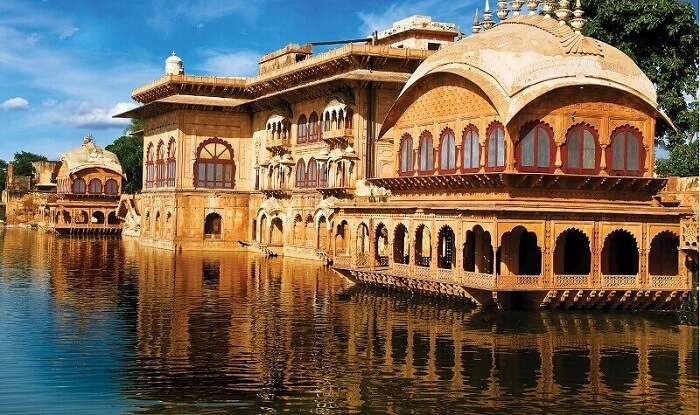
Bal Samand Lake Palace: Bal Samand Lake Palace was the previous holiday residence of royal families of Jodhpur. This is one of the best palaces in Rajasthan and is now converted into a heritage hotel.

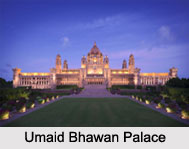
Palaces in Rajasthan, Indian MonumentsUmaid Bhawan Palace: The palace is a wonderful example of Indo-Saracenic architecture. One of the most significant parts of the palace is its museum which showcases a huge collection of vases, vehicles used by the maharaja, furniture, clocks etc.

Monsoon Palace: Previously counted as monsoon retreat for Mewar rulers, this palace was regularly visited by the royal families to enjoy monsoon. Surrounded by Sajjangarh Wildlife Sanctuary, this palace presents tremendous views of the lakes and Udaipur city.

Udai Bilas Palace: Udai Bilas Palace is a heritage hotel, which reveals old world glories. The elaborate balconies, central stone carvings and figurines which develop the beauty of the palace and its beautiful splendour and the personal infinity edge pool attract the tourists.

For more, visit the link below:

Saturday, 5 September 2020

Palaces of India


Palaces of India are innumerable, scattered throughout the length and breadth of the country and belonging to numerous kings and rulers who ruled India for many centuries. The royal residences of these kings, the palaces are excellent works of architecture, which speak of the creative abilities, and artistic sensibilities of these rulers. These palaces are the assets of India and enhance the tourist quotient of the state where they are located. Some of these palaces have now been converted in to luxurious hotels and also open for public viewing. The palaces are maintained by the government as they bear ample testimony to the rich cultural Indian heritage.

The Amar Mahal Palace is a grand palace in Jammu and Kashmir, which was built by Raja Amar Singh and presently has been transformed into a museum. This palace contains several interesting exhibits which consists of a golden throne that weighs 120 kg, some Kangra paintings, Pahari miniature paintings, a library which houses 25,000 unique books and many other art beautiful collections.

Bangalore Palace
The Bangalore Palace resembles the Windsor Castle in England and is located in Bangalore and is a well-known venue for international music bands, rock stars. Bella Vista in Hyderabad was inspired from the Heney-on-Thames of England and was a royal palace of the Nizam.

Palaces of IndiaChowmahalla Palace
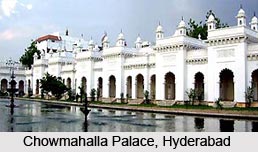
Chowmahalla Palace was the official residence of Nizams of Hyderabad and the seat of Asaf Jahi dynasty. In the Persian language, 'Chahar' implies four while in Arabic language, 'Mahalat' (plural of Mahal) stands for palaces and therefore this gave birth to the term 'Chowmahallat' or four palaces. This palace received the UNESCO Asia Pacific merit award for its preservation of rare cultural heritage.

Falaknuma Palace
The Falaknuma Palace was built by the Paigah, Nawab Vikar-ul-Umra in the southern part of the old city of Hyderabad. This palace is considered to be one of the most magnificent palaces in the state of Andhra Pradesh. Paigarh Hyderabad State owned this palace, but it was later confiscated by the Nizams of Hyderabad. It is located in Faluknama which is at a distance of 5 km from Charminar and was constructed by Nawab Vikar-ul-Umra, the then minister of Hyderabad.

For more visit the page: 

Tuesday, 1 September 2020

History of Rajasthan


The present state of Rajasthan emerged after merging 22 feudal kingdoms in independent India. In the British era the state was more popularly known as Rajputana or the land of the Rajputs. In the northeast of the state lies Mount Abu while the Aravalli ranges divides fertile Dhundar basin from the impressive Thar Desert. The lucrative trans-Thar trade routes have been an area of special interest from times immemorial. Both the Rajputs and Mughals amassed vast fortunes by taxing the movement of silk, spices and precious stones across their territories. This wealth was later utilised in developing the area and for new constructions.


The word Rajasthan literally means the land of the rajas. Its history is woven with tales of courage, chivalry, friendship, loyalty and romance. This Indian state is a riot of colors when it comes to festivals. The craftsmanship of the Rajasthanis have been engraved in the historic monuments, such as, palaces, forts and finely carved temples. Today they comprise one of the country's richest crops of exquisite buildings. However these buildings are not the only legacy of the region's prosperous and militaristic past. The rule of Rajputs have created bound by codes of chivalry and honour powerful enough to have driven the female population of whole cities to mass suicide, or jauhar. From the very beginning Rajasthan has been a reflection of the true spirit of Indian culture.

To learn more visit the article:

Saturday, 1 February 2020

Palaces in Punjab

imagesPalaces of Punjab are the examples of post Mughal architecture and the British era sculpture done from 15th century to 18th century.

Palaces in Punjab are complete symbols of luxury and grandeur in medieval and modern era.

Summer-Palace-of-Maharaja-Ranjit-Singh-AmritsarSummer Palace of Maharaja Ranjit Singh
Summer Palace of Maharaja Ranjit Singh was constructed at a sprawling landscape. This palace is known for its exquisite location, intricate carvings and remarkable interiors.
images
Qila Mubarak
Qila Mubarak is used to the residence of the Patiala Royal Clan during one point of time. The residential portions were called Qila Androon, also translated as inner fort.
unnamed
imagesSheesh Mahal
Sheesh Mahal was built between the years 1845 and 1847 by Narinder Singh. The palace was known as Sheesh Mahal because of the extensive use of mirror and glasswork in the interior designs.

Khalsa Collegeimages
Khalsa College is a historic educational organization in Amritsar in Punjab. This palatial college was founded in 1892, the sprawling 300-acre campus.

Moti Bagh Palaceimages
Moti Bagh Palace is a palace in Patiala. It was built as one of the largest residences in the world and served as principal residence for Patiala royal family till late 1940 when it shifted to New Motibagh Palace which acts as permanent residence to Maharaja of Patiala and his family.

Sainik Schoolimages
Sainik School of Kapurthala is one of 24 Sainik Schools across India. The school was inaugurated in July 1961 by Defence Minister V.K. Krishna Menon, with the objective of preparing boys for entry into National Defence Academy in Khadakwasla.

Read More :- Palaces in Punjab

Wednesday, 15 January 2020

Palaces of India

Palaces-in-India.jpgPalaces of India reflect the grandeur and the rich heritage of India in the past.

Palaces of India are innumerable, scattered throughout the length and breadth of the country and belonging to numerous kings and rulers who ruled India for many centuries.

Bangalore PalaceBangalore Palace.jpg
The Bangalore Palace resembles the Windsor Castle in England and is located in Bangalore and is a well-known venue for international music bands, rock stars.


Falaknuma Palace.jpegFalaknuma Palace
The Falaknuma Palace was built by the Paigah, Nawab Vikar-ul-Umra in the southern part of the old city of Hyderabad.

Kuthira Malika.jpg
Kuthira Malika
Kuthira Malika is located in Thiruvananthapuram, the capital of Kerela and was built by Swathi Tirunal Rama Varma.

Marble Palacemarble-palace-kolkatta1.jpg
The Marble Palace in North Kolkata was constructed by Raja Rajendra Mullick in 1835.

Umaid Bhawan Palacemaxresdefault-1.jpg
The Umaid Bhawan Palace in JodhpurRajasthan, and is last among the magnificent palaces constructed in India. The palace was named after Maharaja Umaid Singh, who was the grandfather of the current owners of the palace.

Read More :- Palaces of India

Tuesday, 11 June 2019

Palaces in Rajasthan, Indian Monuments

Rajasthan-Forts.jpg
 Palaces in Rajasthan are a common sight. Most of these belong to the Rajputs who occupied many states of Rajasthan until 1947. Today most of these palaces have been converted to heritage hotels in Rajasthan.  The medieval palaces had the defensive character of the Rajput constructions.

644209-amberfort.jpgDifferent Palaces in Rajasthan
There is a strong influence of
Mughal architecture as well. Following are some of the famous palaces in Rajasthan:


Umaid Bhawan Palace: The palace is a wonderful example of Indo-Saracenic architecture .

Patwon Ki Haveli:  This haveli is the largest in Jaisalmer and at present owned and managed by the state government.
Image result for Deeg Palace image
 Deeg Palace:Deeg is one of the oldest palaces of Rajasthan, which has a wonderful blend of Mughal and Rajput architecture.

1498501714_1497693042_img_4101.jpg
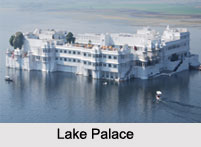
Image result for  Hawa Mahal imageLake Palace: Lake Palace is a stunning construction in the city of Udaipur.
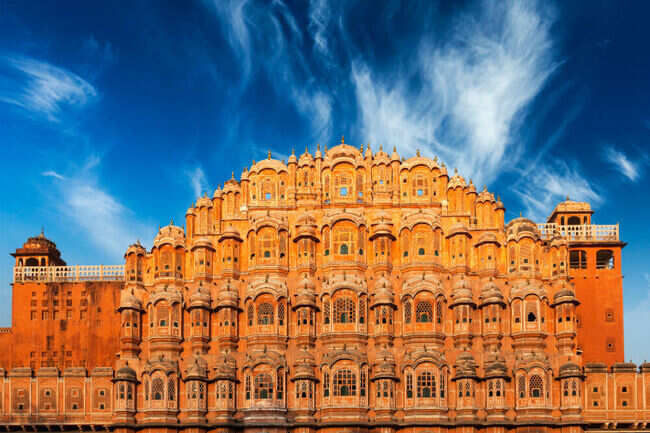
Some of the other palaces in Rajasthan are Rani Padmini’s PalaceFateh Prakash PalaceLalgarh PalaceGajner PalaceRambagh PalaceHawa MahalSamode Palace, etc.

Read more : Palaces in Rajasthan, Indian Monuments

Thursday, 30 May 2019

Agra Fort

agra-fort.jpg
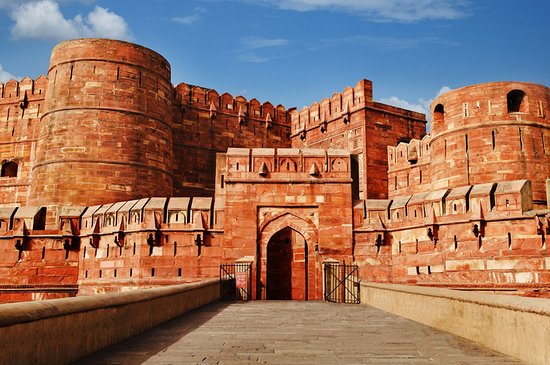
Agra Fort is located on the right bank of the Yamuna River in the city of Agra in Uttar Pradesh. The construction of this massive structure began in 1565, under
zicbft7oddh9ya8a1klm.jpg 
Akbar, and continued till the time of his grandson,Shahjahan. This red sandstone fortress encompasses the imperial city of the Mughal emperors. It is one of the most important and robustly built strongholds of the Mughals.
images.jpgOther places near Agra Fort
The red sandstone Jahangir Mahal built by Akbar for his Hindu queen, Jodhabai. The Diwan-i-Am, the Diwan-i-Khas, Khaas Mahal, Sheesha Mahal-the Palace of Mirrors, the Pearl mosque, the Nagina Masjid, the Garden of Grapes, the Fish Pavilion and the Musamman Burj - where Mughal Emperor Shah Jahan died in 1666 A.D.
sheesh-mahal-patiala.jpg
Sheesh Mahal or the Glass Palace is the finest example of decorative water engineering in the hamams.

jahangir-mahal-orchha
 The Jahangir Mahal is the first notable building that is visible to the visitors, as they enter through the Amar Singh gate. Akbar built it as the women’s quarters.

Read more : Agra Fort

Wednesday, 30 January 2019

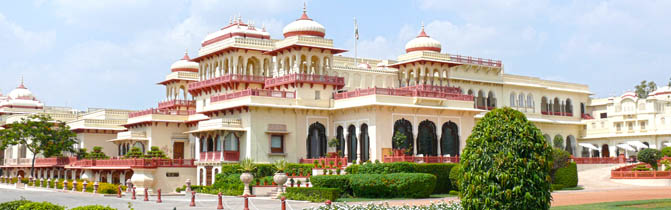
Rambagh Palace, Jaipur

Rambagh Palace, the former residence of imperial kings of Jaipur city has turned into an exquisite heritage hotel.

rambaghpalacejaipur
JaipurRajasthan were Rambagh Palace  is the former residence of the Maharaja of Jaipur and now a luxury Taj Palace Hotel, located 8km on the outskirts of the city of Jaipur. Rambagh Palace is a place of interest of Jaipur drawing myriads of tourists every year.

History of Rambagh Palace
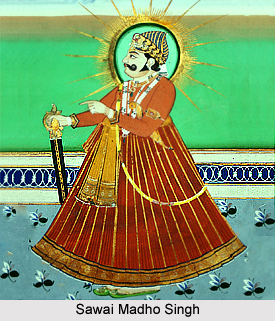
In 1887, during the reign of Maharaja Sawai Madho Singh
001_Sawai_Madho_Singh_Maharaja_of_Jaipur.jpg
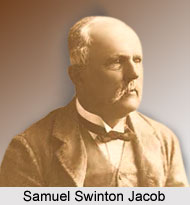
it was converted into a modest royal hunting lodge. In the early 20th century, it was expanded into a palace to the design of
Samuel_Swinton_Jacob.jpg
Sir Samuel Swinton Jacob.

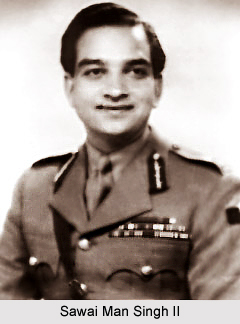
1_Sawai_Man_Singh_II.jpgMaharajah Sawai Man Singh II made Rambagh his principal residence and added a number of royal suites in 1931. After India became independent and the princely states united, the Palace became the Government House.
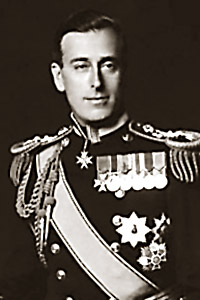
The Rambagh palace, now a heritage hotel has got the opportunity of serving some of the eminent personalities like Lord Mountbatten
mountbatten_18067.jpgOmar Sharif and Prince Charles.

Facilities, Rooms and Suites in Rambagh Palace:
The Rambagh Palace cum hotel provides its visitors with all the modern day amenities and comforts. Yet it had retained its grandeur and grace of the passed golden days.

To know more in detail visit here : Rambagh Palace, Jaipur

Tuesday, 18 April 2017

Umaid Bhawan Palace, Jodhpur, Rajasthan, Indian Regional Monuments

The Umaid Bhawan Palace is an outstanding piece of Rajasthan’s heritage, and a symbol of new Jodhpur. It is a home of the former Jodhpur royal family and at present is the world’s sixth-largest private residence. The Umaid Bhawan Palace is located at Jodhpur in the Indian state of Rajasthan. To know more read:


Monday, 8 August 2016

Palaces in Uttar Pradesh

Palaces in Uttar Pradesh depicts the intricate architecture of medieval times which evolved in India from Muslim dynasty rules.To know more read:
http://www.indianetzone.com/76/palaces_uttar_pradesh.htm