Monday, 16 May 2022

Styles in Monochrome Photography


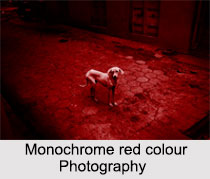
Styles in Monochrome Photography, Indian PhotographyMonochrome photography is a type of photography where the image has produced a single shade, rather than recording the colours of the object which was photographed. It includes all forms of black-and-white photography, which bring into being images containing tones of grey shades ranging from black to white. Earlier, photographers had no alternative but to shoot in black and white, because it was the only available medium at that time.

With the time Monochrome photography flourished. Contemporary black and white photography at its best is art and a lot of photographers regard it as the purest form of photography. It is recommended to shoot in RAW + JPEG format for Monochrome Photography.

The flattering and contrasting shades that bring a colour image to life are all decreased to black and white or shades of grey in a monochrome image. Black and white Photography is a very useful medium for landscape photography. It draws attention to the shapes and forms of the elements within the landscape, and the excellence of light.

Styles in Monochrome Photography
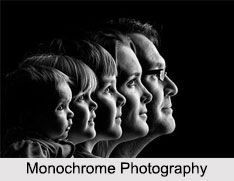
Styles in Monochrome Photography, Indian PhotographyThere are certain types of photo that rely on colour for impact. Monochrome images may be produced in a number of ways. Following are the different styles in Monochrome Photography:

Tone and Contrast Photography: The Monochrome photo’s subject works best when it has a varied range of black, grey and white shades. The dark and light areas in images create tone and contrast in a picture. Extended exposure shots work really fine in monochrome photography, in particular where there is moving water or clouds or moving subjects. The blurring of the movement also includes textural contrast with any solid objects in the frame and a tripod is needed to keep the camera at a standstill.

For more, visit the link below:

Friday, 13 May 2022

Technique of Bharatnatyam


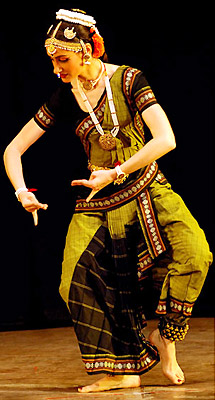
Technique of BharatnatyamTechnique of Bharatnatyam includes Abhinaya, Nritta and Nritya. The human body in Indian dance has been conceived as a mass which can be equally divided along a central median. When the weight is equally divided the completely balanced position that emerges is known as samabhanga. The slightly imbalanced position is called abhanga. The distinctive feature of Bharatnatyam is that it conceives movement in space along straight lines or in triangles.

The dancer begins with samapada position which is the basic position with the feet facing front. The dancer's body is neither relaxed nor rigid. Thereafter the foot is turned sideways which is known as the kalai tiruppudal in Tamil. Then is the ardhamandali position in which the feet are sideways and the knees are also bending sideways. The line joining the two shoulders is considered as base of one triangle and the waist as the imaginary apex of an inverted triangle. A second triangle is conceived with the thighs as the two sides and the line joining the two knees as the base of this triangle. The space covered by the two calves and the line joining the two knees forms the third triangle.

The head forms the first unit and its lateral movements are common. The torso is seen as a whole unit. The lower limbs are seen either as straight lines or two sides of an imaginary triangle in space. The upper limbs follow the lower limbs or weave a circular pattern which is covered by the lower limbs. It is the latter aspect with the use of torso as a single unit which gives Bharatnatyam its uniqueness.

As far as foot is concerned in the first position, the entire foot touches the bound and weight is equally distributed. This is known as tattu. In the same position the second type of foot contact occurs and third type of foot contact result when the heel touches the ground and the toe is raised. Then follows the permutation and combination of these positions by the use of one foot or both the feet. The unit which emerges as a coordinated pattern of the feet, knees, torso, arms and hands is known as the adavu. These adavus can be set in a composition and can be executed in the ardhamandali position. Symmetrical pattern is achieved by executing a movement first by the right foot and then by the left foot. The first adavu is known as the tattu adavu suggesting flat foot contacts in the basic ardhamandali position.

Foot Technique of BharatnatyamThe dancer begins her practice by stamping in single units. The dancer can execute other patterns by stamping the right foot twice and then the left foot twice. The next is a stamping sequence of right, right, left and left, left, right. These are executed in relation to different categories of talas to which these adavus are choreographed in the repertoire. The second variety of the adavu is known as nattu adavu where the foot is placed in such a way that the heel is down and the toes are up. There are many varieties of this adavu. The basic movement is that of a straight extension of one leg while keeping the other bent with the foot sideways. Leg extension is practiced by first extending one leg either to the right or to the left. The hands and arms follow the movement of the legs. As in the case of ail adavus they are practiced usually in three tempos and also with the dancer's feet for the first time covering space.

For more, visit the link below:

Thursday, 12 May 2022

Styles of Thumri


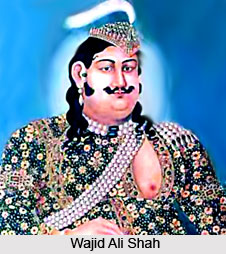
Styles of ThumriStyles of thumri have developed gradually along the course of the development of the art. Thumri has had a rather long tradition and can be traced right back to the age of classical Sanskrit plays and later to the Vaishnava Bhakti cult and the rasa natya. However, the Thumri as it is known today received great patronage, currency and shape during the days of Wajid Ali Shah when he was the Nawab of Lucknow, from 1847 to 1856. Its present tradition is also linked with Kathak dance and Thumri continues to be an essential feature of the Kathak nirtya. Thumri also evolved as a mode of vocal music without any recourse to the visual, i.e., acting or abhinaya, and aiming its expression only through music and words.

The gharana creed and convention does not have as much of a hold on Thumri as it does on the Khayal. The reason for this is that the nuances of Thumri are not easy to copy and have a subjective character in mood-expression. The Thumri sings of the viraha of Radha or the gopi; it is the main theme, and the effect is sensuous, emotional charged and deep. As for its spiritual significance, it is prema-bhakti, of the prakrti (the transient female element or atma) towards the purusa (the eternal male element; paramatma; god).

Types of Thumri
There are different types of Thumri that are practiced and are in vogue.

Banaras Anga Thumri: It very much suited to the emotive aspects, interpreting the song, the phrases, the words, even projecting several sancari bhavas through vocal techniques, called kaku-prayoga and bola-banava. It requires a non-obtrusive theka in slow tempo in the main phase of the rendering. This style of thumri is similar to the bada khayal, since its bola-banava (mobilizing the words), kahan (utterance), phrasing and rumination is centered round raaga-anga and mixes the main raaga-anga harmoniously and effortlessly, with the song without sudden flights.

For more, visit the link below:
Wednesday, 11 May 2022

Mubarak Begum, Indian Vocalist


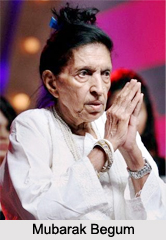
Mubarak Begum, Indian VocalistMubarak Begum was a legendary Indian playback singer and vocalist, who lent her voice to scores of Hindi film songs and ghazals, in Hindi and Urdu languages. She was a popular playback singer in Bollywood films during the 1950s and 1960s, and had also recorded and given public performances in a number of other genres, including Ghazal and Na'at. In her illustrious career, Mubarak Begum has voiced a total of 174 songs for films (2 in Bhojpuri) and 13 non-film songs. The eminent vocalist passed away on July 18, 2016, after a prolonged illness, aged 80.

Career of Mubarak Begum
Mubarak Begum started her career performing light music recitals for All India Radio, the Indian government radio. She started out as a playback singer in the year 1949, with the Indian Hindi-language film ‘Aaiye’. It was the Indo-Pakistani music composer Nashad who gave Begum her first break. The first song which she recorded for films was "Mohe Aane Lagi Angrayi, Aaja Aaja Balam", for ‘Aaiye’. She also sang a duet with Lata Mangeshkar, "Aao Chale Sakhi Wahan" for the same film. She delivered a major hit of her career with the song "Kabhi Tanhaiyon Mein Yun, Hamari Yaad Aayegi", the title track of the 1961 Hindi romantic drama ‘Hamari Yaad Aayegi’ composed by Snehal Bhatkar. The song is till date, regarded a classic rendition. Through the 1950s and 1960s, Begum worked with the best music directors in the film industry, the likes of S. D. Burman, Shankar Jaikishan and Khayyam, on movies that starred screen legends like Sunil DuttNargis and Rajendra Kumar. She sang "Woh Na Aayenge Palat Kar" in Bimal Roy’s ‘Devdas’ (1951) with music by Burman. Roy used her voice once again in ‘Madhumati’ (1958), where she sang "Hum Haal-e-Dil Sunaenge" for music director Salil Choudhury.

For more, visit the link below:
Monday, 9 May 2022

Sleep Therapy


Sleep Therapy, Indian NaturopathySleep Therapy in Naturopathy is a vital element in one’s mental as well as physical life, since the loss of sleep exerts seriously detrimental effects upon the nervous system. This involves a periodic rest of the body, which is absolutely essential for its efficient functioning.

Abstaining from sleep for longer periods may cause intense psychological changes such as loss of memory, irritability, hallucination and even schizophrenic manifestations. Sleep is the indispensable condition to the healing of energy. Sleeping pills are no remedy for sleeplessness. They are habit-forming and become less effective when taken continuously.

Requirement of Sleep in Sleep Therapy
The average amount of sleep needed to feel well rested is seven-and-a-half hours, though it varies from 6 to 9 hours. Women sleep from 45 minutes to 1 hour more than men. The amount of sleep required varies at different ages such as for new born it is 18 to 20 hours, for growing children it is 10 to 12 hours, for adults it is 6 to 9 hours and for aged persons it is 5 to 7 hours. Throughout the sleep, the depth of ordinary restful sleep fluctuates. In most adults, sleep deepens through the first hour, after which it lightens rather sharply and then more gradually until morning or until the usual time of wakening. However in growing children sleep deepens a second time for a little while. 2 hours before and 2 hours after midnight are the most valuable for sleep of all the 24 hours of the day and in at this time, the mental and physical vigour are at their lowest ebb and sleep is soundest and most natural.Sleep Therapy, Indian Naturopathy

Sleeping Positions in Sleep Therapy
There are many theories about good and bad sleeping positions. Practically everyone changes positions several times during sleep. For proper sleep, however, one should not sleep on one’s back but on the side with one or both legs brought well up and the head and the shoulder slightly forward.

For more, visit the Link below:

Saturday, 7 May 2022

Beaches of Goa


Beaches of GoaBeaches of Goa are the heaven for all kinds of tourists. Beaches in Goa over the years have evolved as one of the popular tourist destination in India. The beach Capital of India- Goa is situated in the south west region. It is one of the most popular and most visited destinations by people from all across the globe.

From the solitary beach to the energetic night life beaches, Goa is the perfect conglomeration of pristine natural beauty and European colonial history.

The sun kissed splendour of the beaches of Goa has made this place not only the most sought after tourist destination but has also offered a marked dimension to its aesthetic appeal. Whether to taste the coastal delicacies or just to feel the azure romance of the seas Goa remains flocked by tourists throughout the year.

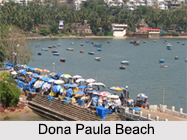
Beaches of Goa cover about 125 kilometres of its coastline. These beaches of scenic beauty are divided into North Goa and South Goa. Beaches of North Goa are more commercial and abundant tourists created an excitement for its night life. The beaches of South Goa are filled with luxury hotels and private guest houses, which are solitary and silent.

Arambol Beach, North Goa
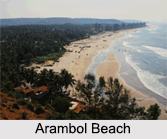
Arambol Beach is a unique beach in North Goa, which is placed at the distance of 50 km from the district headquarters. There are both rocky and sandy beaches and are much sought after. The high cliffs near Arambol Beach are popular for paragliding and dolphin watching. It has also a sweet water pond right on the store, which has made the place, lot more attractive.

Beaches of GoaVagator Beach, Bardez Taluka
This tranquil sea beach is situated at 22 km away. It is a popular beach dominated by Chapora Fort to the North, on its imposing headland. To the South of Vagator there is Calangute beach, which has got international fame. Vagator is a well accepted beach however, a little further south of this main beach is a more sedate beach known as Little Vagator or Ozran beach.

Anjuna Beach, Anjuna
Anjuna Beach is a popular beach area adjacent to Chapora Fort. In Anjuna there is magnificent Albuquerque mansion that was built in 1920. Octagonal towers and attractive Mangalore tiled-roof always flank this place.

For more, visit the link below:
Friday, 6 May 2022

Women Cricketers in India


Women Cricketers in IndiaWomen Cricketers in India from the 1970 showed their talent, but the women cricket tournaments are not popular even now-a-days. But the recent developments in Women Cricket is making it popular. There are various women cricket players in India. Some of them are Anjum Chopra, Sandhya Agarwal, Karu Jain, Jhulan Goswami, Mithali Raj, Nilima Jogalekar and Shantha Rangaswamy.

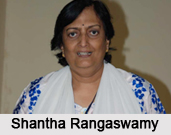
Shantha Rangaswamy
Shantha Rangaswamy is also popularly known as Shanta Rangaswamy. She was born on 1st January 1954 in the city of Madras now known asChennai. She was a part of the women's cricket team and represented her country in 16 matches' from1976 to 1991, leading the side in 8 matches in 1976-77 and four in 1983-84.

Diana Edulji
Diana Fram Edulji was born on 26th January 1956 is a former Indian women Test cricketer. She was born in the city of Mumbai and was drawn to sports from a very young age. During her growing up days she played with tennis ball in the colony where she lived. She then also went on to play table tennis and basket ball at the junior national levels, before shifting to cricket.

Sujata Sridhar
Women Cricketers in IndiaSujata Sridhar was born on 25th December 1961 is a former ODI and Test cricketer who represented India. She played three tests and six ODI's and also played for Karnataka and Tamil Nadu in the domestic leagues.

Fowzieh Khalili
Fowzieh Khalili was born on 10th October 1958 in the city of Chennai. She represented India at the ODI and Test level and played her domestic cricket for the state of Tamil Nadu. She played eight Tests and thirteen One Day Internationals matches.

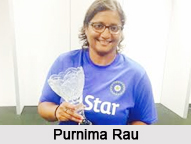
Purnima Rau
Purnima Rau was born on 30th January 1967 in the city of SecunderabadAndhra Pradesh. Purnima Rau is a former cricketer and was a part of the women's cricket team. She played Test cricket (5 matches between 1993 and 1995) and ODI cricket for India (33 matches between 1993 and 2000), and also captained Air India Women's cricket team in Indian domestic women's cricket. Rau captained the Indian team in 3 Test matches and 8 ODI matches.

For more, visit the link below:
Thursday, 5 May 2022

Bird Sanctuaries in India


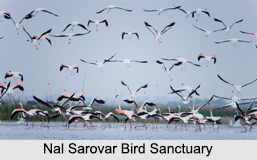
Bird Sanctuaries in IndiaBird sanctuaries in India are homes to various types of birds. Due to its vast and varied geographical setting and climate and extended coast line, India provides shelter to thousands of bird species. Out of 8650 species of birds seen in the world, India houses more than 1250 species. Some of the legendary species of birds observed in the bird sanctuaries and national parks of India are racquet tailed drogas, treepies jungle owlets, minvets, ioras, golden oriolesmagpiesrobinssunbirdswhite throated kingfisher, drogas, mynas, pipits, Asian paradise flycatcher, larks and Siberian cranes.

Aims and Features of Bird Sanctuaries in India
Establishment of bird sanctuaries is an attempt by the Indian administration to increase seasonal migration, security, forested areas and bird-watching and attract a large number of migratory birds, every year. Apart from birds, Indian bird sanctuaries support dense forests and a variety of vegetations. A noticeable feature of these bird sanctuaries is that they are surrounded by natural or man-made water bodies like rivers and lakes. This provides natural setting to different species of birds. Below the bird sanctuaries of India are enlisted region wise:

Bird Sanctuaries of Southern India
Atapaka Bird SanctuaryNelapattu Bird Sanctuary, and Uppalapadu Bird Sanctuary are located in the Indian state of Andhra PradeshAttiveri Bird SanctuaryBankapura Peacock SanctuaryBonal Bird SanctuaryGudavi Bird SanctuaryKaggaladu Bird SanctuaryMagadi Bird SanctuaryMandagadde Bird SanctuaryPuttenahalli Lake (Yelahanka) and Ranganathittu Bird Sanctuary are some of the important bird sanctuaries of Karnataka. In Kerala, there are five famous bird sanctuaries and they are Kadalundi Bird SanctuaryKumarakom Bird SanctuaryMangalavanam Bird Sanctuary, Pathiramanal Bird Sanctuary and Thattekad Bird Sanctuary etc. Bird sanctuaries of Tamil Nadu are Chitrangudi Bird SanctuaryKanjirankulam Bird Sanctuary, Koothankulam Bird Sanctuary, Suchindram Theroor Birds Sanctuary, Udayamarthandapuram Bird Sanctuary, Vedanthangal Bird SanctuaryVellode Birds SanctuaryPulicat Lake Bird Sanctuary and Vettangudi Bird Sanctuary.

For more, visit the link below:
Wednesday, 4 May 2022

Cuisine of Mysore


Cuisine of Mysore, MysoreMysore is in South India and like all the other states in this part of the country, most of the food is rice based. There is more to cuisine of Mysore than the famous dosa and idli that is well known all over the world as the food of the South. Though idli and dosa form an important part of the cuisine of Mysore but the different types of dosas and idlis and chutneys to accompany them will take one by surprise. Traditional Mysore breakfast is simple, wholesome and delicious. Most of them are rice based and are normally served with chutney.

Various Delicacies of Mysore Cuisine
Mysore Cuisine includes a delicious palate of food items all of which have rice as the main ingredient. The cuisine of Mysore resembles to a large extent the Udupi cuisine. Idli and dosa form an important part of the cuisine of Mysore, different types of chutneys accompany the main dish. Mysore is known for its Brahmin community and their restaurants serve delicious South Indian food. Lunch is served on a banana leaf, but the dishes differ from other Mysore thalis. The cuisine is strictly vegetarian, they also do not use onion and garlic in their food and give preference to spices with strong medicinal properties.

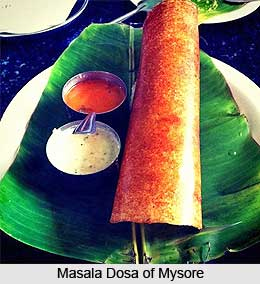
Dosa: Dosa with potato filling is eaten with sambar and coconut chutney and onion chutney is popular in Mysore and rest of Karnataka as well. There are other types of dosas like set-dosa, rava or semolina dosa.

Idli: These steamed rice cakes offer sanctuary to the spice as it is a calmer for the taste buds. Idli typically come with the spiced lentil broth called sambar and a variety of chutneys. They are available as street food snacks and as a core part of breakfast. There is another type of idli that is commonly eaten is 'thatte idlis' (flat idlis).

Uppittu: The other popular breakfast is 'uppittu' which is prepared as roasted semolina laced with chillies, coriander leavesmustard and cumin seeds.

Vada: Vada is a distinctly savoury Mysore food. Made from black gram (lentil) flour, cumin, curry leaves and sometimes chilli and chopped onions before heading into the deep fryer. Vada turns out surprisingly mild.

Bisi Bela Bath: A traditional bisi bela bath contains up to or even over thirty different items. It is a rice based dish, possibly of royal origin from the Mysore Palace that today forms a staple of the Mysore food scene. Bisi bele bhath literally translates to hot lentil rice dish in Kannada and it is a comforting, hearty dish.

Bonda: Every self-respecting food spot has a dumpling or fried ball to its name, and Bonda is there for Mysore. The Mysore version is typically aloo bonda, made from mashed potato, and traditionally served with piping hot tea. Coconut chutney and a small bowl of sambar complete the experience.

For more, visit the link below: