Showing posts with label visit. Show all posts

Tuesday, 18 August 2020

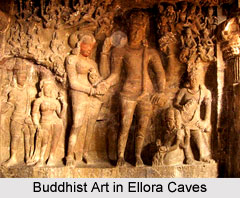
Buddhist Art In India


 The main purpose of Buddhist art in India was to popularise the religion of Buddhism. Buddhist art in India came into being after the historical life of Gautam Buddha during the sixth to fifth century B.C. and then it developed by contact with other cultures as it spread all through Asia and the world.

The presence of Lord Buddha was portrayed by the symbols of empty throne, a pair of foot prints, a lotus, or a Bodhi tree. The sculpture developed later on into more precise and explicit definition of the episodes relating to the life of Lord Buddha and his teachings. It is in north India that the first anthropomorphic representation of Buddha is said to have emerged. The two main proponents of Buddhist art in India is the Gandhara School and the Mathura school of art.

Buddhist art flourished in the panorama of Indian art during the Maurya dynasty under the reign of emperor Ashoka, who embraced Buddhism. The several stupas like the one in Sanchi and the pillars adorned with Buddhist symbols were the earliest instances of Buddhist art in India. These stupas comprise a hemispherical dome with a harmika supporting the umbrellas. The sculpture of Bharhut depicts stories from the life of Lord Buddha and also tales from Jataka. The sculpture dealing with the life of Gautam Sakyamuni includes Buddha's enlightenment, the vision of Maya, and the defeat of Mara among others. In the sculptures of Bharhut, Amravati and Sanchi the worship of the Bodhi tree is widely prevalent. The Buddhist art in south India during this era is best represented by the Maha chaitya at Amravati which resembles the art at Bharhut. The Buddhist art at Amravati is noted for its sophistication and elegance.

For more visit the page:


Monday, 27 January 2020

North Indian Temples

khaju2famous-templesIndia has a rich cultural and historical heritage because of its temples and pilgrimage sites. The North Indian Temples are in plenty and cater to people of all religion.

Dating to the ancient days, there has been a plethora of shrines and temples all over the country. The North Indian Temples not only has Hindu temples, the place also houses Buddhist templesGurudwaras and Jain temples as well.

Architecture of North Indian Temples
The North Indian Temples were typically built in the Nagara Style of Architecture.
indiacultural-northtempletour
According to the Nagara style, the temple structure consists of two main buildings. The main place of worship is taller and has an adjoining shorter mandapa. The key difference between these two is the shape of the sikhara.

Temples in Jammu and Kashmir
The northern most state in India, apart from the appealing scenery and nature, Jammu and Kashmir has a number of towering temples.
vaishno-devi-temple-historyamarnath-1 (1)The most popular temples here are the Amarnath Temple at Pahalgam, the Vaishno Devi Temple and the Raghunath Temple, which is known to be one of the largest North Indian Temples.
downloadTemples in Himachal Pradesh
Himachal Pradesh is said to be the land of Gods, often called 'Devabhoomi. From Hindu temples to Jain temples to mosques, the landscape of Himachal Pradesh is dotted with multiple shrines.
Explore-Haryana
Temples in Haryana
The North Indian Temples of Haryana are mostly of the ancient era. These primitive temples are not just places of worship. there is the Mansa Devi TempleBirla MandirSthaneshwar Mahadev TempleShiv TempleSheetala Devi Temple which are some of the important temples.

Temples in PunjabUntitled
To witness the rich history, culture and traditions of the state of Punjab, one must visit the numerous temples and shrines, where devotees throng every year. The most famous North Indian Temple of Punjab is the Harmandir Sahib or the Golden Temple.

Read More :- North Indian Temples

Tuesday, 17 December 2019

Waterfalls in Karnataka

images (13).jpgWaterfalls in Karnataka are an important tourist attraction. The presence of lofty peaks and abundant rainfall has led to the formation of several waterfalls in the state.

imagesWaterfalls in Karnataka are an important tourist attraction. The presence of lofty peaks and abundant rainfall has led to the formation of several waterfalls in the state.

images (2)Abbey Falls
This falls is a popular picnic spot and is located in the Coorg or Kodagu district. The must see attraction here is the coffee estate.
images (6).jpgHebbe Falls
Plummeting down from a height of 250 feet Hebbe Falls comes down in two stages-Dodda Hebbe and Chikka Hebbe.

images (5).jpg
Iruppu Falls
Located beside the Rajiv Gandhi National Park (Nagarhole), Iruppu Falls receives visitors frequently.
images (8).jpgJog Falls
This fall can be divided into four stages--Raja, Rani, Rover, and Rocket. The waterfall cascades from a height of 810 feet and presents a charming surrounding.

images (9).jpg
Kalhatti 
Falls
Steeped in legends this waterfall in Karnataka is also called the Kalahasti Falls. This waterfall too is located near Kemmangundi.

images (12)Magod Falls
The adjacent area of this fall belongs to dense forests. Cascading from a height of 650 feet this site is a must see for the travellers.


Lalguli FallsUntitled.png
The water cascades down from a height of 250 feet and the otherwise silent area throbs with its thunderous noise.

Read More :- Waterfalls in Karnataka

Friday, 8 November 2019

Cities of Uttar Pradesh


map-23.jpeg

Cities of Uttar Pradesh are covering the places, where the cities are mostly enriched with history, religion and archaeology.
A large number of the cities of Uttar Pradesh are consecrated places drawing a large number of Hindus and Muslims.

Cities of Uttar Pradesh are sanctified by the holy waters of the Ganga River and the Yamuna River. These cities are the most populous state of India.

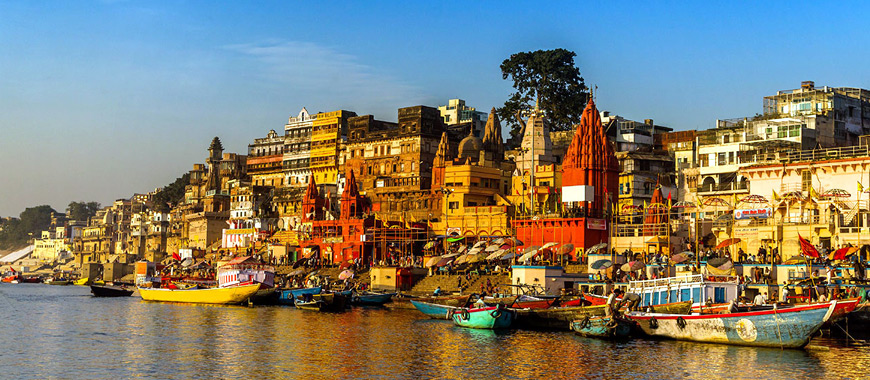
Varanasidest_head_img-451.jpeg
Varanasi is the spiritual capital of India, often referred to as "the holy city of India", "the religious capital of India", "the city of Lord Shiva", and "the city of learning".

Allahabadallahbad.jpeg Allahabad is a city in the north of Uttar Pradesh. It is the administrative headquarters of the Allahabad District.

Meerutdest_head_img-490.jpeg
Meerut is an ancient city with settlements dating back to the Indus Valley Civilization having been found in and around the area.

Aligarhaligarh.jpeg
Aligarh is a city in Uttar Pradesh. It is administrative headquarters of the Aligarh Division and Aligarh Police Range.

Noidanoida-4fcd3fcde44d78692f22ec7b.jpg
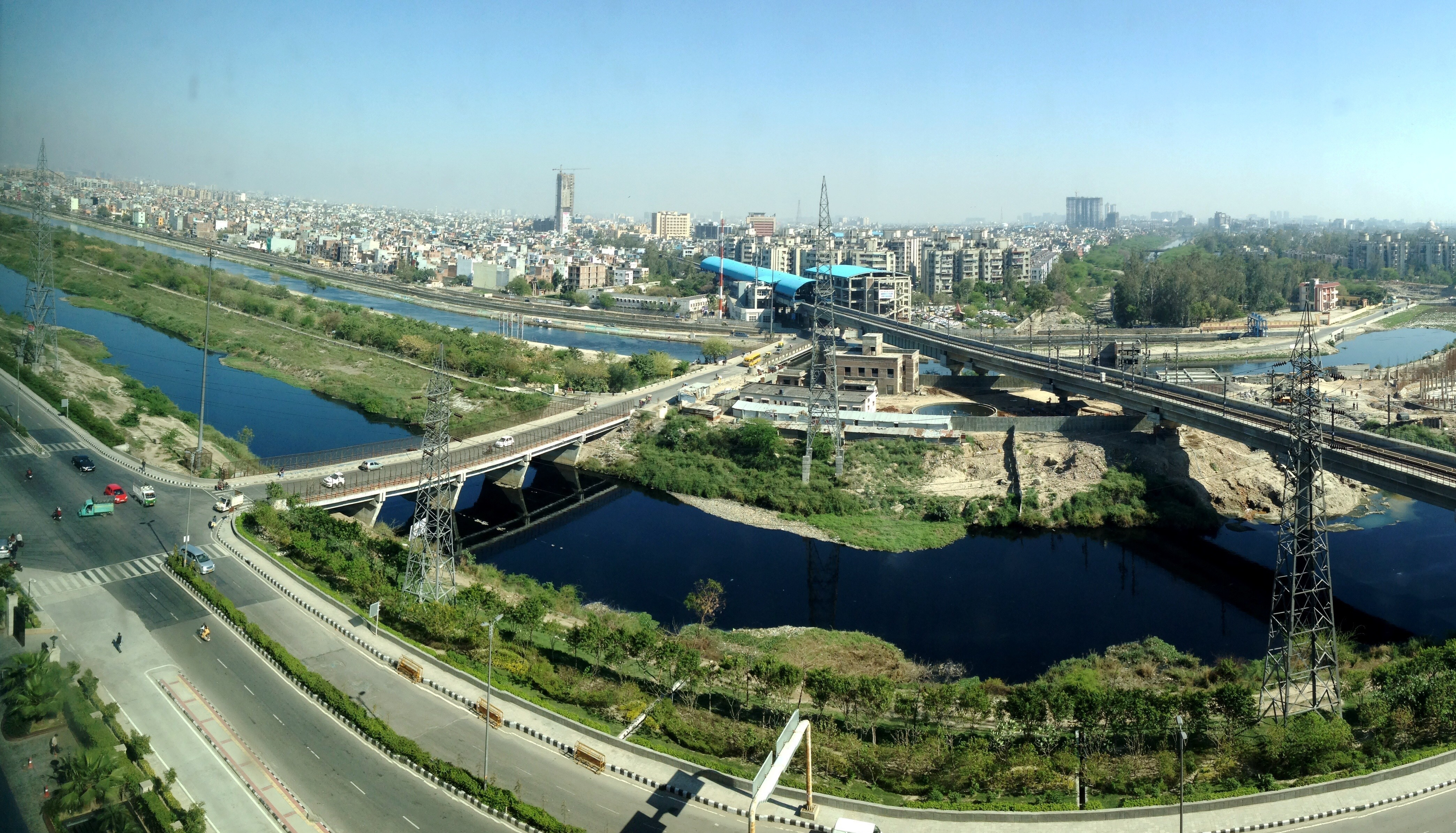
Noida is a city in India under the management of the New Okhla Industrial Development Authority. It is part of National Capital Region of India.

MathuraMathura .jpeg Mathura is best known as the abode of Lord Krishna.

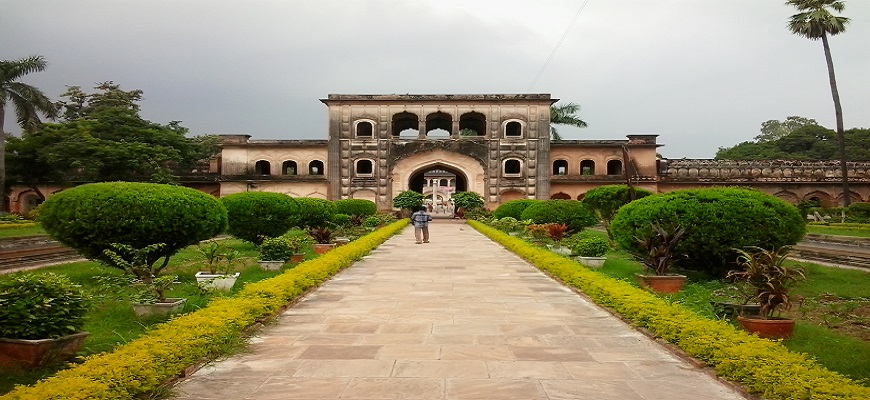
FaizabadFaizabad.jpeg
Faizabad is the headquarters of Faizabad District. It is a joint municipal board with Ayodhya in the state of Uttar Pradesh.

JaunpurJaunpur.jpeg
Jaunpur is located to the northwest of the district of Varanasi in the eastern part of the North Indian state of Uttar Pradesh.

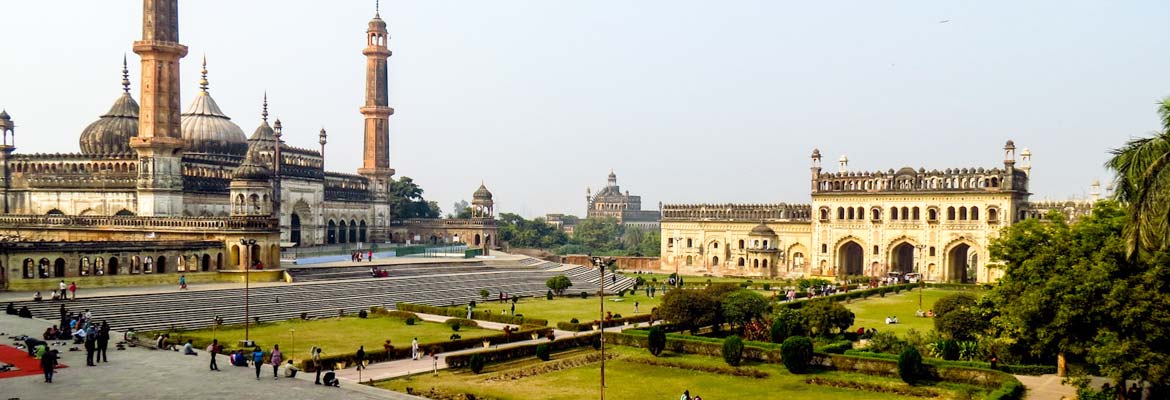
Lucknowdest_head_img-470
Lucknow is the capital city of the state of Uttar Pradesh. It is a major metropolitan city of India. It is the 10th most populous city of India and the second largest in North India after Delhi.

Read More :- Cities of Uttar Pradesh