Showing posts with label lord brahma. Show all posts

Monday, 27 April 2026

Iyer Brahmins of South India: Tradition, Scholarship, and Cultural Identity

 The Iyer Brahmin community represents a prominent subgroup of Tamil Brahmins in India, primarily concentrated in the southern state of Tamil Nadu. Known for their deep-rooted adherence to Vedic traditions, the Iyers have played a significant role in preserving Hindu philosophy, ritual practices, and classical learning. Over centuries, the community has evolved while maintaining a strong connection to its cultural and religious heritage.


Historical Background

The origins of the Iyer Brahmins can be traced to ancient migrations of Vedic scholars into the southern regions of India. These Brahmins settled along the fertile riverbanks of Tamil Nadu, particularly near the Kaveri River, where they contributed to the spread of Sanskrit learning and Hindu religious practices. Historically, they were associated with temple administration, priesthood, and teaching, often serving as custodians of sacred knowledge. 

The Iyers are followers of the Smarta tradition, which emphasizes the worship of multiple deities such as Shiva, Vishnu, Devi, Ganesha, and Surya. This inclusive form of worship is influenced by the philosophical teachings of Adi Shankaracharya, whose Advaita Vedanta doctrine remains central to the community’s spiritual outlook. 

Cultural Practices and Lifestyle

The cultural identity of Iyer Brahmins is reflected in their distinctive customs, rituals, and attire. Traditional Iyer men wear the veshti or dhoti, often paired with an angavastram, while women are known for draping the nine-yard saree, called the madisar, during religious occasions. These practices symbolize modesty, discipline, and adherence to tradition. 

Food habits also form an integral part of Iyer culture. The community follows a strict vegetarian diet, with cuisine characterized by rice, lentils, vegetables, and dairy products. Meals are often prepared with a focus on purity and are sometimes offered to deities before consumption. 

Religious observances play a central role in daily life. Rituals such as Sandhyavandanam (daily prayers) and participation in festivals like Pongal, Navaratri, and Deepavali reinforce spiritual discipline and communal bonding. Sanskrit chants and Vedic recitations are commonly practiced, reflecting the community’s scholarly orientation. 

Social Structure and Education

Education has always been a defining feature of the Iyer Brahmin community. Historically engaged in scriptural studies, Iyers have adapted to modern educational systems and have made notable contributions in fields such as science, engineering, law, and public administration. Their emphasis on learning has enabled them to maintain a strong presence in both traditional and contemporary professions. 

The social structure of the community is traditionally organized around family and lineage, with respect for elders and adherence to customs playing a significant role. Marriage rituals, often elaborate and rooted in Vedic traditions, are considered essential for preserving cultural continuity. 

Contemporary Relevance

In modern India, the Iyer Brahmin community continues to balance tradition with change. While many members have migrated to urban centers and abroad, they maintain connections to their heritage through religious practices, language, and community networks. The use of Tamil and Sanskrit remains an important aspect of cultural identity. 

At the same time, the community has embraced social and professional mobility, contributing significantly to India’s intellectual and economic development. Despite evolving lifestyles, the core values of discipline, education, and spirituality continue to define the Iyer Brahmin identity. 

The Iyer Brahmin community reflects the enduring nature of tradition in a rapidly changing society. Through their commitment to learning, spirituality, and cultural preservation, they have maintained a unique identity within India’s diverse social fabric.

Monday, 6 April 2026

Tracing the Legacy of the Awasthi Brahmins in India

The Awasthi Brahmin community is a significant subgroup within the broader Brahmin population of India. Known for their scholarly traditions and association with religious duties, Awasthi Brahmins have historically played an important role in the social, cultural, and intellectual life of northern India. Their identity is shaped by a combination of lineage, traditional occupations, and regional concentration.


Origin and Historical Background

The origin of the Awasthi Brahmin community is closely connected to the ancient Brahminical traditions of northern India. The surname “Awasthi” is believed to be derived from the term “Awasthya” or “Avasthi,” which is associated with a lineage of learned Brahmins who were well-versed in Vedic scriptures and ritual practices. Over time, the name evolved into “Awasthi,” becoming a hereditary surname that identified members of this community. 

Historical accounts and genealogical traditions suggest that Awasthi Brahmins are primarily linked to the Kanyakubja Brahmin lineage, which traces its roots to the ancient region of Kannauj in present-day Uttar Pradesh. Kannauj was an important political and cultural center in early medieval India and served as a hub for Brahmin scholars and priests. Many Brahmin subgroups, including the Awasthis, are believed to have originated from or migrated through this region. 

Over centuries, members of the community gradually spread to different parts of northern and central India. Despite geographical dispersal, they retained their cultural practices, ritual roles, and identity as a distinct Brahmin subgroup. 

Traditional Occupations

Traditionally, the Awasthi Brahmin community was associated with priestly duties and scholarly pursuits. Like many other Brahmin groups, they were responsible for performing religious rituals, conducting yajnas (sacrificial ceremonies), and guiding communities in matters related to Hindu religious traditions. Their deep knowledge of Sanskrit texts, including the Vedas, Puranas, and Dharmashastras, made them respected religious authorities in many regions. 

In addition to priesthood, many Awasthi Brahmins were involved in teaching and scriptural study. They often served as teachers of Sanskrit and classical Hindu philosophy, passing down religious knowledge through traditional educational systems such as gurukuls. Their role in preserving and transmitting sacred knowledge contributed to their reputation as learned scholars. 

During the medieval and colonial periods, as social and economic conditions evolved, members of the Awasthi community gradually diversified into other professions. Many entered administrative services, education, law, and government roles. In modern times, Awasthi Brahmins can be found in a wide range of professions, including academia, engineering, medicine, and business, reflecting broader social changes within Indian society. 

Geographic Distribution in India

The Awasthi Brahmin community is primarily concentrated in northern India, with the largest population found in the state of Uttar Pradesh. Districts historically associated with the community include areas around Kannauj, Kanpur, Lucknow, and neighboring regions. These areas served as important centers for the settlement and cultural development of Awasthi families. 

Apart from Uttar Pradesh, significant populations of Awasthi Brahmins are also found in states such as Madhya Pradesh, Rajasthan, and Bihar. Migration during the colonial and post-independence periods further spread the community to other parts of India, including Delhi, Maharashtra, and Gujarat. 

Urbanization and educational opportunities have encouraged many members of the community to move to metropolitan cities across the country. As a result, Awasthi Brahmins today form part of diverse professional and social networks in both traditional towns and modern urban centers. 

The Awasthi Brahmin community represents a distinctive lineage within the broader Brahmin society of India. With roots linked to the historic region of Kannauj and a long tradition of scholarship and religious service, the community has maintained its cultural identity while adapting to changing social and economic conditions. Today, Awasthi Brahmins continue to contribute to Indian society through their participation in various professional fields while preserving aspects of their traditional heritage. 

Monday, 2 September 2024

Andhra Brahmin Community


The Andhra Brahmin community, primarily located in the Indian state of Andhra Pradesh, has a rich history dating back thousands of years. This community, known for its deep-rooted connection to Vedic traditions and scholarly pursuits, is believed to have migrated to the region from northern India. Their settlement in Andhra Pradesh played a significant role in the spread of Vedic culture and rituals in the southern part of the Indian subcontinent.


Historical Background

Historically, the Andhra Brahmins have been associated with various roles in society, including teaching, religious ceremonies, and administration. They served as priests (purohits) in temples and were often advisors to kings and rulers. The community’s contribution to the preservation and propagation of Vedic literature, philosophy, and Sanskrit language has been noteworthy. Over the centuries, they have maintained a strong commitment to education and intellectual pursuits, establishing themselves as custodians of knowledge and tradition. 

Traditions and Rituals

The Andhra Brahmin community is known for its strict adherence to traditional Hindu rituals and customs. These practices are deeply influenced by Vedic principles and are an integral part of their daily lives. Rituals such as the Sandhyavandanam (a prayer ritual performed at dawn, noon, and dusk) and the performance of yajnas (sacrificial rituals) are common among Andhra Brahmins. These rituals are often accompanied by the chanting of Vedic mantras, reflecting the community’s reverence for ancient texts. 

Marriage ceremonies within the Andhra Brahmin community are elaborate and steeped in tradition. The rituals involved, such as Kanyadaan (giving away of the bride by her parents), Saptapadi (seven steps taken by the bride and groom around the sacred fire), and Mangalya Dharanam (tying of the sacred thread), highlight the community’s commitment to preserving age-old customs. These ceremonies are conducted with great attention to detail, ensuring that every aspect aligns with the guidelines set out in ancient scriptures. 

Cultural Practices

The cultural practices of the Andhra Brahmin community are reflective of their deep-seated values and beliefs. Education has always been a cornerstone of the community’s culture, with a strong emphasis on learning and the pursuit of knowledge. Many members of the community have excelled in various fields, including literature, science, philosophy, and law. The community’s commitment to education is also evident in their establishment of schools and colleges, particularly during the British colonial period. 

Cuisine plays an essential role in the cultural identity of the Andhra Brahmins. Their food is primarily vegetarian, with an emphasis on purity and satvik (simple and healthy) meals. Common dishes include pulihora (tamarind rice), perugu annam (curd rice), and various types of pachadis (chutneys). The use of traditional ingredients like tamarind, curry leaves, and jaggery is prevalent in their cuisine. 

In addition to their contributions to religious and educational fields, the Andhra Brahmin community has also made significant strides in the arts. Carnatic music and classical dance forms like Kuchipudi have flourished within the community, with many members becoming renowned performers and teachers. 

The Andhra Brahmin community, with its rich history, deep-rooted traditions, and strong cultural practices, has played a vital role in shaping the social and cultural landscape of Andhra Pradesh. Their commitment to preserving Vedic knowledge, education, and the arts has ensured that their heritage continues to thrive in contemporary India. As custodians of ancient traditions, the Andhra Brahmins remain a respected and influential community within Indian society.

Tuesday, 30 June 2020

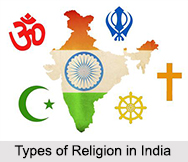
Types of Religion in India


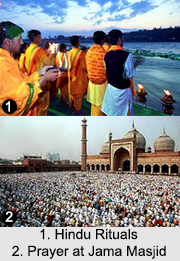
Types of Religion in IndiaTypes of Religion in India originated in Indian sub-continent. India is the land of spirituality and philosophy and is considered to be the birthplace of many religions. Indian religion is varied in approach and different in meaning. The major religions of India are Hinduism, Islam, Sikhism, Christianity, Buddhism, Jainism, Zoroastrianism, Judaism and the Baha’i Faith. Religion adds meaning and purpose to the lives of the people. It is actually a practice that enhances direct communication with God. A religion is a belief concerning one or more deities and incorporating rituals, ceremonies, ethical guidelines and life philosophies. Thus, religion has diversified and grown to include major monotheistic religions in the country. A wide assortment of religions exists in the country today.

Hinduism in India
It is more of a philosophy which is a way of living according to the understanding of the principles of Vedas and Upanishads. Hinduism is a colourful religion with a vast gallery of Gods and Goddesses. It originated with Brahmanas the central Lord. 

Jainism in India
Jainism is a self-help religion that relies on the self instead of Gods. The Jain religion is traced to Vardhamana Mahavira. This religion is all about promoting equality between humans, animals and plants those have souls. Jainism chronologically preceded the religion of Buddhism. It is considered as one of the oldest religions of India. Jainism starts with two principles, the living (jiva) and the non-living (ajiva).

Types of Religion in IndiaBuddhism in India
Lord Buddha was the one who was responsible for propagating the doctrines of Buddhism. Buddhism is a philosophy and a religion that encompasses a wide variety of beliefs based on the teachings of Gautama Buddha.

Sikhism in India
This religion was introduced by Guru Nanak. It stresses on the devotion of God. Service to mankind, hard work and dedication towards family life.

Christianity in India
Christianity came to India with the coming of Portuguese. Christianity is an Abrahamic religion which is cantered on God, Jesus Christ and the Holy Spirit. 

Islam in India
Islam is a religion which originated in the country with various invasions. The Muslims are spread about 12 percent of India’s population
For more visit the page:

Thursday, 6 February 2020

Tridev, Hindu Mythology

Origin-of-Lord-Shiva-and-Vishnu-Relationship-between-lord-shiva-and-lord-vishnuTridev, the trinity of Brahma, Vishnu and Maheshwara forms the psychological, physical and spiritual troika of humanbody

guru dattatreya wallpaper hdThe divine trio of Brahma, Vishnu and Maheshwara were born as the unique child of Dattatreya ( three children ,yet not born and were exquisite concept).

om-sign-of-light-blue-red-small-3The Hinduism is emblematized by the symbol "OM" or "AUM" which encompasses the aspect, trinity. The representation of "AUM" connotes Brahma(A), Vishnu (U) and Maheshwara (M).
imagesb22f3e6776d19494541a0aecc9d9f1ef0bf79485r1-745-512v2_uhq
Brahma, the absolute and the creator was born in a lotus out of the navel of the sleeping Vishnu. The speech originates from the mind corresponds to Brahma and is also representative of Vak Swarupa and Brihat Swarupa. Brahma is also the primordial sound and is named as Shabda Brahmamayi.

Untitledlord_vishnu_sitting_on_garuda-otherVishnu, the preserver, the second God of the tridev and the consort of Devi Laksmi, is portrayed as blue or black skinned and has four arms which bear Sankha , Chakra, Gada and Padma ."Atma" or the mind emerges from mind and as referred to in the dictum "Vishwam Vishnumayam" is also admitted as Vishnu Swarupa.

Shiva-worshipped-as-lingam
Untitled1cb46aaab229678132e5853571cb2549The third of the tridev is Maheshwara or Lord Shiva, the better half of Mother Parvati, is presented as white with dark blue throat and three eyes and is known to be the destroyer and also the creator.

By the divine dance "tandava", Maheshwara destroys the senile and decayed and out of his power creates regeneration. Lord Shiva as a symbol of creation is worshipped as "Linga".

indexLord-Vishnu-and-Goddess-Lakshmi-StoryBrahma's tongue is the abode of Saraswati , the goddess of knowledge and wisdom.

Goddess Lakhsmi , the consort to Lord Vishnu, stands for the compassion aspect of Vishnu.

unnamedGoddess Parvati is inseparable from Lord Shiva or Lord Shiva presents the image of "Ardhanarishwar"( the half male and the half female form).

Read More :- Tridev, Hindu Mythology