Showing posts with label dynasty. Show all posts

Wednesday, 15 July 2020

Tombs in India


Tombs in India were generally dedicated to the Muslim 
rulers who ruled India for centuries. Basically, there was no indigenous tradition of building tomb in India. The ashes of the dead were carried away by the sacred rivers. Even in Islam, tomb building was restricted. The building of tomb to glorify a grave by constructing a building over it was forbidden for centuries, as this would run counter to the equality of all men in death. By the time of the Muslim invasions of India in the 12th century, the proscription against tomb building was extensively ignored. In India a Muslim tomb or 'qabristan' mainly comprises a single vaulted domed chamber, in the centre of which is the cenotaph. Below lays the mortuary chamber or maqbara, with the grave or 'qabr' in the centre. Occasionally, the west wall possesses a 'mihrab'. Often some bigger tombs have mosques attached as separate buildings, the whole ensemble being contained within an enclosure or garden and called a 'rauza'.

Tomb of Adham Khan
Adham Khan's Tomb was erected in the year 1561 and is preserved by the Archaeological Survey of India. Adham Khan, Akbar's general was buried in this structure and is situated in Mehrauli in Delhi, particularly in the northern section of the Qutub Minar. Khan was his wet nurse Maham Anga's son.

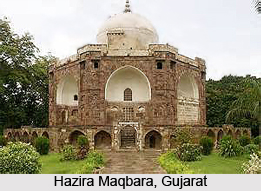
Hazira Maqbara Tomb
Graves of the teacher of Salim who was Akbar's successor and also grave of Naurang Khan, another son of Akbar are present in the Hazira Maqbara Tomb which had been created in 1586. Its architecture follows the typical Mughal architectural characteristics.
Tombs in IndiaTomb of Mariam-uz-Zamani
Mariam-uz-Zamani or Heer Kunwari, also known as Jodha Bai was the Rajput wife of Akbar who was buried in the Tomb of Mariam-uz-Zamani. It was established between 1623 and 1627 CE. It is present at Sikandra, near AgraUttar Pradesh.

Tomb of Itimad-ud-Daulah
Tomb of Itimad-ud-Daulah is based in Agra, Uttar Pradesh and was constructed in the period between 1622 and 1628. Exquisite marble ornamentation, along with red sandstone was utilized to beautify the tomb and later white marble and pietra dura were applied.

For more read:

Tuesday, 7 July 2020

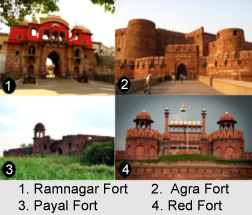
Forts in India

Forts in India have been constructed to protect the settlements against hostile attack and marauding wild animals. Due to successive waves of invasion, there was an ancient tradition in India to erect massive and strong forts to obstruct the invaders. The origins of some of the Indian forts are lost in the mists of time while some have been transformed or reconstructed after the invasion of the Muslims in the twelfth century.


Early History of Forts in India
The ancient treatises on Indian architecture and fortification can be retrieved from the 'Shilpa Shastras' and in some of the ancient Indian literature like the Indian Puranas and epics. This vast pool of knowledge gives a significant account of the development of the forts in India. 'Pur', a word which is mentioned repeatedly in the Vedas, means a rampart, fort or stronghold. Kautilya, in the forth century BC, wrote extensively regarding the protective fortifications. He differentiated forts as per the preferred types of site. The Nara Durg, a fort which was protected by men, gives an account of the Aryans correlation of a fort with a town.

Forts in IndiaMedieval History of Forts in India
After the invasion of the Muslims, construction of forts in India reflects many of the developments which took place in Europe. The central citadel was kept isolated and secure from the expansive outwork of curtain walls. Usually the citadel was sited on a naturally defensible outcrop of rock. The forts of the great Maratha Emperors of western India like the Purandhar, Raigarh and Sinhagarh have manipulated natural terrain to their strategic advantage. At Gulbarga, in Deccan, the central stronghold followed the practice of the Crusader castles of the Near East, with a robust donjon or inner redoubt at the heart of the defence.


Tuesday, 16 July 2019

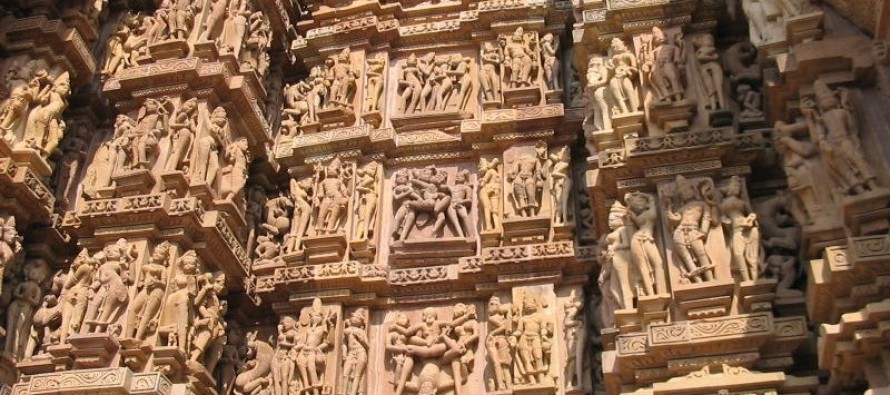
Gupta Sculptures in India

Gupta sculptures mirror the artistic talent that was predominant in the Gupta Dynasty. The Gupta Empire in India developed its own idiom for constructing sculptures and monuments.
201611020616215466156
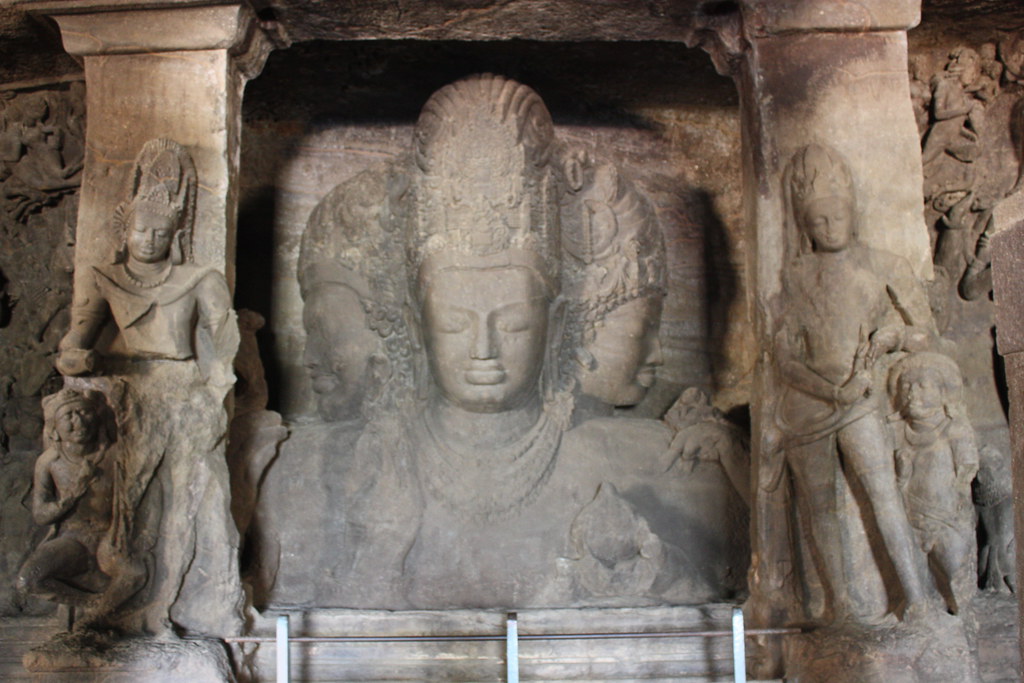
1.jpgThe Elephanta Cave temples and the structural temples at Kanchipuram in the state of TamilNadu   are the enduring legacy of Gupta rulers.

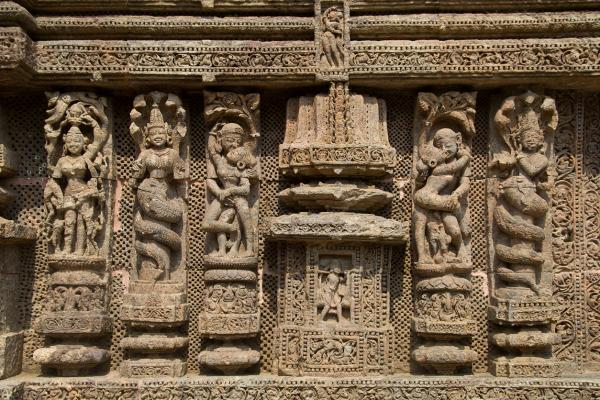
img_what_is_a_naga_in_hinduism_1340_paso_5_600Features of Gupta sculptures :
Some 'Nagarajas' and 'Naginis' from the apex of a disappeared pillar in Firozpur, a few miles away, have visibly extended serpent hoods; they and another pair in the Sand Museum are very much built in the Udaigiri style. Other than these, the terracotta in Gupta Era is also worth mentioning.
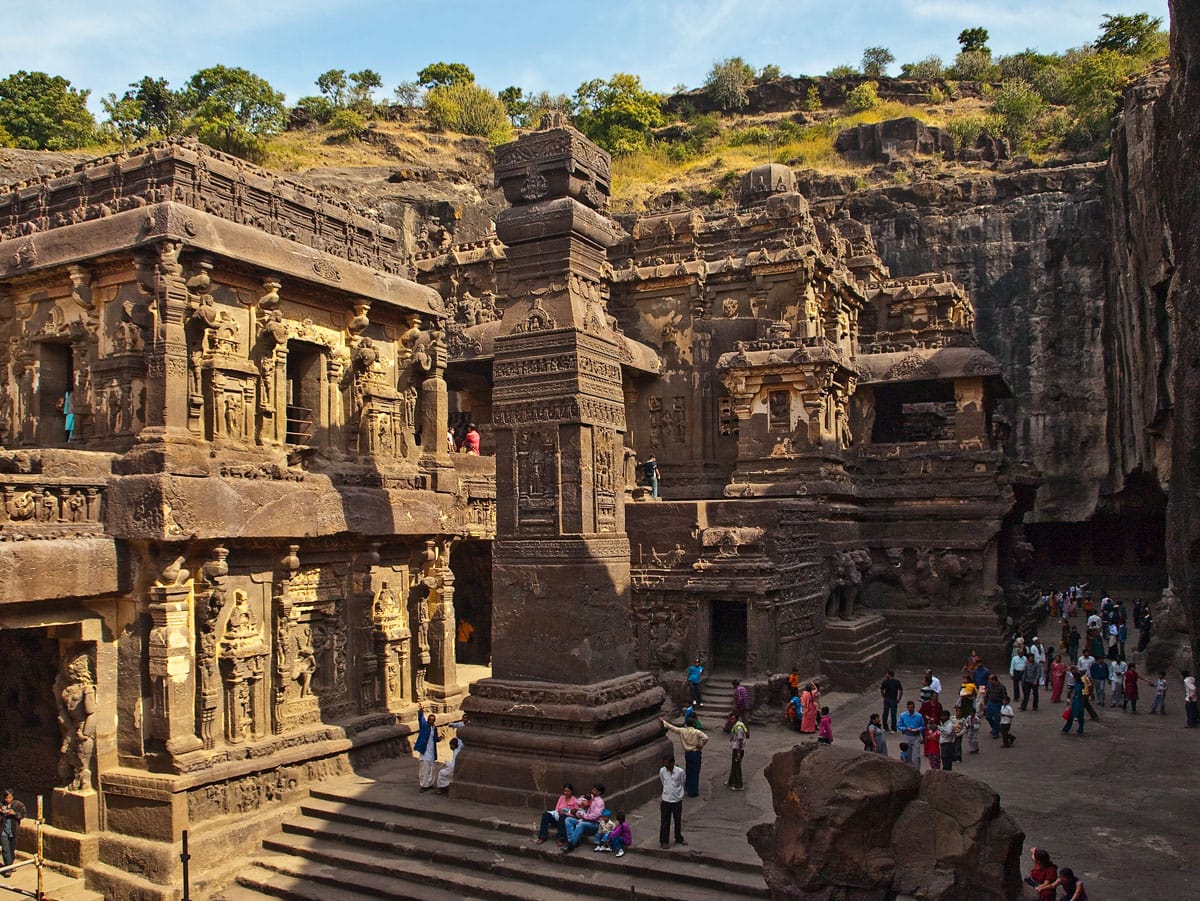
KailashTemple.jpg
Sculpture of rock-cut temples belonging to the post-Gupta period is of equal importance. The art and architecture of the Gupta Empire also included the Secular Architecture during Gupta PeriodBuddhist Structural buildings of Gupta Era and also the Brahmanical Architecture of Gupta Era.

Elephanta, TrimurtiCave Sculptures of Gupta Dynasty
The sculpture at Ellora Caves,
sculpture at Elephanta Caves and that of  the Ajanta Caves are worth checking out.  The earliest specimens of Gupta sculptures in a full-fledged early Gupta style are from Vidisha and Udaigiri Caves in the state Madhya Pradesh, in the Mathura tradition.

imagesTemple Sculptures of Gupta Dynasty
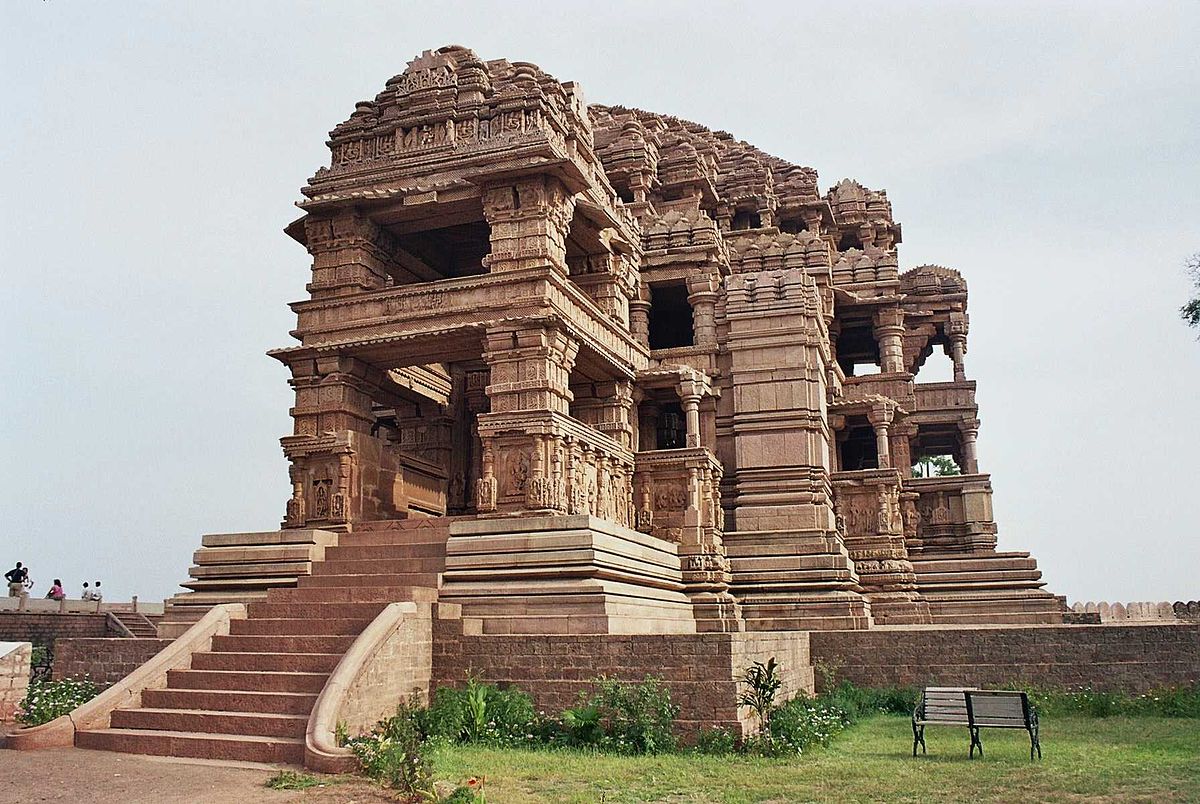
Sas_Bahu_Temple.jpgBuddhist and
Jain temples in India were erected throughout the empire and the more intricate images of the Mahayana  pantheon came into being.
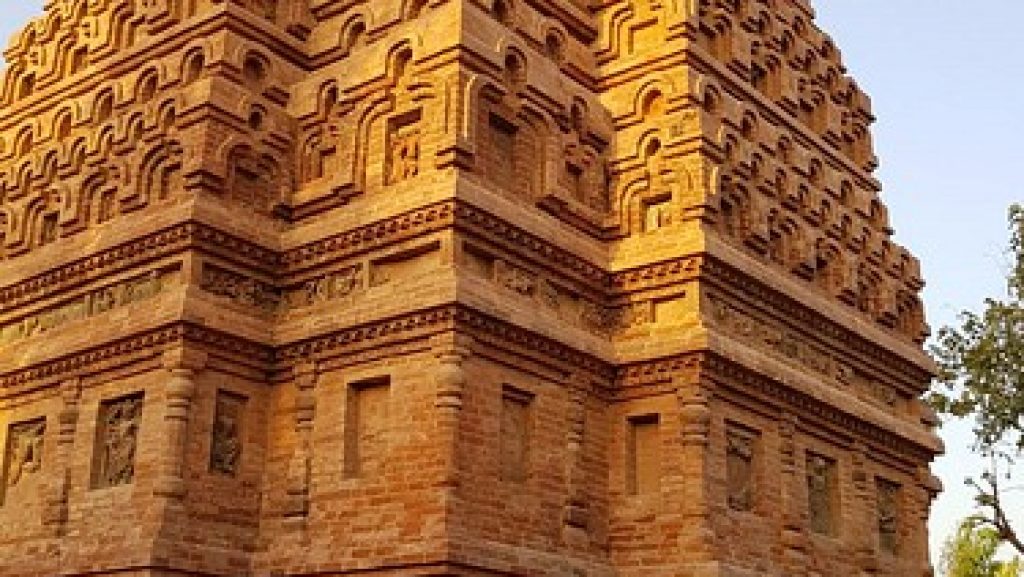
Bhitaragaon Temple.jpgThe temples had sculptural elements like the 'Nagas' and the 'Yakshas' were substituted as independent cult images by

the Gods and Goddesses of the two great theistic cults.

Other than these the sculpture of Dashavatara Temple(Deogarh),
74677-004-13782FDD.jpgsculpture of Bhitaragaon TempleVaishnavite Tigawa Temple   at Jabalpur in Madhya Pradesh state and others are also some of the examples of Gupta sculptures.

The other architectural marvels during the Gupta period comprise the sculpture of Parvati Temple (Nachana), sculpture of
Shiva Temple (Bhumara) and sculpture of Vishnu Temple (Tigawa).
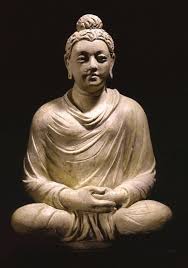
The 'Standing Buddha of Sarnath' and the 'Sitting Buddha of Mathura' in Uttar Pradesh are also immensely notable specimens of sculptural wonders, during the Gupta age.

Read more : Gupta Sculptures in India