Showing posts with label pranayama. Show all posts

Friday, 16 December 2022

Types of Pranayama


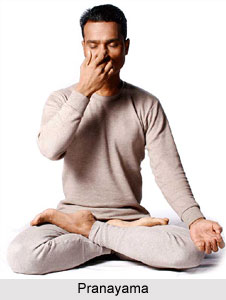
Types of Pranayama, YogaPranayama is the Yogic science of breathing. It is one such part of Yoga which helps one in mental and spiritual healing process. Oxygen is the most vital nutrient for the integrity of the brain, nerves, glands and internal organs.

Steps to Perform Pranayama
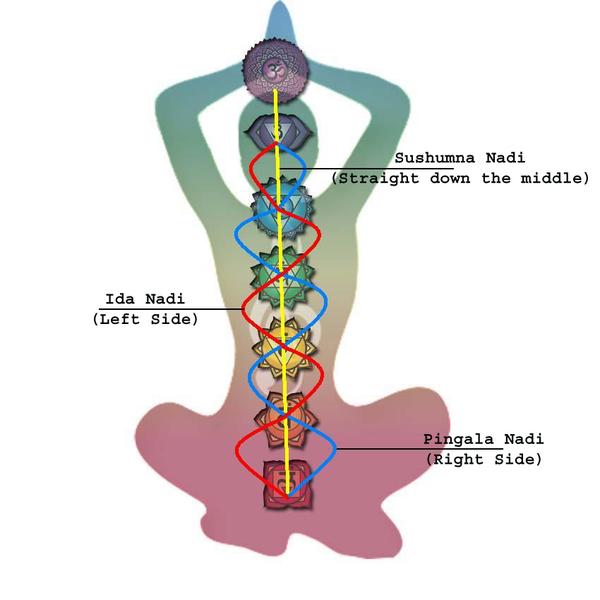
The Pranayama process involves a series of regulated breathing exercises that is used to purify the Pranic Nadis by controlling, regulating, and channelizing the Prana or the life force in the body. Pranayama techniques are best practiced while sitting on the floor on a folded blanket. It must be performed in empty stomach. Early morning is the best time to practice Pranayama, preferably before sunrise when the pollution is at its lowest level. One must dedicate at least 30-40 minutes to complete the entire pranayama series.

Major Types of Pranayama
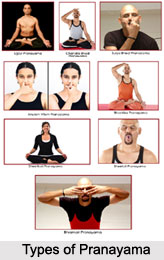
Different types of Pranayama have different effects on the health. The correct choice of Pranayama depends on many factors such as body constitution, season, purpose and many more. Some major types of pranayama yoga are as follows:

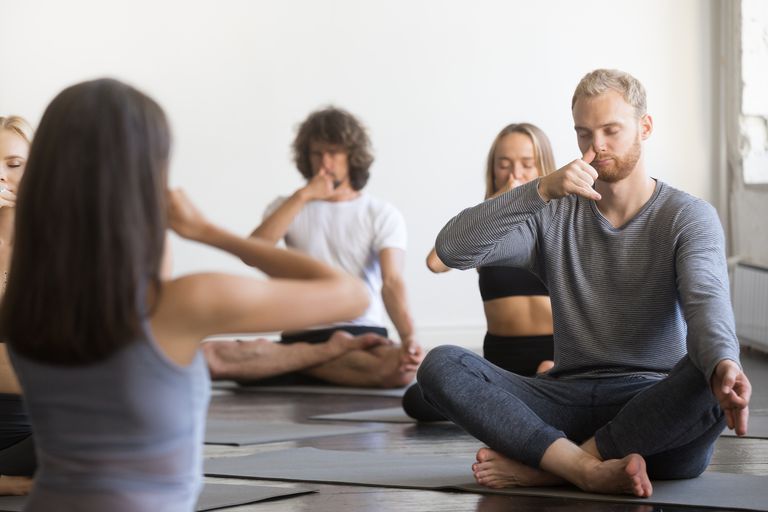
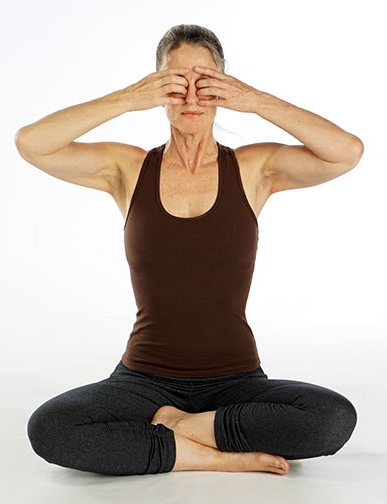
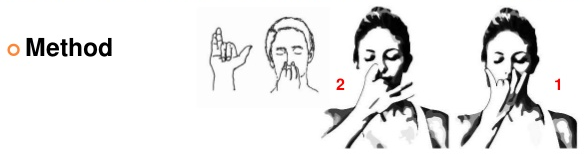
Nadi Sodhana: Pranava mudra is made by bending the index and middle finger towards the palm and slowly inhaling through the left nostril and exhaling through the right nostril and vice versa.

Shitali Pranayama: Shitali involves the inhalation of air through the tongue and then very slowly expelling the air using both the nostrils.

Shitkari Pranayama: In this yoga, one has to breath in air externally, both right and left nostrils will be used emphatically.

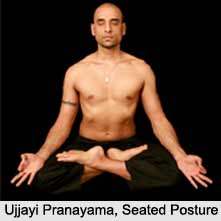
Ujjayi Pranayama: Ujjayi Pranayama is a diaphragmatic breathing technique- first filling the lower belly, activating the first and second ‘chakras’, rising to the lower rib cage to activate the third and fourth ‘chakras’ and finally up to the upper chest and throat.

Kapalabhati Pranayama: Kapalabhati is a breathing exercise where various breathing techniques are moulded to soothe the Yoga practitioners.

Chandranga Bhastrika: It is practised through left nostril, and it influences Ida nadi. It is relatively coolaning in nature. Hence it will not increase Pitta, but increases Vata and slightly Kapha.

For more, visit the link below:

Wednesday, 2 March 2022

Ujjayi Pranayama, Yoga Breath Exercise


Ujjayi Pranayama, Yoga Breath Exercise‘Pranayama’ in Sanskrit is a yoga breathing exercise essential to develop a deep and thorough yoga practice. Amongst the wide varieties of Pranayama that are popular throughout India, the ‘Ujjayi Pranayama’ is a prominent one. Pranayama is one of the classical Eight Limbs of Yoga, according to the ‘Yoga Sutras’, the ancient yoga text compiled by the sage Patanjali. There are about 70 types of Pranayama mentioned in the traditional texts. These breathing techniques in addition to deepening the yoga practice, calm and invigorate the body and the spirit, benefiting life of the mat. The Ujjayi Pranayama is one such exercise that calms the mind and warms the body. The technique involves breathing deeply through the nose, slightly contracting the throat and filling the lungs completely. It is widely used in Ashtanga and Vinyasa yoga practices. In the Ashtanga yoga, Ujjayi Pranayama is mentioned as the archetypal yoga breathing practice of controlling ‘prana’, the life force, through paused breath.

Etymology of Ujjayi Pranayama
The word ‘Ujjayi’ is a concoction of Sanskrit words 'ud' and 'jayi' which together mean "to be victorious" or "to conquer". ‘Pranayama’ is formed by two words ‘prana’ which means life force, particularly breath, and ‘ayama’, which refers to extend or draw out, thus signifying extension of breath. Quite ideally therefore, in Ujjayi Pranayama, the lungs of the practitioner are fully expanded as that of a mighty conqueror. It is also often referred to as "victorious breath." Given the sound it makes when performed correctly, this breath is also sometimes called the "ocean breath" or "hissing breath". Many yoga teachers simply refer to it as "Ujjayi breath".

Technique of Ujjayi Pranayama
Ujjayi Pranayama is a diaphragmatic breathing technique, first filling the lower belly, activating the first and second ‘chakras’ (energy points or nodes in a subtle body, one of a series of psycho-spiritual elements of living beings), rising to the lower rib cage to activate the third and fourth ‘chakras’ and finally up to the upper chest and throat. Unlike some other forms of Pranayama, the Ujjayi breath is typically performed with ‘asana’ (the place and posture while practising yoga) practice. The distinct exercise aids in stretching the breath whilst warming it, by prior letting it into the lungs and therefore heating the body. The 3 breathing techniques of ‘Puraka’, ‘Kumbhaka’ and ‘Rechaka’ form the wholesome process of Ujjayi Pranayama.

Puraka: The process of single inhalation has been termed as Puraka. In Ujjayi Pranayama, Puraka is therefore the act of inhalation through the nose, where the "ocean sound" is created by moving the glottis as air passes in. As the throat passage is narrowed and thus, so is the airway, the passage of air through which creates a hissing sound.

Kumbhaka: In Pranayama, Kumbhaka stands for a particular breathing technique. The apt process of suspension and retention of breath is the key element in Kumbhaka, performed while inhalation, termed as ‘Antara Kumbhaka’ (retaining the air after slightly forceful inhalation, thus filling the lungs with more air than normal) as well as exhalation, termed as ‘Bahya Kumbhaka’ (suspending the breath after exhaling more air than normal).

For more, visit the link below:
Monday, 7 September 2020

Pranayama, Yoga


Pranayama is the formal practice of controlling the breath, which is the source of Prana, or vital life force. It is a process by which the mind is controlled by voluntary regulation of the breathing. From yogic point of view it is a path that connects one's physical existence and the spiritual consciousness. According to Patanjali, a slightest change brought in the normal speed of breathing is ‘Pranayama’. Also systematically controlled and prolonged inhalations and exhalations constitute Pranayama. Obviously to do this a voluntary control is necessary. In normal breathing also, there is a pause between inhalation and exhalation that may be only for a few milliseconds. Therefore voluntary control brought on any one of the three, i.e., inhalation, exhalation, the pause, or on all three, will be called ‘Pranayama’.


Etymology of Pranayama
The word Pranayama is formed by 2 words i.e., ‘Prana’ and ‘Ayama’. ‘Prana’ means life force, which provides energy to different organs and also controls many vital life processes, like respiration and circulation of blood. ‘Ayama’, on the other hand, signifies the voluntary effort to control and direct the Prana. PranayamaBreathing is one of the vital activities governed by Prana, considering that the mind could be controlled effectively with the voluntary regulation over breathing.

For more read the article: 

Thursday, 30 May 2019

Types of Pranayama, Yoga

group-of-young-sporty-people-making-alternate-nostril-breathing-846236716-5ad53edeff1b7800378f7ce2.jpg 
Pranayama is the Yogic science of breathing. It is one such part of Yoga which helps one in mental and spiritual healing process. Oxygen is the most vital nutrient for the integrity of the brain, nerves, glands and internal organs.

Steps to Perform Pranayama
The Pranayama process involves a series of regulated breathing exercises that is used to purify the Pranic Nadis
nadis-named-the-yoga-music-company_grande.jpg by controlling, regulating, and channelizing the Prana or the life force in the body.
asana


Major Types of Pranayama
Different types of Pranayama have different effects on the health.
pranayama.jpg
Surya Bhedana Pranayama: It generates heat. It increases Pitta Dosha and decreases Kapha Dosha.
bhramari_main.jpg
Bhramari Pranayama : It is more targeted towards mind and spirituality than the body. It balances all the three Doshas.

1111Kapalabhati
 Pranayama: Kapalabhati is a breathing exercise where various breathing techniques are moulded to soothe the Yoga practitioners.

www.jpg
Shitkari Pranayama: In this yoga, one has to breath in air externally, both right and left nostrils will be used emphatically.

Read more : Types of Pranayama, Yoga