Vaishnavism is the branch of Hinduism in which Lord Vishnu or one of his incarnations is worshipped as the supreme God. Members of Vaishnavism are called Vaishnavites or Vaishnavas. Vaishnavism is the largest Hindu denomination and it has numerous subdivisions. In addition to the Vedas, Vaishnavites especially revere the Bhagavad Gita, the Bhagavata Purana, the Vishnu Samhita and the Gita Govinda. These texts focus especially on Lord Vishnu or his incarnations Lord Krishna and Lord Rama.
Vaishnavism is predominantly monotheistic in its philosophy, but not exclusive. Vaishnavism is also viewed as a part of Bhakti Movement. The faction's beliefs and practices, particularly the concepts of Bhakti and Bhakti Yoga, are based principally on Upanishads and associated with the Vedas and Puranic texts like the Bhagavad Gita, the Padma, Vishnu and Bhagavata Puranas. Vaishnavism denounces caste system and the notion that intermediaries like Brahmins was needed to reach out to God.
Origin of Vaishnavism
The origin of Vaishnavism sect lies not in the Vedic Age, but in the pre-Vedic, non-Aryan Bhakti, devotional cult. As Vedism declined, this cult sprang forth strongly and was pivoted around Vasudeva. Vaishnavism faction was based on spiritual wisdom delivered by the Gods themselves. Lord Vishnu had delivered knowledge about the creation to Brahma. Brahma, in turn, passed this knowledge to Narada, his son. Narada imparted the wisdom to his disciples, including Vyasadeva. The latter is known to have resided in Badrinath, located amidst the sublime clime of Himalayas. In an attempt to save the spiritual wisdom from destruction in Kaliyug, Vyasadeva put it in a written form for the very first time. Till date the script of Vaishnava cult is transmitted from teachers to their disciples.
History of Vaishnavism
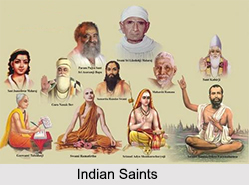
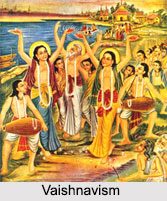
History of Vaishnavism depicts that Lord Vishnu had reincarnated himself as Sri Chaitanya Mahaprabhu to fight the Kaliyug. Chaitanya Mahaprabhu, in turn, had demonstrated the path of love, simple faith and devotion to reach out to God. Vaishnavism propagated that there is only one thing to which God responds and that is true devotion. Chaitanya Mahaprabhu, the reincarnation of Lord Krishna, was instrumental in helping the then contemporary society to break away from the shackles of rigid religious customs. The major characteristic of Vaishnavism, ‘Bhakti’ supports the devotee to escape from the ultimate cycle of death and birth. Besides Chaitanya, there also lies proof of various other committed Vaishnava religious leaders, who had become incidental to spread Vaishnavism. Some of these luminous sages include Ramanujacharya, Madhvacharya, Manavala Mamunigal, Vedanta Desika, Surdas, Meera Bai, Tulsidas, Jnanadeva, Anandamayi Ma and Tukaram.
For more read: