Showing posts with label uttarakhad. Show all posts

Wednesday, 10 July 2024

Western Himalayan Broadleaf Forests


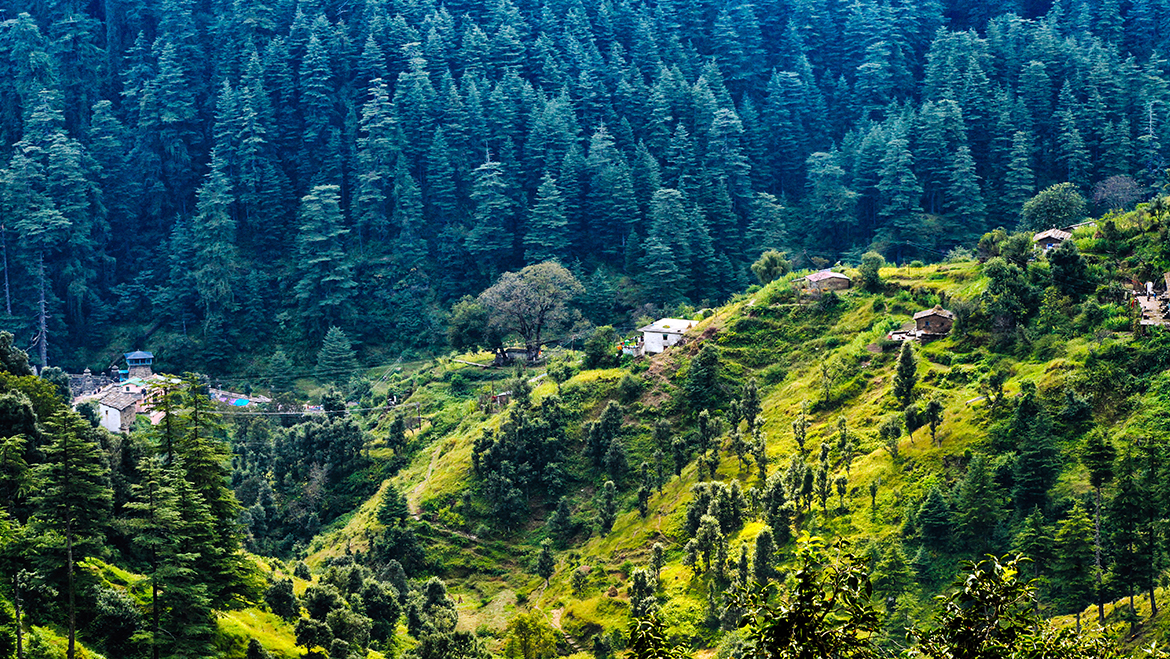
The Western Himalayan broadleaf forests are a vital component of India's rich and diverse ecological tapestry. Spanning the western ranges of the Himalayas, these forests host a variety of flora and fauna, playing a crucial role in maintaining ecological balance. This article explores the locations of these forests and their significance in India's ecology. 

Locations of Western Himalayan Broadleaf Forests

The Western Himalayan broadleaf forests are primarily located in the states of Himachal Pradesh and Uttarakhand, extending into the western regions of Jammu and Kashmir. These forests typically thrive at altitudes ranging from 1,500 to 3,000 meters above sea level. 

Himachal Pradesh

In Himachal Pradesh, the broadleaf forests are spread across several districts, including Kangra, Kullu, and Chamba. The forests in this region are known for their dense canopy and rich biodiversity. Popular tourist destinations such as the Great Himalayan National Park and the Pin Valley National Park fall within these forested areas. 

Uttarakhand

Uttarakhand is another state where these forests are prominently found. The Kedarnath Wildlife Sanctuary and the Valley of Flowers National Park are notable examples of protected areas within the Western Himalayan broadleaf forests. These regions are renowned for their picturesque landscapes and are home to numerous endemic plant and animal species. 

Ecological Significance

The Western Himalayan broadleaf forests play a pivotal role in the ecological health of the region. Their significance can be broadly categorized into biodiversity conservation, water regulation, and climate moderation. 

Biodiversity Conservation

These forests are a hotspot for biodiversity, hosting a myriad of plant and animal species. The dense foliage provides habitat and food for various mammals, birds, and insects. Key species include the endangered Western Tragopan, the Asiatic Black Bear, and the Himalayan Musk Deer. The rich plant diversity includes species such as oak, rhododendron, and maple. By supporting such a wide range of species, these forests contribute significantly to the overall biodiversity of the Himalayan region. 

Water Regulation

The Western Himalayan broadleaf forests are critical for water regulation in the region. They play a crucial role in maintaining the hydrological cycle by absorbing rainfall and slowly releasing it into rivers and streams. This natural regulation helps prevent soil erosion and reduces the risk of floods during the monsoon season. Additionally, these forests ensure a steady supply of water to downstream areas, which is essential for agriculture and human consumption. 

Climate Moderation

These forests contribute to climate moderation by acting as carbon sinks. They absorb carbon dioxide from the atmosphere, thereby helping to mitigate the effects of climate change. The dense vegetation also helps in maintaining local microclimates by regulating temperature and humidity levels. This climate moderation is vital for the health of the Himalayan ecosystem and the well-being of the communities residing in and around these forests. 

The Western Himalayan broadleaf forests are an integral part of India's natural heritage. Their locations in Himachal Pradesh, Uttarakhand, and parts of Jammu and Kashmir make them accessible and significant for both ecological and economic reasons. By conserving biodiversity, regulating water cycles, and moderating climate, these forests play a crucial role in sustaining the ecological balance of the region. It is imperative to continue efforts to protect and preserve these forests to ensure the health and prosperity of the environment and the communities that depend on them.

Monday, 31 July 2023

Tourism in Uttarakhand: Exploring the Splendors of Hill Stations, Lakes, Temples, and Wildlife Sanctuaries


Nestled in the lap of the majestic Himalayas, Uttarakhand is a treasure trove of natural wonders, spiritual sanctuaries, and diverse wildlife. This Indian state, often referred to as "Devbhumi" or the Land of Gods, has been a magnet for tourists seeking respite from the hustle and bustle of urban life and a rendezvous with nature's finest offerings. Let's embark on a journey to explore some of the most popular hill stations, serene lakes, ancient temples, and thriving wildlife sanctuaries that adorn the breathtaking landscape of Uttarakhand. Tourism In Uttarakhand


Hill Stations: Embracing Nature's Serenity

Nainital: Among the most sought-after hill stations in India, Nainital exudes charm with its emerald Naini Lake surrounded by lush hills. Boating on the serene lake, strolling along the Mall Road, and visiting the Naina Devi Temple are experiences that leave visitors enchanted.

Mussoorie: Fondly called the "Queen of Hills," Mussoorie is famous for its scenic beauty and pleasant climate. The Kempty Falls, Lal Tibba viewpoint, and Camel's Back Road are some of the must-visit attractions that offer breathtaking panoramas.

Dhanaulti: A lesser-known gem, Dhanaulti is a tranquil hill station known for its peaceful ambiance and lush alpine forests. The Eco Park and Surkanda Devi Temple are popular spots that offer a perfect blend of natural beauty and spirituality.

Lakes: Mirror-like Reflections

Bhimtal: Encircled by hills, Bhimtal is a serene lake town with the Bhimtal Lake as its centerpiece. Visitors can enjoy boating, explore the lakeside aquarium, and savor the peaceful environment.

Naukuchiatal: True to its name, Naukuchiatal boasts a nine-cornered lake surrounded by dense forests. It is an idyllic spot for nature lovers, birdwatchers, and those seeking tranquility.

Sattal: Named after the interconnected cluster of seven freshwater lakes, Sattal offers a serene escape amid nature's bounty. It is a paradise for migratory birds, making it a birdwatcher's delight.

Temples: Spiritual Sojourns

Kedarnath Temple: Perched at an elevation of 3,583 meters, Kedarnath Temple is one of the revered Char Dhams and holds immense religious significance. The trek to this sacred abode of Lord Shiva is a journey of devotion and endurance. Uttarakhand

Badrinath Temple: Another essential destination of the Char Dham Yatra, Badrinath Temple is dedicated to Lord Vishnu. Surrounded by snow-capped peaks, the temple offers a divine ambiance.

Haridwar: One of the holiest cities in India, Haridwar is famous for the Ganga Aarti at Har Ki Pauri. Devotees from all over the country gather here to seek blessings and witness the mesmerizing Ganga Aarti ritual.

Wildlife Sanctuaries: Biodiversity Unveiled

Jim Corbett National Park: India's oldest national park, Jim Corbett, is a haven for wildlife enthusiasts and nature photographers. It is home to the majestic Bengal tiger, along with elephants, leopards, and a myriad of avian species.

Rajaji National Park: Named after India's freedom fighter C. Rajagopalachari, Rajaji National Park is famous for its herds of Asian elephants and a diverse range of flora and fauna.

Binsar Wildlife Sanctuary: Situated amidst dense forests, Binsar Wildlife Sanctuary offers breathtaking views of the Himalayas. It shelters various wildlife species, including leopard, barking deer, and langur.

Responsible Tourism

As Uttarakhand continues to attract tourists from far and wide, the need for responsible tourism practices becomes paramount. Local authorities, NGOs, and tour operators are increasingly focusing on sustainability, conservation, and community involvement. Travelers are encouraged to be mindful of their ecological footprint, respect local customs, and contribute to the welfare of the region and its inhabitants.

Uttarakhand's tourism landscape is a symphony of hill stations, tranquil lakes, sacred temples, and vibrant wildlife sanctuaries that captivate the hearts of travelers. Whether it's the spiritual seeker, the nature enthusiast, or the adventure lover, Uttarakhand's diverse offerings cater to the desires of all. As visitors revel in the state's beauty, embracing responsible tourism practices ensures that this land of sublime beauty continues to thrive and enchant generations to come.

Thursday, 4 May 2023

River Kali/ Sharda in Uttarakhand


Kali River, also known as the Sharda River, is a significant river in India with immense potential for irrigation and hydroelectric power generation. Despite the challenges it faces, efforts have been made to address the issues and promote responsible behavior towards the river. With continued efforts, the Kali River can continue to support the livelihoods of people in the region and contribute to the development of the country. It flows from the Greater Himalayas near Kalapaani in Uttarakhand's Pithoragarh district. The river is approximately 400 kilometres long and has a basin size of 14,871 kilometres square. It is named after Goddess Kali, and her temple is located near the Lipu Lekh pass, which marks the border between India and Tibet.


 The Kali River enters the Terai plains after Brahmadev Mandi near Tanakpur, where it is called Sharda River. The river merges with the Gori Ganga at Jauljibi where a fair is held every year. The River then joins the Saryu River at Pancheshwar, and therefore the area around Pancheshwar is called 'Kali Kumaon. Belonging to the Ganges river system, the Kali River finally merges with the Ganga.

On its upper course from Kalapani to Tanakpur, the Kali River forms a continuous eastern boundary with Nepal. The river is called Sharda in the plains and flows along Nepal's western border with India. The river finally joins the Ghaghra River, a tributary of the Ganges. The river offers immense potential for irrigation and generation of hydroelectricity. It serves as the boundary between Uttarakhand's Kumaon Division and Nepal from a little below the Kalapani encamping ground. The Lipulekh pass, as well as the Limpayadhura pass or Limpiya pass, are on Uttarakhand's border with Tibet.

The Kali River offers potential for hydroelectric power generation, and the river is proposed as a source for one of the many projects in the Himalayan component of the Indian Rivers Inter-link project. The Pancheshwar Dam, a joint venture of India and Nepal for irrigation and hydro-electric power generation, was proposed on this river in 1995. However, Nepal and India have been unable to reach a decision on the 5,600-MW Pancheshwar multipurpose dam project because of political changes in two countries.

Efforts have been made to address these challenges. The Indian government has implemented several measures to reduce pollution in the river. Sewage treatment plants have been set up, and regulations have been put in place to control industrial pollution. Community participation and awareness campaigns have also been initiated to encourage responsible behavior towards the river.

For more, visit the link below:

https://www.indianetzone.com/14/kali_river_uttarakhand.htm


Tuesday, 30 July 2019

Ranikhet, Uttarakhand

r
Ranikhet is a popular picturesque hill station situated in Uttarakhand. This popular hill station is located in Almora district. Ranikhet, also known as Queen's Field, is considered as a divine and holy place that offers beautiful and clear panoramic views to the travellers.

r2History of Ranikhet

Ranikhet is said to have got its name through a popular legend of Rani Padmini, Queen of Raja Sudhardev who became fond of this awestruck scenic beauty and designated this place as her place of residence. Since then this place came to be known as Ranikhet or the Queen's
Field.
r3 
Geography of Ranikhet

Ranikhet positioned at an altitude of 1,869 metres offers a clear picturesque view of the snow-clad mountains, abundant green forests and the aromatic apple orchards make the atmosphere pleasing and filed with ecstasy. Ranikhet is positioned at 29 degree 65 minutes north and 79 degree 42 minutes east.

r4 Tourism in Ranikhet

Ranikhet offers a memorable and enriched travelling experience. The tranquillity and serene atmosphere of this hill station leaves the spectator enchanted. Some of the places worth visiting in Ranikhet are Golf course, Kalika temple, Jhula-Devi temple, Chaubattia garden, Hairakhan temple, Binsar Mahadev, Dronagiri, Bajinath temple, Katarmal (Sun temple) and Chamarkhan.

Read more : Ranikhet, Uttarakhand

Tuesday, 4 June 2019

Panch Shilas, Badrinath, Uttarakhand

tapta-kunda-by-agkd.jpg
There are five blocks of stones around the 
Tapta Kund called the Narad Shila, Narsingh Shila, Varaha Shila, Garur Shila and the Markandey Shila. All these five Shilas are revered of mythological importance. Narad Shila is where the sage Narad meditated for several years and the conical shaped stone is standing in the midst of the Tapta Kund and the Narad Kund.
garuda-puran-img-798874_l.jpgGaruda or Garur, Vishnu's mount
desiring to be always with the Lord Vishnu fasted and meditated on this stone near the Tapta Kund. It is called Garur Shila.
Read more : Panch Shilas, Badrinath, Uttarakhand