Showing posts with label rajasthani cuisine. Show all posts

Monday, 7 November 2022

Marwari Cuisine


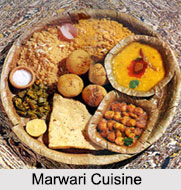
Marwari Cuisine, Indian Regional CuisineMarwari Cuisine is the cuisine of the people from the erstwhile princely state of Marwar in Rajasthan. It is primarily vegetarian and offers a fabulous variety of dishes. The cooking style used is mainly based on the natural climatic conditions of the desert land from where the Marwari people have originated. Food that lasted for several days and that could be eaten without heating was preferred, more out of necessity than choice.

Features of Marwari Cuisine
Marwari cooking has its own unique flavour where the simplest and the most basic of ingredients go into the preparation of most of the dishes. There are some specific reasons for the use of some specific ingredients. Most Marwari food is based on dried ingredients that is readied and kept. The harsh climate along with the insufficiency of a lot of ingredients has formed the traditional cuisine of this region of Rajasthan. Most Marwari cuisine adds ghee to the dishes in the raw form, oil is hardly used. The dish is prepared and ghee is added on top, which is the best way to consume fat.

The Marwari vegetarian food comes in two varieties; one is consumed by the local people who use various types of spices and herbs and the other one is the food consumed by the Marwari Jains. The Marwari Jain people prepare food without using onionsgarlic or any ingredient grown under the soil, except ginger and groundnuts.

For more, visit the link below:

Monday, 28 June 2021

Rajasthani Cuisine


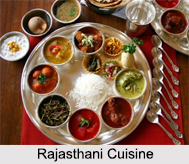
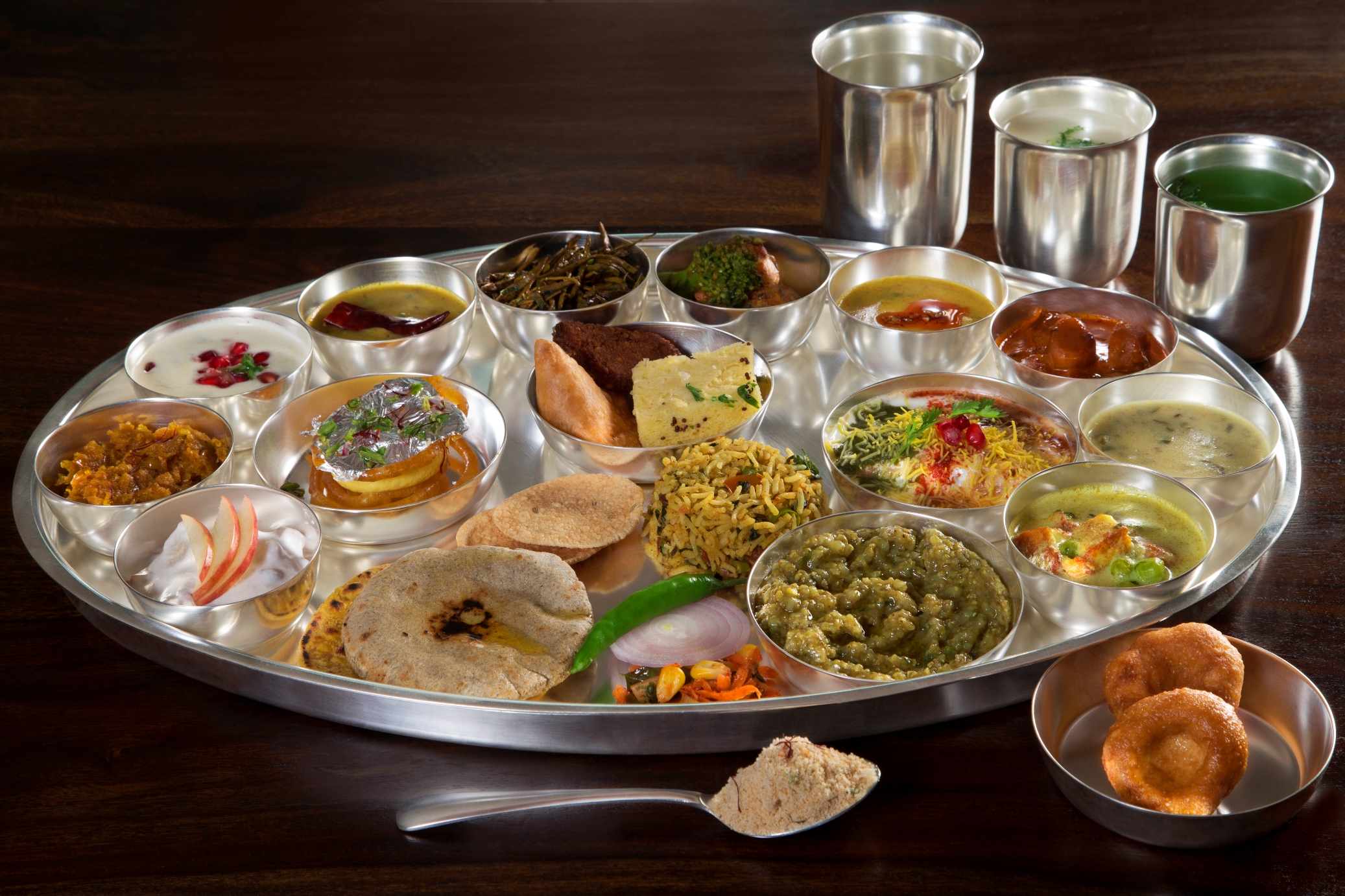
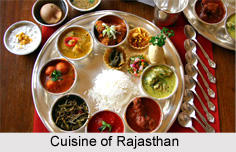
Rajasthani Cuisine, Indian Regional CuisineRajasthani Cuisine has been influenced by Rajput and Brahmins as well as by its arid topography. It is a place known for its variety of lip smacking snacks. Rajasthani Cuisine consists of food that stays for long and requires less or no heating. Water scarcity has affected on their cooking. The cuisine of Rajasthan is a delectable blend of multipleregional cuisines such as Mewari, Marwari, Shekhawati and Bikaneri.

Features of Rajasthani Cuisine
A lot of ghee is a prerequisite to most Rajasthani dishes. Besan is another ingredient that Rajasthani people relish. Use of milk and milk products instead of water is unique to this part, as it curtails water consumption and adds that extra flavour to the dish. The people of Rajasthan have moulded their culinary styles in such a way that many of their dishes can be shelved for several days and served without heating.

Rajasthani Cuisine, Indian Regional CuisineCooking in Rajasthan has its own distinctive taste and the simplest ingredients go into the preparation of most dishes. Dried lentils and beans from indigenous plants are used liberally. The staple grains of Rajasthan are bajra and corn. The popular chutneys of Rajasthan are made from locally available spices like turmericcoriandermint and garlic.

Various Delicacies of Rajasthan
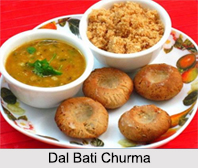
The signature delicacies of Rajasthan are ‘Dal Baati Churma’ and ‘Kachori’ to sweets like ‘Ghevar’, ‘Imarti’ and ‘Malpua’. Dal Baati Churma and Bikaneri Bhujia have garnered both national and international popularity. ‘Bajre ki Roti’ is very popular and healthy flat bread that is relished across Rajasthan. It is generally savoured with onions and ‘Lasun ki Chutney’. This combination has remained a staple food for the locals.

soup of legumes, flavoured with red chilli peppers, yogurt or milk and sometimes vegetables such as Okra, Jackfruit, Eggplant, Mustard or Fenugreek leaf are often eaten by the Rajasthani people.Rajasthani Cuisine, Indian Regional Cuisine

Marwari Cuisine of Rajasthan
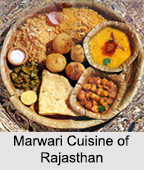
Marwari Cuisine of Rajasthan comes in two varieties i.e. the food eaten by the common man that includes use of various spices and herbs and the food of the Marwari Jains that is prepared without using onions, garlic or for that matter any ingredient growing under the soil except for ginger and groundnuts.

There are a variety of Marwari recipes ranging from ‘Bharwan Gatte’, ‘Arbi ka Khatta Shaak’, ‘Chane Jaiselmer Ke’, ‘Dahiwale Amrud’, ‘Ker Sangri’, ‘Papad Rolls’, ‘Mooli Bajra Roti’, ‘Lapsi’ and many more.

Monday, 14 June 2021

Awadhi Cuisine


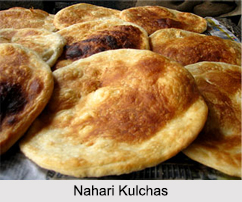
Awadhi CuisineAwadhi Cuisine is known for its dum cooking style. Dishes like kebabs, kormas, biryani, kaliya, nahari-kulchas, zarda, sheermal, roomali rotis and warqi parathas are specialities of this cuisine. The richness of Awadhi cuisine lies in its ingredients like mutton, paneer and rich spices like cardamom and saffron. It is a cuisine native to the Awadh region in Northern India. The cooking patterns of Lucknow are similar to those of Central Asia, the Middle East, and Northern India with the cuisine comprising both vegetarian and non-vegetarian dishes. The Awadh region has been greatly influenced by Mughal cooking techniques, and the cuisine of Lucknow bears similarities to those of Central Asia, KashmirPunjab and Hyderabad. The city is also known for its Nawabi foods.

Features of Awadhi Cuisine
Dastarkhwan is a carefully laid-out ceremonial dining spread that is customary in Awadh. The menu changes according to seasons. During winters rich food is consumed. Paye (trotters) is cooked overnight over a slow fire and the shorba (thick gravy) is eaten with naans. Turnips are also cooked overnight with meat koftas and served as an accompaniment during lunch. Birds like partridge and quail are consumed during winter as they are heat giving meats. Fish is relished in this time. River fish is preferred in Awadh. Peas are one of the used vegetable in this region.

The bawarchis (chefs) and rakabdars (gourmet cooks) of Awadh invented the dum style of cooking or the art of cooking over a slow fire, which has become synonymous with Lucknow today. Their spreads consisted of elaborate dishes such as kebabs, kormas, biryanis, kaliyas, nahari-kulchas, zarda, sheermal, rumali rotis, and warqi parathas. The richness of Awadh cuisine lies not only in the variety of cuisine but also in the ingredients used like mutton, paneer, and rich spices, which include cardamom and saffron.

Kebabs are an integral part of Awadhi food. Lucknow is proud of its Kebabs. There are several varieties of popular kebabs in Awadhi cuisinem namely Kakori Kebabs, Galawat ke Kebabs, Shami Kebabs, Boti Kebabs, Patili-ke-Kebabs, Ghutwa Kebabs and Seekh Kebabs are among the known varieties. The kebabs of Awadhi cuisine are distinct from the kebabs of Punjabi cuisine. Awadhi kebabs are grilled on a chula and sometimes in a skillet as opposed to grilling in a tandoor in Punjab. Awadhi kebabs are also called "chula" kebabs whereas the kebabs of Punjab are called "tandoori" kebabs.

Spices of Awadhi Cuisine
An Awadhi chef takes a long time to properly master how to cook dum-style, but it takes even longer to understand how to correctly use spices. There are easily fifty spices used regularly in the cuisine, but in total it is more like 150. The most common are Kebab Chini, Bay Leaf, Asafoetida or Hing, Liquorice, Black PeppercornStar Anise, Cinnamon, Clove, Cardamoms i.e. Badi Elaichi, Chotti Elaichi, Kala Jeera or Caraway Seeds, Cumin, Coriander, Chilies and Fenugreek.

Kebabs of Awadhi Cuisine The kebabs of Awadhi cuisine are distinct as they are grilled on a chula and sometimes in a skillet. The Seekh Kebab is one of the famous kebabs. Kakori kebab and shammi kebab are the most sought after kebabs. Other type of kebabs includes Galawat kebab, Pasanda Kebab, Boti kebab. There are even Vegetarian kebabs that include Dalcha Kebab, Kathal ke Kebab, Arbi ke Kebab, Rajma Galoti Kebab, Zamikand ke Kebab and so on.

For more on Awadhi recipes, check the link below:

Monday, 5 October 2020

Culture of Rajasthan


Culture of Rajasthan declares the western Indian colourful culture, folk songs and the dances with balance.


Rajasthani culture is enriched in heritage and ethnicity, encompassing the whole of Indian cultural scenario. The royal dynasties, which had ruled over the region, patronized varied art forms. To add to these, the folk communities contributed to the Rajathani culture with its treasure of equally rich folk cultural exuberance. Music depicts the simple and mundane chores of the Rajasthanis, coupled by high standardization of Indian classics.


Festivals of Rajasthan
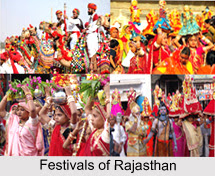
Festivals embellish the richness of Rajasthani culture, making the lives of Rajasthanis so full of colour and festivity. The pious Rajasthanis celebrate in great enthusiasm all the main festivals of India like DiwaliHoli, and Janmasthami. Desert festivals are exclusive to Rajasthani culture and the people fete in gusto.

Every year it is observed during the chilly seasons of winter. The fair too is organized with its own fun and frolic. Snake charmers, puppeteers, acrobats and artists enthral the tourists and the Rajasthani folks, glorifying the awe and beauty of the desert region. Camels are also a special attraction of the festival. In fact the festival plate certain wonderful game tricks perform by the camels that are part and parcel of Rajasthanis. Unique hard work is done in attiring the animal and prepares them to participate in the extravagant competition for judging the camel apparels. Other interesting competitions are the moustache and turban tying competitions and the people wholeheartedly enjoys these festivities. The Rajasthani damsels fete Gangaur, the eighteen-day long festival, in honor of Goddess Parvati, to seek husbands of their choice. In the month of August, a majestic fair is held at Gogamedi, in Rajasthan in August in memory of a folk god Gogaji.
Culture of RajasthanMusic and Dance of Rajasthan
Any study of Indian culture will be incomplete without taking some glimpse of its music and dance. Rajasthani culture, too, is quite opulent in this matter. Musical melodies of the folk culture are perfectly reflected by its tradition of dance and songs. Folk songs are usually ballads, which relate grand deeds of heroes and love tales. Religious and spiritual songs, namely, bhajans, and banis are also prevalent. They are usually performed in various joyful occasions in accompaniment of instruments like sarangi, dholak, sitar, etc. The Bhopa communities of Rajasthan sung narrative songs and strike the strings of 'Ravan -hatta' music instrument. Rajasthani culture has accumulated the prestige of worldly fame for its unique dance forms, namely, Kalbeliya dance of Jaisalmer and Ghoomar dance from Udaipur. Ghoomar is a customary female Rajasthani folk dance, participated by women dancers in whirling drapes, and accompanied by male and females singers.

For more click the link below:

https://www.indianetzone.com/5/rajasthani_culture.htm
Friday, 16 August 2019

Rajasthani Cuisine, Indian Regional Cuisine

r2 
Rajasthani Cuisine has been influenced by Rajput and Brahmins as well as by its arid topography. It is a place known for its variety of lip smacking snacks. Rajasthani Cuisine consists of food that stays for long and requires less or no heating. The cuisine of Rajasthan is a delectable blend of multiple regional cuisines such as Mewari, Marwari, Shekhawati and Bikaneri. 
r3Features of Rajasthani Cuisine

A lot of ghee is a prerequisite to most Rajasthani dishes. Besan is another ingredient that Rajasthani people relish. Use of milk and milk products instead of water is unique to this part, as it curtails water consumption and adds that extra flavour to the dish.


r4Various Delicacies of Rajasthan

The signature delicacies of Rajasthan are ‘Dal Baati Churma’ and ‘Kachori’ to sweets like ‘Ghevar’, ‘Imarti’ and ‘Malpua’. Dal Baati Churma and Bikaneri Bhujia have garnered both national and international popularity. ‘Bajre ki Roti’ is very popular and healthy flat bread that is relished across Rajasthan.

Marwari Cuisine of Rajasthan

r5Marwari Cuisine of Rajasthan comes in two varieties i.e. the food eaten by the common man that includes use of various spices and herbs and the food of the Marwari Jains that is prepared without using onions, garlic or for that matter any ingredient growing under the soil except for ginger and groundnuts.

Desserts of Rajasthan

r6Besides spicy flavours, each region is well known for its popular sweets. Jodhpur and Jaisalmer are famous for ‘Laddoos’, Pushkar for ‘Malpua’, Bikaner for ‘Rasgulla’, Udaipur for ‘Dil Jani’, Jaipur and Alwar for ‘Mishri Mawa’ and ‘Ghevar’, Jodhpur for ‘Mawa Kachori’, Ajmer for ‘Sohan Halwa’ and the famous ‘Jalebi’ can be found in all cities of Rajasthan.

Read more : Rajasthani Cuisine, Indian Regional Cuisine