Showing posts with label Lord Krishna. Show all posts

Wednesday, 29 July 2026

Kausika: The Lesser-Known Son of Vasudeva in Mahabharata

 Kausika, also spelled Kaushika, is a relatively obscure figure in Hindu mythology who is mentioned in the genealogical traditions associated with the Yadava dynasty. Although he does not play a prominent role in the narrative of the Mahabharata, his name appears in ancient Hindu texts as a member of Lord Krishna's extended family. Kausika is recognized as a half-brother of Lord Krishna and occupies a modest yet noteworthy place in the lineage of Vasudeva, one of the most important figures in the Yadu clan.


Parentage and Family Background

According to the Vishnu Purana, Kausika is the only son born to Vasudeva and his wife Vaishali. Vasudeva, a distinguished Yadu prince, is best known as the father of Lord Krishna and Lord Balarama. While Krishna was born to Devaki and Balarama to Rohini, Vasudeva had several wives, and Kausika was born through Vaishali. This makes him a half-brother of both Krishna and Balarama. 

The Vishnu Purana records Kausika among the many children of Vasudeva, preserving his place within the extensive Yadava genealogy. Although little is revealed about his personal life or achievements, his inclusion demonstrates the importance ancient Hindu literature placed on documenting royal family lineages. 

Kausika in the Mahabharata

In the Mahabharata, Kausika is portrayed as a minor character rather than an active participant in the epic's central events. Unlike Krishna, who serves as the guide and charioteer of Arjuna, or Balarama, who appears at significant moments throughout the narrative, Kausika does not receive an individual storyline or perform any notable heroic deeds. 

His mention primarily serves a genealogical purpose, identifying him as one of Vasudeva's sons and reinforcing the extensive family network of the Yadavas. As a result, Kausika remains a peripheral figure whose significance lies more in his lineage than in his actions. 

Significance in Hindu Genealogy

Ancient Hindu texts often devoted considerable attention to preserving dynastic records alongside religious narratives. Kausika's presence in the Vishnu Purana reflects this tradition of carefully recording the descendants of important royal families. His inclusion contributes to a more complete understanding of Vasudeva's household and the broader Yadava lineage from which Lord Krishna emerged. 

Although Kausika is overshadowed by his celebrated half-brothers, his mention illustrates the richness and complexity of the genealogical traditions found in Hindu scriptures. Such references help scholars and readers reconstruct the family connections that underpin many of the epic and Puranic narratives. 

Legacy

Kausika remains one of the lesser-known members of Krishna's family, with only brief references in the Mahabharata and the Vishnu Purana. Nevertheless, these mentions establish him as the only son of Vasudeva and Vaishali and affirm his place within the Yadava dynasty. While he does not influence the major events of Hindu mythology, Kausika's inclusion in ancient genealogical records reflects the comprehensive nature of India's epic and Puranic traditions, where even minor members of significant royal lineages were preserved for posterity.

Thursday, 20 April 2023

River Krishna


One of the principal rivers in India, the Krishna River passes through the states of Maharashtra, Karnataka, and Andhra Pradesh before it joins the Bay of Bengal. Hinduism regards the river as sacred, and it has long been vital to the area's culture and economics. 


Before it meets the sea, the river travels for a total of 1,400 kilometres from its source in Mahabaleshwar, Maharashtra, in the Western Ghats. The Bhima, Tungabhadra, and Ghataprabha rivers are only a few of the tributaries that feed it. The river has significantly influenced the geography of the area since it travels through a variety of landscapes, from hilly areas to productive plains. 

The Krishna River has long been an essential source of water for the region's agriculture. The river basin contains some of the country's most fertile plains, and irrigation is done with river water. The river plays a vital role in the creation of hydropower due to the various dams and hydroelectric power facilities built along its path. Flowing through many states in South India, Krishna river is considered one of the most important among all the rivers in Telangana.

The Krishna River is extremely important both culturally and religiously. The river is connected to Lord Krishna, one of Hinduism's most adored deities, in legend. Hindus regard the river as sacred because they think it to be a manifestation of Lord Krishna. The Kanaka Durga Temple, one of the most significant Hindu temples in the nation, is located in Vijayawada, a city on the banks of a river. The temple is devoted to Goddess Durga, who is thought to have appeared atop the Indrakeeladri hill that has a panoramic view of the city.  

The surrounding economy is significantly impacted by the Krishna River. The river provides thousands of fisherman with a means of subsistence while acting as a crucial conduit for the transportation of both people and commodities. Many tourists visit the river every year to admire the beauty of the river and its surroundings. The water from the river is essential to the running of many businesses in the area, especially those in the paper and sugar industries. 

The Krishna River does, however, also encounter a number of difficulties. Untreated sewage and industrial effluents are released into the river, which raises serious concerns about pollution. The ecosystem and the livelihoods of those who depend on the river have been harmed by the construction of dams and the diversion of water for irrigation. 

Krishna River is a significant cultural, religious, and economic entity in India. Its origin in the Western Ghats, course through Maharashtra, Karnataka, and Andhra Pradesh, and eventual meeting with the Bay of Bengal make it a vital part of the region's geography. However, the river faces several challenges, and it is essential to take measures to protect and conserve this valuable resource. By doing so, we can ensure that the Krishna river continues to play a crucial role in the culture and economy of the region for generations to come.

 For more, visit the link below:

https://www.indianetzone.com/2/krishna_river.htm


Friday, 28 February 2020

Krishna Temples in India

d4b7166420a10338497c352c14deb3ff--krishna-temple-lord-krishnalord-krishnaKrishna Temples in India are a tribute to the commonly worshipped Lord Krishna, symbol of supreme power and love.
prem-mandir
Krishna temples in India are scattered throughout the country. Lord Krishna is integrally associated with love, friendship, benevolence and mischief.
maxresdefault
Hence whether, it is north, south, west or east India, this deity is worshipped by all. While some devotees are fond of the 'bal gopal' (Krishna in his childhood), others are in awe of Krishna who delivered the messages inscribed in Bhagawad Gita to Arjuna.
10480989a483fbb9011caf2db1b4882c
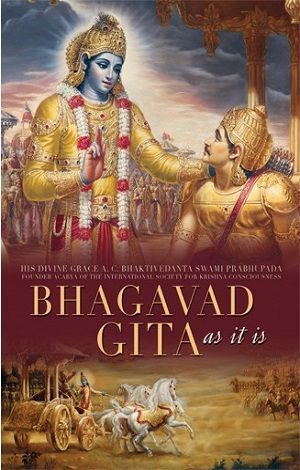
srimad-bhagavad-gita-as-it-is-28english-29-500x500Krishna is hailed as the eighth avatar of Lord Vishnu. Lord Krishna gave the highest form of teaching on the battlegrounds of Kurukshetra to its disciple Arjuna and this teaching later came to be known as the Bhagwad Gita which is recited by some people on a daily basis and also on auspicious occasions.

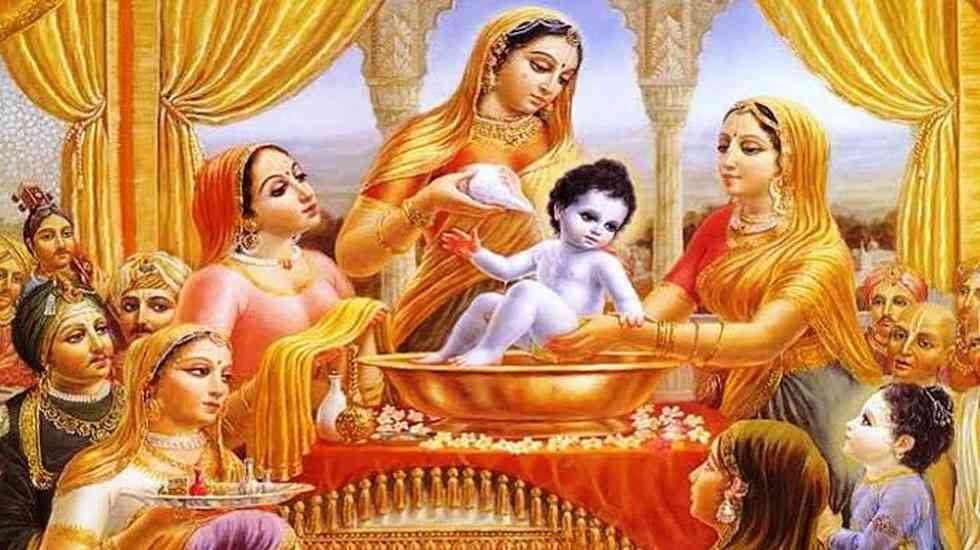
krishna-is-born-to-devaki-and-vasudeva-of-the-yadava-clan-in-mathura_1576643917593_namaste_inKrishna Janmashtami, the day on which the Lord Krishna was born, is regarded as one of the most auspicious occasions and it is celebrated all over India with much enthusiasm.

A majority of the Indian classical music collection in almost all the languages have their subject as the celebration of the childhood of Lord Krishna. ISKCON-Temples
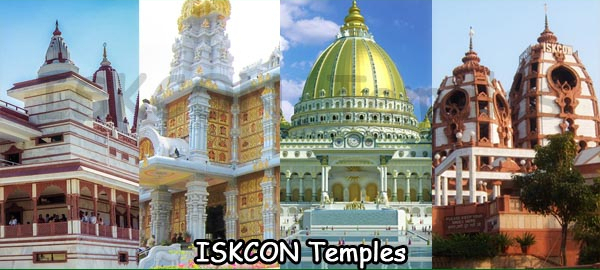
prem-mandir-vrindavan-1529306938indexSeveral Krishna Temples is India are found where the Lord is worshipped a large number of devotees. Some of the temples are Iskcon Temples in Delhi, West Bengal,Vrindavan Bengaluru and Tirupati, Dwarkadhish Temple in Dwarka, Guruvayoor Temple, Vrindavan Temples, Mathura Temples, Ashvakranta Temple in Guwahati, etc.

Read More :- Krishna Temples in India

Saturday, 23 July 2016

Gopi Talav, Dwarka, Gujarat

Gopi talav is a beautiful lake in Dwarka in Gujarat. It is believed that in this Talab Lord Krishna used to take bath with his gopiyas. To know more click on this link: 
http://www.indianetzone.com/77/gopi_talav.htm