 Forms of Indian classical dances are numerous, and were classified by the Hindu masters as of two kinds, 'Margi' and 'Desi'. The artistic composition of movement and its classification into various types of action is carefully described in the 'Natyashastra' of Bharata Muni. There are three main components elucidated in this ancient treatise. The first one is 'Natya' or actions that belong to the drama. Expressive movements of the body which are accompanied by facial expression and governed by rules of rhythm are called 'Nritya' or dancing. Nritta refers simply to movements of the limbs, and does not involve facial expression. Dancing is again divided into two kinds known as 'Tandava' and 'Lasya'. The Tandava dance is characterized by intense excitement, the heroic mood (Vir) and the touch of wrath. It also expresses cosmic activity, the divine conquest of evil or the attainment of bliss. It is performed by both sexes. Tandava dancing joined to vocal music often forms a prelude to a certain type of dramatic presentation. Lasya dancing includes amorous expression and graceful movement of the limbs. It is danced by women and their consorts. The 'Ras Leela' of Lord Krishna with the 'Gopis' of Vrindavan is of the Lasya kind. 'Laghu' dancing is performed by raising the heels slightly and alternately beating them on the floor.
 The most popular forms of classical dances practised in India involve Manipuri Dance, Bharata Natyam Dance, Odissi and several others, being widely prevalent in their patron states.
Bharata Natyam Classical Dance
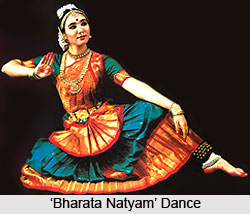
Bharata Natyam is a well acclaimed classical dance which is the 19th and 20th century modifications of the dance-form called 'Sadir' practised by 'Devadasis' or temple dancers. It is quite popular and widely patronised in Tamil Nadu, particularly appreciated for its tender elegance, sculptural 'mudras' and poses, and also its natural grace. Lord Shiva is believed to be the God of Bharata Natyam.
Chhau Classical Dance
The Indian tribal dance-form of Chhau is performed mainly in West Bengal, Jharkhand and Odisha and resembles martial arts to some extent. 'Purulia Chhau', 'Seraikella Chhau' and 'Mayurbhanj Chhau' are the various dances, classified according to its area of origin. Modern dance scholars are of the view that the term Chhau is a derivation of the Sanskrit term 'Chaya' implying mask or shadow.
Kathak Classical Dance
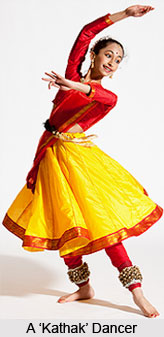
Kathak is one the most famous classical dances which is influenced by temple dances, the 'Bhakti Movement', central Asian dance and Persian dances which were often displayed in the Mughal courts. The nomadic storytellers who were known as 'Kathakars' are the ancestors of this dance form while Kathak is obtained from Sanskrit term 'katha' implying 'story'. It belongs to the 'gharana' of Varanasi, Jaipur and Lucknow, which can be traced to the courts of Nawab of Awadh, Kachwaha Rajput rulers, etc.
For more, visit the link below: