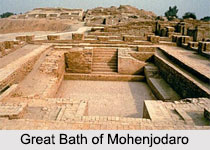
 With evolution through centuries, the Indian architecture is the result of socio-economic and geographical conditions. The different types of Indian architectural styles include a mass of expressions over space and time, transformed by the forces of history, culture and religion considered unique to India. Whether it is the Great Bath at Mohenjodaro or the Taj Mahal in Agra, Indian architecture has been successfully enamouring the connoisseurs of art and architecture for ages. The Indian architecture can be divided into several stages starting from 3300 BCE to the Indian Independence and the present era which are elaborately discussed below.
Ancient Indian Architecture
The history of Indian architecture dates back to the era of Indus Valley Civilization till the phase of the colonial architecture. Between the periods of 2600 to 1900 BCE, the Indus Valley Civilization produced several cities marked by great uniformity within and between sites, including Harappa, Lothaland Mohenjodaro. The design of these planned cities is remarkable with extremely minimalistic decorations. The architecture of Indus Valley Civilization shows the advanced level of societal development of the people of that era.
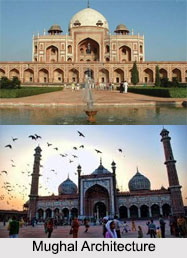 Among India's ancient architectural remains, the most characteristic are the temples, chaityas, viharas, stupas and other religious structures. The earliest existence of the ancient Indian architecture is the Buddhist and Jain structures. The Buddhist caves, monasteries and stupas are fine example of this which stored the sacred relics of Buddha. One such example can be the first monasteries such as the Jivakarama vihara in Rajgir, Bihar and the natural caves of Saptaparni.
Stone Architecture of India
During the period from 320 BCE to 550 BCE witnessed the rise of the Mauryan Empire, where the new wave of buildings were structured that mostly relied on the first examples of true stone architecture. It was during this time under the rule of Emperor Ashoka that 84,000 stupas were constructed all across India to distribute the sacred Buddhist relics. The capital city of Pataliputra, the Pillars of Ashoka and the Mahabodhi Temple in Bodh Gaya are just few of the examples of the impressive Indian architecture with stone during that period.
For more read:

