Showing posts with label biosphere reserve. Show all posts

Saturday, 18 July 2026

Dhasan River: A Lifeline of Bundelkhand and a Vital Tributary of the Betwa River

 Dhasan River is one of the important rivers of central India and serves as a right-bank tributary of the Betwa River. Flowing through the Bundelkhand region of Madhya Pradesh and Uttar Pradesh, it is among the major northeast-flowing tributaries of the Yamuna River in the rain-deficient areas of central India. The river has played a crucial role in shaping the region's drainage system, supporting agriculture, and sustaining local communities. Besides its geographical significance, the Dhasan River also holds historical importance. In ancient times, it was known as the Dasharna, a name that reflects its rich cultural and historical legacy.


Origin and Course

The Dhasan River originates in the Begumganj tehsil of Raisen district in Madhya Pradesh. From its source, it flows through the Sagar district before entering the Bundelkhand region. As the river continues its journey, it forms the southeastern boundary of Lalitpur district in Uttar Pradesh, serving as an important natural boundary between the two states. 

The river covers a total length of approximately 365 kilometres. Of this, around 240 kilometres flow through Madhya Pradesh, while nearly 54 kilometres form the shared boundary between Madhya Pradesh and Uttar Pradesh. The remaining 71 kilometres lie within Uttar Pradesh before the river ultimately merges with the Betwa River near Jhansi. Its extensive course contributes significantly to the river network of central India and supports the hydrological balance of the region. 

Geographical and Regional Importance

The Dhasan River is an integral part of the Bundelkhand landscape, a region known for its semi-arid climate and recurring water scarcity. As one of the principal northeast-flowing tributaries of the Yamuna River system, it plays a vital role in draining the central Indian plateau. The river helps recharge groundwater, supports local ecosystems, and provides water for domestic and agricultural needs. Its presence has influenced settlement patterns and economic activities across the region for centuries. 

Irrigation and Water Management

The Dhasan River has been harnessed through several water management projects to improve irrigation and agricultural productivity. Two major dams have been constructed on the river: the Pahari Ban Sujara Dam and the Ghat Lahchura Dam, which is located further downstream. These structures help regulate the river's flow and store water for irrigation and other developmental purposes. 

A significant milestone in the river's utilisation came in 1910 with the commissioning of the Dhasan Canal System. This three-branched irrigation canal network was designed to divert part of the river's flow to supply water across the Bundelkhand region. The canal system has greatly enhanced agricultural irrigation, helping farmers cultivate crops in an area frequently affected by low rainfall and drought conditions. 

The Dhasan River is far more than a tributary of the Betwa River. It is a vital natural resource that supports the ecology, agriculture, and economy of the Bundelkhand region. From its historical identity as the ancient Dasharna to its modern role in irrigation and water management, the river continues to sustain millions of people living in water-scarce areas. Its geographical significance and contribution to regional development make the Dhasan River an indispensable part of central India's river system.

Monday, 24 June 2024

Temperate Deciduous Forests in India


Temperate deciduous forests, characterized by trees that shed their leaves annually, are an important ecological component of India's diverse landscape. These forests, found in various parts of the country, play a crucial role in maintaining ecological balance, supporting biodiversity, and providing resources for local communities. 

Types of Temperate Deciduous Forests

In India, temperate deciduous forests can be broadly categorized into two main types: moist deciduous forests and dry deciduous forests. Each type has distinct characteristics and supports different types of vegetation. 

Moist Deciduous Forests: These forests are found in regions with high rainfall, typically between 1000-2000 mm annually. The trees in moist deciduous forests shed their leaves in the dry season to conserve water. Common species include teak, sal, and sandalwood. These forests are primarily located in the northeastern states, the foothills of the Himalayas, and parts of central India. 

Dry Deciduous Forests: Found in areas with moderate rainfall, between 700-1000 mm annually, dry deciduous forests have a shorter period of leaf shedding. Species such as acacia, banyan, and neem are predominant. These forests are mainly located in the Deccan Plateau, parts of Odisha, and the central regions of the country. 

Geographical Distribution

Temperate deciduous forests in India are spread across various geographical regions, each supporting unique ecological systems. 

Northeastern India: This region, including states like Assam, Meghalaya, and Nagaland, harbors extensive moist deciduous forests. The Brahmaputra Valley and the lower Himalayan slopes are particularly rich in these forests. The high rainfall and humidity support dense vegetation, including valuable timber species such as teak and sal. 

Himalayan Foothills: The foothills of the Himalayas, stretching across states like Uttarakhand, Himachal Pradesh, and parts of Jammu and Kashmir, host both moist and dry deciduous forests. The varied climate and altitude in this region create diverse habitats, supporting a wide range of flora and fauna. 

Central India: Central Indian states like Madhya Pradesh, Chhattisgarh, and parts of Maharashtra have significant tracts of moist and dry deciduous forests. The Satpura and Vindhya ranges are particularly notable for their rich biodiversity. These forests are crucial for local wildlife and are home to several national parks and wildlife sanctuaries. 

Deccan Plateau: The dry deciduous forests of the Deccan Plateau cover large areas in states such as Karnataka, Andhra Pradesh, and Telangana. These forests are adapted to the plateau's relatively lower rainfall and support species like teak, sandalwood, and various acacias.

Vegetation and Biodiversity 

Temperate deciduous forests in India support a diverse array of vegetation and wildlife. The type of vegetation varies depending on the specific forest type and geographical location. 

Tree Species: Common tree species in these forests include teak (Tectona grandis), sal (Shorea robusta), sandalwood (Santalum album), acacia (Acacia spp.), and neem (Azadirachta indica). These trees provide valuable timber and other forest products. 

Shrubs and Ground Flora: Understory vegetation includes a variety of shrubs, herbs, and grasses. Bamboo, lantana, and various medicinal plants are commonly found. This layer plays a vital role in the forest's ecological dynamics, providing habitat and food for numerous species. 

Wildlife: Temperate deciduous forests are rich in biodiversity, supporting a wide range of wildlife. Key species include tigers, leopards, elephants, deer, and numerous bird species. These forests are critical habitats for several endangered and endemic species. 

Temperate deciduous forests in India are an integral part of the country's natural heritage. They encompass a wide range of ecosystems, each with its unique vegetation and wildlife. These forests not only contribute to biodiversity conservation but also provide essential resources and ecological services. Sustainable management and conservation of these forests are crucial for maintaining ecological balance and supporting local communities.


Thursday, 8 December 2022

Reserved Forests in India


Reserved Forests in IndiaReserved forests in India are rich sources of the diverse wildlife of the country. Reserved forests in India enjoy considerably a higher degree of security as compared to the protected forests of the country. It is because of the reason that reserved forests in India do not permit grazing or hunting in its confines while protected forests allow with some degree of constraints. The term reserved forest was first introduced in the Indian Forest Act, 1927, to refer to those forests granted defence by the government in British India. However, even after the independence of the country, the Government of India held the status of reserved forests as well as integrating new reserved forests. Thus, a large number of forests that came under the jurisdiction of the Indian Government during the political integration of the country were primarily granted such defence. All reserve forests in India, be it the mountainous terrain of the Gulmarg Biosphere Reserve or be it the green plains of Nandan Kanan Reserve Forest, are infused with the sense of adventure.

Features of Reserved Forests in India
Unlike the national parks or the wildlife sanctuaries of the country, the reserved forests as well as the protected forests in India are declared by respective state governments. However, protected forests and reserved forests differ significantly. Protected forests are basically of two types namely demarcated protected forests and un-demarcated protected forests. In reserved forests the rights to activities such as hunting and grazing are not allowed. The reserved forests carry a living indication to helping hands that have been forwarded by Indian environmentalists and keen animal lovers. Reserved forests in India are often raised to the status of wildlife sanctuaries, which in turn may be upgraded to the position of national parks. Like for instance, Sariska National Park was announced a reserved forest of India in the year 1955, later upgraded to the position of wildlife sanctuary in the year 1958, and eventually becoming a tiger reserve in the year 1978. It became a national park in the year 1992.

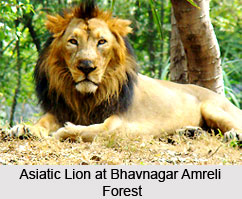
Reserved Forests in IndiaBhavnagar Amreli Forest
Bhavnagar Amreli Forest, situated in the Amreli district of Gujarat, is an Indian reserve forest famed for conserving Asiatic lions. Being the pride of Gujarat, the lions of the state were shifted to this forest on the instructions of the Central Government.

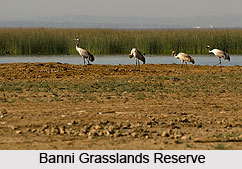
Banni Grasslands Reserve
Banni Grasslands Reserve is a part of the arid grassland ecosystem on the southern edge of the desert of the marshy salt flats of Rann of Kutch in Gujarat. Spanning over an area of 3847 square kilometres, the forest is popular owing to its rich biodiversity of flora and fauna. According to the Wildlife Institute of India, it is enlisted amongst the last remaining habitats of the Cheetah in India. The land of the forest has been formed by the deposition of sediments by the Indus and other rivers over a period of about thousand years.

For more, visit the link below:

Thursday, 11 November 2021

Indian Biosphere Reserves


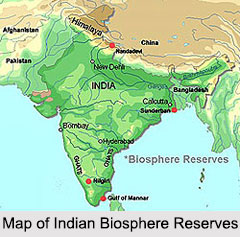
Indian Biosphere ReservesIndian biosphere reserves have been established for the protection of large areas providing natural habitats to wildlife in the country. Such areas include one or more national parks as well as buffer regions. In these reserves, protection is granted not only to the flora and fauna, but also to the human communities of the region. A biosphere integrates all living beings, their relationships in the world and their interactions with the elements of the lithosphere, hydrosphere and atmosphere. A biosphere reserve is an ecosystem in which plants and animals of unusual scientific interest exist. The term ‘biosphere reserve’ is an international conservation designation given to different areas under the UNESCO (United Nations Educational, Scientific and Cultural Organization) Man and the Biosphere (MAB) programme, operating since 1971. Around 18 biosphere reserves have been established by the Government of India. These reserves cover the East Himalayas, West Himalayas, Ganges delta, Western Ghats, Indian coasts, Andaman and Nicobar Islands, etc. In today's world, where global warming is becoming a huge threat to the entire human civilization, Indian biosphere reserves are providing a scope to study the biosphere and share knowledge on new ideas.

Criterions for Establishing Indian Biosphere Reserves
Indian biosphere reserves have been established by fulfilling all the required criterions. India is one of the biggest contributors of the programme of biosphere reserve. According to the Statutory Framework of the World Network of Biosphere Reserves, biosphere reserves are created with an intention 'to promote and demonstrate a balanced relationship between humans and the biosphere'. Another objective of biosphere reserves is to conserve in the original place, all forms of life and the support system, so that it can serve as a referral system for monitoring and evaluating changes in natural ecosystems. Article 4 of the Statutory Framework states that biosphere reserves must 'encompass a mosaic of ecological systems', and thus should consist of combinations of terrestrial, coastal or marine ecosystems. The conservation of these ecosystems and their biodiversity is sought to be maintained through appropriate zoning and management.

For more, check the link below:

Saturday, 12 November 2016

Dibru-Saikhowa National Park and Biosphere Reserve


The park covers a vast area of 650 sq km and situated only 13 kms away from the Tinsukia town. It is bounded by the Brahmaputra River and Arunachal Hills in the north and Dibru and Patkai Hills on the south. Find the mesmerising natural landscape here: