Showing posts with label animals. Show all posts

Thursday, 13 November 2025

Exploring the Rich Biodiversity of Karnataka


Karnataka, located in the southwestern part of India, is a state of striking ecological diversity. From the lush rainforests of the Western Ghats to the dry deciduous woodlands of the Deccan Plateau, the state’s varied landscapes nurture an impressive range of plant and animal life. This rich flora and fauna of Karnataka places it among the most ecologically significant regions in India, making it a vital center for conservation and natural heritage. 

The state’s topography and climate play a key role in shaping its vegetation. The Western Ghats, a UNESCO World Heritage Site, runs along Karnataka’s western border and is known for its dense evergreen and semi-evergreen forests. These forests are rich in tree species such as rosewood, teak, sandalwood, and mahogany, many of which are prized for their commercial and medicinal value. In contrast, the eastern and central parts of the state are dominated by dry deciduous forests and scrublands, supporting species that have adapted to lower rainfall and higher temperatures. 

Karnataka’s flora comprises both endemic and economically important species. The state is home to the famous Santalum album (Indian sandalwood), which thrives in its dry forests and has been a symbol of Karnataka’s natural wealth for centuries. The shola forests, found in the higher altitudes of the Western Ghats, harbor unique flora such as rhododendrons, wild balsams, and orchids that bloom seasonally, painting the hillsides in vivid hues. The biodiversity extends even to its grasslands and wetlands, which host numerous aquatic plants and grasses essential for maintaining ecological balance. 

The fauna of Karnataka is equally remarkable. The state shelters some of India’s most iconic wildlife species, protected within its numerous national parks and wildlife sanctuaries. Bannerghatta National Park near Bengaluru, Bandipur and Nagarhole National Parks in the Mysuru region, and Bhadra Wildlife Sanctuary in the Western Ghats are among the most prominent. These reserves provide refuge to Bengal tigers, Indian elephants, leopards, sloth bears, and gaur (Indian bison), among other species. 

Karnataka also supports a rich diversity of birdlife, attracting ornithologists and nature enthusiasts from across the world. The Ranganathittu Bird Sanctuary, situated near the Cauvery River, is home to over 200 species of birds, including painted storks, herons, and the rare black-headed ibis. The Western Ghats region, recognized as one of the world’s eight “hottest hotspots” of biodiversity, provides habitat to several endemic bird species such as the Malabar grey hornbill and the Nilgiri flycatcher.

Reptiles and amphibians are abundant too, with many endemic to the Western Ghats. The state’s rivers and wetlands sustain diverse fish populations, supporting local livelihoods and the aquatic food web. Insects, especially butterflies and dragonflies, add to the ecological vibrancy, making Karnataka’s ecosystems among the most balanced in India. 

In recent years, conservation efforts have gained momentum through protected areas, afforestation programs, and community-led initiatives. Yet, challenges like deforestation, habitat fragmentation, and human-wildlife conflict persist. Sustainable development and awareness are crucial to preserving this ecological wealth for future generations. 

Karnataka’s flora and fauna together form an intricate natural landscape, one that defines the state’s identity and highlights its role as a guardian of India’s biodiversity.

Thursday, 1 August 2024

Northern Dry Deciduous Forests in India


Northern Dry Deciduous Forests in India are primarily found in the northern and central regions of the country. These forests are prevalent in the states of Uttar Pradesh, Madhya Pradesh, Bihar, Jharkhand, Odisha, and parts of Maharashtra. They are characterized by a distinct dry season, during which the trees shed their leaves to conserve water. 

Types of Northern Dry Deciduous Forests

Northern Dry Deciduous Forests can be broadly categorized into two main types: 

Moist Dry Deciduous Forests: These forests are found in areas that receive slightly higher rainfall, usually between 1000 to 1500 mm annually. The canopy is moderately dense, and common tree species include Sal (Shorea robusta), Teak (Tectona grandis), and Bamboo (Dendrocalamus strictus). 

Dry Deciduous Scrub Forests: These are found in regions with lower annual rainfall, typically between 500 to 1000 mm. The vegetation in these areas is sparse, with a mix of stunted trees and shrubs. Common species include Acacia (Acacia catechu), Terminalia (Terminalia alata), and various grasses. 

Significance in the Ecology of India

Northern Dry Deciduous Forests play a crucial role in maintaining biodiversity in India. These forests are home to a wide variety of flora and fauna, including several endangered and endemic species. The diverse plant life provides habitat and food for numerous animals, birds, and insects, contributing to the ecological balance of the region. 

Soil Conservation

These forests significantly contribute to soil conservation. The roots of the trees and shrubs help in binding the soil, preventing erosion, and maintaining soil fertility. This is particularly important in areas prone to soil degradation and desertification. The leaf litter from these forests adds organic matter to the soil, enhancing its quality and supporting agriculture in the surrounding areas. 

Climate Regulation

Northern Dry Deciduous Forests have a substantial impact on the local and regional climate. They act as carbon sinks, absorbing carbon dioxide from the atmosphere and helping to mitigate the effects of climate change. The trees in these forests also release water vapor through transpiration, which contributes to local humidity and precipitation patterns, supporting agriculture and water resources. 

Livelihood Support

These forests are a source of livelihood for many rural communities. Local populations rely on the forests for timber, fuelwood, and non-timber forest products such as fruits, seeds, and medicinal plants. Sustainable management of these forests is essential to ensure that they continue to provide resources for these communities without degrading the ecosystem. 

Wildlife Habitat

The Northern Dry Deciduous Forests serve as critical habitats for various wildlife species, including large mammals like tigers, leopards, and elephants. These forests also support numerous bird species, making them important for bird conservation efforts. Protecting these habitats is essential for maintaining the wildlife populations and the ecological health of the region. 

Conservation Challenges

Despite their ecological importance, Northern Dry Deciduous Forests face several conservation challenges. Deforestation, illegal logging, and land conversion for agriculture are major threats. Additionally, climate change poses a significant risk, potentially altering the rainfall patterns and further stressing these ecosystems. Effective conservation strategies, including sustainable forest management, community involvement, and strict enforcement of forest protection laws, are necessary to safeguard these vital ecosystems in north India. 

Northern Dry Deciduous Forests are a critical component of India’s ecological landscape. They support biodiversity, aid in soil and climate regulation, provide livelihoods, and serve as important wildlife habitats. Ensuring their conservation is essential for maintaining the ecological balance and supporting the communities that depend on them.

Thursday, 25 July 2024

Forest Owlet


The Forest Owlet (Heteroglaux blewitti) is a rare and enigmatic bird species found primarily in the forests of central India. This bird, which belongs to the Strigidae family, was long thought to be extinct until its rediscovery in 1997. Since then, conservation efforts have been focused on understanding and protecting this unique species. 

Physical Features

The Forest Owlet is a small to medium-sized bird, measuring about 23 centimeters in length. It has a distinctive appearance characterized by a robust body, a large, rounded head, and striking yellow eyes. The bird's plumage is primarily brown with white spots on its upper parts, while its underparts are white with brown streaks. Its wings and tail are barred, and it has strong, curved talons, adapted for hunting. The Forest Owlet’s facial disk is not as pronounced as in other owl species, but it aids in its nocturnal hunting by directing sound to its ears. 

Habitat in India

The Forest Owlet inhabits the deciduous forests of central India, particularly in the states of Maharashtra and Madhya Pradesh. These forests are typically composed of teak, bamboo, and various other native trees, providing a dense canopy and a suitable environment for the owlet. The bird prefers areas with a mix of dense forest and open spaces, which facilitate its hunting activities. It primarily preys on small mammals, birds, and insects. The habitat's structure, with ample tree cover and minimal human disturbance, is crucial for the owlet's survival. 

Concentration in India

The Forest Owlet's population is highly fragmented and limited to a few specific regions in India. The primary areas where this species can be found include the Satpura and Melghat forest ranges in Maharashtra and the forests around the Narmada River in Madhya Pradesh. These regions provide the necessary habitat conditions for the owlet, but the population remains critically endangered. Habitat loss due to deforestation, agricultural expansion, and human encroachment poses significant threats to its survival. Conservation programs are focused on habitat protection, population monitoring, and raising awareness among local communities about the importance of preserving this rare bird. 

Conservation Efforts

Efforts to conserve the Forest Owlet have been ongoing since its rediscovery. Various organizations, including the Bombay Natural History Society (BNHS) and international conservation bodies, are actively involved in protecting this species of bird. Conservation strategies include habitat restoration, legal protection of forest areas, and research on the owlet's ecology and behavior. Community engagement and education programs are also crucial, as they help mitigate human-wildlife conflicts and promote sustainable practices that benefit both the local population and the Forest Owlet. 

The Forest Owlet is a remarkable bird with unique physical characteristics and a very limited distribution in central India. Its survival depends on concerted conservation efforts aimed at preserving its natural habitat and mitigating threats from human activities. By understanding and protecting this rare species, we contribute to the biodiversity and ecological health of India's forests.

Monday, 17 June 2024

Reserved Forests in India


Reserved forests in India are legally protected areas designated for the preservation of forest resources and wildlife. These forests are managed by state forest departments and are critical for maintaining ecological balance, biodiversity, and providing various ecosystem services. The concept of reserved forests dates back to the colonial period, and they continue to play a vital role in India's environmental conservation efforts. 

Types of Reserved Forests

India's reserved forests are primarily categorized into two types: Reserved Forests (RF) and Protected Forests (PF). 

Reserved Forests (RF): These forests enjoy the highest degree of protection. Entry, collection of forest produce, and grazing are strictly regulated and require government permission. The primary goal is to conserve biodiversity, protect endangered species, and maintain ecological integrity. 

Protected Forests (PF): These forests are less restrictive compared to Reserved Forests. Although they are protected by law, local communities may have certain rights to access forest resources. Management practices aim to balance conservation with sustainable use. 

Location of Reserved Forests

Reserved forests are spread across various states in India, each with its unique ecological characteristics and biodiversity. Key regions include: 

Western Ghats: This biodiversity hotspot hosts numerous reserved forests across Maharashtra, Karnataka, Kerala, and Tamil Nadu. Notable examples include the Nilgiri Biosphere Reserve and the Silent Valley National Park. 

Eastern Ghats: Stretching through Odisha, Andhra Pradesh, and Tamil Nadu, this region contains reserved forests such as the Simlipal National Park and the Seshachalam Hills.

Northeastern States: States like Assam, Arunachal Pradesh, Meghalaya, and Nagaland have vast tracts of reserved forests, including the Dehing Patkai Wildlife Sanctuary and Namdapha National Park. 

Central India: Madhya Pradesh and Chhattisgarh are known for their extensive forest cover, with reserved forests like Kanha National Park and Achanakmar-Amarkantak Biosphere Reserve. 

Northern India: Uttarakhand and Himachal Pradesh feature reserved forests within the Himalayan region, such as the Jim Corbett National Park and Great Himalayan National Park. 

Western India: Rajasthan and Gujarat have reserved forests like Ranthambore National Park and Gir Forest, known for their unique desert and semi-arid ecosystems. 

Significance of Reserved Forests

Reserved forests hold immense ecological, social, and economic significance. 

Biodiversity Conservation: Reserved forests are home to a vast array of flora and fauna, including many endangered and endemic species. They provide critical habitats that support wildlife conservation efforts and maintain genetic diversity. 

Climate Regulation: Forests play a crucial role in sequestering carbon dioxide, thus mitigating climate change. They also regulate local climates by maintaining humidity and temperature levels. 

Water Resource Management: Forests are integral to the hydrological cycle. They help in groundwater recharge, maintain river flows, and prevent soil erosion. Watersheds within reserved forests are vital for ensuring water security for surrounding communities. 

Livelihoods: Reserved forests support the livelihoods of millions of people, especially indigenous and rural communities. They provide non-timber forest products (NTFPs) such as fruits, nuts, medicinal plants, and fuelwood, which are essential for sustenance and income. 

Recreational and Educational Value: Many reserved forests are designated as national parks and wildlife sanctuaries, attracting tourists and researchers. They offer opportunities for ecotourism, education, and research, contributing to local economies and spreading environmental awareness. 

Reserved forests in India are a cornerstone of the nation's environmental conservation strategy. They protect biodiversity, regulate climate, support water management, and provide livelihoods. Ensuring the sustainable management and protection of these forests is crucial for maintaining ecological balance and securing the well-being of future generations.

Tuesday, 4 June 2024

Indian Forests


India, renowned for its diverse ecosystems, hosts an extensive range of forest types that play a vital role in the country's ecological balance and economy. This article provides an overview of the features, types, and locations of Indian forests, emphasizing their significance and distribution. 

Features of Indian Forests

Indian forests cover approximately 21.71% of the country's geographical area, which translates to around 712,249 square kilometers. These forests are characterized by a rich biodiversity, encompassing various flora and fauna species, some of which are endemic and endangered. The climatic conditions, ranging from tropical to temperate, influence the diversity of forest types found across the country. Indian forests also play a crucial role in carbon sequestration, water regulation, soil conservation, and providing livelihoods to millions of people. 

Types of Indian Forests

Indian forests can be broadly classified into several types based on their geographical and climatic conditions: 

Tropical Rainforests:

Located in the Andaman and Nicobar Islands, the Western Ghats, and the northeastern states, tropical rainforests are characterized by high rainfall and dense vegetation. These forests are home to a wide variety of species, including valuable timber trees and medicinal plants. 

Tropical Deciduous Forests:

These forests, also known as monsoon forests, are divided into moist and dry deciduous forests. Moist deciduous forests are found in regions with moderate rainfall, such as the eastern slopes of the Western Ghats and parts of the northeastern states. Dry deciduous forests are prevalent in areas with less rainfall, including the central and southern regions of India. 

Tropical Thorn Forests:

Predominantly found in the arid and semi-arid regions of Rajasthan, Gujarat, and parts of Haryana and Punjab, tropical thorn forests are characterized by hardy, thorny trees and shrubs adapted to dry conditions. 

Montane Forests:

Montane forests are located in the mountainous regions of the Himalayas and the Western Ghats. They are further categorized into temperate forests and alpine forests. Temperate forests, found at lower elevations, consist of broad-leaved trees, while alpine forests, at higher elevations, feature coniferous species. 

Mangrove Forests:

Mangrove forests are unique coastal ecosystems found in the deltaic regions of rivers like the Ganges, Mahanadi, and Godavari. The Sundarbans, located in the Ganges delta, is the largest mangrove forest in the world and is home to the Bengal tiger and various aquatic species.

Littoral and Swamp Forests:

These forests are found in the coastal regions and wetlands of India. They are characterized by waterlogged soils and support vegetation such as grasses, sedges, and small trees. These ecosystems are crucial for the survival of various bird species and act as natural buffers against coastal erosion. 

Locations of Major Forests in India

India's major forests are distributed across its length and breadth: 

Northeastern India: This region is known for its dense tropical rainforests and biodiversity hotspots, including the Kaziranga and Manas National Parks. 

Western Ghats: Spanning Maharashtra, Karnataka, Kerala, and Tamil Nadu, this region houses moist deciduous and tropical rainforests, recognized for their rich biodiversity. 

Central India: Madhya Pradesh and Chhattisgarh are notable for their dry deciduous forests and significant tiger reserves like Kanha and Bandhavgarh. 

Himalayan Region: This region features diverse forest types, from temperate to alpine, and includes protected areas like the Jim Corbett National Park and Nanda Devi Biosphere Reserve. 

Sundarbans: Located in West Bengal, the Sundarbans mangrove forest is renowned for its unique ecosystem and the Bengal tiger. 

Indian forests are integral to the country's environmental health, providing essential ecological services and supporting a myriad of life forms. Understanding the types and locations of these forests is crucial for their conservation and sustainable management. Effective preservation efforts are necessary to ensure the continued biodiversity and ecological balance of these vital natural resources.

Monday, 3 June 2024

Animal Welfare Board


The Animal Welfare Board of India (AWBI) is a statutory advisory body established in 1962 under Section 4 of the Prevention of Cruelty to Animals Act, 1960. It is dedicated to promoting the welfare of animals and ensuring their humane treatment. This article provides an in-depth look at the AWBI, focusing on its structure, operational framework, and regional presence within India. 

Structure and Physical Features

The AWBI operates under the aegis of the Ministry of Fisheries, Animal Husbandry and Dairying, Government of India. The Board comprises a Chairman, appointed by the Government of India, and other members representing various sectors including veterinary science, animal welfare organizations, and government agencies. The Chairman, often a retired senior bureaucrat or a prominent figure in animal welfare, leads the Board in policy formulation and implementation. 

The headquarters of the AWBI is located in Chennai, Tamil Nadu. The office is equipped with necessary infrastructure to support its operations, including administrative offices, meeting rooms, and a library containing extensive resources on animal welfare laws, guidelines, and practices. The physical features of the headquarters reflect the Board’s commitment to creating a conducive environment for its staff and stakeholders. 

Mandate and Functions

The AWBI's primary mandate is to advise the Government of India on animal welfare laws and policies. It plays a crucial role in the formulation and amendment of legislation related to animal protection. Additionally, the Board works on spreading awareness about animal welfare and the humane treatment of animals through educational programs, campaigns, and publications. 

One of the key functions of the AWBI is to grant recognition to Animal Welfare Organizations (AWOs) and provide financial assistance to these bodies. This support helps AWOs in conducting their activities, including the establishment of animal shelters, rescue operations, and veterinary care services. 

Habitat and Concentration in India

While the AWBI itself is an administrative body, its influence extends across various habitats in India where animal welfare activities are needed. The Board works in both urban and rural settings, addressing issues specific to different regions. Urban areas often face challenges related to stray animal management, whereas rural areas may require interventions in livestock welfare and prevention of cruelty during agricultural practices. 

In terms of concentration, the AWBI has a significant presence in states with active animal welfare organizations. Tamil Nadu, Maharashtra, Karnataka, and Delhi are notable for their robust networks of AWOs working in collaboration with the Board. These regions benefit from well-coordinated efforts between the AWBI and local animal welfare entities, resulting in more effective implementation of welfare programs. 

Achievements and Challenges

Over the years, the AWBI has achieved several milestones, including the introduction of animal birth control programs for managing stray dog populations and the development of guidelines for the humane treatment of working animals. The Board's efforts have led to increased public awareness and participation in animal welfare activities. 

However, the AWBI faces challenges such as limited financial resources and the need for greater enforcement of animal welfare laws. Ensuring nationwide compliance with regulations remains a complex task due to varying levels of awareness and infrastructure across different states. 

The Animal Welfare Board of India plays a pivotal role in promoting and ensuring the welfare of animals across the country. Its structured approach, combined with regional collaborations, enables it to address diverse animal welfare issues effectively. While challenges persist, the AWBI’s ongoing efforts and achievements underscore its vital contribution to animal welfare in India.

Saturday, 1 June 2024

Indian Swamp Deer


Their coat varies seasonally; in the summer, it is a bright reddish-brown, while in the winter, it turns a darker, more muted shade. The coat is short and coarse, providing adequate protection against the swampy and forested environments they inhabit. Barasingha possess long, slender legs adapted for wading through waterlogged terrains. Their large, expressive eyes and alert ears are suited for detecting predators in their often dense habitat. 

Habitat:

The Indian swamp deer primarily inhabits marshy grasslands, wetlands, and swamp forests. These areas provide the necessary cover and abundant water sources essential for their survival. Historically, Barasingha were widespread across the Indian subcontinent, but their range has significantly reduced due to habitat destruction and fragmentation. 

Swamp deer are highly dependent on their wetland habitats, which provide not only water but also the tall grasses and aquatic plants that make up their diet. They graze on a variety of grasses, herbs, and occasionally aquatic plants, making them true grazers in their ecosystem. During the monsoon season, these deer can be seen navigating the flooded areas of their habitat, while in the dry season, they remain close to water sources to avoid dehydration and overheating. 

Concentration in India

Today, the Indian swamp deer is found in fragmented populations across northern and central India. Significant populations are found in protected areas, with notable concentrations in the Kanha National Park in Madhya Pradesh, the Dudhwa National Park in Uttar Pradesh, and the Kaziranga National Park in Assam. These protected areas provide the critical habitat needed for the survival of the species and have been the focus of conservation efforts aimed at preventing further decline. 

Kanha National Park is particularly notable for its efforts in swamp deer conservation. The park's mixed deciduous forest and grassy meadows provide an ideal habitat for the Barasingha. Conservation measures, including habitat restoration and anti-poaching patrols, have been implemented to support the deer population. 

In Assam, Kaziranga National Park is another stronghold for the Barasingha, where they share their habitat with other iconic species such as the Indian rhinoceros and the Bengal tiger. The park's extensive grasslands and wetlands offer an optimal environment for the swamp deer to thrive. 

Dudhwa National Park, located in the Terai region of Uttar Pradesh, is another critical area for the Barasingha. The park's diverse habitats, including marshes and dense grasslands, support a stable population of swamp deer. 

Conservation Status

The Indian swamp deer is classified as Vulnerable on the IUCN Red List in wildlife due to its restricted range and declining population. Major threats include habitat loss due to agricultural expansion, human settlement, and poaching. Conservation initiatives focusing on habitat protection, anti-poaching measures, and awareness programs are crucial for ensuring the survival of this species. 

Indian swamp deer, with its distinctive physical characteristics and specialized habitat needs, is an important species within India’s diverse wildlife heritage. Continued conservation efforts are essential to protect and preserve this majestic deer for future generations.

Friday, 31 May 2024

Asiatic Wild Ass

The Asiatic Wild Ass (Equus hemionus), also known as the Onager, is a distinctive member of the Equidae family, characterized by its robust and muscular build. The species displays a sandy to reddish-brown coat, which lightens during the winter months to a paler, almost whitish hue. This coloration aids in camouflage within their natural habitats. They possess a dark dorsal stripe running from the nape to the tail, which serves as a key identifying feature. Adult Asiatic Wild Asses typically weigh between 200 to 290 kilograms and stand about 1.2 to 1.5 meters at the shoulder. Their legs are strong and slender, adapted for swift and sustained running, allowing them to reach speeds of up to 70 kilometers per hour.


Habitat

The Asiatic Wild Ass is primarily adapted to arid and semi-arid environments, thriving in regions where vegetation is sparse and water sources are scarce. Historically, their range extended across a vast expanse of Asia, from the Arabian Peninsula through Iran, Afghanistan, Pakistan, and into northern India and Tibet. However, due to habitat destruction, hunting, and competition with livestock, their range has significantly diminished. Today, they inhabit desert plains, grassy steppes, and mountainous terrains where they can find adequate forage and limited human disturbance. Their diet mainly consists of grasses, leaves, and bark, which they can digest efficiently, thus requiring minimal water intake—a critical adaptation for survival in harsh environments. 

Concentration in India

In India, the Asiatic Wild Ass is predominantly found in the Little Rann of Kutch in the state of Gujarat. This region serves as the last remaining stronghold for the Indian population of the species, known locally as the Khur. The Little Rann of Kutch, characterized by its saline desert plains and seasonal wetlands, provides a unique and suitable habitat for these animals. This area is part of the Indian Wild Ass Sanctuary, established in 1973 to protect the remaining population from further decline. The sanctuary spans approximately 5,000 square kilometers, encompassing a variety of landscapes, including marshes, grasslands, and scrublands, which are essential for the species' survival. 

Conservation efforts within the Indian Wild Ass Sanctuary have been relatively successful, leading to a gradual increase in the population. As of recent estimates, the population of Asiatic Wild Asses in the Little Rann of Kutch numbers around 4,000 individuals. This resurgence is attributed to stringent protection measures, habitat restoration, and community engagement initiatives aimed at reducing human-wildlife conflicts. 

Conservation Challenges

Despite the successes, the Asiatic Wild Ass faces ongoing threats that require continuous attention. Habitat fragmentation and degradation remain significant concerns, driven by industrial development, salt extraction activities, and the expansion of agriculture. Additionally, the encroachment of invasive plant species into their habitat reduces the availability of native forage. Climate change also poses a long-term threat to this wild animal, potentially altering the delicate balance of the desert ecosystem on which they depend. 

Efforts to mitigate these threats involve a combination of habitat management, legal protection, and scientific research. Monitoring programs track population dynamics and health, while community-based conservation projects aim to foster coexistence between local human populations and wildlife. 

The Asiatic Wild Ass stands as a resilient symbol of adaptation to harsh environments. Its presence in India, particularly within the Little Rann of Kutch, highlights the importance of dedicated conservation efforts. Continued focus on protecting and restoring their habitats, alongside fostering human-wildlife coexistence, remains crucial for ensuring the long-term survival of this remarkable species.

Thursday, 30 May 2024

Indian Black Buck


The Indian Black Buck (Antilope cervicapra) is a distinctive and elegant antelope species native to the Indian subcontinent. Notable for its striking appearance, the black buck exhibits pronounced sexual dimorphism. Males are characterized by their dark, almost black coats with white underparts and eye-catching spiral horns that can reach up to 70 centimeters in length. These horns have a unique twisted appearance with multiple tight coils. In contrast, females and juveniles possess a lighter, fawn-colored coat and typically lack horns. The body structure of the black buck is slender yet robust, with a length ranging from 120 to 140 centimeters and a shoulder height of approximately 74 to 84 centimeters. The species exhibits long, slender legs that are well-adapted for swift running, an essential trait for evading predators. 

Habitat

The Indian Black Buck thrives in open grasslands and lightly wooded areas, a habitat preference that aligns with their grazing diet. They are predominantly found in regions with a mix of short grasses and open spaces which facilitate their need for speed and agility. These habitats provide ample visibility to detect predators and sufficient ground cover for concealment. The black buck is also known to inhabit agricultural fields, particularly during the dry season when natural forage becomes scarce. Adapted to the arid and semi-arid conditions, they can often be seen in areas with low rainfall, where they are able to sustain themselves on the available vegetation. 

Distribution and Concentration in India

Historically, the black buck's range extended across the entire Indian subcontinent. However, due to habitat loss, hunting, and agricultural expansion, their population has become more fragmented. Today, significant concentrations of black buck are found in specific regions, primarily in the states of Rajasthan, Gujarat, Punjab, Haryana, Madhya Pradesh, Maharashtra, and Tamil Nadu. 

One of the most prominent strongholds for the black buck is the Velavadar Black Buck National Park in Gujarat. This park, established specifically for the conservation of the black buck, provides a safe haven where the species can thrive without the threats posed by human activities. Similarly, the Point Calimere Wildlife and Bird Sanctuary in Tamil Nadu and the Chilika Wildlife Sanctuary in Odisha are notable for their sizable black buck populations. 

In Rajasthan, the Tal Chhapar Sanctuary is another key habitat for the black buck. These protected areas play a crucial role in the preservation of the species, offering the necessary environment for feeding, breeding, and shelter. 

Conservation Status

The black buck is currently listed as "Least Concern" on the IUCN Red List due to their relatively stable population in protected areas. However, their numbers outside these sanctuaries are declining. Conservation efforts are critical to ensure their survival, focusing on habitat preservation, anti-poaching measures, and community engagement to mitigate human-wildlife conflicts. 

The Indian Black Buck is an emblematic species of the Indian grasslands, celebrated for its beauty and agility. Despite facing significant threats from habitat destruction and hunting, concerted conservation efforts have helped maintain stable populations in protected areas for animals. Ensuring the continued survival of the black buck requires ongoing commitment to habitat conservation and sustainable coexistence with human activities.

Friday, 24 May 2024

Asiatic Lions in India


Asiatic Lions, Indian Animal

Asiatic lion (Panthera leo persica) is a distinct subspecies of lion that is native to the Indian subcontinent. Physically, they are slightly smaller than their African counterparts. Adult males typically weigh between 160 and 190 kilograms, while females are smaller, weighing between 110 and 120 kilograms. The males have a less developed mane compared to African lions, often resulting in their ears being visible. This shorter mane helps in the humid and dense forest conditions of their habitat. Their coat color ranges from a ruddy tawny to a more sandy hue, providing effective camouflage in their environment. One of the most distinguishing features of Asiatic lions is the longitudinal fold of skin running along their belly, a trait not found in African lions. 

Habitat

The primary habitat of the Asiatic lion is the Gir Forest in the state of Gujarat, India. The Gir National Park and Wildlife Sanctuary is the last refuge for these lions. This region offers a mix of dry deciduous forests, acacia scrub, and open grassy areas, interspersed with rocky terrain. The climate in the Gir region is characterized by hot summers, a monsoon season, and mild winters, conditions to which the lions have well adapted. The forest provides ample cover and a variety of prey species, which are crucial for the survival of the lion population. Key prey includes chital (spotted deer), sambar (a large deer species), and wild boar, along with livestock from nearby villages, which occasionally results in human-wildlife conflict. 

Concentration in India

Historically, the Asiatic lion's range extended from the Middle East to India. However, due to hunting and habitat loss, their population dwindled significantly by the early 20th century. Today, their population is confined to the Gir Forest and surrounding areas in Gujarat. The latest census, conducted in 2020, estimated the population of Asiatic lions to be around 674 individuals, showing a positive growth trend from previous years. This concentration in Gir Forest makes it a critical area for conservation efforts. 

The state of Gujarat has implemented several conservation initiatives to protect and manage the Asiatic lion population. The Gir Protected Area Network includes the Gir National Park, Gir Sanctuary, Pania Sanctuary, and Mitiyala Sanctuary, encompassing a total area of about 1,412 square kilometers. These efforts have been instrumental in stabilizing and increasing the lion population. The establishment of the Gir Interpretation Zone at Devalia, a fenced-off area where lions are kept in a semi-wild environment, allows for better management and monitoring of the lion population while offering an educational experience for visitors. 

Conservation Challenges

Despite the positive growth in population, Asiatic lions face several conservation challenges. The limited geographic range makes the population vulnerable to disease outbreaks, genetic bottleneck effects, and natural disasters. Human-wildlife conflict remains a significant issue as lions sometimes prey on livestock, leading to retaliation by local communities. Efforts to mitigate these conflicts include compensatory schemes for livestock loss and awareness programs to foster coexistence. 

Asiatic lion is a symbol of India's natural heritage and a testament to successful conservation efforts of Indian wildlife. While confined to the Gir Forest and its vicinity, the growing population of these majestic animals showcases the effectiveness of dedicated wildlife management and conservation strategies. However, ongoing efforts are essential to address the challenges of habitat limitation, genetic diversity, and human-wildlife conflict to ensure the long-term survival of the Asiatic lion in India.

Thursday, 23 May 2024

Indian Wild Boar


Wild Boar, Indian AnimalThe Indian wild boar (Sus scrofa cristatus) is a notable subspecies of the wild boar found predominantly in the Indian subcontinent. Adult males typically exhibit a robust and muscular build, with their body length ranging between 120 to 180 centimeters, and their weight fluctuating between 90 to 130 kilograms. Females, being slightly smaller, weigh between 60 to 100 kilograms. One of the most distinctive features of the Indian wild boar is its coarse, dark bristly coat, which often appears black or dark brown. The underparts tend to be lighter in color. 
The species is characterized by a pronounced crest of hair running along its back, extending from the neck to the rump, which becomes more prominent when the animal is agitated or alarmed. The snout is elongated and ends in a disk-like structure, facilitating their rooting behavior. Their tusks, particularly in males, are well-developed and can grow up to 15 centimeters in length. These tusks curve outward and upward, serving as formidable weapons for defense and dominance displays. 

Habitat

Indian wild boars are highly adaptable animals, capable of thriving in a variety of habitats. They are primarily found in tropical and subtropical regions, favoring dense forests, grasslands, and scrublands. Their habitat preference includes areas with ample cover and access to water sources. They are also known to inhabit agricultural fields and orchards, often leading to conflicts with human populations due to crop raiding. 

These boars are both nocturnal and crepuscular, being most active during the dawn, dusk, and nighttime hours. During the day, they seek shelter in dense undergrowth, thickets, or burrows. Their diet is omnivorous, consisting of roots, tubers, fruits, small mammals, insects, and carrion. This varied diet contributes to their adaptability and survival in diverse environments.

Concentration in India

The distribution of Indian wild boars spans across the Indian subcontinent, including India, Nepal, Sri Lanka, and parts of Bangladesh and Bhutan. Within India, they are widespread, found in almost all states and union territories. Significant populations are observed in the dense forests of the Western Ghats, the Himalayan foothills, and the Sundarbans mangrove forest. They are also prevalent in the forests of central India, including Madhya Pradesh, Chhattisgarh, and Jharkhand. 

In protected areas and national parks such as Jim Corbett National Park, Ranthambore National Park, and Kaziranga National Park, the Indian wild boar is a common sight. These regions offer them a safe haven with abundant food and minimal human disturbance. However, outside protected areas, their population dynamics are influenced by human activities, including hunting and habitat encroachment. 

Conservation Status

While the Indian wild boar is not currently listed as endangered, it faces several threats that could impact its population in the long term. Habitat loss due to deforestation, agricultural expansion, and urbanization poses a significant threat to this wild animal. Additionally, they are often hunted for their meat and as a means of pest control by farmers. Conservation efforts are focused on habitat preservation, mitigating human-wildlife conflict, and enforcing hunting regulations. 

Indian wild boar is a resilient and adaptable species with distinct physical characteristics and a wide distribution across India. Understanding their habitat requirements and population trends is crucial for ensuring their continued survival amidst the growing challenges of habitat degradation and human encroachment.

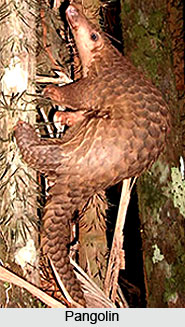
Indian Pangolin


Pangolin, Indian Animal

The Indian pangolin, scientifically known as Manis crassicaudata, is a unique mammal known for its distinctive physical characteristics. It is covered in large, overlapping scales made of keratin, the same material as human nails and hair. These scales serve as a protective armor against predators. An adult Indian pangolin typically measures between 45 to 75 centimeters in length, excluding the tail, which can add an additional 33 to 45 centimeters. The weight of this species ranges from 10 to 16 kilograms. Their color varies from yellow-brown to dark brown, and they possess small, conical heads with no teeth. Instead, they have long, sticky tongues, which can extend up to 40 centimeters, designed to capture ants and termites, their primary diet. 

Habitat

Indian pangolins are primarily nocturnal and solitary creatures, known for their secretive nature. They inhabit a variety of environments, including tropical forests, grasslands, and dry, arid regions. These mammals are adept burrowers, often constructing intricate underground tunnels that can reach depths of up to 5 meters. These burrows provide shelter and protection from extreme weather and predators. Their habitat preference includes areas with abundant ant and termite populations, as these insects constitute their main food source. The pangolins use their powerful forelimbs and sharp claws to dig into termite mounds and ant nests. 

Concentration in India

The Indian pangolin is widely distributed across the Indian subcontinent. In India, their presence is noted in various states including Andhra Pradesh, Chhattisgarh, Jharkhand, Karnataka, Kerala, Madhya Pradesh, Odisha, Tamil Nadu, and West Bengal. Additionally, they are found in the Himalayan foothills and the northeastern parts of the country. Despite their broad distribution, the population density of Indian pangolins is relatively low, and they are considered a rare species in many areas. 

The species faces significant threats from poaching and habitat destruction. Pangolins are heavily poached for their scales, which are highly valued in traditional medicine and for making ornaments. Their meat is also considered a delicacy in some cultures. These pressures have led to a severe decline in their population. As a result, the Indian pangolin is listed as Endangered on the International Union for Conservation of Nature (IUCN) Red List. 

Conservation Efforts

To combat the decline in the Indian pangolin population, several conservation measures have been implemented. These include legal protection under national and international laws. In India, the species is protected under the Wildlife Protection Act of 1972, which prohibits hunting and trade of pangolins. Additionally, various wildlife organizations and NGOs are working towards the conservation of this species through habitat preservation, anti-poaching efforts, and awareness campaigns. 

Conservationists emphasize the importance of habitat conservation and restoration to ensure a stable environment for the Indian pangolin. Education and community involvement are also critical, as they help reduce human-pangolin conflicts and raise awareness about the species' plight. 

The Indian pangolin, with its unique physical features and specialized diet, plays a crucial role in the ecosystem by controlling insect populations. It is an integral part of Indian flora and fauna Despite its wide distribution in India, it faces significant threats that have led to its endangered status. Conservation efforts, including legal protection and community engagement, are essential for ensuring the survival of this remarkable species. Protecting the Indian pangolin requires continued dedication and collaborative efforts to address the challenges posed by poaching and habitat destruction.

Wednesday, 22 May 2024

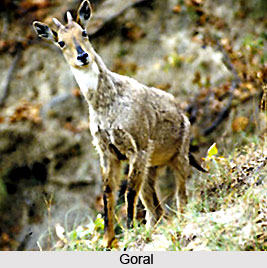
Gorals in India


Goral, Indian Animal

Gorals are small ungulates that belong to the Bovidae family, closely related to goats and antelopes. They exhibit a sturdy build with a stocky body, short legs, and a compact stature. Adult gorals typically stand about 60-75 cm at the shoulder and weigh between 20-30 kg. Their fur is dense and coarse, generally gray or brown with a lighter underbelly, providing effective camouflage in their natural habitat. Gorals possess distinctive physical characteristics including small, pointed horns that curve backward, and a short, bushy tail. Both males and females have horns, although the males' are slightly larger. Their hooves are adapted for climbing steep, rocky terrain, aiding their agility and sure-footedness in their mountainous environments. 

Habitat

Gorals are primarily found in mountainous regions, preferring rugged, rocky slopes and forested areas at high altitudes. They inhabit a range of altitudes from 1,000 to 4,000 meters above sea level. These animals are well-adapted to cold climates and can often be found in alpine and subalpine zones. Their habitats are typically characterized by a mix of cliffs, steep slopes, and dense vegetation, which provide them with both shelter and foraging opportunities. Gorals are herbivorous, feeding on a variety of grasses, leaves, and twigs. They are crepuscular, being most active during the early morning and late afternoon, which helps them avoid predators and the midday heat. 

Concentration in India

In India, gorals are found in several northern and northeastern states, inhabiting the Himalayan ranges. The three main species present in India are the Himalayan goral (Naemorhedus goral), the red goral (Naemorhedus baileyi), and the long-tailed goral (Naemorhedus caudatus). 

Himalayan Goral (Naemorhedus goral): This species is the most widespread and is predominantly found in the states of Jammu and Kashmir, Himachal Pradesh, Uttarakhand, Sikkim, and Arunachal Pradesh. They inhabit elevations ranging from 1,000 to 4,000 meters. The population is relatively stable but faces threats from habitat loss and poaching. 

Red Goral (Naemorhedus baileyi): The red goral is less common and is primarily found in the northeastern state of Arunachal Pradesh. It prefers higher altitudes, typically above 2,500 meters. The red goral is distinguished by its reddish coat and is considered more elusive compared to its counterparts. 

Long-tailed Goral (Naemorhedus caudatus): This species is found in smaller populations and is primarily located in the eastern Himalayas. It inhabits similar terrains as the other species but is more challenging to observe due to its secretive nature and fragmented populations. 

Conservation Status

Gorals in India face several conservation challenges, primarily due to habitat destruction, poaching, and competition with livestock. Their natural habitats are increasingly encroached upon by human activities such as agriculture and development. Despite these pressures, efforts are being made to protect and conserve goral populations. Several protected areas and wildlife sanctuaries within their range provide a refuge for these animals. Conservation programs focus on habitat preservation, anti-poaching measures, and community awareness to ensure the survival of these unique and agile mountain ungulates. 

Gorals are an integral part of India's mountainous ecosystems. Their physical adaptations make them well-suited to the rugged terrain and harsh climates of the Himalayas. However, ongoing conservation efforts are essential to mitigate the threats they face and to preserve their populations for future generations.

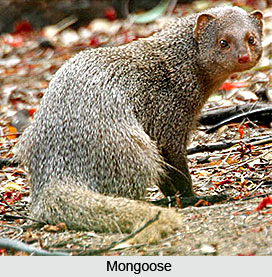
Indian Mongoose


Mongoose, Indian AnimalThe Indian mongoose, scientifically known as Herpestes javanicus, is a small carnivorous mammal belonging to the family Herpestidae. It exhibits several distinct physical characteristics that aid in its identification and survival in diverse environments. Adult Indian mongooses typically measure between 36 to 45 centimeters in length, excluding their bushy tails which add an additional 40 centimeters. They generally weigh between 0.6 to 1.5 kilograms. 

Their bodies are slender and elongated, complemented by short legs, which contribute to their agility and speed. The fur of the Indian mongoose is coarse and varies in color from gray to brown, often with a grizzled appearance due to the presence of light and dark banded hairs. Their eyes are small and bright, reflecting a keen sense of sight, crucial for spotting prey. Mongooses possess sharp, curved claws that are well-adapted for digging and climbing. 

Indian mongooses are highly adaptable animals that can thrive in a wide range of habitats. They are predominantly found in grasslands, open forests, and agricultural fields. Their preference for areas with dense undergrowth provides them with ample cover from predators and facilitates hunting. They are also known to inhabit human settlements, where they forage for food in garbage dumps and agricultural areas, thus sometimes being considered pests. 

In their natural habitat, Indian mongooses create burrows or use natural shelters such as rock crevices and hollow logs. These shelters provide protection from predators and harsh weather conditions. Mongooses are diurnal creatures, meaning they are active during the day and rest at night. Their activity peaks during the early morning and late afternoon when they hunt for small mammals, birds, reptiles, and insects. 

The Indian mongoose is widely distributed across the Indian subcontinent. In India, their presence is noted in various states, extending from the northern regions such as Jammu and Kashmir to the southern states like Kerala and Tamil Nadu. They are also prevalent in the central and western parts of the country, including Madhya Pradesh, Maharashtra, Gujarat, and Rajasthan. 

Their adaptability to different environments has facilitated their spread across various ecological zones. Indian mongooses are frequently found in the agricultural landscapes of Punjab and Haryana, where they help control rodent populations. In the forested areas of the Western Ghats and the northeastern states, they play a significant role in the ecosystem as predators of small vertebrates and insects.

In addition to their native range, Indian mongooses have been introduced to several other parts of the world, including the Caribbean, Hawaii, and Japan, primarily for pest control. However, in these introduced regions, they have become invasive species, threatening local wildlife and biodiversity. 

The Indian mongoose is a remarkable example of an adaptable and resilient mammal. Its distinct physical features, including a slender body, sharp claws, and grizzled fur, contribute to its survival across varied habitats. The species is widely distributed across India, thriving in diverse environments ranging from grasslands and forests to human-modified landscapes. Their role in controlling pest populations highlights their ecological importance, although their introduction to non-native areas has underscored the complexities of species management and conservation.

Tuesday, 21 May 2024

Royal Bengal Tiger


 Royal Bengal Tiger, Indian AnimalThe Royal Bengal Tiger, scientifically known as Panthera tigris tigris, is a prominent and majestic subspecies of tiger found primarily in the Indian subcontinent. Renowned for its striking appearance and significant role in the ecosystem, this apex predator is a symbol of strength and power. 
Physical Features

The Royal Bengal Tiger is the largest cat species in the world, exhibiting several distinctive physical characteristics. Adult male Bengal tigers typically weigh between 220 to 310 kilograms (485 to 683 pounds) and can reach a length of up to 3 meters (10 feet), including the tail. Females are generally smaller, weighing between 110 to 180 kilograms (243 to 397 pounds) and measuring up to 2.7 meters (9 feet) in length. 

The coat of the Bengal tiger is characterized by its vibrant orange color with distinctive black stripes. These stripes are unique to each individual, much like human fingerprints. The belly, inner sides of the limbs, and parts of the face are white. This coloration provides excellent camouflage in their natural habitat. Additionally, they possess powerful limbs and sharp retractable claws, which aid in hunting and climbing. Their large, muscular build and strong jaws allow them to take down large prey with ease. 

Habitat

The Royal Bengal Tiger inhabits a variety of environments, including tropical and subtropical forests, mangroves, grasslands, and deciduous forests. They are highly adaptable and can thrive in diverse conditions, from the dense mangroves of the Sundarbans to the dry forests of Rajasthan. 

Their preferred habitat is dense forest cover with ample water sources and abundant prey. Tigers are solitary animals, and they require large territories to support their hunting needs. A single tiger's territory can span over 100 square kilometers (about 39 square miles), depending on the availability of prey and the presence of other tigers. 

Concentration in India

India is home to more than 70% of the global population of Royal Bengal Tigers, making it a critical region for their conservation. The highest concentrations of these wild animals are found in several key reserves and national parks across the country. 

Sundarbans National Park: Located in West Bengal, the Sundarbans is the largest mangrove forest in the world and supports a significant population of Bengal tigers. The unique mangrove habitat and the presence of tidal waterways make it a distinct environment for tiger conservation. 

Jim Corbett National Park: Situated in the state of Uttarakhand, this is India's oldest national park and a vital tiger reserve. It provides a mix of grasslands, riverine belts, marshy depressions, and dense forests, ideal for tigers. 

Bandhavgarh National Park: Located in Madhya Pradesh, Bandhavgarh has one of the highest densities of Bengal tigers. The park's varied topography, including rocky hills and dense forests, creates an excellent habitat for these predators. 

Ranthambore National Park: In Rajasthan, Ranthambore is renowned for its tiger sightings. The park's dry deciduous forests and rocky terrain provide a perfect backdrop for tiger conservation. 

Kanha National Park: Also in Madhya Pradesh, Kanha is known for its successful tiger conservation programs and diverse habitat, which supports a robust tiger population. 

Conservation Efforts

India has implemented several conservation initiatives to protect the Royal Bengal Tiger, including Project Tiger, which was launched in 1973. This project aims to create and maintain a viable population of tigers in their natural habitats, ensuring a healthy ecosystem. Efforts include habitat management, anti-poaching measures, and community involvement to reduce human-tiger conflicts. 

The Royal Bengal Tiger, with its distinctive physical features and adaptability to various habitats, remains a symbol of wildlife conservation in India. Concentrated in key reserves across the country, ongoing conservation efforts are crucial to ensuring the survival of this magnificent predator and maintaining the ecological balance.

Monday, 20 May 2024

Indian Animal Louse


Animal Louse, Indian Species

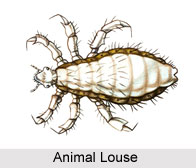
The Indian animal louse is a parasitic insect belonging to the order Phthiraptera, which includes small wingless insects. These parasites are primarily divided into two main groups: Amblycera and Ischnocera, known as chewing or biting lice, and Anoplura, known as sucking lice. Chewing lice infest both birds and mammals, whereas sucking lice are exclusive to mammals. This article explores the physical characteristics, habitat, and distribution of lice in India, focusing on their impact on both human and animal hosts. 

Physical Features

Animal Lice are characterized by their flattened bodies, which range in size from 0.33 mm to 11 mm. They exhibit a variety of colors, including whitish, yellow, brown, and black. Their physical structure is well-adapted for their parasitic lifestyle. Chewing lice possess mouthparts designed to gnaw on feathers, skin debris, and occasionally tissue fluids. In contrast, sucking lice have specialized mouthparts with delicate stylets for piercing the skin and sucking blood. These stylets are retracted into the head when not in use, and their feeding is facilitated by a salivary secretion that prevents blood coagulation. 

Habitat

Lice are highly adapted to their hosts, thriving in the warmth and darkness provided by feathers or fur. They are repelled by light and are thus rarely found away from their hosts. Chewing lice are prevalent on birds, where they feed on feathers and skin debris, while sucking lice infest mammals, feeding exclusively on blood. The population density of lice can vary significantly depending on the health of the host. Sick animals or birds with impaired grooming capabilities may harbor abnormally large numbers of lice. 

Distribution in India

In India, lice infest a wide range of birds and mammals, including domestic animals such as dogs, cattle, and poultry. The tropical and subtropical climate of India provides an ideal environment for these parasites to thrive. Sucking lice, such as those infesting cattle, can have significant economic impacts by reducing meat and milk production. Chewing lice on poultry can lead to damaged feathers and decreased egg production. 

Impact on Humans

The human louse, a type of sucking louse, is a significant concern in areas with poor hygiene and overcrowding. It is a vector for serious diseases such as typhus and louse-borne relapsing fever. The prevalence of head lice in India is notable, particularly in densely populated regions where conditions for lice transmission are optimal. Despite the use of insecticidal shampoos, resistance has developed, leading to a resurgence of infestations. 

Impact on Animals

Lice infestations in domestic animals can lead to severe discomfort, skin irritation, and secondary infections due to scratching. For instance, the dog louse can serve as an intermediate host for the dog tapeworm, further complicating health issues. In cattle, heavy infestations can result in significant economic losses. In poultry, lice not only damage feathers but also lead to reduced egg and meat production, affecting the livelihood of farmers. 

The Indian animal louse, encompassing both chewing and sucking varieties, presents a significant parasitic challenge to both humans and animals. Their physical adaptations make them well-suited to their parasitic lifestyle, thriving in the warmth and protection provided by their hosts. In India, the climate and conditions facilitate their prevalence, with notable impacts on health and economic productivity. Effective management and control strategies are essential to mitigate the adverse effects of lice infestations in this region.

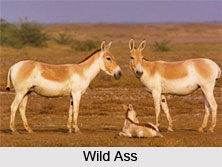
Indian Wild Ass


Wild Ass, Indian AnimalThe Indian Wild Ass (Equus hemionus khur), also known as the Khur, is a striking member of the equid family, noted for its distinctive physical characteristics. It stands at about 100 to 120 centimeters at the shoulder, with a body length ranging from 200 to 250 centimeters. The weight of an adult Indian Wild Ass can vary between 250 to 400 kilograms. The coat of the Indian Wild Ass is typically sandy or chestnut brown, which helps it blend into its arid habitat. In winter, the coat turns paler. A prominent feature is the dark stripe that runs along its back from the neck to the tail. Additionally, they possess strong and slender legs, enabling them to run at speeds of up to 70 kilometers per hour, which is crucial for evading predators and navigating their vast habitat. 
Habitat

The Indian Wild Ass primarily inhabits the Rann of Kutch, a large area of salt marshes located in the western Indian state of Gujarat. This region is characterized by its extreme conditions, including high temperatures and scarce vegetation, making it a challenging environment for wildlife. Despite these harsh conditions, the Indian Wild Ass has adapted remarkably well. The region experiences severe climatic conditions with temperatures soaring above 45 degrees Celsius in summer and dropping to below 5 degrees Celsius in winter. The Rann of Kutch is divided into two parts: the Great Rann and the Little Rann. The Little Rann of Kutch, in particular, serves as the primary habitat for the Indian Wild Ass. This area is seasonally inundated by monsoon rains, creating temporary wetlands that support a variety of grasses and shrubs, which are essential for the diet of the Indian Wild Ass. 

Concentration in India

The Indian Wild Ass once roamed extensively across the northwestern region of the Indian subcontinent, including parts of present-day Pakistan, Afghanistan, and Iran. However, their range has significantly reduced due to habitat loss, human encroachment, and hunting. Currently, the Indian Wild Ass is confined to the Indian state of Gujarat. The Little Rann of Kutch is the main stronghold, and it is within the boundaries of the Indian Wild Ass Sanctuary, established in 1972 to provide a protected environment for this endangered species. This sanctuary covers an area of approximately 5,000 square kilometers. 

Conservation efforts have been increasingly successful, with the population of the Indian Wild Ass showing a positive trend. According to the latest census, the population is estimated to be around 6,000 individuals. This is a significant recovery from the brink of extinction in the mid-20th century, when their numbers had dwindled drastically. Efforts by the Forest Department of Gujarat and various wildlife organizations have been crucial in protecting and monitoring the Indian Wild Ass population. These efforts include habitat management, anti-poaching measures, and community engagement programs to reduce human-wildlife conflict. 

The Indian Wild Ass is a unique and resilient wildlife species that has adapted to the extreme conditions of its habitat in the Rann of Kutch. Its distinct physical features, such as the sandy coat and dark dorsal stripe, along with its remarkable speed and endurance, make it a fascinating subject of study. While the species faces ongoing challenges, dedicated conservation efforts have led to a promising increase in its population. The Indian Wild Ass remains a symbol of the delicate balance between wildlife and the harsh environments they inhabit.

Saturday, 18 May 2024

Marten in India


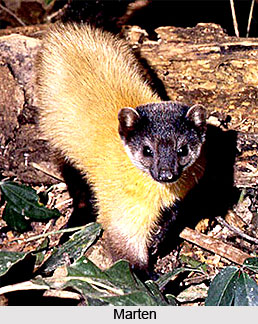
Marten, Indian AnimalThe Marten, a small to medium-sized carnivorous mammal, is part of the Mustelidae family. These agile creatures are known for their sleek bodies, bushy tails, and sharp claws. In India, martens are represented by two species: the Nilgiri marten (Martes gwatkinsii) and the Yellow-throated marten (Martes flavigula). 
Physical Features

Martens possess distinct physical characteristics that facilitate their survival in the wild. They have elongated bodies with short limbs, aiding in their agility and ability to navigate through dense forests. Their fur is typically thick and lustrous, providing insulation against cold weather. The Nilgiri marten exhibits a dark brown to black coat with an orange throat patch, while the Yellow-throated marten is noted for its striking yellow and brown coloration, with a bright yellow throat and chest. Adult martens generally weigh between 1 to 2 kilograms and measure about 50 to 70 centimeters in length, including their bushy tails which account for nearly one-third of their body length.

 Habitat

Martens thrive in forested environments where they can find ample food and cover. In India, they inhabit both tropical and temperate forests, ranging from lowland rainforests to montane regions. The Nilgiri marten is predominantly found in the Western Ghats, preferring the higher altitude shola forests and grasslands. These areas provide a mix of dense undergrowth and open spaces, ideal for their hunting and nesting activities. The Yellow-throated marten, on the other hand, has a broader range, occupying various forest types across the Himalayas and the northeastern states. These martens are highly adaptable, capable of surviving in primary forests as well as secondary growth and disturbed habitats. 

Concentration in India

The distribution of martens in India is largely determined by the availability of suitable habitat and prey. The Nilgiri marten's range is relatively restricted to the Western Ghats, specifically in the states of Tamil Nadu, Kerala, and Karnataka. This species is considered endemic to this region and is rarely found outside these geographical confines. Key locations include the Nilgiri Hills, the Anamalai Hills, and the Palani Hills. Conservation areas such as the Silent Valley National Park and the Periyar Wildlife Sanctuary are critical habitats for the Nilgiri marten. 

In contrast, the Yellow-throated marten exhibits a wider geographical spread. It is found throughout the Himalayan region, extending from Jammu and Kashmir in the west to Arunachal Pradesh in the east. Additionally, it inhabits the forests of northeastern India, including Assam, Meghalaya, Nagaland, and Manipur. This species is also present in the hill ranges of central India and occasionally reported in the Western Ghats, although less commonly than the Nilgiri marten. 

Conservation Status

The conservation status of martens in India varies between the two species. The Nilgiri marten is classified as "Vulnerable" on the IUCN Red List due to its limited range and the ongoing threat of habitat destruction. Deforestation, human encroachment, and fragmentation of forest habitats pose significant risks to their populations. Conversely, the Yellow-throated marten is listed as "Least Concern," reflecting its wider distribution and greater adaptability to changing environments. However, this species also faces threats from habitat loss and hunting. 

Martens in India represent a vital component of the country's diverse wildlife. Their unique physical features, specialized habitats, and varying conservation statuses underscore the need for targeted conservation efforts. Protecting the forested regions of the Western Ghats and the Himalayan ranges is crucial to ensuring the survival of these fascinating mammals. Through sustained conservation initiatives and habitat preservation, India can continue to support healthy marten populations.

Indian Striped Hyena


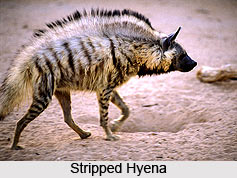
Striped Hyena, Indian AnimalThe Indian striped hyena (Hyaena hyaena) is a prominent member of the Hyaenidae family, primarily found across the Indian subcontinent. This species is distinguished by its unique physical features and specific habitat preferences. 

Physical Features

The Indian striped hyena is a medium-sized carnivore, typically measuring between 100 to 120 centimeters in length, with a tail adding an additional 30 to 40 centimeters. The height at the shoulder ranges from 65 to 80 centimeters, and adults generally weigh between 25 to 40 kilograms. This hyena is easily recognizable by its long, coarse fur which is predominantly grey or beige, marked with distinctive black stripes running vertically along its body. The mane, which runs from the neck to the back, stands erect when the animal is agitated or feels threatened, giving it a larger and more intimidating appearance. 

One of the notable features of the striped hyena is its robust skull and powerful jaw muscles, designed to crush bones. This capability allows it to efficiently scavenge and consume carcasses, including bones and hooves, which many other predators cannot process. Its forelimbs are notably stronger and longer than the hind limbs, contributing to its characteristic sloping back and giving it a more hunched appearance. 

Habitat

The Indian striped hyena occupies a variety of habitats, including arid regions, scrub forests, savannas, and grasslands. It shows a remarkable adaptability to different environments, ranging from the semi-desert regions of Rajasthan to the lush forests of central India. These hyenas prefer areas with abundant shelter, such as caves, rocky crevices, and dense vegetation, which offer protection during the daytime when they are inactive. They are primarily nocturnal and are seldom seen during the day. 

Water availability is not a strict requirement for the striped hyena, as it can survive in areas with limited water sources. This resilience to arid conditions is supported by its diet, which includes moisture-rich food items that help sustain it without frequent need for drinking water. 

Concentration in India

The striped hyena's distribution in India is widespread but fragmented due to habitat loss and human encroachment. Significant populations are found in the states of Rajasthan, Gujarat, Madhya Pradesh, Maharashtra, and parts of Uttar Pradesh. In Rajasthan, the Thar Desert provides an ideal environment with its sparse vegetation and rocky terrain. Gujarat's Gir National Park, known primarily for its Asiatic lions, also supports a notable population of striped hyenas. 

Central India's forests, particularly in Madhya Pradesh, serve as another critical habitat. These areas offer ample prey and suitable denning sites. Maharashtra, especially in regions like the Deccan Plateau, provides an environment where these hyenas can thrive amidst the varied topography. In Uttar Pradesh, the Chambal River basin and surrounding ravines offer a unique landscape that supports a healthy population of this species. 

Conservation Status

The Indian striped hyena is classified as Near Threatened on the IUCN Red List due to habitat destruction, poisoning, and hunting pressures. Conservation efforts are essential to mitigate these threats and ensure the survival of this significant species in Indian flora and fauna. Protected areas and wildlife sanctuaries play a crucial role in providing safe habitats. Additionally, awareness and education initiatives aimed at local communities help reduce human-wildlife conflicts and promote coexistence. 

The Indian striped hyena is a remarkable species with unique physical adaptations and a wide but fragmented distribution across India. Protecting this species requires concerted conservation efforts and habitat management to address the challenges it faces in the wild. Understanding and preserving the striped hyena's role in the ecosystem is vital for maintaining the ecological balance and biodiversity of the regions it inhabits.

Friday, 17 May 2024

Markhor in India


The Markhor, scientifically known as Capra falconeri, is a wild goat species recognized for its striking appearance and impressive horns. It inhabits the mountainous regions of Central Asia and is found in parts of northern India. 

Physical Features

The Markhor is distinguished by its majestic horns, which spiral upward and can reach lengths of up to 160 centimeters in males. The horns of females are shorter and less twisted. Males typically weigh between 80 to 110 kilograms, while females are smaller, weighing around 32 to 50 kilograms. The Markhor's coat varies seasonally; it is generally short and reddish-brown in summer, transitioning to a long, thick, and greyish-brown coat in winter to provide insulation against the cold. Males develop a long, shaggy mane extending from the neck to the chest during the winter months. Their keen eyesight and strong limbs make them well-suited to navigating rugged terrains. 

Habitat

Markhors inhabit high-altitude regions ranging from 600 to 3,600 meters above sea level. They are adapted to rocky, precipitous slopes and cliffs where they can evade predators. The dense vegetation in these areas provides both food and cover. Markhors are primarily browsers, feeding on a variety of grasses, leaves, and shrubs. During winter, they descend to lower altitudes to escape the harsh weather and find food more easily. Their habitat preferences include alpine meadows, scrublands, and forested regions, which offer a mix of open spaces and dense thickets for foraging and protection. 

Concentration in India

In India, the Markhor is primarily found in the Jammu and Kashmir region, particularly in the Pir Panjal Range and the areas around the Dras and Kargil valleys. This region provides the ideal combination of rocky terrain and forested areas that Markhors prefer. The population of Markhors in India is limited and fragmented due to habitat loss, human encroachment, and poaching. Conservation efforts for this wild animal are in place to protect this vulnerable species, focusing on habitat preservation and anti-poaching measures. 

Conservation Status

The Markhor is listed as Near Threatened on the IUCN Red List, with its population trend currently increasing due to concerted conservation efforts. In India, it is legally protected under Schedule I of the Wildlife Protection Act, 1972, which offers it the highest level of protection. The Jammu and Kashmir government, along with various non-governmental organizations, has implemented measures to mitigate the threats to Markhor populations. These measures include habitat restoration projects, community engagement programs to reduce human-wildlife conflict, and strict enforcement of anti-poaching laws. 

The Markhor, with its impressive physical features and specialized habitat requirements, represents a unique component of India’s wildlife heritage. Its presence in the rugged terrains of Jammu and Kashmir underscores the ecological diversity of this region. Ongoing conservation efforts are crucial to ensuring that this majestic species continues to thrive in its natural habitat. Preservation of the Markhor is not only essential for biodiversity but also for maintaining the ecological balance in the high-altitude ecosystems of northern India.